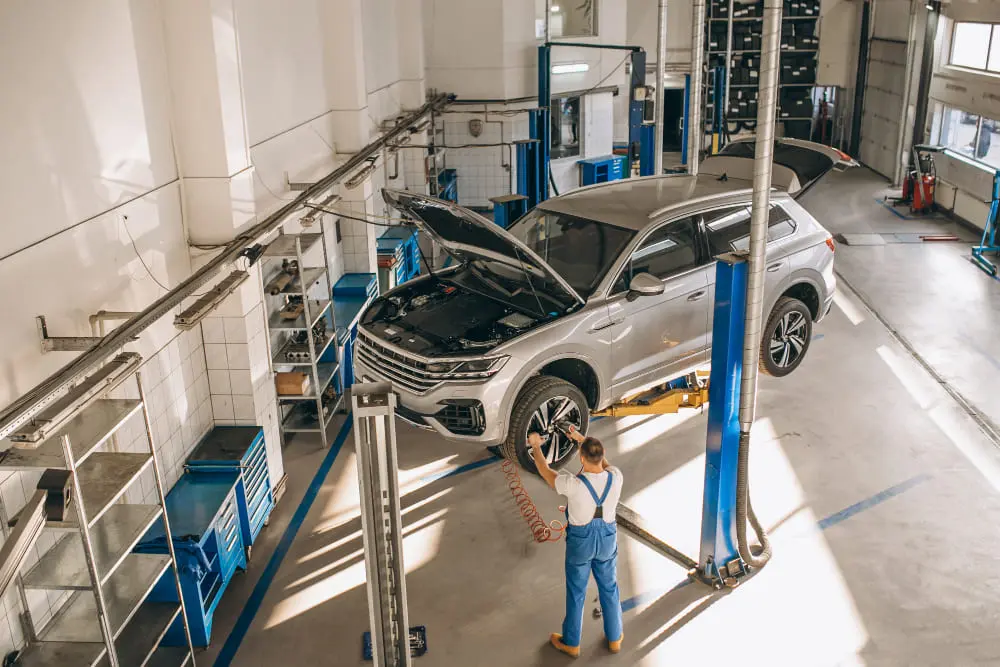
If you have shopped for a new car in the last few years, you have probably noticed that almost every brand is pushing smaller turbocharged engines. A 1.5-liter turbo now often replaces a 2.4-liter naturally aspirated engine, and manufacturers promise the same power with better fuel economy. Walk into almost any dealership today, and you will struggle to find a mainstream sedan or SUV without a turbo badge somewhere on the trunk. This shift has happened quickly, driven mostly by strict fuel economy rules and emissions targets that push automakers toward smaller engines that still feel powerful enough for everyday driving.
But many buyers still wonder what happens after the warranty runs out. Will a turbocharged engine hold up as well as an older naturally aspirated one? Will repairs cost more down the road? Will you end up paying more in the long run for a car that felt cheaper to fuel every week? These are fair questions, especially if you plan to keep your car for ten years or more, or if you buy used and inherit someone else's maintenance habits along with the vehicle.
In this guide, we will break down how each engine type works, how long each one typically lasts, and what you can expect to pay in repairs and maintenance over time. We will also look at real-world driving habits that affect engine life, since the numbers on paper rarely tell the whole story. By the end, you will have a clear picture of which engine type fits your driving habits, your budget, and how long you plan to keep your vehicle.
How Turbocharged and Naturally Aspirated Engines Work
Before comparing lifespan and cost, it helps to understand the basic difference between the two engine types, since this difference is the root cause of almost every gap in cost and durability that follows.
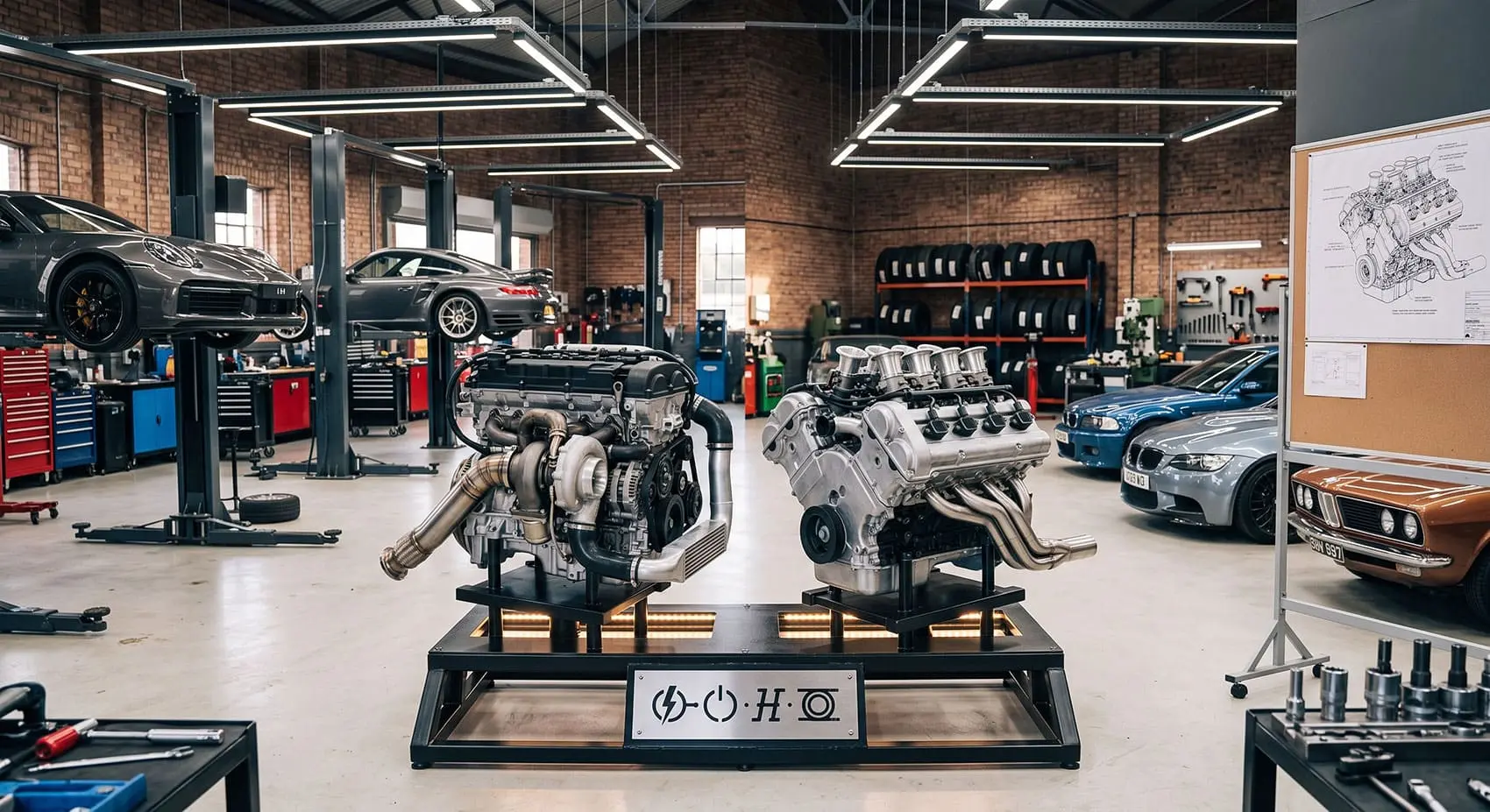
A naturally aspirated engine breathes air the old-fashioned way. Air moves through the air filter, past the throttle body, and into the intake manifold, then into the cylinders using nothing but atmospheric pressure and the vacuum created by the pistons moving up and down. There is no external device forcing extra air in. This is the design that has been used in cars for over a century, and it is mechanically simple. Fewer parts usually mean fewer things that can fail, and fewer systems that need special attention from the driver. The engine takes in a fixed amount of air per cylinder stroke based on its size, so to get more power, engineers generally have to make the engine bigger or spin it faster, both of which have their own limits.
A turbocharged engine adds a turbocharger to this process. The turbo uses exhaust gas that would otherwise be wasted to spin a small turbine, which drives a compressor that pushes extra compressed air into the cylinders. More air allows the engine to burn more fuel per cycle, which produces more power from a smaller engine displacement. This is why a small turbo engine can often match or beat the output of a much larger naturally aspirated engine, while also returning better fuel economy in light driving conditions, since a smaller engine uses less fuel when the turbo is not working hard. Cars are generally split into these two categories based on how air is supplied to the engine, and this difference in air supply changes how the vehicle behaves and performs, including how quickly it responds when you press the accelerator.
The trade-off is complexity. Turbocharged engines place higher demands on fuel quality, engine oil, and spark plugs, and their maintenance costs are typically higher than those of naturally aspirated engines. The turbo itself spins at extremely high speeds, sometimes over 100,000 RPM, and runs hot because it sits directly in the exhaust stream. That heat and speed are exactly why turbo engines need more careful upkeep than naturally aspirated ones.
Which Engine Lasts Longer
This is the question most people actually care about, and the honest answer is that it depends heavily on maintenance, not just engine type. Engine design sets the potential lifespan, but how the car is driven and serviced usually decides whether that potential is reached.
A well-built naturally aspirated engine, driven normally and serviced on schedule, can often reach 200,000 to 300,000 miles with only routine parts replaced along the way. Because there is no turbo adding heat and pressure to the system, the engine tends to run a little cooler and under less mechanical stress over its lifetime. This is one reason many older naturally aspirated engines from the 1990s and 2000s are still on the road today with minimal internal repairs, sometimes still running on their original head gasket and timing components with nothing more than regular fluid changes.
Turbocharged engines can absolutely reach similar mileage, but the margin for error is smaller. Some mechanics who specialize in turbo systems point out that a modern turbocharged engine, when maintained properly with regular oil changes and quality parts, holds up just as well as a naturally aspirated one over time. Others in the repair industry are more cautious, noting that a small turbocharged engine working hard to make power that used to come from a larger displacement engine faces more thermal stress, which can shorten its comfortable service life if maintenance is skipped or delayed.
The real difference shows up when maintenance is neglected. Naturally aspirated engines are more forgiving of missed oil changes because there is less extreme heat and pressure involved. Turbocharged engines are far less forgiving. Skipping oil changes on a turbo engine can lead to carbon buildup, oil breakdown, and eventually bearing failure inside the turbo unit itself, which can then send metal debris into the rest of the engine. A driver who lets oil sit past its recommended interval on a turbo car is taking a bigger risk than someone doing the same thing on a naturally aspirated engine, simply because the turbo bearings need clean, properly lubricated oil to survive their extreme rotating speeds.
Driving style matters too. A turbo engine that is driven hard and then shut off immediately, without giving the turbo time to cool down, wears out faster than one that is allowed to idle briefly after a highway run. Naturally aspirated engines do not carry this same risk, since there is no spinning turbine that needs a cool-down period.
So the fair conclusion is this. Under ideal conditions with disciplined maintenance, both engine types can last a long time and reach similar high mileage. Under average or neglected maintenance, naturally aspirated engines tend to tolerate the mistakes better, while turbocharged engines are more likely to develop expensive problems earlier.
Repair and Maintenance Costs Compared
This is where the two engine types really separate from each other, and it is the part most buyers underestimate when they first purchase a turbocharged vehicle, often because the sticker price and fuel economy numbers look so appealing at the time of purchase.
Naturally aspirated engines are mechanically simpler, so routine service is usually cheaper. Oil changes, spark plugs, belts, and sensors cost less to replace, and labor time is often shorter because there are fewer components crammed into the engine bay. Major failures are also less common because there are fewer parts that can wear out or break under stress. A shop can often service a naturally aspirated engine faster, which keeps labor charges down even when the parts themselves are similarly priced.
Turbocharged engines carry extra costs at almost every stage of ownership. Many manufacturers recommend shorter oil change intervals for turbo engines, and they typically require full synthetic oil, which costs more than conventional oil. The turbocharger itself is an added component that can fail independently of the rest of the engine, and when it does, the repair bill is significant. Repairing or replacing a turbocharger typically costs several hundred to a few thousand dollars depending on the make and model, and replacing a faulty turbo actuator alone usually runs a few hundred dollars.
Labor plays a big role in the final cost too. The total cost of a turbo replacement depends heavily on labor time, the hourly shop rate, and the type of turbo being installed, since some units are much harder to access than others. In many cases, a shop has to remove several other components just to reach the turbocharger, which adds hours of labor on top of the parts cost. This is very different from a naturally aspirated engine, where most components sit in more accessible locations and can often be reached without removing half the engine bay.
There is also a hidden cost that many drivers do not think about right away. If a turbo fails while the engine is running, tiny metal fragments from the damaged turbine can travel into the intake or exhaust system. In extreme cases of turbocharger failure, debris can enter the engine and cause serious internal damage, sometimes requiring a full engine replacement rather than just a turbo repair.
To summarize the cost picture, naturally aspirated engines generally cost less to maintain year after year, and their occasional repairs tend to be smaller and more predictable. Turbocharged engines cost more to maintain properly, and while a well-cared-for turbo can last the life of the car, a neglected one can turn into one of the most expensive single repairs a driver will ever face.
Which Engine Type Should You Choose
The right choice really comes down to how you drive and how long you plan to keep the car, along with how much patience you have for staying on top of maintenance schedules.
If you want the lowest long term ownership cost and you drive mostly in the city on short trips, a naturally aspirated engine is usually the safer bet. It is simpler, more forgiving of imperfect maintenance, and cheaper to service over hundreds of thousands of miles. This makes it a good match for buyers who keep their vehicles for a very long time and want to avoid surprise repair bills, or for anyone buying a used car where the maintenance history is uncertain.
If you want stronger performance, better fuel economy on the highway, and you are willing to stay on top of maintenance without skipping oil changes, a turbocharged engine can serve you well. Many modern turbo engines are genuinely reliable when treated properly, and the fuel savings during regular driving can help offset some of the extra maintenance cost over time. Just be aware that choosing turbo ownership means committing to using the recommended oil, following service intervals closely, and budgeting for the possibility of a turbo repair once the vehicle passes the 100,000-mile mark.
It also helps to think about how the car will be driven day to day. A turbo engine that is allowed to cool down properly after hard driving, rather than being shut off immediately after a highway run, will generally last longer than one that is constantly subjected to sudden heat cycles. If you often tow, drive in heavy traffic in hot climates, or push the engine hard on a regular basis, a turbo engine will demand even more consistent care to reach high mileage without issues. Naturally aspirated engines do not carry this same concern, since there is no turbine spinning at extreme speed that needs time to cool before shutdown.
Conclusion
Both turbocharged and naturally aspirated engines can give you a long and dependable ownership experience, but they ask different things from you as an owner. Naturally aspirated engines reward simplicity. They are easier to maintain, cheaper to repair, and more tolerant of missed service intervals, which makes them a solid choice for buyers who want low-stress ownership and predictable costs over the years. Turbocharged engines reward discipline. They can match or beat the lifespan of naturally aspirated engines when properly maintained, and they offer real advantages in power and efficiency, but they come with higher maintenance costs and a real risk of expensive repairs if that maintenance is neglected.
Before buying your next car, think honestly about your driving habits and how consistent you are with servicing your vehicle. If you want peace of mind with minimal upkeep, lean toward naturally aspirated. If you want performance and efficiency and are ready to keep up with recommended service, a turbocharged engine can serve you just as well for the long haul, and in many cases reward you with lower fuel bills along the way.



Written by Maarukh Shahbaz
Published Sep 18, 2026 in Comparisons.