
Buying a used car should feel like a win. You found a good deal, the mileage looks fair, and the price seems right. Then you sit down in the finance office, and the number on the paper is hundreds, sometimes thousands, more than what you agreed on. This happens to buyers every single day, all over the world, and it is rarely an accident. Dealerships often build extra charges into the final paperwork, hoping buyers are too tired or too excited to question them.
The good news is that hidden dealer fees are not unbeatable. Once you understand how they work and where they hide, you can spot them early and negotiate them down or remove them completely. Dealers rely on the fact that most buyers do not know which charges are required and which ones are simply padding added for extra profit. That knowledge gap is exactly what this guide is built to close.
This article breaks the process into simple, practical stages. You will learn how dealer fees actually work, how to prepare before you ever step onto a lot, the exact tactics that work during negotiation, and the warning signs to watch for once the paperwork lands in front of you. By the end, you will know how to buy a used car with confidence, protect your budget, and walk out with a fair, transparent price instead of a stack of surprise charges.
Understand How Dealer Fees Work Before You Negotiate
Before you can negotiate anything, you need to know what you are looking at. Dealer fees generally fall into two buckets: fees that are required by law and fees that the dealership adds on its own to boost profit. Learning the difference is the single most useful thing you can do before you ever step onto a lot.
Common Fees You Will See on the Paperwork
Most used car contracts include a mix of the following charges:
- Documentation or "doc" fee: covers the paperwork needed to process the sale. This amount varies a lot by state or region, and in many places it is capped by law.
- Dealer preparation fee: supposedly covers cleaning, inspection, and getting the car ready for sale. In reality, this is often padded.
- Advertising fee: meant to cover marketing costs for the vehicle. This is almost always negotiable.
- VIN etching or nitrogen tire fill: small add-ons the buyer never asked for.
- Extended warranty or service contract: sold in the finance office, usually at a large markup.
- GAP coverage: pays the difference between what you owe and what the car is worth if it is totaled. Useful for some buyers, but often overpriced at the dealership.
Which Fees Are Negotiable and Which Are Not
Sales tax, title fees, and license or registration fees are set by the government and cannot be changed. The dealer simply collects and forwards these amounts. Everything else, including the doc fee, prep fee, advertising fee, and any add-on product, has room for discussion. If a salesperson tells you a fee is "just how it works" or "non-negotiable" without explaining why, treat that as a signal to push harder, not a reason to stop asking.
It helps to think of every fee as falling into one of three groups. The first group is government-mandated charges that stay fixed no matter which dealer you visit. The second group is legitimate operational costs, such as a reasonable doc fee, where the amount can still vary and is often open to a small reduction. The third group is pure profit padding, made up of add-ons, inflated prep charges, and products you never asked for. Learning to sort each line item into one of these groups the moment you see it will make the rest of the negotiation much easier.
Do Your Research Before Stepping Into the Dealership
Most hidden fees survive because buyers walk in unprepared. A little homework before you ever talk to a salesperson puts you in control of the conversation instead of the other way around.
Check the Real Market Price of the Car
Search listings for the same make, model, year, mileage, and condition in your area and beyond. Sites that track used car pricing will show you a fair market range. Write down the low end, the average, and the high end of that range so you have real numbers in front of you during the conversation. When you know the real value of the vehicle, it becomes much harder for a dealer to justify inflated fees on top of an already high asking price, and it becomes much easier to spot when the total deal has quietly crept above what the car is actually worth.
Get Pre-Approved for Financing First
Walking in with financing already arranged from a bank or credit union changes the entire negotiation. The dealership cannot bury extra costs inside a confusing monthly payment if you already know your interest rate and loan terms. You can still let the dealer try to beat your rate, but you are no longer at their mercy.
Compare Offers From More Than One Dealer
Contact two or three dealerships for the same or similar vehicle and ask each one for their full out-the-door price, not just the sticker price. Mentioning that you are comparing offers is one of the fastest ways to get a dealer to drop unnecessary fees, since they know you can simply take your business elsewhere.
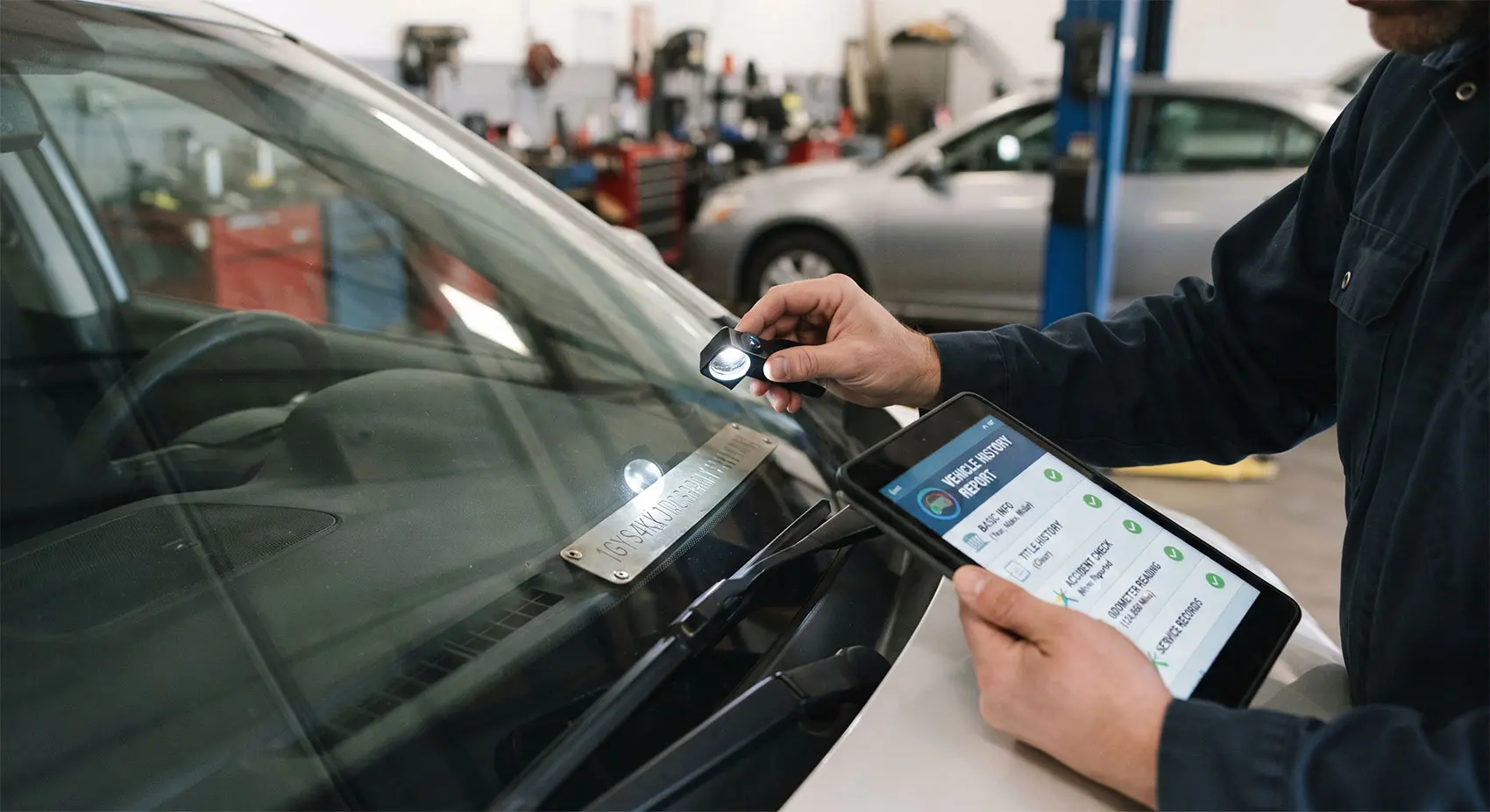
Pull the Vehicle History Report Early
Before you get anywhere near a negotiation, check the car's history using its VIN. Look for past accidents, title issues, service records, and the number of previous owners. This step is not just about safety. A clean history report also becomes a bargaining chip, since it removes any excuse the dealer could use to justify extra reconditioning or inspection charges.
Proven Negotiation Tactics to Skip Hidden Fees
Once you know what to expect and you have done your homework, the actual negotiation becomes much simpler. These tactics work in showrooms around the world, regardless of the brand or dealership.
Always Negotiate the Out-the-Door Price
Never let the conversation stay focused on monthly payments. A low monthly figure can hide a high total price, a longer loan term, or a pile of add-on fees. Ask directly: "What is the full out-the-door price, including every fee?" This forces the dealer to show their full hand. Write that number down and treat it as the only figure that matters until you are ready to sign. Every future counteroffer from the dealer should be compared against this single total, not against a monthly payment that can be reshaped in dozens of hidden ways.
Ask for an Itemized Fee Sheet in Writing
Before you agree to anything, request a written, itemized breakdown of every charge on the deal. Read each line slowly. If you see a fee you do not recognize, ask what it is for and why it costs that much. Dealers are far less likely to keep a padded charge once it has been called out by name.
Separate the Vehicle Price From Financing and Add-Ons
Negotiate the price of the car first, on its own. Once that number is settled, move on to financing terms, and only after that discuss any optional add-ons like extended warranties or protection packages. Keeping these three conversations separate stops the dealer from mixing numbers together to confuse you.
Use Your Walk Away Power
This is the most effective tool a buyer has. If a fee feels unfair and the dealer refuses to explain or remove it, be willing to stand up and leave. Dealerships would rather adjust a fee than lose a sale entirely, and simply reaching for your keys often leads to a sudden change in tone from the salesperson. Go into every negotiation with a clear limit for the total price in your head, and treat that limit as non-negotiable on your end. If the deal cannot meet that number once every fee is accounted for, there will almost always be another car and another dealer willing to earn your business.
Ask If Any Fee Can Be Waived or Reduced
Many buyers assume fees are fixed simply because they appear printed on a form. In truth, prep fees, advertising charges, and even some doc fees can often be lowered or removed entirely, especially if you ask calmly and directly rather than accepting the number at face value.
Red Flags to Watch For in the Final Contract
Even confident negotiators can get caught off guard in the finance office, where paperwork moves quickly, and pressure is highest. Knowing what to watch for protects you at the final stage of the deal.
Numbers That Do Not Match What Was Agreed
Before signing anything, compare every figure on the contract against what you agreed to earlier. If the vehicle price, fees, or interest rate has changed without explanation, stop and ask why.
Add-ons You Never Requested
Watch for extras like paint protection, fabric sealant, or theft etching that appear on the paperwork without your approval. These items are almost always optional, even when they are presented as standard.
Packed Payments That Hide the True Cost
Some dealers stretch a loan term or slightly raise the interest rate to make the monthly payment look smaller while quietly increasing the total amount you pay over time. Always ask for the total loan cost, not just the monthly figure, before you sign.
Pressure to Sign Quickly
If a salesperson rushes you or discourages you from reading the contract carefully, treat that as a warning sign. A fair, transparent deal does not need to be rushed. Take your time, read every line, and never feel embarrassed about asking questions before you put your signature down.
Conclusion
Negotiating a used car purchase without paying hidden dealer fees comes down to preparation, patience, and confidence. Know which fees are required by law and which ones exist purely to boost the dealer's profit. Research the market price and arrange your own financing before you ever step onto the lot. During negotiation, always focus on the full out-the-door price, ask for an itemized breakdown, and keep the vehicle price, financing, and add-ons as separate conversations. Finally, read every line of the contract before signing, and never be afraid to walk away if something does not add up.
A used car purchase should leave you feeling like you got a fair deal, not like you were outmaneuvered in a back office. With the steps in this guide, you now have the tools to spot hidden fees before they cost you money and negotiate every part of the deal with confidence.
Every dealership deal is different, but the core rules stay the same no matter where you shop. Know the difference between required and optional charges, arrive with your own research and financing in hand, keep every part of the conversation separate and clear, and never let urgency push you into signing something you have not fully read. Buyers who follow this approach consistently pay less, avoid unnecessary products, and leave the dealership with a deal they actually understand from top to bottom. That is the real goal of any negotiation: a purchase you feel good about long after you drive off the lot.




Written by Kousar Shabbir
Published Sep 15, 2026 in Buying Guides.