The automotive landscape is undergoing a silent, software-driven revolution that is fundamentally altering how we interact with our personal vehicles. For over a century, car ownership has been defined by physical touchpoints: the smell of fresh motor oil during an unceremonious oil change, the inconvenience of dropping off a sedan at a local dealership for a diagnostic check engine light, and the inevitable receipt detailing hours of manual labor and replacement parts. Today, that physical paradigm is colliding with the digital age through Over-the-Air (OTA) updates. Originally popularized by smartphones and consumer electronics, wireless firmware and software transmissions have transformed modern cars from static machinery into dynamic, evolving computers on wheels.
As automotive engineering merges deeper with computer science, the traditional boundaries of what constitutes a vehicle service have expanded exponentially. Drivers no longer need to wait for an annual check-up to resolve minor software glitches, navigation errors, or power distribution bugs. Instead, vehicles act as nodes in a massive, connected cloud network where improvements are deployed seamlessly overnight. This shift represents much more than mere convenience; it marks a structural re-engineering of automotive maintenance, shifting the entire industry from a reactive, breakdown-dependent repair model to a proactive, software-optimized preventive framework that redefines vehicle longevity, ownership costs, and the very definition of automotive care. In this digital era, a car's lifespan is no longer bound strictly by the limits of its physical hardware components, but is continually extended and enhanced through continuous digital evolution.
Understanding Over-the-Air (OTA) Updates in Vehicles
The mechanics behind modern vehicle updates are deeply rooted in advanced cloud infrastructure and embedded systems engineering. Unlike early automotive computers that remained isolated within closed local networks, today’s connected vehicles feature sophisticated electronic control units (ECUs) linked to centralized domain controllers. When an automotive manufacturer pushes a patch, the file travels securely from cloud servers via high-speed cellular networks such as 4G LTE and 5G directly into the vehicle's telematics control unit. This process relies heavily on Firmware Over-the-Air (FOTA) technology, which can safely download and execute background installations without interrupting the driver.
Pioneered heavily by Silicon Valley EV disruptors like Tesla, the capability to rewrite vehicle software remotely forced legacy OEMs including Ford, General Motors, BMW, and Volkswagen to completely re-architect their software stacks. Traditional automakers had long relied on disparate supplier networks where individual ECUs were programmed by third-party vendors, making centralized updates nearly impossible. Today, major automotive brands have transitioned toward centralized, zone-based electrical architectures that allow software updates to target everything from comfort and entertainment modules to critical driving dynamics.
It is helpful to categorize these wireless updates into two primary tiers: infotainment enhancements and critical safety/powertrain patches. Infotainment updates are the most visible to drivers, introducing new user interface layouts, streaming application integrations, navigation refinements, and customized cabin lighting profiles. Conversely, critical powertrain and safety updates operate behind the scenes. These patches recalibrate battery management systems to maximize electric vehicle range, optimize torque vectoring for slippery road conditions, adjust active safety sensor thresholds, and correct rare software bugs in braking or steering algorithms before they manifest as mechanical failures.
The Shift from Traditional Dealership Service to Remote Maintenance
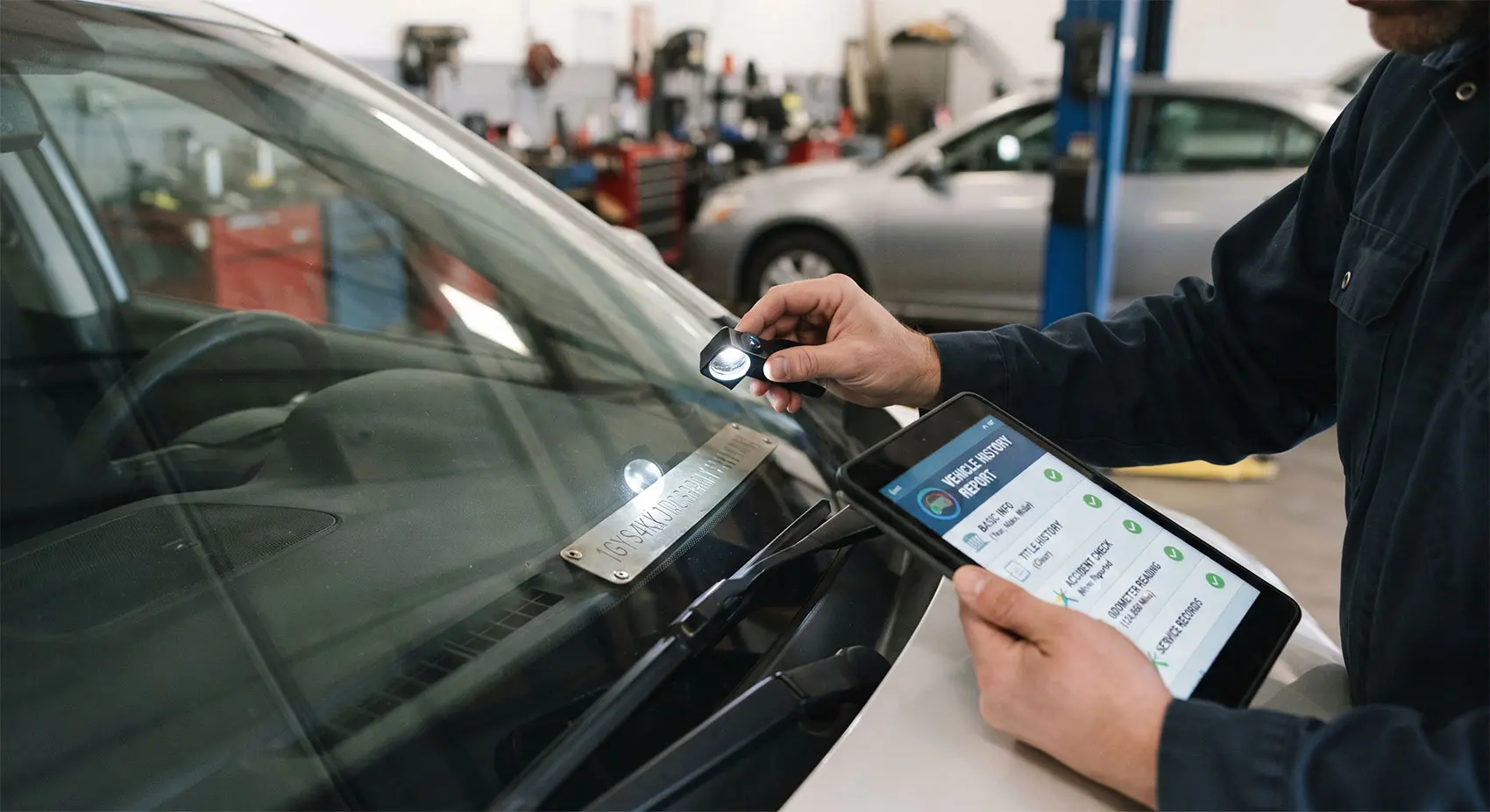
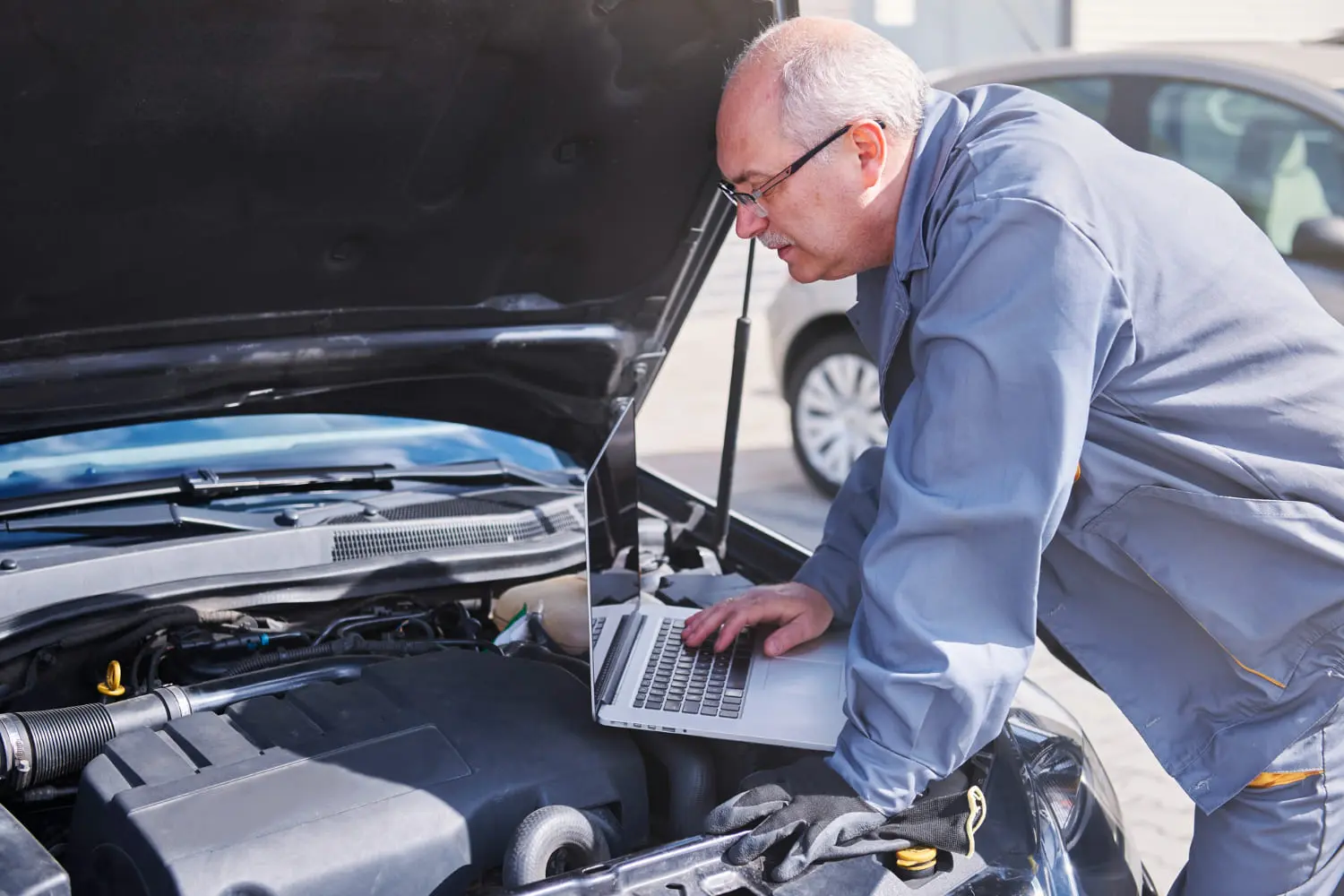
For decades, car ownership carried an inevitable ritual: scheduling a service appointment weeks in advance for routine maintenance, dropping off the vehicle at the crack of dawn, and waiting hours or even days for a mechanic to plug an OBD-II scanner into the dashboard. A significant portion of these traditional service appointments revolved around minor software patches, control module resets, and digital recalibrations that required physical access to the dealership's proprietary diagnostic tools. Today, Over-the-Air updates are systematically eliminating this friction, rendering routine minor software visits entirely obsolete for connected vehicle owners.
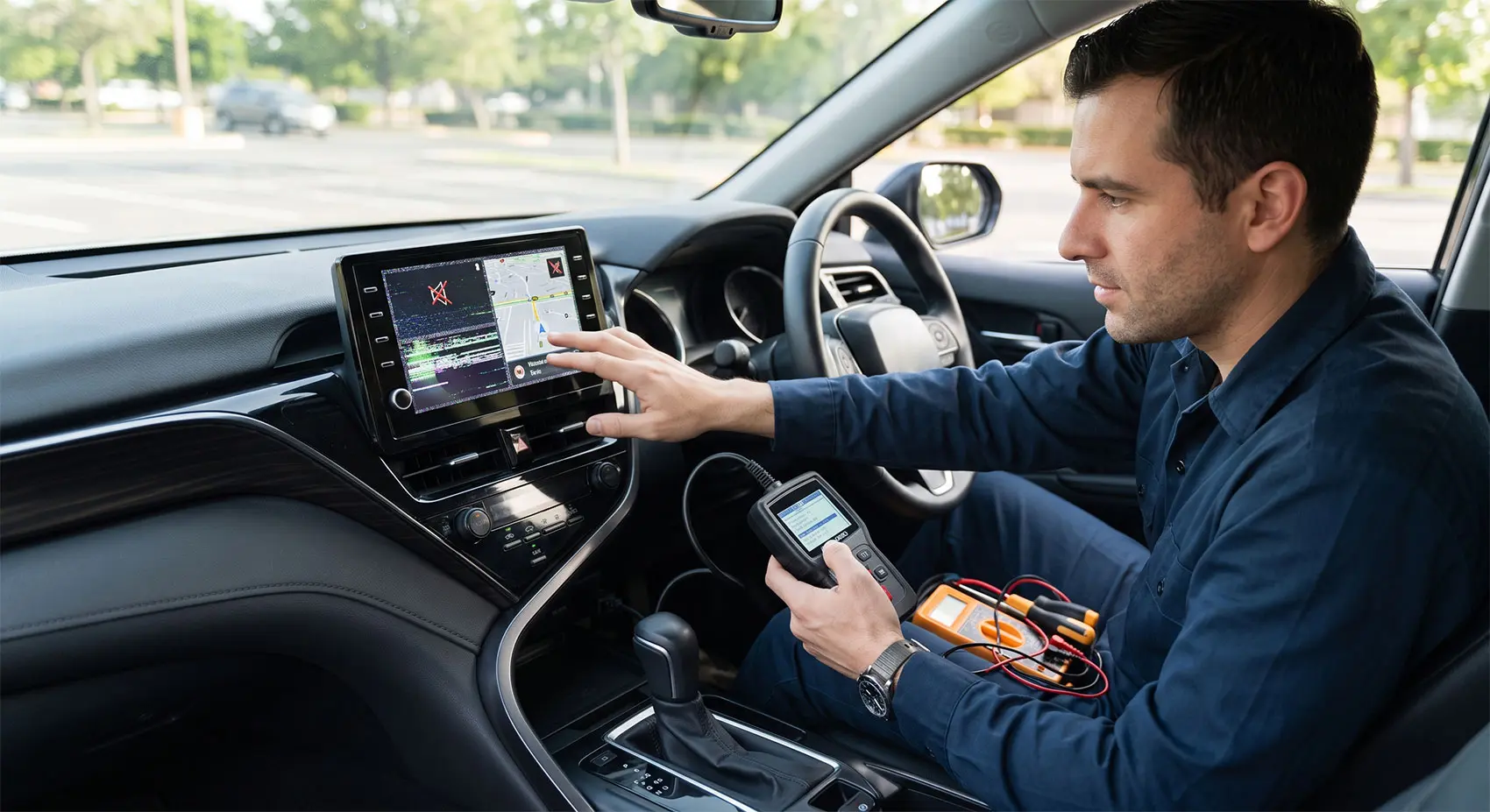
Beyond simply bypassing the dealership waiting room, remote car diagnostics are fundamentally redefining how automotive problems are identified and resolved. Modern connected cars continuously stream telemetry data back to manufacturer cloud servers, monitoring hundreds of individual sensors in real-time. If a battery cell begins to exhibit abnormal degradation, or if a minor fuel injection anomaly is detected, the vehicle's onboard diagnostics can flag the issue long before the driver experiences a dashboard warning light or a mechanical failure. In many cases, manufacturers can push a targeted software patch remotely that recalibrates the affected component or optimizes system performance overnight, completely averting what would have previously necessitated a tow truck and an expensive repair bill.
This evolution translates into profound financial and time savings for everyday vehicle owners in 2026. By removing the labor costs associated with minor diagnostic check-ins and preventing premature component wear through timely, automated software corrections, drivers save hundreds of dollars annually in hidden service fees. Furthermore, the sheer convenience of waking up to a vehicle that has self-optimized while parked in a home garage transforms car maintenance from a disruptive chore into a seamless, background aspect of modern mobility.
Security Implications and Challenges of Wireless Vehicle Maintenance
As automotive ecosystems become increasingly dependent on constant cloud connectivity and wireless data transmission, the attack surface for modern automobiles expands exponentially. While Over-the-Air updates offer unprecedented convenience, they simultaneously introduce critical cybersecurity vulnerabilities that demand rigorous mitigation strategies from manufacturers. Unlike traditional mechanical systems where a physical tool is required to manipulate vehicle components, a compromised software update pipeline or an unsecured telematics gateway could theoretically grant malicious actors remote access to critical vehicle functions, including steering, braking, and throttle control.
To combat these high-stakes threats, automotive cybersecurity has evolved into a specialized discipline mirroring enterprise cloud security. Modern connected vehicles utilize advanced cryptographic verification, secure boot procedures, and hardware security modules (HSMs) to ensure that every incoming software package is cryptographically signed and authenticated by the OEM before installation. Furthermore, automakers employ rigorous over-the-air encryption protocols and isolated domain architectures, such as separating infotainment networks from powertrain networks, to ensure that a security breach in one area cannot compromise the physical safety of the vehicle.
Beyond direct cybersecurity threats, constant telemetry tracking and wireless data transmission raise profound consumer data privacy challenges. Connected vehicles continuously harvest vast streams of data regarding driver behavior, geographic location, charging habits, and cabin telemetry. Managing how this data is stored, anonymized, and shared with third-party service providers or insurance companies remains a central regulatory battleground. Additionally, technical stability during live updates remains an operational hurdle; if a wireless update transmission is interrupted by cellular network dropouts or a sudden power failure mid-installation, it can result in a "bricked" electronic control unit, rendering the vehicle temporarily immobile until a hard reset or dealership flash is performed.
The Future of Independent Mechanic Shops in an OTA-Dominated World
The widespread adoption of Over-the-Air updates and software-defined architectures has generated significant concern regarding the future viability of independent mechanic shops. For decades, local independent garages thrived on routine diagnostics, service light resets, electronic module programming, and minor maintenance tasks that required specialized physical hardware. As modern vehicle manufacturers increasingly gatekeep software access behind proprietary digital ecosystems and encrypted cloud networks, independent shops face the genuine risk of being locked out of critical repair categories. Without access to factory-level diagnostic data and software flashing capabilities, neighborhood garages risk losing a substantial revenue stream to authorized dealership networks.
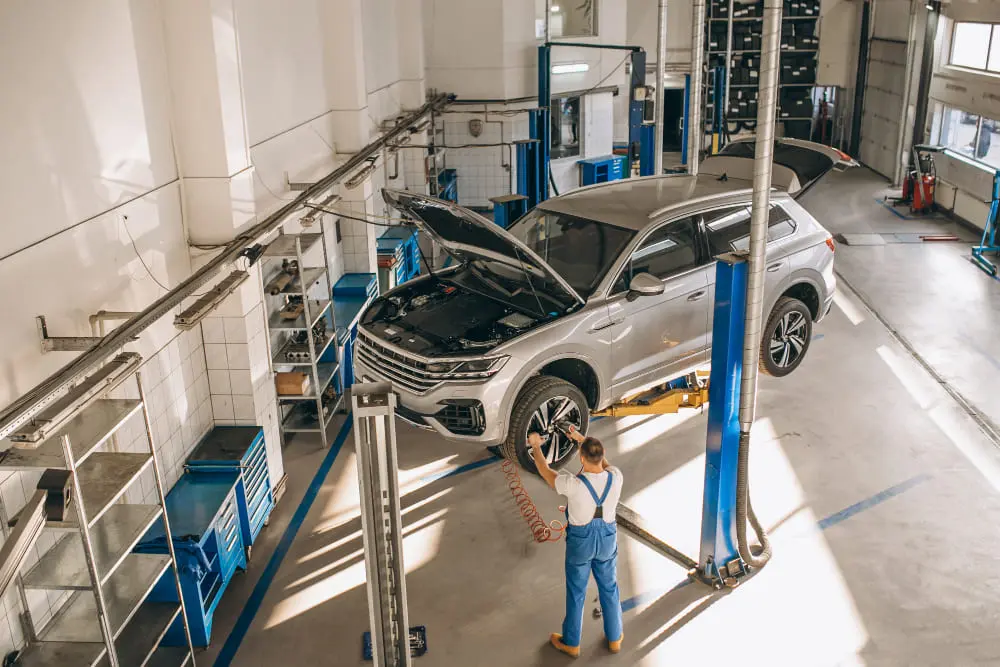
However, the transition to software-dominated vehicles does not spell the end of independent repair; rather, it demands a profound structural evolution. Independent mechanics are increasingly investing in advanced, multi-brand diagnostic tools, cloud-subscription software licenses, and specialized training programs focused on high-voltage electric vehicle architectures and software calibration. Furthermore, physical wear and tear remains an immutable reality of automotive physics. No amount of remote software code can replace a worn-out brake pad, patch a punctured tire, align a suspension damaged by a deep pothole, or repair physical body panels after a collision.
Consequently, the future automotive landscape is shifting toward a collaborative hybrid ecosystem. Authorized dealerships and major OEMs increasingly realize they cannot service the entire aging vehicle fleet alone, creating opportunities for authorized independent partnerships. In this emerging paradigm, independent shops will handle high-volume mechanical repairs, hardware replacements, and general servicing, while leveraging streamlined digital workflows to work in tandem with remote software updates. This division of labor ensures that everyday vehicle owners retain competitive pricing and localized service options while benefiting from the cutting-edge efficiencies of wireless automotive maintenance.
Conclusion
As we look across the modern automotive landscape, Over-the-Air updates have firmly transitioned from a futuristic novelty into the core operational backbone of vehicle ownership. The traditional model of car care defined by reactive garage visits, physical diagnostic plug-ins, and unpredictable repair timelines is rapidly giving way to an agile, software-defined ecosystem. By allowing vehicles to continually self-optimize, resolve underlying software vulnerabilities before they manifest as mechanical faults, and incorporate advanced features remotely overnight, OTA updates redefine the entire lifecycle of a car. For vehicle owners, this shift translates into unprecedented time savings, reduced maintenance costs, and a heightened sense of safety and personalization that grows rather than degrades as the vehicle ages.
Looking further ahead into the future of mobility, the trajectory of wireless automotive maintenance points toward even deeper integration with artificial intelligence, edge computing, and predictive maintenance algorithms. As autonomous driving features and connected vehicle ecosystems expand throughout the late 2020s, the volume of telemetry data generated by individual automobiles will grow exponentially. Manufacturers will increasingly rely on machine learning models deployed directly across vehicle fleets to anticipate component degradation long before any physical symptom appears. This means that future vehicle updates will not only patch known software bugs or introduce user interface refinements, but will autonomously order replacement hardware components or schedule preventative mobile service visits before a part ever fails on the open road.
Meanwhile, the broader automotive industry, from legacy OEMs to independent mechanic shops, is adapting through strategic collaborations and digital upskilling to thrive in this new paradigm. Dealership service centers are transforming from congested repair hubs into specialized technical centers focused on high-level systems architecture and structural bodywork, while independent mechanics leverage digital tooling and cloud-based diagnostics to service an increasingly diverse fleet of connected vehicles. Ultimately, the rise of wireless maintenance ensures that the cars of today and tomorrow are not static assets bound by their initial factory specifications, but dynamic, evolving companions engineered for a fully connected world. This continuous evolution guarantees that the automotive ownership experience will remain safer, more efficient, and infinitely more adaptable for generations of drivers to come.


Written by Maarukh Shahbaz
Published Sep 14, 2026 in Auto Tech.