
For over a century, the automobile was defined by iron, steel, internal combustion, and mechanical engineering. When you bought a car, its feature set, horsepower ceiling, and technological limits were permanently baked into its physical architecture the moment it rolled off the assembly line. If a design flaw was discovered, or if a new feature hit the market a year after your purchase, you lived with it or visited a dealership for an expensive, tedious mechanical overhaul. Today, that entire paradigm has flipped on its head. Modern vehicles are no longer just mechanical machines; they are powerful, rolling data centers powered by millions of lines of code. At the heart of this transformation lies the Over-the-Air (OTA) update.
Much like your smartphone downloading the latest operating system overnight while connected to home Wi-Fi, modern connected cars can now receive massive software patches, performance boosts, infotainment upgrades, and critical safety fixes directly from the cloud. Automakers ranging from Silicon Valley disruptors to century-old legacy brands have fully embraced this capability, pitching it as the ultimate consumer convenience. Why drive to a service center for a simple computer glitch when a seamless digital download can fix it while your car sits parked in your garage?
However, this rapid transition from wrench-and-bolt engineering to cloud-based software management has opened a massive Pandora’s box. While OTA updates offer unprecedented convenience and continuous feature upgrades, they introduce significant cybersecurity vulnerabilities, long-term reliability concerns, and a troubling corporate shift toward digital subscriptions and monetization models that fundamentally challenge traditional notions of car ownership. As drivers, we are forced to confront a pressing question: Are over-the-air updates genuinely improving our driving experience, or are they slowly turning our cars into rented, vulnerable digital devices?
The Evolution of Automotive Software: From Dealership Flashes to Cloud Delivery
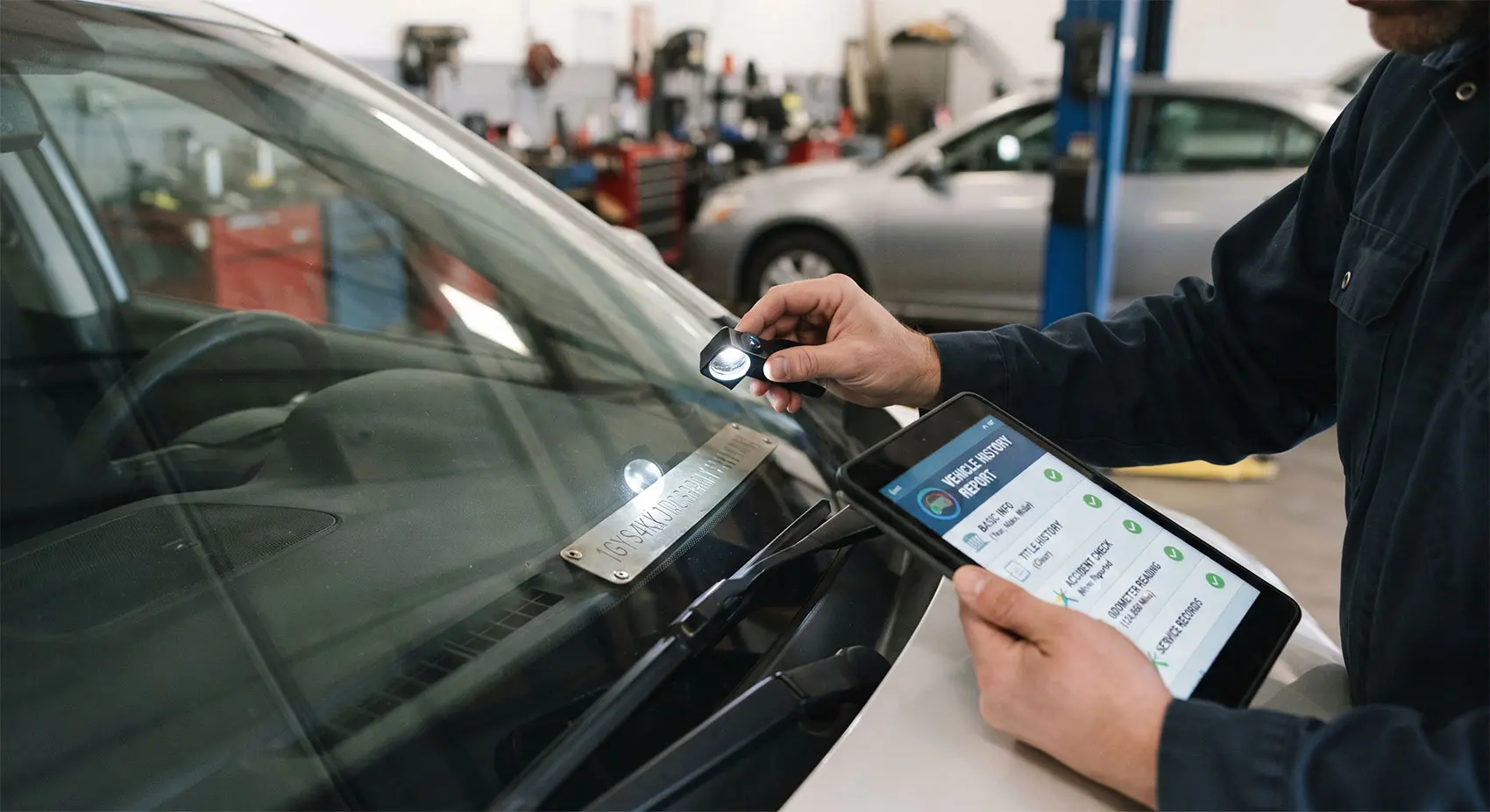
To truly understand the weight of today’s software debates, we have to look back at how vehicle diagnostics used to operate. For decades, a car's brain consisted of isolated Electronic Control Units (ECUs) managing basic functions like fuel injection, ignition timing, and anti-lock brakes. If an ECU had a bug or required a calibration tweak, it couldn't be fixed over Wi-Fi. Technicians had to physically plug a diagnostic tool into the vehicle's OBD-II port under the dashboard, manually flashing the memory chip. If a major factory recall happened, millions of owners received physical recall notices in the mail, forcing them to spend a Saturday morning waiting in a dealership lounge while mechanics updated their systems.
Then came the disruption led by Tesla and the broader electric vehicle (EV) boom. Silicon Valley tech philosophy prioritized continuous integration and continuous deployment (CI/CD), the exact model used by tech giants to push updates to smartphones and laptops overnight. By centralizing vehicle architecture into a few high-powered domain controllers rather than dozens of fragmented micro-controllers supplied by third-party vendors, Tesla proved that a car could leave the factory with baseline hardware and gain entirely new capabilities years later via the cloud.
Legacy automakers steeped in a century-old tier-one supplier ecosystem where different companies wrote code for brakes, transmissions, and infotainment independently suddenly found themselves scrambling. Transitioning from a fragmented supplier model to a unified, cloud-ready software stack has proven to be one of the most expensive and painful transformations in automotive history. Yet, pressure from consumers and tech-forward competitors has forced every major brand to adopt cloud delivery models, forever changing how vehicles evolve after purchase.
The Bright Side: How OTAs Are Improving Modern Cars
To focus purely on the anxieties surrounding connected vehicles would be to ignore a massive wave of genuine engineering marvels. Over-the-air updates have fundamentally solved some of the most persistent frustrations of car ownership. First and foremost is the elimination of the dreaded dealership recall visit. In the past, if a minor software logic error affected a vehicle’s anti-lock braking cadence or battery management profile, owners had to lose half a day sitting in a service lounge while technicians manually plugged in physical flash drives. Today, an OTA patch pushes silently overnight, downloading while the vehicle sits idle in the garage. By the time you wake up for your morning commute, the fix is already integrated, tested, and running smoothly.
Beyond simple bug patches, OTAs offer a revolutionary concept: continuous value addition. Historically, a car's depreciation clock started ticking the second you drove it off the lot, and its feature set remained frozen in time. Modern software-defined vehicles, however, can actually improve post-purchase. Automakers frequently push over-the-air enhancements that optimize regenerative braking curves, squeeze extra miles of range out of electric vehicle battery packs, upgrade infotainment user interfaces, or refine advanced driver-assistance systems (ADAS) like lane-keep assist and adaptive cruise control. For instance, performance upgrades deployed remotely have given select EVs measurable boosts in horsepower and acceleration metrics without a single component being swapped under the hood.
Furthermore, remote diagnostics have transformed predictive maintenance. Instead of waiting for a component to fail catastrophically, leaving you stranded on a highway shoulder, modern cloud-connected systems continuously monitor sensor anomalies, voltage drops, and thermal metrics. Automakers can detect failing sub-components before they break, alerting the driver via a smartphone app or pushing a calibration update that resolves the software conflict entirely. This fusion of cloud intelligence and vehicle hardware ensures that cars run cleaner, safer, and smarter than any mechanical generation that came before them.
The Dark Side: Are OTAs Ruining the Driving Experience?
While continuous digital enhancements and remote diagnostics sound like a dream come true for tech enthusiasts, the rapid pivot toward software-defined vehicles has introduced a dark side that is deeply concerning to everyday drivers, consumer advocates, and automotive purists alike. Beneath the shiny veneer of seamless convenience lies a web of corporate monetization strategies, escalating cybersecurity vulnerabilities, and troubling questions about digital ownership. When your car’s features, performance thresholds, and core functions are dictated entirely by distant cloud servers, you stop being an absolute owner and start becoming a temporary tenant of a computer on wheels.
The most glaring manifestation of this shift is the aggressive rise of subscription-based features and paywalls. Traditionally, when you purchased a car with heated seats, advanced horsepower, or premium ambient lighting, you owned that hardware outright. Today, legacy automakers and tech-forward brands alike are embedding physical hardware into vehicles at the factory level, only to lock those features behind software paywalls. Drivers are increasingly forced to pay monthly or annual subscription fees just to unlock heated steering wheels, faster acceleration times, or remote engine starting functions that they already bought and paid for as part of the vehicle's physical chassis. This creates a bizarre, frustrating reality where consumers are nickel-and-dimed for features built directly into the dashboard they are sitting behind.
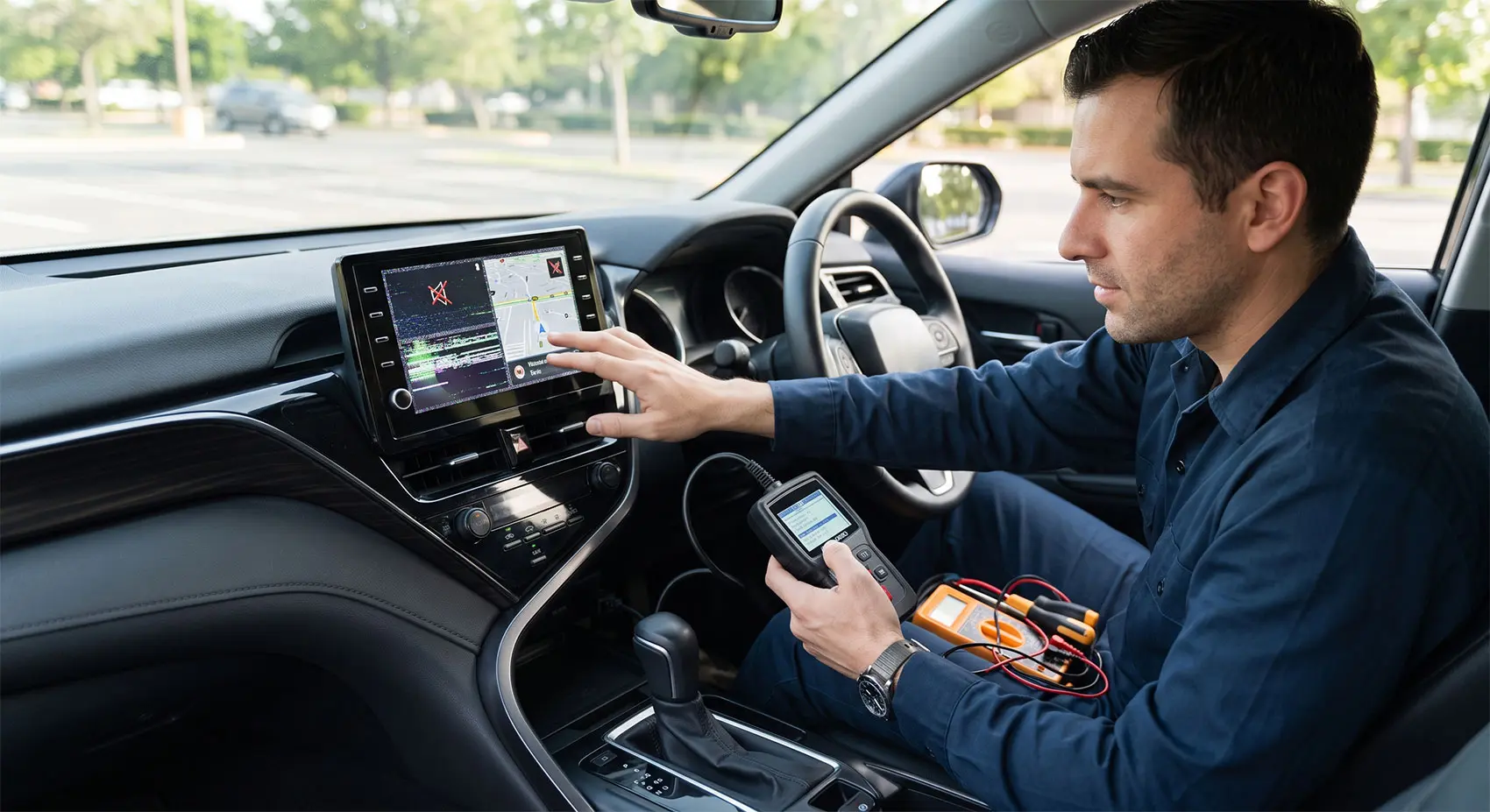
Compounding the financial frustration are severe cybersecurity risks and reliability concerns. Because modern cars feature millions of lines of code connected to cellular networks, Wi-Fi, and Bluetooth, they are exposed to remote hacking vectors that previous generations of vehicles never faced. Security researchers have repeatedly demonstrated how vulnerabilities in infotainment or telematics systems can allow malicious actors to intercept data, track locations, or even remotely manipulate critical controls like steering and braking. Furthermore, software updates are not infallible. A corrupted download, a lost cellular connection mid-update, or a buggy firmware patch can brick a vehicle entirely, leaving it immobile and requiring an emergency tow to a service center. When software replaces iron-clad mechanics, a simple glitch can transform a reliable daily driver into a useless paperweight overnight.
Industry Battleground: Tesla vs. Legacy Automakers
The software-defined vehicle revolution has effectively split the automotive world into two distinct camps: nimble tech-first disruptors and heavy, transitioning legacy giants. At the vanguard stands Tesla, a company designed from day one with a Silicon Valley software mindset. Tesla bypassed the traditional multi-tiered supplier ecosystem entirely. Instead of outsourcing the code for brakes, infotainment, and battery management to dozens of different third-party vendors each writing proprietary software that refuses to talk to one another, Tesla engineered a centralized, unified computer architecture. This vertical integration allows them to push sweeping, holistic software updates across their entire fleet in minutes. If a new algorithm improves battery efficiency or refines autopilot tracking, every vehicle on the road receives it simultaneously, creating a continuous feedback loop between the car and the cloud that traditional automakers have struggled desperately to replicate.
For legacy manufacturers like Ford, General Motors, Volkswagen, and Toyota, making this digital pivot has proven to be an uphill battle plagued by structural roadblocks. Traditional automakers have historically relied on a complex web of tier-one suppliers, companies like Bosch, Continental, and Denso to supply both the physical hardware and the embedded software for individual components. Because these systems were never designed to communicate under a single unified operating system, retrofitting legacy models for seamless, comprehensive OTA updates is akin to performing open-heart surgery on a moving train. Furthermore, legacy brands face immense pressure from their extensive dealership networks. Dealerships have historically generated a massive chunk of their revenue from servicing, maintenance, and recall repairs. When an over-the-air update fixes a critical safety issue overnight from a garage, it completely bypasses the local dealership service bay, disrupting a decades-old business model and creating internal friction between corporate headquarters and franchise owners.
As the battleground matures, legacy brands are pouring billions into restructuring their software divisions, hiring top-tier tech talent from companies like Apple and Google, and moving toward centralized domain-controller architectures. However, the gap in software agility remains wide. Consumers watching this transition are caught in the crossfire: they want the advanced, constantly evolving tech features pioneered by tech-first startups, but they also desire the build quality, long-term parts availability, and robust mechanical reliability that legacy automakers have perfected over a century.
Conclusion: Navigating the Future of Software-Driven Mobility
The evolution of the modern automobile from a purely mechanical machine to a software-defined computer on wheels represents one of the most radical paradigm shifts in industrial history. Over-the-air updates have undeniably unlocked unprecedented levels of convenience, transforming how vehicles receive safety patches, performance boosts, and feature enhancements. Gone are the days of wasting a Saturday morning at a dealership service center just to fix a minor digital glitch or calibrate an electronic control unit. For drivers who value cutting-edge tech and vehicles that continuously improve long after leaving the showroom floor, OTAs are a monumental triumph.
Yet, this digital frontier is not without its deep anxieties. As automakers increasingly lean into subscription paywalls, locking physical hardware behind recurring monthly fees, the sacred tradition of true car ownership is threatened. When a vehicle’s core performance or comfort features can be switched on and off by a remote corporate server, drivers risk becoming mere tenants of their own machines. Coupled with rising cybersecurity threats, complex hacking vectors, and the constant underlying risk of a failed update bricking a vehicle, the hidden costs of software integration become glaringly clear.
Ultimately, the future of mobility will belong to the brands that strike a delicate balance. Automakers must prioritize transparent data privacy, robust cybersecurity defenses, fair consumer pricing structures, and long-term software support frameworks. For buyers navigating this brave new digital world, the takeaway is clear: while software can make a car undeniably smarter, true automotive excellence still requires a steadfast commitment to reliability, safety, and empowering the driver behind the wheel.


Written by Kousar Shabbir
Published Jul 29, 2026 in Auto Tech.