
The modern automotive landscape has transformed into an intricate maze of advanced technology, complex computer modules, and skyrocketing labor costs. Whether you are browsing dealership lots or scrolling through private listings online, the financial reality of owning a vehicle goes far beyond the initial purchase price. When a major component fails, be it a transmission controller, an infotainment touchscreen, or a turbocharger, the out-of-pocket repair bill can easily reach thousands of dollars. This rising financial exposure is precisely why vehicle protection plans have evolved from optional perks into essential considerations for every car buyer.
At the heart of the modern vehicle protection debate lie two primary titans of security: the original factory warranty and the manufacturer-certified pre-owned (CPO) program. While a factory warranty offers pristine, unblemished coverage straight from the assembly line, CPO programs bridge a critical gap for pre-owned car buyers who want near-new peace of mind without absorbing the steep depreciation hit of a brand-new vehicle. Navigating these options requires understanding not just what is covered on paper, but how these protections function in the real world when you find yourself stranded at a service counter.
Ultimately, choosing the right car protection is a delicate balancing act between upfront vehicle depreciation, your personal risk tolerance, and your long-term driving habits. While factory-backed security guarantees absolute predictability for new car buyers, CPO protection provides a heavily scrutinized, manufacturer-vetted safety net for those purchasing slightly used vehicles. By dissecting the structural differences, coverage limitations, and financial implications of both options, drivers can make an informed choice that safeguards their investment and ensures total confidence behind the wheel.
Understanding the Factory Warranty
When you drive a brand-new vehicle off the dealership lot, you are enveloped by the manufacturer's factory warranty, often considered the gold standard of vehicle protection. This manufacturer-backed guarantee ensures that if a mechanical or electrical component fails due to a factory defect within a specified timeframe, the automaker will repair or replace it at zero cost to you. Typically, a standard factory warranty is split into two primary components: the bumper-to-bumper warranty and the powertrain warranty.
The bumper-to-bumper warranty (often called the basic or limited warranty) covers nearly every single component between your car's front and rear bumpers. This includes complex electronic control units, advanced infotainment systems, power windows, air conditioning mechanisms, and steering components. Industry standards typically set this coverage at 3 years or 36,000 miles, though several brands push this boundary to 4 or 5 years and up to 60,000 miles. Conversely, the powertrain warranty focuses strictly on the heavy-duty mechanical elements that make your car move: the engine, transmission, transaxle, and drive axles. Because these components are engineered to endure immense physical stress, automakers routinely back them for a longer period, commonly 5 years or 60,000 miles, with select brands extending this safeguard up to 10 years or 100,000 miles.
Despite their comprehensive nature, factory warranties come with rigid boundaries and strict exclusions. They are designed exclusively to protect against manufacturing flaws, meaning they will not cover standard wear-and-tear items such as brake pads, windshield wiper blades, tires, and clutch discs. Furthermore, failing to adhere to the manufacturer's recommended maintenance schedule, such as skipping oil changes or neglecting scheduled fluid flushes, can provide a dealership with the legal grounds to void your coverage entirely. Additionally, installing aftermarket modifications or performance parts can compromise your factory protection if the dealership can prove the modification directly caused a mechanical failure.
Decoding Certified Pre-Owned (CPO) Protection
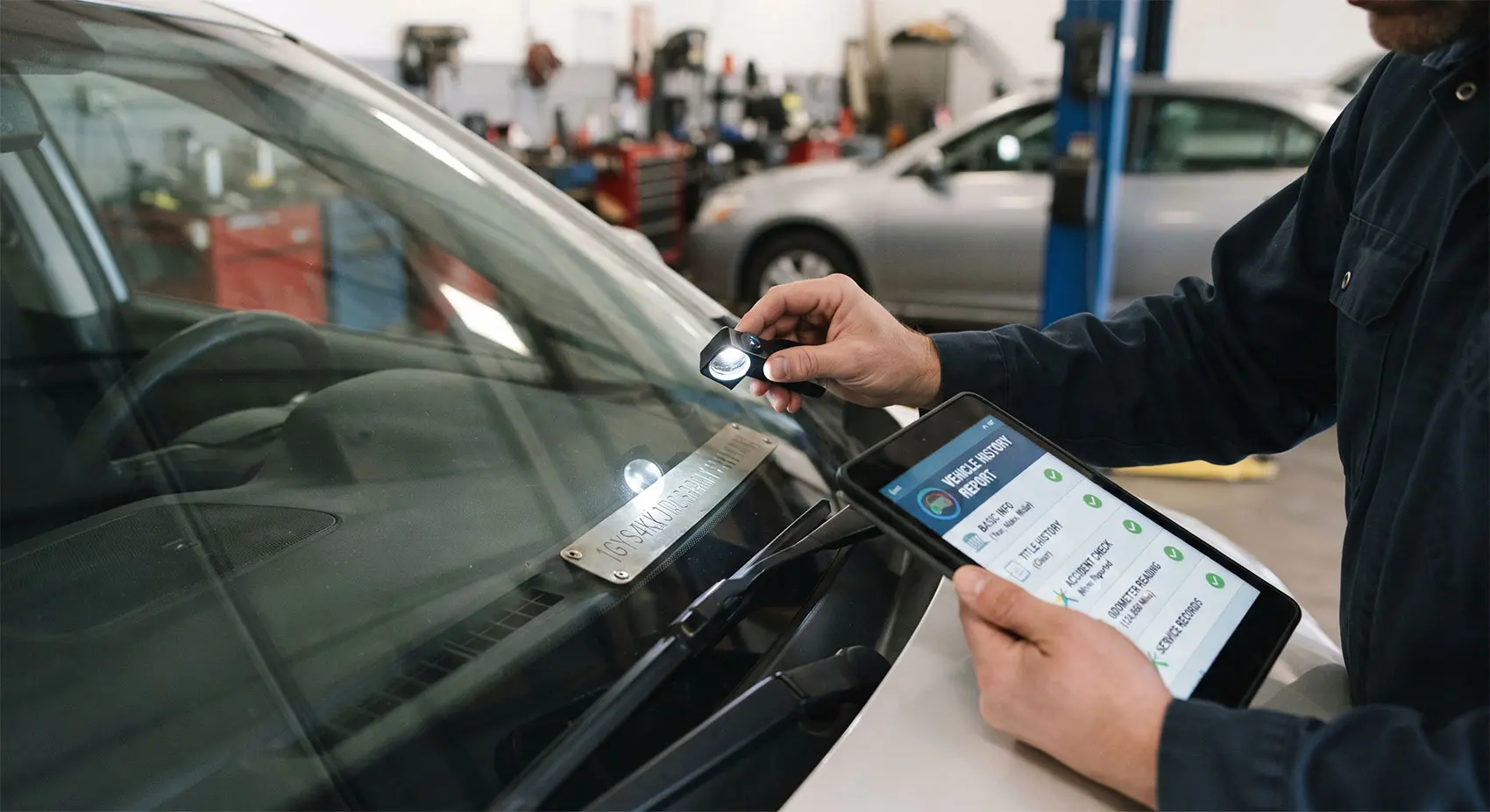
Navigating the pre-owned car market often feels like a high-stakes gamble, fraught with concerns about hidden mechanical issues and unpredictable repair expenses. To bridge this anxiety gap, automakers introduced Certified Pre-Owned (CPO) programs a specialized class of used vehicle protection that combines the financial savings of buying pre-owned with the security blanket of factory backing. However, not every used car on a dealership lot qualifies for this badge of honor. To earn a CPO designation, a vehicle must typically meet strict manufacturer criteria, usually limited to late-model vehicles with low mileage and a clean, verified vehicle history report.
Before a car receives official CPO status, it must undergo a rigorous multi-point inspection performed by factory-trained technicians. Depending on the brand, these comprehensive inspections can range anywhere from 100 to over 200 distinct checks covering everything from engine compression and transmission shifting behavior down to brake pad thickness, structural integrity, and electronic diagnostic codes. If any component fails to meet factory standards, it must be reconditioned or replaced using genuine OEM parts before the vehicle can be sold as certified. This exhaustive vetting process is what separates a standard used car purchase from a manufacturer-backed CPO investment, providing buyers with a vetted machine that carries official backing.
In addition to the rigorous inspection process, CPO protection programs extend far beyond standard used car dealer warranties by offering structured manufacturer extensions. Most CPO vehicles come with two layers of coverage: a limited powertrain warranty that extends protection for major engine and transmission components, and a comprehensive or bumper-to-bumper CPO extension that covers electronic modules, steering, and suspension systems for a designated period or mileage cap. Furthermore, premium CPO programs sweeten the deal with valuable ownership perks such as 24/7 roadside assistance, emergency towing, rental car reimbursement while your vehicle is being serviced, and trial subscriptions for satellite radio and navigation updates, offering a near-new ownership experience at a fraction of the cost.
Head-to-Head Comparison: Factory Warranty vs. CPO
When evaluating your financial risk on the road, comparing a factory warranty side-by-side with a Certified Pre-Owned (CPO) plan reveals distinct trade-offs between absolute protection and economic value. Buying a brand-new car guarantees that you hold the purest, uncompromised factory warranty available, covering every nut, bolt, and electronic module from day one. However, that security comes bundled with the steepest financial hit a vehicle will ever take: rapid initial depreciation. Within the first year or two of ownership, a new vehicle typically sheds 20% to 30% of its initial market value, a cost that often vastly outweighs the typical out-of-pocket repair bills you might face on a slightly older car.
On the other side of the ledger, a CPO vehicle allows you to bypass that brutal depreciation curve entirely by letting the original owner absorb the initial loss, while still securing robust, manufacturer-backed protection. In terms of coverage scope, top-tier CPO programs closely mirror factory warranties, offering comprehensive protection for critical powertrain elements, electrical systems, and steering components. However, there are nuances in duration and mileage caps. While a factory warranty starts fresh from zero miles, a CPO warranty typically adds a specific duration or mileage extension onto the remaining factory terms or begins the moment you drive off the lot as a secondary policy.
Transferability and resale value also play a major role in the head-to-head analysis. Both factory warranties and manufacturer-backed CPO programs are fully transferable to subsequent owners, which acts as a powerful selling point if you decide to trade up within a few years. Dealerships and private buyers alike view certified documentation as proof of meticulous maintenance, often commanding a higher resale value compared to a standard used car sold "as-is." Conversely, third-party aftermarket warranties frequently carry strict transfer fees and tedious approval processes that deter private buyers.
Finally, you must factor in deductibles and out-of-pocket exposure. Standard factory warranties feature zero deductibles for covered repairs at authorized dealerships. While many CPO programs also offer zero-deductible coverage, some manufacturers require a modest deductible such as 50 to 100 dollars per service visit for extended CPO claims. Factoring in these costs alongside your initial purchase price helps clarify which protection model truly delivers the best long-term value for your driving profile.
Which Car Protection Is Best for You?
Determining whether a brand-new factory warranty or a Certified Pre-Owned (CPO) protection plan is the right fit for your garage requires an honest assessment of your financial priorities, risk tolerance, and driving habits. There is no universal "best" choice; rather, there is only the choice that aligns best with your unique lifestyle and financial strategy. By analyzing your approach to vehicle ownership across several core dimensions, you can easily pinpoint which tier of protection provides the ultimate peace of mind.
Budget considerations and depreciation form the bedrock of this decision. If your primary financial goal is minimizing total cost of ownership over a five-to-seven-year window, buying a gently used CPO vehicle is mathematically superior. You let the first owner swallow the punishing initial depreciation hit while securing a heavily inspected machine backed by manufacturer protection. Conversely, if your budget accommodates new car pricing and you prioritize absolute financial predictability with zero risk of hidden past abuse, the pristine security of a brand-new factory warranty justifies the initial capital outlay.
Your personal risk tolerance and driving habits further dictate the ideal path. Drivers who log high annual mileage, such as long-distance commuters or road-trip enthusiasts, will burn through standard factory and CPO mileage caps much faster than weekend drivers. For high-mileage drivers, a factory warranty offers a longer blank canvas of unblemished coverage, whereas a CPO vehicle's remaining term may expire sooner than anticipated. On the other hand, if you prefer trading in your vehicles every three years to always drive the latest generation with cutting-edge technology, a short-term CPO lease or purchase paired with remaining warranty coverage keeps you perpetually protected without locking you into long-term depreciation liabilities.
Conclusion
Choosing the right car protection plan ultimately boils down to a fundamental trade-off between the absolute security of a brand-new factory warranty and the smart financial efficiency of a Certified Pre-Owned (CPO) vehicle. When you purchase a new car, you pay a steep premium up front absorbed primarily through rapid initial depreciation in exchange for the unblemished, zero-mile peace of mind that a comprehensive manufacturer warranty provides. On the other hand, opting for a CPO vehicle allows you to bypass that punishing financial dip while still securing a rigorous, manufacturer-vetted safety net that covers critical engine, transmission, and electronic components.
As you weigh your options in the modern automotive market, look closely at your personal driving habits, annual mileage accumulation, and risk tolerance. If you log heavy miles commuting or embarking on long road trips, the expanded runway of a fresh factory warranty can offer unparalleled long-term security. Conversely, if you prefer maximizing your vehicle's depreciation-to-value ratio without sacrificing protection against unexpected repair bills, a late-model CPO vehicle backed by an official manufacturer extension strikes the ideal balance. By aligning your choice with your financial goals and driving lifestyle, you can hit the road with total confidence, knowing your investment is fully shielded against the unpredictability of mechanical failures.




Written by Kousar Shabbir
Published Aug 31, 2026 in Buying Guides.