
Finding the exact vehicle you want at the right price often means expanding your search beyond your local market. Whether you are hunting for a rust-free classic truck in the desert Southwest, a rare performance trim in the Midwest, or an electric vehicle with an irresistible price tag across state lines, shopping out of state opens up national inventory. However, the excitement of securing a great deal can quickly evaporate if you are blindsided by unexpected administrative headaches, complex multi-state tax rules, or transport logistics that eat away at your savings.
Purchasing a vehicle outside your home state introduces a unique layer of bureaucracy. Every state operates under its own Department of Motor Vehicles (DMV) guidelines, vehicle safety protocols, and tax assessment structures. What qualifies as a standard, seamless private sale in Texas or Florida might require notarized affidavits, physical serial number verifications, or mandatory emissions compliance testing before you can legally park and register that same car in California or New York. Failing to understand these procedural differences can leave you stuck with a car you cannot legally drive, unexpected double-taxation demands, or prolonged registration delays.
The key to a stress-free cross-border purchase lies in meticulous preparation and understanding the four major pillars of the transaction: pre-purchase verification, state sales tax calculation, temporary transit legalities, and secure auto transport. When you know which state collects the sales tax, how temporary drive-away permits function across state borders, and what documentation is legally required to transfer an out-of-state title, you eliminate the risk of costly post-purchase surprises.
This comprehensive guide breaks down the entire process into actionable, step-by-step instructions. From organizing third-party mobile inspections and calculating tax reciprocity credits to navigating DMV counter visits and selecting reliable auto haulers, you will learn exactly how to purchase, transport, and register an out-of-state used car legally, safely, and cost-effectively.
Due Diligence & Remote Vehicle Verification
Buying a vehicle without standing in front of it demands rigorous remote verification. When purchasing out of state, your primary objective is to confirm that the car physically matches its online presentation, possesses a clean and transferable legal title, and has no undisclosed mechanical or structural defects. Skipping proper diligence at this stage is the most common reason remote buyers end up with costly buyer's remorse.
-
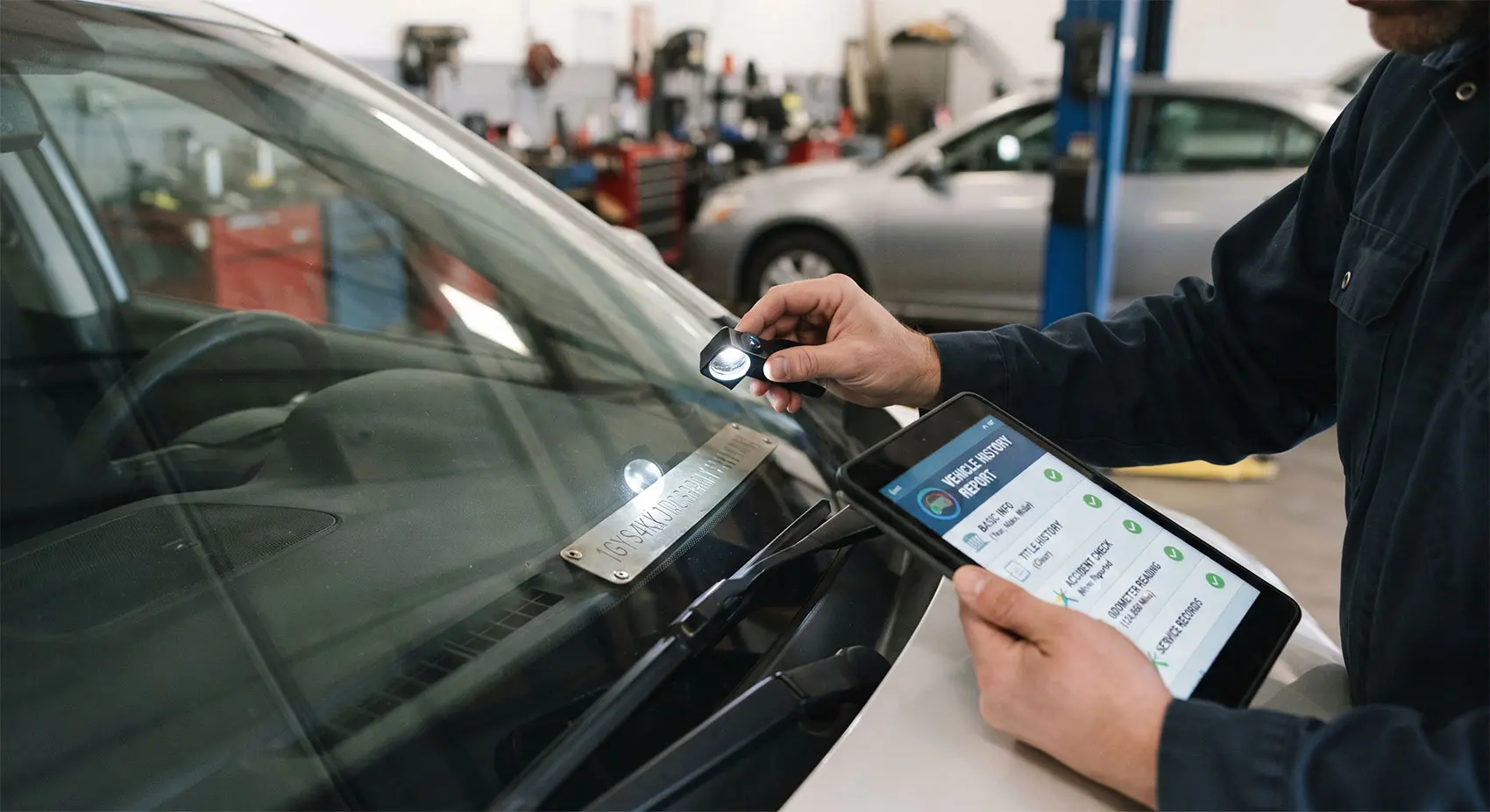
Comprehensive VIN Decoding & History Checks: Never rely solely on seller disclosures. Pull comprehensive vehicle history reports using both Carfax and AutoCheck, alongside the National Motor Vehicle Title Information System (NMVTIS). Look specifically for title branding (salvage, flood, rebuilt, or lemon buyback), recurring open safety recalls, lien records, and chronological registration patterns. A car registered in multiple northern states may have severe undercarriage corrosion, while frequent recent ownership transfers can indicate unresolved mechanical problems.
-
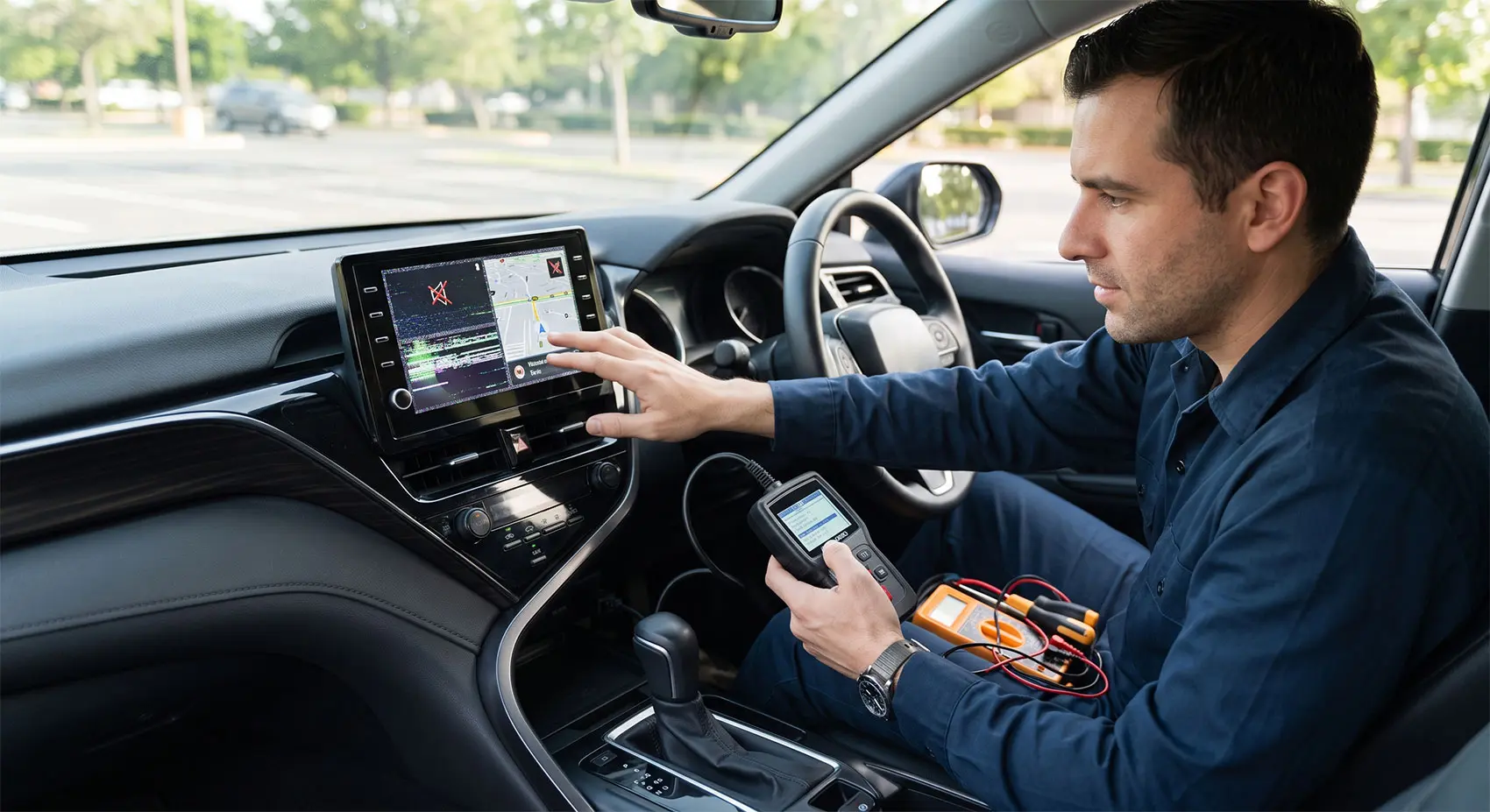
Mobile Pre-Purchase Inspections (PPI): Hire an independent, ASE-certified mobile mechanic or a reputable third-party inspection service (such as Lemon Squad or Pomcar) operating in the seller’s local area. A proper PPI costs between $150 and $250 and includes a detailed multi-point mechanical inspection, computerized OBD-II diagnostic scan for cleared fault codes, fluid condition analysis, tire/brake wear measurements, and high-resolution photos of paint depth and underbody rust. Example: An OBD-II scan can reveal an evaporative emission system leak that was recently reset to clear the Check Engine light, saving you thousands in emissions compliance repairs later.
-
Dealership vs. Private Party Transactions: Understanding who you are buying from dictates your paperwork workload:
-
Licensed Out-of-State Dealerships: Most franchised or large independent dealers handle multi-state sales regularly. Many use third-party registration services to calculate your home state's sales tax, issue temporary transit tags, and mail the title directly to your local DMV.
-
Private Sellers: Private transactions require maximum vigilance. You must verify that the seller’s photo ID strictly matches the exact name printed on the front of the title. If there is an outstanding bank lien, the seller cannot hand over a clean title until the lender is paid off, creating a waiting window of 10 to 30 business days before you can take legal ownership.
-
Decoding Out-of-State Sales Tax & Fees
Navigating sales tax is frequently the most misunderstood and financially risky aspect of purchasing a vehicle across state boundaries. A widespread myth among first-time remote car buyers is that purchasing a car in a state with zero sales tax—such as Delaware, Montana, New Hampshire, or Oregon—allows them to avoid sales tax altogether. In reality, automotive sales tax is almost universally governed by where the vehicle is registered and titled, not where it is physically purchased.
-
Home-State vs. Seller-State Jurisdiction & Reciprocity Agreements: Most states maintain reciprocal tax agreements to prevent double-taxation. Under standard tax reciprocity:
-
If the seller’s state levies a 6% tax and your home state requires 7%, you will pay 6% at the out-of-state point of sale (if buying from a dealer) and pay the remaining 1% difference directly to your local DMV upon registration.
-
If the seller’s state charges 8% and your home state charges 6%, your home DMV will typically credit your full purchase, though you generally cannot claim a refund for the excess 2% paid to the seller's state.
-
Important Exception: A few states (such as California and Massachusetts) collect full state sales tax on drive-away retail sales within their borders regardless of buyer residence, unless the vehicle is immediately loaded onto a licensed commercial transport hauler and delivered directly out of state with a formal Bill of Lading (BOL).
-
-
Sales Price vs. Fair Market Value (FMV) Assessments: Do not assume the DMV will simply calculate tax based on your written bill of sale. To combat fraudulent under-reporting of transaction values, many state revenue departments automatically assess sales tax against official valuation metrics—such as the vehicle's clean retail value in the JD Power (NADA) or Kelley Blue Book database. If you purchase a truck from an acquaintance for $8,000 but the state database assesses its fair market baseline at $14,000, your home state DMV may demand tax calculated on the full $14,000 unless you provide an official certified appraisal or a formal notarized affidavit signed by both parties detailing severe mechanical damage or mileage discrepancies.
-
Required Tax Documentation to Prevent Double Taxation: To guarantee your local tax authority credits any payments already made, you must retain rigorous documentation:
-
Official Dealer Purchase Agreement / Buyer's Order detailing itemized sales tax lines, title fees, and documentary fees.
-
Formal State Tax Receipt or DMV Form indicating direct tax remittance to the origin state.
-
Certified Notarized Bill of Sale clearly listing vehicle identification numbers, sale date, and final cash consideration.
-
Registration, Title Transfer, and Legal Driving Home
Securing the keys is only half the battle; ensuring the vehicle is legally documented for the drive home and subsequent registration requires strict adherence to multi-state DMV protocols. Driving an unregistered vehicle across state lines or mishandling the original title document can result in impoundment, hefty citations, or an unregisterable vehicle.
-
Acquiring Temporary Transit Tags (Drive-Away Permits):
If you plan to drive the car home yourself, you cannot legally use the seller’s license plates (which must be returned to their state DMV) nor can you slap your old vehicle’s plates onto the new car without completing a formal registration transfer.
-
Dealerships: Out-of-state dealers routinely issue a 30-day or 60-day temporary cardboard operating permit.
-
Private Sales: You must visit a local DMV or county tax office in the seller's state (or apply online in select jurisdictions) with the signed title, bill of sale, and proof of active auto insurance to obtain an official Temporary Transit/Trip Permit (typically valid for 5 to 30 days). Warning: Always verify that your route through intermediate states honors non-resident transit permits, and carry your physical bill of sale and insurance card at all times.
-
-
Mastering the Title Sign-Over & Odometer Disclosure:
A vehicle title is a legal certificate of ownership; any errant strikethrough, white-out, or mismatched name will instantly void the document and require the seller to order a duplicate title at significant time expense.
-
Ensure the seller signs and prints their exact name in the seller section as shown on the title front.
-
Complete a formal Federal Odometer Disclosure Statement for any vehicle under 20 model years old.
-
Check if the seller's state requires notarization of the title transfer signature (common in states like Pennsylvania, Ohio, and North Carolina) before parting ways.
-
-
Home-State DMV Requirements (VIN Inspection & Smog Compliance):
Once back in your home state, you must complete local onboarding requirements within statutory deadlines (usually 10 to 30 days):
-
Physical VIN Verification: Most states mandate an in-person VIN inspection performed by a certified DMV inspector, law enforcement officer, or authorized emissions technician to verify the dashboard VIN plate matches the door jamb label and federal emissions sticker.
-
Emissions & Safety Testing: If your state adheres to California Air Resources Board (CARB) emission standards, confirm the vehicle’s under-hood Vehicle Emission Control Information (VECI) label states it is "50-State Certified" or CARB-compliant, rather than "Federal Tier/49-State Certified".
-
Auto Transport vs. Driving It Home
Once paperwork and legal ownership are settled, the final major logistical decision is getting your new acquisition to your driveway. Buyers face two primary avenues: booking commercial auto transport or flying out and taking a multi-state road trip. Both methods carry distinct cost profiles, risks, and preparation requirements that demand careful evaluation.
-
Open vs. Enclosed Commercial Transport:
-
Open Transport: The industry standard and most economical option. Your car travels on a multi-tier, open-air hauler alongside 7 to 9 other vehicles. Costs typically average $0.60 to $1.10 per mile depending on fuel prices and distance. While highly cost-effective for daily drivers, standard sedans, and SUVs, the vehicle remains exposed to highway debris, weather, and road grime.
-
Enclosed Transport: Costs roughly 40% to 60% more ($1.20 to $2.00+ per mile), housing the vehicle inside a fully protected, hard-sided trailer. This is essential for low-clearance sports cars requiring hydraulic lift gates, rare exotics, high-value classic vehicles, or cars with sensitive, pristine paint finishes.
-
-
The DIY Fly-and-Drive Logistics: Driving the car back yourself can transform a logistical chore into an exciting road trip, but hidden costs add up quickly. Factor in one-way airfare, airport rideshare fares, fuel, highway toll transponders, lodging, meals, and emergency road-service contingencies. Ensure your existing auto insurer binds coverage to the specific VIN before you take possession, and carry physical paper proof of full comprehensive and collision coverage in the glove compartment.
-
Managing the Bill of Lading (BOL) & Vehicle Delivery: If utilizing commercial shipping, the Bill of Lading (BOL) serves as both your legally binding receipt and condition report:
-
Origin Inspection: The carrier driver records every pre-existing scratch, dent, or mechanical anomaly before loading the car. Request digital photos from the seller or hauler at pickup.
-
Destination Delivery: Never sign the delivery BOL in the dark or while the car is wet. Inspect all body panels, wheels, glass, and rocker panels under bright daylight. Any transit damage not explicitly noted on the destination BOL prior to signing cannot be claimed against the carrier’s cargo insurance policy.
-
Common Traps, Red Flags, and Best Practices Checklist
Even experienced car enthusiasts can get caught in multi-state administrative traps if they rush the closing process. Out-of-state vehicle purchases carry unique legal vulnerabilities that do not typically arise in standard local transactions. Staying vigilant about title status, financial encumbrances, and state-specific compliance thresholds will protect both your financial investment and legal ownership.
-
Complex Title Issues & Paperwork Delays:
-
Electronic Titles (e-Titles): Many states (such as Florida and Ohio) issue electronic titles by default. If a private seller holds an e-title, they cannot simply hand you a paper certificate; they must apply for and receive a physical paper title from their local BMV/DMV before the transaction can be legally finalized.
-
Outstanding Liens: Never pay a private seller full cash if a bank holds a lien on the vehicle. Complete the transaction directly inside the lienholder’s physical branch, or utilize a reputable automotive escrow service to ensure the lender's lien release is executed simultaneously with your payment.
-
Title Branding Discrepancies: Be aware of "title washing." Some states have looser definitions for branded titles, allowing salvage or flood vehicles from another jurisdiction to appear with a clean title. Cross-reference the National Motor Vehicle Title Information System (NMVTIS) to confirm unbranded lineage.
-
-
Managing Emissions & Smog Compliance Failures:
Bringing a vehicle into a state that enforces strict tailpipe or OBD-II standards (like California, New York, or Colorado) presents a major compliance risk.
-
If the car triggers an OBD-II diagnostic fault code (Check Engine light) or has un-set emission readiness monitors (often caused by a disconnected battery before delivery), the test will automatically fail.
-
If a vehicle fails local emissions, most states issue a 30-day temporary registration extension to permit diagnostic repairs, but the financial burden falls entirely on you. Always verify that catalytic converters and oxygen sensors are original OEM or CARB-compliant aftermarket units prior to purchase.
-
Conclusion
Expanding your vehicle search across state borders is one of the most effective strategies for finding the exact vehicle specification, condition, and price point you desire. However, turning a cross-country purchase into a true success requires treating logistics and compliance with the same rigor as negotiating the purchase price. A seemingly unbeatable discount quickly evaporates if you are blindsided by double taxation, unexpected transport repairs, or registration hold-ups at your local motor vehicle agency.
By systematically working through the core pillars verifying vehicle history, securing an independent pre-purchase inspection, understanding your home state's sales tax reciprocity rules, acquiring valid transit tags, and partnering with insured transport haulers you eliminate nearly all inherent risks. Always ensure your paperwork, from the signed certificate of title and odometer disclosure to the bill of sale, is flawless before money changes hands. With careful planning and structured execution, buying a used car out of state is a seamless, cost-effective, and rewarding process.




Written by Kousar Shabbir
Published Aug 24, 2026 in Buying Guides.