
Buying a used vehicle can feel like navigating a high-stakes financial minefield. Behind the polished paint, pristine interior, and a salesman's reassuring smile often lies a complex past that no amount of superficial detailing can erase. From structural frame damage sustained in high-speed collisions to odometer rollbacks and hidden flood salvages, the used car market requires extreme vigilance. Yet, before you ever hand over your hard-earned money, run a vehicle history report, or hire an independent mechanic for a pre-purchase inspection, there is an absolute first line of defense sitting right in plain sight on the vehicle: the 17-digit Vehicle Identification Number, universally known as the VIN.
Far more than a random sequence of letters and numbers stamped onto metal plates and printed on registration cards, a VIN functions as a vehicle’s unique birth certificate and permanent digital footprint. Every character encoded into that string of digits tells a precise story about where the car was built, which factory line it rolled off, what engine hums beneath its hood, and what security standards it met. By learning how to read and decode a VIN independently, you transform yourself from an uninformed buyer vulnerable to predatory sellers into an empowered consumer capable of unearthing discrepancies before they cost you thousands of dollars. Whether you are shopping for a reliable commuter car, a rugged pickup, or a luxury weekend cruiser, mastering the anatomy of a VIN gives you the foundational power to verify vehicle history, spot cloned identities, and walk away from deceptive sales long before financial transactions ever begin.
Anatomy of a 17-Digit VIN: Decoding the Code
Every modern vehicle manufactured since 1981 carries a standardized 17-character vehicle identification number that acts as its unique genetic code. Understanding this string requires breaking it down into distinct segments, each assigned a specific regulatory function by the International Organization for Standardization. The first section, spanning characters one through three, is known as the World Manufacturer Identifier. The very first character reveals the country or region of final assembly—such as "1", "4", or "5" for the United States, "2" for Canada, "3" for Mexico, "J" for Japan, or "W" for Germany. The second character specifies the manufacturing company or brand, while the third designates the specific vehicle division or type of vehicle, such as passenger car versus multi-purpose truck.
Moving into the middle section, characters four through eight form the Vehicle Descriptor Section. This block provides vital mechanical intelligence about the car you are inspecting. Manufacturers use these five digits to encode the vehicle's platform, engine type, transmission configuration, body style, and primary safety restraint systems like airbag deployments or seatbelt architecture. Sandwiched right in the middle at character position nine is the security check digit. This mathematical anomaly is calculated using a complex formula based on the other sixteen characters and acts as a built-in cryptographic safeguard. If a dishonest seller attempts to alter a single digit on the physical plate, the check digit formula will fail, immediately signaling a tampered or fraudulent identification number.
The final block, covering characters ten through seventeen, comprises the Vehicle Identifier Section. Character number ten is universally designated as the model year indicator, using a standard cyclical alphabet and numerical code (where letters like "A" through "Y" represent years from 1980 to 2000, and subsequent numbers or letters map out modern decades like 2026). Character eleven designates the exact assembly plant where the vehicle rolled off the production line, while characters twelve through seventeen form a unique six-digit serial number sequencing the exact order of production. By methodically checking every single one of these character blocks against registration documents, physical door jamb stickers, and dashboard plates, you ensure the vehicle's physical identity matches its legal history completely.
Advanced Red Flags in Modern VINs Most Buyers Meanest Miss
While decoding a manufacturer code or checking a model year provides foundational assurance, modern automotive fraud has evolved far beyond simple paperwork tampering. Today's sophisticated used car scams require buyers to look deeper into digital markers and subtle physical anomalies that standard vehicle history reports frequently miss. One of the most critical red flags involves spotting digital odometer rollbacks and tampering indicators. In older analog vehicles, rolling back miles left visible mechanical misalignment on the odometer gear numbers. In modern digital instrument clusters, fraudsters use specialized software to overwrite the stored mileage in the car's computer modules. However, they often forget to update secondary control units, such as the transmission control module or the anti-lock braking system. When you run a comprehensive diagnostic scan or cross-reference mileage entries across periodic state inspection records and oil change logs, gaps or sudden mileage drops instantly expose a digital rollback.
Another severe risk is the proliferation of international grey market imports and non-compliant specifications. A vehicle originally manufactured for a foreign market may lack domestic safety reinforcement standards, crash-test compliance, or proper emissions equipment, making it entirely illegal to register in certain jurisdictions. Dishonest exporters sometimes alter the first few digits of a VIN plate to disguise an imported or salvage-designated chassis as a local model. Furthermore, buyers must remain vigilant against cloned VINs a particularly malicious form of identity theft where a stolen vehicle takes on the legal identity of an identical, legally registered car operating elsewhere in the country. The thief stamps a legitimate VIN onto the stolen vehicle and creates forged documentation. Spotting a cloned VIN requires verifying secondary, hidden confidential VIN stampings located on the vehicle's frame or engine block that thieves rarely manage to alter. Cross-referencing these hidden stamps ensures you are paying for an authentic, uncompromised machine.
Step-by-Step Guide: How to Run a Proper VIN Check
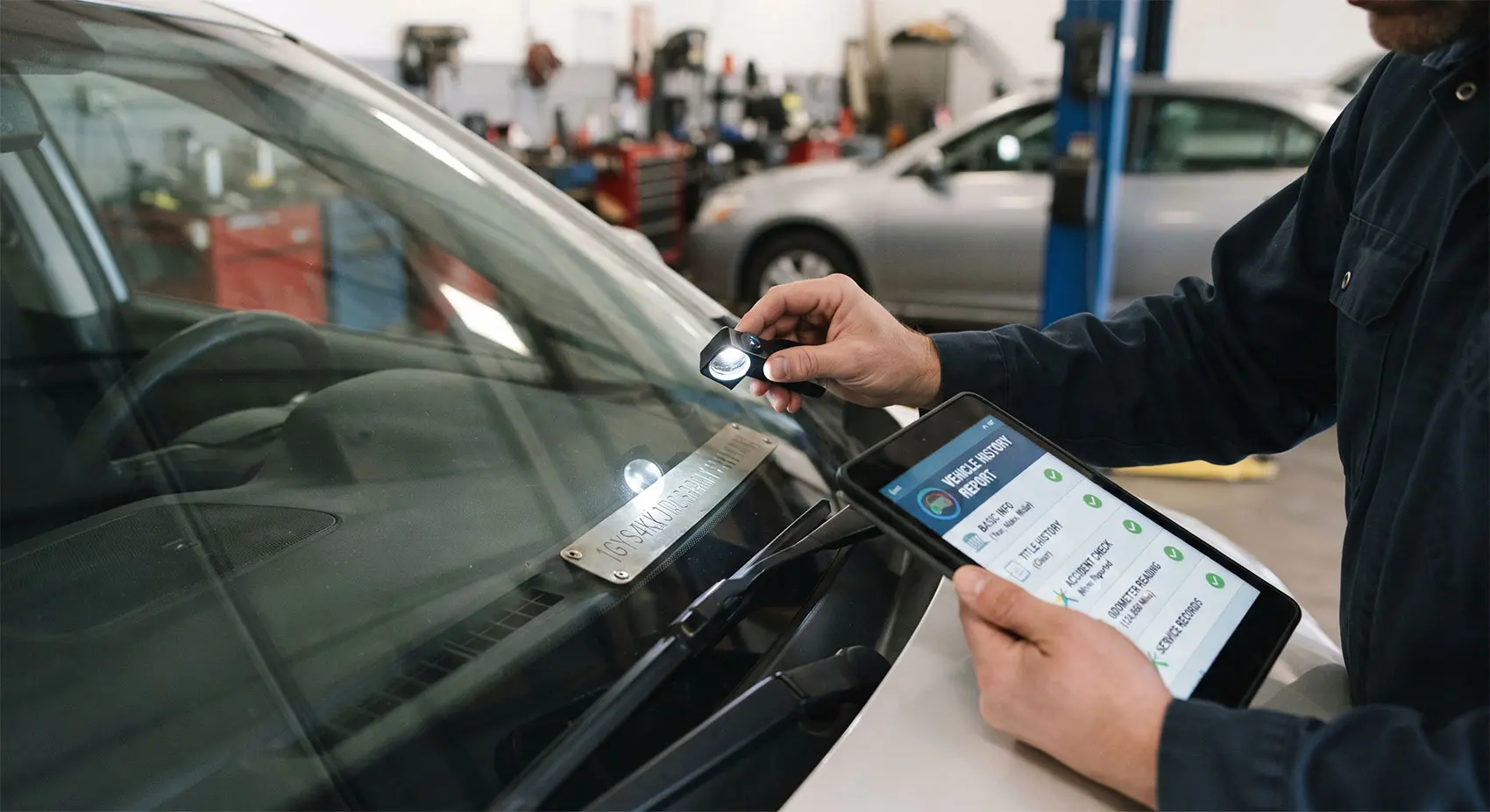
Locating and reading a vehicle's identification number is only the first part of the equation; verifying its accuracy across physical and digital records is where true protection happens. Knowing where to physically find the VIN on a vehicle ensures you can inspect multiple components to prevent missing a mismatch. The most common location is stamped on a small metal plate visible through the lower driver-side corner of the windshield from outside the car. Additionally, manufacturers place a federal certification label on the driver-side door jamb, which includes the full 17-digit VIN alongside gross weight ratings and production dates. For backup validation, always cross-reference these physical locations with paperwork such as the vehicle's title, current registration card, auto insurance policy documents, and original purchase invoices or service receipts.
Once you have recorded the exact 17-character sequence, you must leverage both free and paid digital verification tools to decode its history. Basic online VIN decoders instantly break down the manufacturer, engine layout, and assembly specifications, allowing you to confirm that the physical car matches its factory specs. However, to uncover accident history, salvage titles, lienholders, and previous state registrations, you need comprehensive reports from trusted databases. Government-backed systems like the National Motor Vehicle Title Information System offer affordable title checks, while commercial services like Carfax and AutoCheck provide deep chronological timelines of maintenance, inspection mileage, and ownership transfers. By systematically cross-referencing physical stampings with these digital registry databases, you eliminate blind spots and ensure total transparency before transferring any funds.
Real-World Case Studies: Saved by the VIN
Abstract warnings about hidden vehicle history often feel theoretical until you encounter real-world scenarios where decoding a 17-digit string spells the difference between an incredible automotive investment and a financial disaster. Consider the case of a buyer shopping for a late-model crossover utility vehicle. The exterior looked immaculate, the interior leather showed zero wear, and the private seller presented a clean printed document claiming single ownership. However, a meticulous buyer who decided to read and decode the VIN independently uncovered a discrepancy right at character position ten, which indicated a manufacturing year that clashed with the registration details. Further cross-referencing with a state title registry database revealed that the vehicle had actually been declared a total-loss salvage in a neighboring state following a severe flood, subsequently laundered through a title-washing scheme. The physical car had been re-badged with a fake plate, but the immutable core database entries exposed the truth before any money changed hands.
In a second compelling scenario, an enthusiast looking for a rare imported performance sedan nearly fell victim to a grey market specification mismatch. The seller advertised the car as fully compliant with domestic emissions and safety standards, pricing it attractively below market value. Before finalizing the wire transfer, the buyer checked the World Manufacturer Identifier within the first three digits of the VIN and discovered it originated from a foreign production plant explicitly built for overseas markets lacking domestic crash-test reinforcements. Had the buyer completed the transaction, registering the vehicle would have been legally impossible, resulting in thousands of dollars in fines or mandatory exportation. These real-world instances prove that treating the VIN as an active investigation tool rather than an administrative afterthought shields you from sophisticated fraud, deceptive title washing, and dangerous mechanical liabilities.
Conclusion
As you venture into the used vehicle marketplace, your greatest asset isn't a mechanical degree or a silver tongue capable of negotiating a lower price; it is the objective, unchanging truth encoded into a 17-digit string of numbers and letters. Throughout this guide, we have explored the intricate anatomy of the Vehicle Identification Number, from the World Manufacturer Identifier that traces a car back to its country of origin to the crucial security check digit designed to thwart fraudulent modifications. We have analyzed advanced modern red flags, such as digital odometer rollbacks masked in electronic instrument clusters, international grey market imports failing local compliance, and cunningly cloned identities assigned to stolen chassis. By understanding how to physically locate these stamps on dashboards and door jambs, and how to cross-reference them with rigorous digital databases like NMVTIS, Carfax, and AutoCheck, you effectively strip away the veil of uncertainty that unscrupulous sellers rely on.
Ultimately, mastering the art of the VIN inspection shifts the balance of power entirely back to you, the consumer. It prevents you from falling victim to washed salvage titles, hidden flood damage, and catastrophic financial liabilities disguised as pristine deals. Never allow high-pressure sales tactics, polished cosmetic detailing, or verbal assurances to rush your decision-making process. Make it an absolute rule never to transfer funds, sign bills of sale, or finalize an acquisition until you have independently decoded, verified, and authenticated the vehicle history yourself. A few minutes spent running a meticulous VIN check can save you thousands of dollars in hidden repair costs and shield you from years of legal and mechanical headaches.




Written by Kousar Shabbir
Published Sep 2, 2026 in Buying Guides.