When you see a sleek, meticulously engineered Audi, BMW, or Mercedes-Benz gliding down the highway, it projects a powerful image of success, sophistication, and an uncompromising taste for performance. For many automotive enthusiasts, owning a German luxury vehicle is the ultimate milestone. The plush leather seating, cutting-edge technology interfaces, and effortless high-speed stability create an intoxicating driving experience that standard economy cars simply cannot replicate. However, beneath the gleaming chrome, aggressive styling lines, and prestige badge lies a financial reality that catches many first-time buyers completely off guard.
The initial sticker price or a heavily depreciated used purchase price is frequently deceptive, acting merely as an entry ticket to a club with continuous, high-stakes membership dues. While the thrill of the drive is immediate, the financial commitment unfolds over years of ownership, often exposing owners to a cascade of hidden costs that can strain even a healthy bank account. From specialized maintenance demands and rapid asset depreciation to exorbitant repair bills and premium consumables, the true cost of European car ownership extends far beyond the monthly car payment or a standard oil change. Understanding these hidden financial traps is essential for anyone contemplating the leap into German luxury engineering, ensuring that your dream car does not inadvertently become a driveway anchor weighing down your financial freedom.
The Depreciation Trap: Why Luxury European Cars Plummet in Value
One of the most brutal financial shocks awaiting a first-time luxury European car owner is the sheer velocity of depreciation. While mainstream economy vehicles, particularly Japanese imports, tend to hold their residual value reasonably well over a 3-to-5-year window, high-end German sedans and SUVs follow a radically different economic trajectory. A brand-new Audi, BMW, or Mercedes-Benz can easily shed 30% to 40% of its sticker price within the first three years of ownership, and often lose half or more of its original value by year five. On paper, this creates a seductive illusion for used car buyers: you can walk onto a pre-owned lot and acquire a magnificent flagship sedan that originally retailed for $80,000 for a mere $30,000.
However, this massive drop in market value is not an accident or a quirk of the market; it is a calculated reflection of future risk. The second-hand market heavily discounts these vehicles because subsequent owners know they are inheriting complex, aging technology with astronomical maintenance liability. When a component fails on a five-year-old luxury vehicle, the replacement cost does not scale down proportionally with the car's current market value; it remains tied to the vehicle's original MSRP. Furthermore, luxury manufacturers constantly flood the market with aggressive lease incentives and updated model refreshes laden with new tech, artificially accelerating the obsolescence of older generations. Consequently, while buying a pre-owned European luxury car allows you to dodge initial depreciation, you inherit the full mechanical and financial brunt of maintaining a depreciated high-end asset, turning what feels like a bargain purchase into an ongoing financial commitment.
Maintenance and Service Realities: Dealership vs. Independent Specialists
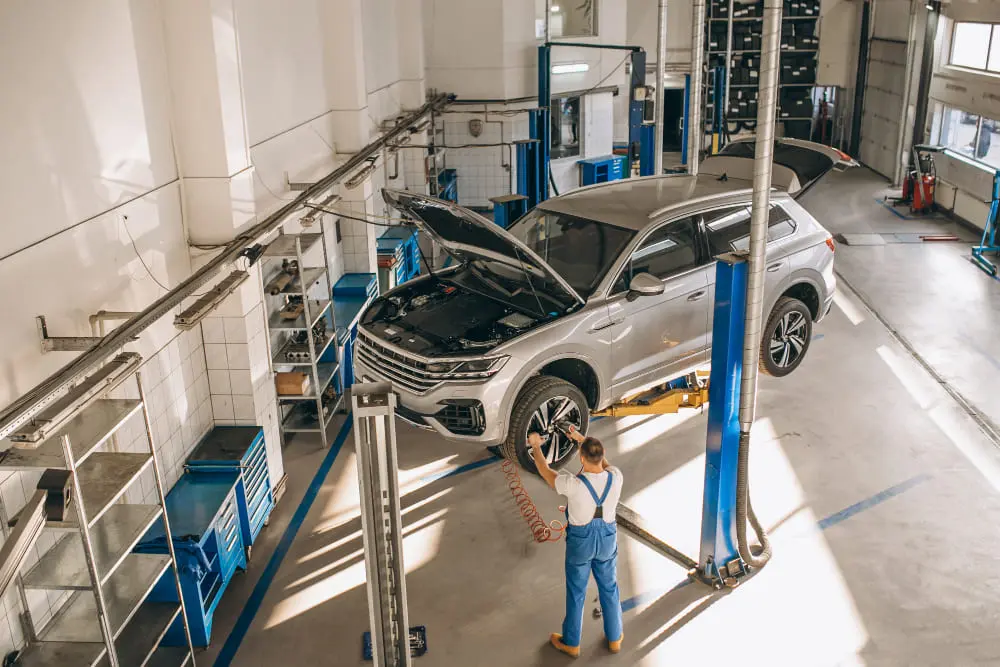
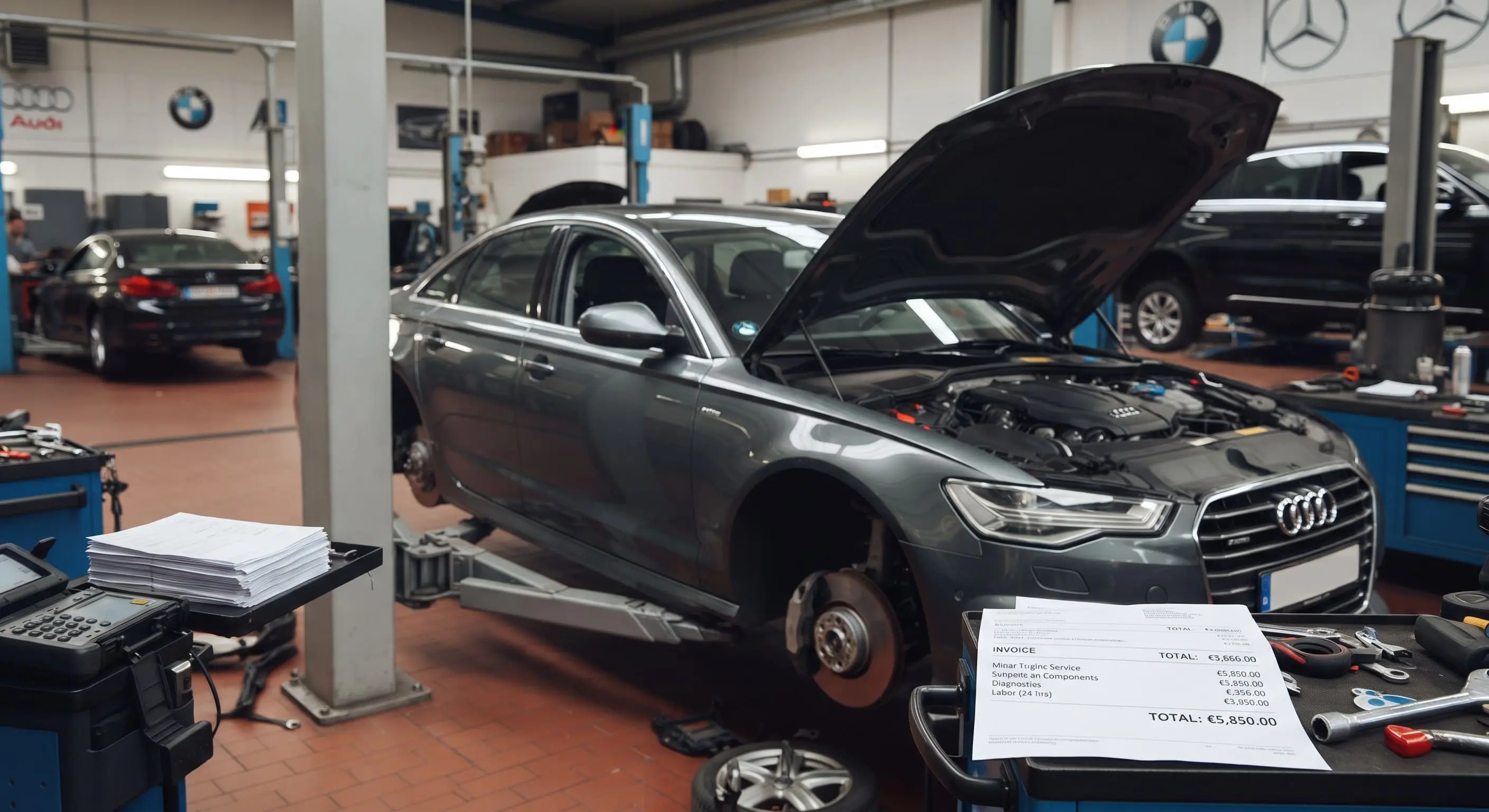
When the dashboard light finally illuminates, signalling a fault in your Audi, BMW, or Mercedes-Benz, a critical decision awaits: do you take the vehicle back to the authorized dealership or seek out an independent European car specialist? This choice dictates the financial trajectory of your maintenance experience. Dealership service centers boast factory-trained technicians, state-of-the-art proprietary diagnostic equipment, and direct access to original equipment manufacturer (OEM) parts. However, this level of corporate infrastructure comes with staggering overhead costs that are passed directly onto the consumer. Dealership labor rates frequently exceed $150 to $250 per hour depending on your geographic market, whereas standard independent shops might hover much lower. Moreover, dealerships often operate on a replacement-first philosophy rather than a component-level repair mindset, meaning a minor sensor failure can easily be billed as an entire wiring harness or module replacement.
Navigating the aftermarket versus OEM parts dilemma adds another layer of financial complexity. While aftermarket components can offer substantial savings, European vehicles are notoriously sensitive to non-OEM electronics, sensors, and fluid specifications. Using cheap aftermarket oil filters or incompatible coolant can trigger continuous check-engine lights or lead to premature mechanical failure. Independent European specialists bridge this gap by offering deep mechanical expertise and access to OEM-equivalent suppliers without the inflated hourly billing rates of a main dealership. However, even with an independent specialist, routine services such as transmission fluid flushes, brake rotor replacements, and spark plug changes on high-performance turbocharged engines require specialized tools and software resets that rule out standard DIY weekend projects or budget-friendly general mechanics. Mastering service strategy is the single most effective way to mitigate the bleeding caused by routine upkeep.
Common Mechanical and Electronic Money Pits
While routine oil changes and brake services are expected expenses, the true financial peril of European car ownership lies in sudden mechanical and electronic catastrophic failures. German engineering is world-renowned for pushing the absolute boundaries of performance, efficiency, and technological integration, but this pursuit of excellence often results in extraordinary mechanical complexity. For instance, many modern Audi, BMW, and Mercedes-Benz models utilize intricate air suspension systems, multi-link aluminum control arms, and high-pressure direct-injection turbochargers. Over time, rubber bushings degrade, air struts leak, and carbon buildup chokes intake valves. When an air suspension compressor burns out, or a timing chain guide fails buried deep at the back of a tightly packed engine bay, the repair bill can easily soar into the thousands of dollars simply due to the labor-intensive teardown required to access the faulty part.
Compounding these mechanical vulnerabilities is the staggering proliferation of modern automotive electronics. Contemporary luxury vehicles are essentially rolling supercomputers, packed with dozens of networked electronic control units (ECUs), advanced driver-assistance systems (ADAS), panoramic sunroof modules, and sensitive fiber-optic infotainment networks. Unlike mechanical parts that wear down gradually, electronic components can fail unpredictably, plunging the vehicle into a limping "safe mode" with minimal warning. Diagnosing these complex electrical gremlins requires factory-level software, hours of diagnostic troubleshooting, and often the replacement of entire expensive modules rather than simple soldered fixes. As these vehicles age past the five-to-seven-year mark, electrical glitches and sensor failures become a recurring tax on ownership, turning minor dashboard warnings into expensive troubleshooting odysseys.
Insurance, Fuel, and Consumables: The Everyday Overhead
Beyond unpredictable repairs and catastrophic part failures, the day-to-day cost of keeping a European luxury car on the road introduces a steady, compounding financial drain. Insurance premiums for vehicles bearing an Audi, BMW, or Mercedes-Benz badge are notoriously steep compared to mainstream alternatives. Insurers categorize these cars as high-risk assets due to expensive replacement parts, specialized collision repair requirements, and the statistical likelihood that repair costs following even a minor fender-bender will run exponentially higher. Furthermore, the high-performance engines humming beneath those sculpted hoods are rarely designed to run on standard regular-grade fuel. Premium gasoline (91 octane or higher) is a strict requirement for almost all modern turbocharged European imports, meaning every trip to the gas station carries a mandatory 15% to 20% fuel cost surcharge over economy cars.
Consumables present yet another financial hurdle that catches everyday drivers off guard. German performance vehicles are heavy, powerful, and precision-tuned, which translates to aggressive wear and tear on tires and brakes. A set of high-performance Z-rated tires on a staggered wheel setup can easily cost upwards of $1,200 to $2,000 to replace, and due to camber alignment settings and softer rubber compounds, they often wear out much faster than standard commuter tires. Similarly, brake service intervals require specialized high-friction pads and soft rotors designed to be replaced together, rather than turned down, turning a routine brake pad change into a hefty four-figure shop visit. When you stack insurance hikes, premium fuel consumption, and fast-wearing consumables, the everyday overhead proves that luxury performance demands a permanent premium long after you leave the showroom floor.
Smart Ownership Strategies: How to Enjoy a European Car Without Going Broke
Owning a luxury European vehicle does not have to be an exercise in financial self-destruction, provided you approach ownership with strategic discipline and proactive planning rather than reactive panic. The single most important financial safeguard you can implement is forging a relationship with a reputable, independent European specialist mechanic before your car ever experiences a major issue. Dealership service centers have their place for warranty claims or deeply complex proprietary software flashing, but independent specialists offer the same level of factory-trained diagnostic precision at a fraction of the labor cost. Furthermore, a good independent shop will often look for creative, component-level repair solutions rather than instantly slapping you with a multi-thousand-dollar quote to replace an entire assembly.
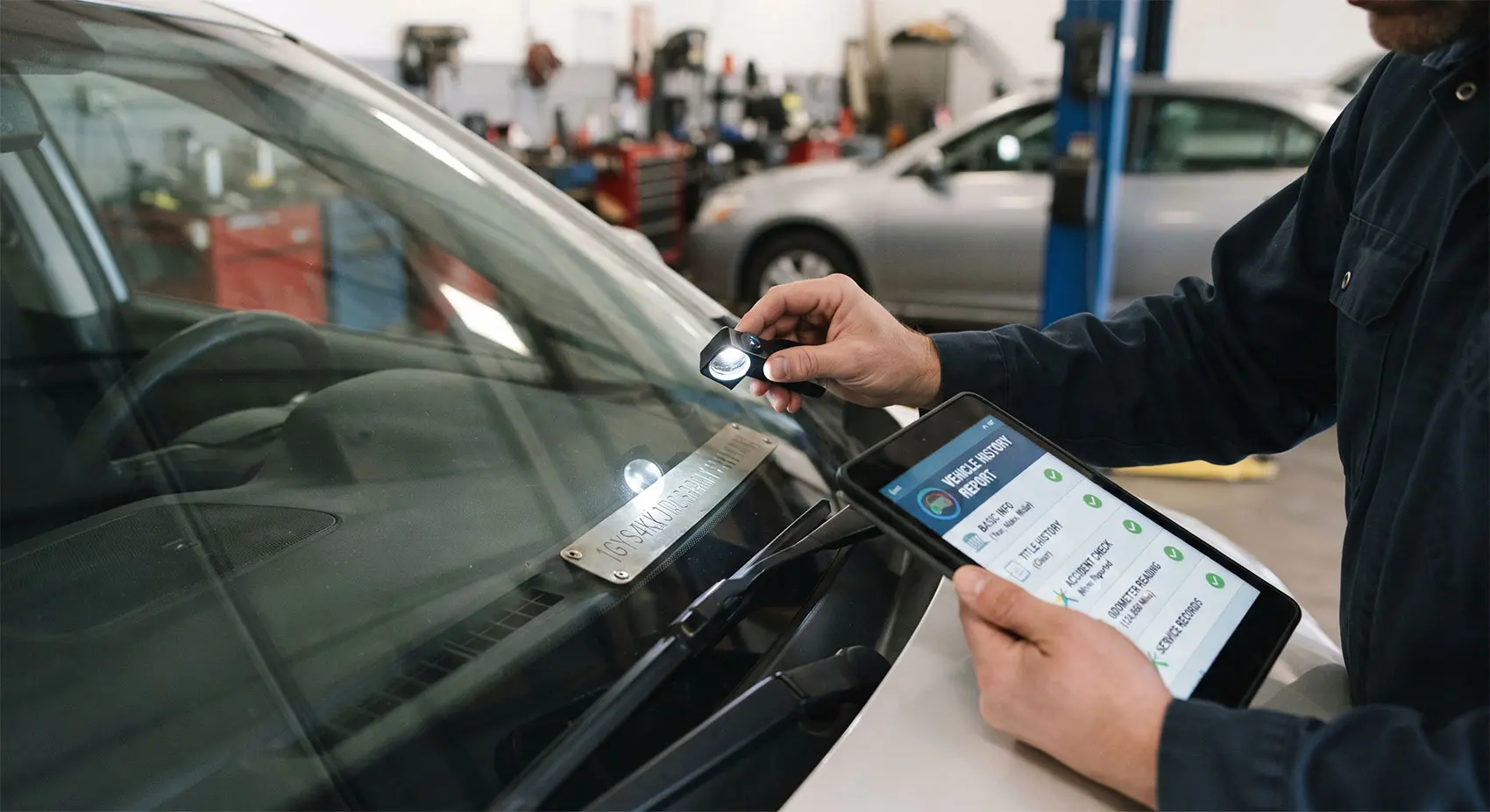
Beyond choosing the right mechanic, successful European car ownership relies heavily on strict preventative maintenance discipline and financial buffering. Skipping or delaying oil changes, ignoring minor coolant leaks, or waiting until a suspension component completely fails will only multiply repair costs exponentially due to the cascading strain placed on surrounding precision parts. Establishing a dedicated maintenance fund, setting aside a small amount each month specifically for future upkeep, transforms sudden, shocking repair bills into manageable, anticipated expenses. Savvy owners also leverage pre-purchase inspections, comprehensive service history records, and targeted third-party warranty programs tailored specifically for high-end imports. By embracing these proactive strategies, you can protect your investment, maintain peak performance, and truly enjoy the unmatched engineering brilliance of an Audi, BMW, or Mercedes-Benz without letting hidden costs drain your financial peace of mind.
Conclusion
Stepping into the world of German automotive engineering is undeniably intoxicating. The moment you drop into the driver’s seat of an Audi, BMW, or Mercedes-Benz, you are enveloped in a level of luxury, precision handling, and sophisticated styling that few mainstream cars can match. However, as we have explored throughout this breakdown, the true cost of owning a European luxury vehicle extends far beyond the dealership sticker price or a manageable monthly loan payment. The combination of rapid initial depreciation, specialized dealership labor rates, complex electronic architecture, and high-frequency maintenance consumables creates a financial ecosystem that demands respect, preparation, and proactive discipline.
Ultimately, owning a European luxury car does not have to be an exercise in financial regret, but it does require a mindset shift. If you approach ownership blindly, treating maintenance as an afterthought or relying on budget mechanics to save a quick dollar, the hidden costs will inevitably mount, turning your dream car into a stressful liability. Conversely, by establishing a relationship with a trusted independent specialist, setting aside a dedicated maintenance fund, and practicing rigorous preventative care, you can successfully mitigate these financial hurdles. For the enthusiast who values performance, engineering excellence, and automotive prestige, the hidden costs are simply the price of admission to a truly superior driving experience, provided you are financially armed and ready for the journey.




Written by Kousar Shabbir
Published Sep 4, 2026 in Buying Guides.