
Every electric SUV comes with an official range number printed on the window sticker. It looks simple. It looks trustworthy. But ask any EV owner, and they will tell you the same thing. The number on the sticker is rarely the number you see on the road.
This is why real-world range tests matter so much right now. Automakers are launching new electric SUVs every few months, and buyers want to know one simple thing before they spend their money. How far can this car actually go on a single charge, in normal driving, in normal weather, with the air conditioning or heater running like any other day?
In this article, we will break down how real-world range testing works, what the latest electric SUVs have actually achieved when tested this way, and how you can get closer to the advertised range in your own daily driving. If you are shopping for an electric SUV, or you already own one and want to understand your numbers better, this guide is for you.
Range anxiety used to be the number one reason people avoided going electric. That fear is fading fast, but only for buyers who know how to read the right numbers. A sticker figure tells you almost nothing about how a car behaves on a cold morning commute or a long weekend drive. A real-world test tells you almost everything.
Why EPA Range Numbers Do Not Tell the Full Story
The range figure you see on a spec sheet comes from a laboratory test, not a road trip. That single detail explains most of the confusion drivers feel when their electric SUV does not match the sticker.
How the EPA Test Works
The EPA range rating is created using controlled dynamometer testing, where the vehicle runs on rollers indoors under specific speed and temperature conditions. It is a useful number for comparing cars against each other on a level playing field, but it does not fully reflect how people actually drive. Steady lab conditions cannot account for real hills, real traffic, real wind, or a driver who occasionally likes to accelerate quickly onto the highway.
What Changes in Everyday Driving
Once a car leaves the lab and enters the real world, several factors start to eat into that advertised range. Highway speeds above 65 mph increase air resistance dramatically, which affects electric vehicles more than gas cars because they lack a multi-speed transmission to improve efficiency at speed. Cold weather forces the battery and cabin heater to work harder. Hilly terrain, cargo weight, tire choice, and even how aggressively someone accelerates all pull the actual number away from the sticker. Some electric SUVs handle these variables well and land close to or even above their rated range. Others fall noticeably short.
This is also why two owners of the exact same electric SUV can report very different range experiences online. One driver mostly cruises on flat suburban roads at moderate speed, while another spends most of their week on a hilly highway commute with the heater running. Both experiences are valid; they simply reflect how differently range behaves outside of a controlled lab.
How Real World Range Tests Are Done
To get past the marketing numbers, independent testers have developed their own range-testing methods that try to replicate how ordinary people actually drive an SUV week to week.
The Test Route and Conditions
One of the most respected methods is the Edmunds EV Range Test. Instead of driving on the freeway at a constant 70 mph until the battery dies, this test follows a route made up of 60 percent city driving and 40 percent highway driving, with an average speed of 40 mph, since this better reflects the actual driving most buyers do day to day. Testers also stay within 5 mph of posted speed limits, drive each SUV in its most efficient setting, and keep the climate control on auto at 72 degrees rather than turning it off to inflate the result.
What Testers Measure Besides Miles
A good range test does not stop at the final mileage number. Testers also record how much energy the SUV actually used, measured in kilowatt-hours per 100 miles, and compare that against the EPA's own efficiency rating. This tells buyers something the range number alone cannot. A car might land close to its rated range simply because it has a larger battery, even if its efficiency is mediocre. Efficiency is the number that really shows how well engineered an electric SUV is, since it works the same way fuel economy does for a gas car. The lower the energy use per 100 miles, the better the vehicle is at turning battery power into distance.
Why This Matters for Buyers Comparing Models
If you are cross-shopping two electric SUVs with similar advertised range, checking their real-world test results and efficiency numbers side by side is one of the smartest things you can do before signing paperwork. A larger battery with poor efficiency and a smaller battery with excellent efficiency can end up delivering a very similar real-world driving distance, but the more efficient SUV will usually cost less to charge over the life of the vehicle and may also charge faster from empty to full.
What the Latest Electric SUVs Achieved in Real-World Testing
So how are the newest electric SUVs actually performing once they leave the lab and hit a real road? The results from recent testing rounds are genuinely encouraging, and in several cases the real-world number beat the sticker.
Highway and Mixed Driving Results
The 2026 Toyota bZ XLE Plus beat its EPA-estimated range by 17 miles in Edmunds' real-world testing, covering 331 miles on a single charge, although it still finished short of the Front Wheel Drive Chevy Equinox EV, which drove 356 miles, and the Tesla Model Y Standard, which drove 337 miles. The bZ still ranked ahead of many other competitors tested that day.
Luxury electric SUVs have shown even bigger gaps between sticker and reality. The 2026 Mercedes-Benz EQE 320+ SUV went 349 miles in the Edmunds test, topping its EPA-estimated 302-mile range by 47 miles, a roughly 16 percent advantage that matters for buyers who want a luxury electric SUV able to handle long days without a midweek charge.
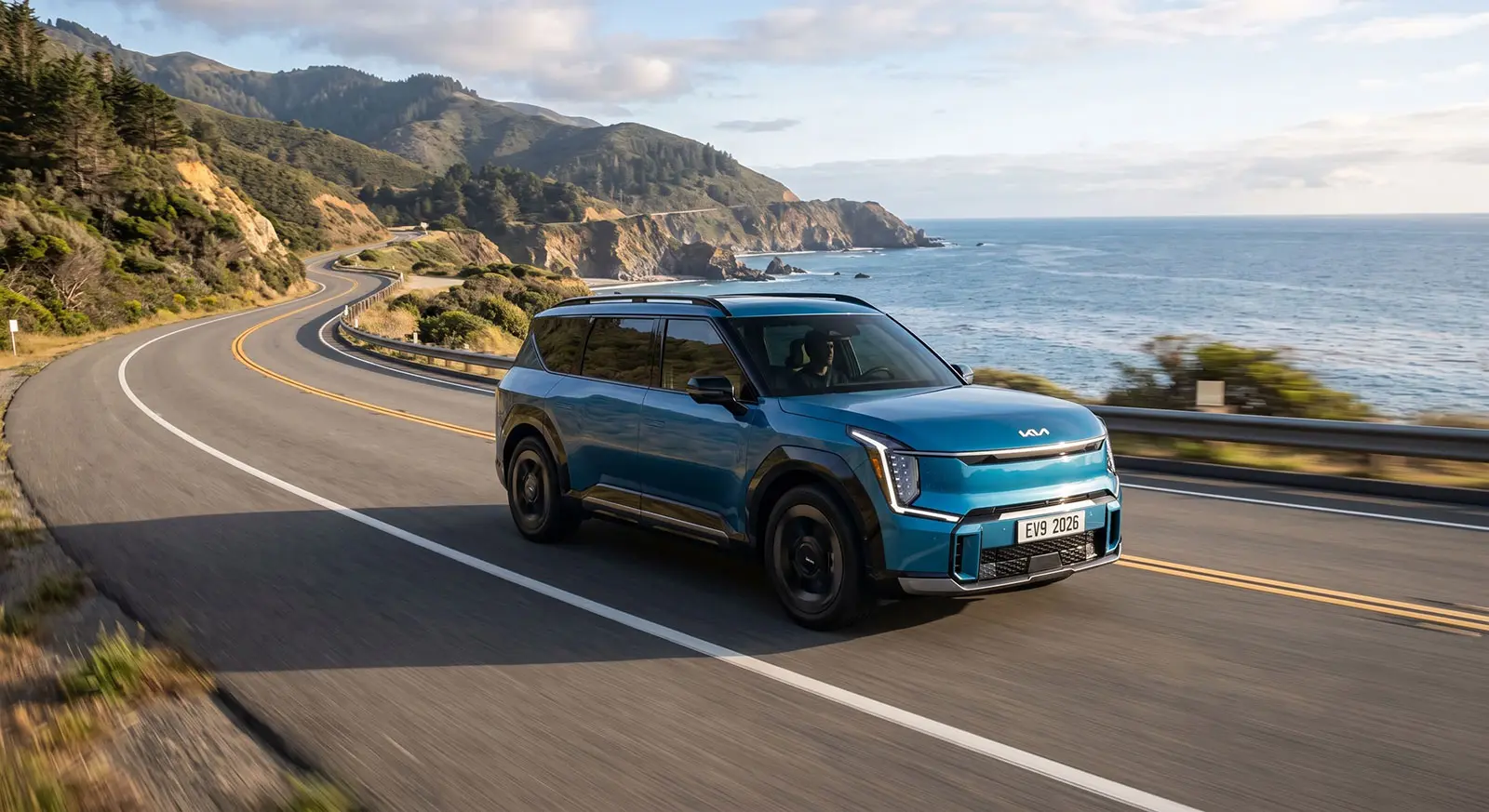
Three-row electric SUVs have made strong progress too. The Hyundai Ioniq 9 posted an 8.4 out of 10 score, the highest of any vehicle in Edmunds entire 2026 electric SUV rankings, combining roomy three-row seating, ample cargo space, and rapid recharging in a single package that also exceeded its EPA range estimate during real-world testing. Its close mechanical relative, the Kia EV9, shares the same 800V platform and similar range and charging speed, though the newer Ioniq 9 edges it slightly on real world range in the Edmunds test.
Efficiency Numbers Worth Knowing
Range is only half the picture, and efficiency tells the rest of the story. The Toyota bZ consumed 23.3 kWh of electricity per 100 miles during testing, an 11.4 percent improvement over its EPA rating of 26 kWh per 100 miles. The Mercedes EQE SUV used 31.2 kWh per 100 miles against an EPA rating of 36 kWh, roughly 13 percent better than expected, working out to about 3.2 miles per kilowatt-hour for a luxury family SUV that weighs over 5,300 pounds. These numbers matter because a smaller efficiency gap means fewer surprises at the charging station.
Cold Weather and Real Life Conditions
Not every result is a win for the automakers. Independent testing shows that aerodynamic SUVs can achieve 92 to 95 percent of their EPA estimate on the highway, while boxier, less aerodynamic models can drop to only 75 to 80 percent of their rating. Cold weather adds another layer on top of this. Heating the cabin and warming the battery both draw power directly from the same pack used for driving, which is why many owners notice a bigger range drop in winter than any other season. This is normal for electric vehicles and is not usually a sign that something is wrong with the car.
Tips to Get the Most Range From Your Electric SUV
Whether your electric SUV is beating its sticker number or falling a bit short, there are simple habits that can noticeably improve the range you actually get from every charge.
Driving Habits That Matter
Slowing down even slightly on the highway makes a real difference, since air resistance increases sharply as speed rises. Using the SUV's most efficient drive mode instead of sport mode, easing off hard acceleration, and relying on regenerative braking instead of the brake pedal whenever possible all help stretch range. Keeping tire pressure at the recommended level also matters more than most drivers realize, since underinflated tires increase rolling resistance and quietly reduce range over time.
Charging and Battery Care
Preconditioning the cabin and battery while the SUV is still plugged in, rather than after unplugging it, saves range because the energy comes from the wall instead of the battery. Avoiding regularly charging to 100 percent unless preparing for a long trip, and avoiding letting the battery sit near empty for long periods, both support long-term battery health. With modern DC fast chargers now capable of adding 250 to 300 kilometers of range in about 15 minutes, planning charging stops around meals or rest breaks rather than treating them as dead time makes road trips in an electric SUV far less stressful.
Planning Around Weather and Terrain
Before a long trip, it helps to check the weather forecast and route elevation the same way you would check traffic. If the drive includes a cold morning start, extended highway stretches, or a mountain pass, it is smart to plan for a real-world range that is somewhat lower than the sticker number rather than assuming you will hit it exactly. Many electric SUVs today also come with built-in trip planning software that automatically suggests charging stops based on live battery data and elevation changes, which takes much of the guesswork out of long-distance travel.
Conclusion
The real story behind electric SUV range is more encouraging than many buyers expect. Several of the newest models are not just meeting their EPA numbers; they are beating them, thanks to better aerodynamics, smarter software, and more efficient motors. At the same time, real-world testing proves that conditions still matter. Highway speed, cold weather, vehicle shape, and driving style can all move the final number up or down by a wide margin.
If you are shopping for an electric SUV, do not rely on the sticker alone. Look for independent real-world range tests, compare efficiency numbers in kWh per 100 miles, and think honestly about your own driving habits and climate. That combination will give you a far more accurate picture of how far your next electric SUV will actually take you, long after it leaves the dealership lot.

Written by Kousar Shabbir
Published Sep 15, 2026 in Car Reviews.