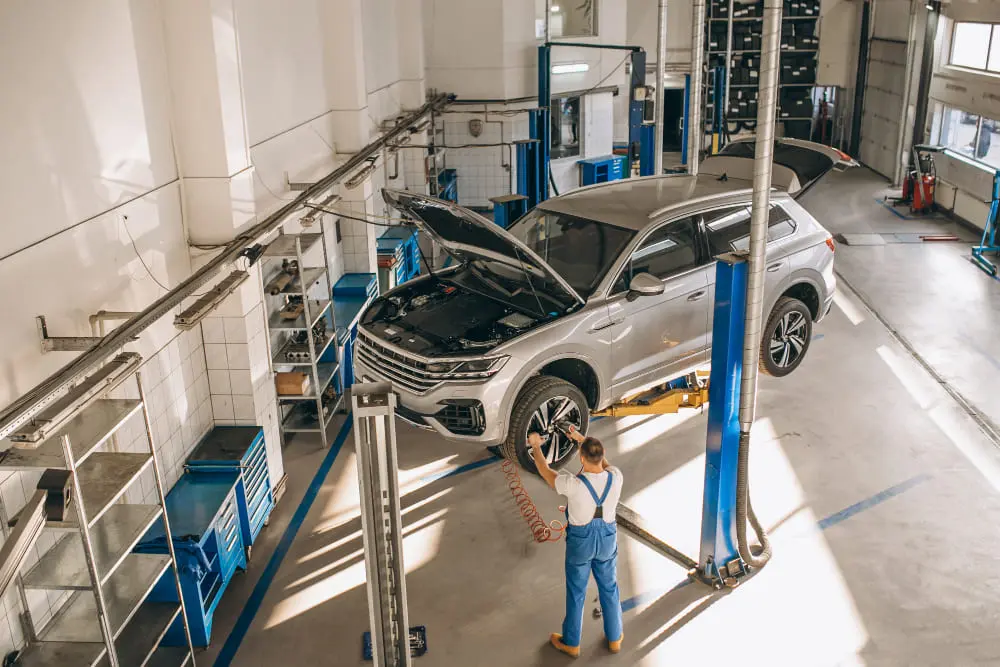

The automotive landscape is once again gripped by a quiet panic. Dealership lots, which briefly enjoyed a semblance of stability following the chaos of the early 2020s, are showing unmistakable signs of thinning out. For millions of buyers and industry insiders, a profound sense of déjà vu has settled in. We are witnessing the sequel to the global microchip shortage: a crisis that threatens to choke new-vehicle inventory, drive prices upward, and stall production lines worldwide.
To the casual observer, the initial wave of supply chain disruptions peaked years ago, leading many to believe that semiconductor manufacturers and automakers had successfully fortified their pipelines. However, the 2026 microchip crunch operates under entirely different rules. While the first wave crippled production primarily through shortages of basic microcontrollers the simple chips responsible for rudimentary dashboard displays and window switches this new chapter targets advanced AI-enabled semiconductors, power management integrated circuits (PMICs), and complex multi-node architecture required for modern electric vehicles, autonomous safety systems, and connected infotainment packages.
The consequences are rippling rapidly from fabrication plants in East Asia to showroom floors worldwide. Automakers are once again forced to halt assembly lines, reduce factory shifts, and strip non-essential tech features from incoming models just to keep vehicles rolling off the line. For consumers hoping to purchase a new car, truck, or SUV, this means longer wait times, fewer dealer incentives, and the troubling return of market adjustments and inflated markups. Understanding why inventory is slipping again requires looking beneath the sheet metal to examine the fragile, highly specialized web of modern automotive manufacturing.
Anatomy of the 2026 Microchip Crunch
The semiconductor industry has undergone a radical transformation since the peak of the initial pandemic-era supply chain crunch, yet the structural vulnerabilities that caused the first crisis have only mutated. To understand why new car inventory is slipping once again, one must look beyond basic silicon and examine the modern vehicle as an ultra-complex computer on wheels. Today's vehicles rely heavily on advanced semiconductor nodes often ranging from 5-nanometer to 28-nanometer chips, which are required for advanced driver-assistance systems (ADAS), battery management controllers in electric vehicles, and high-definition digital cockpits.
Unlike the simpler microcontrollers that choked assembly lines in 2021, these advanced nodes are produced by a very small group of high-tech fabrication foundries concentrated in specific geopolitical flashpoints, primarily Taiwan, South Korea, and localized facilities in Europe and the United States. When localized disruptions occur, ranging from grid instability and environmental hurdles to geopolitical tensions and surging competing demands from the consumer electronics and artificial intelligence sectors, automakers find themselves pushed to the back of the queue. Foundry capacity is finite, and chipmakers naturally gravitate toward sectors offering higher margins per wafer, leaving automotive-grade chip allocations vulnerable to sudden cutbacks.
Furthermore, the manufacturing ecosystem is bound by grueling lead times. Fabricating a modern automotive semiconductor is a multi-month endeavor involving complex chemical etching, photolithography, rigorous safety testing, and packaging. Even a minor disruption anywhere along this supply chain creates a cascading bottleneck that halts final vehicle assembly. Automakers cannot simply swap a specialized power management integrated circuit (PMIC) or an infotainment processor with an off-the-shelf alternative without undergoing months of safety validation and regulatory re-certification. As a result, when fabrication plants experience output slowdowns, shockwaves hit assembly lines worldwide, starving dealerships of the fresh inventory they desperately need.
Furthermore, in parallel with structural supply chain changes, engineering teams are deploying creative technical workarounds to keep assembly lines moving during acute component deficits. When specialized power management integrated circuits or high-end infotainment processors face severe backlogs, manufacturers are increasingly utilizing software-defined design adjustments. This involves engineering flexible electrical architectures that can accommodate alternative chip variations with minimal hardware redesign, or temporarily "de-featuring" non-essential electronics such as wireless charging pads, touch-screen gesture controls, or advanced seat adjustment modules with the intention of retrofitting them later once component supplies normalize. These adaptive measures reflect a maturing industry learning to engineer resilience directly into the vehicle's DNA.
The Ripple Effect on New Car Inventory and Dealership Lots
The cascading delays originating from semiconductor foundries have manifested rapidly on dealership lots, reversing the fragile inventory gains accumulated over the past year. Industry metrics indicate a sharp contraction in days' supply across key automotive segments, with regional disparities widening as manufacturers prioritize high-margin allocations. Dealerships that once maintained healthy buffer stocks of popular models are once again confronting sparse lots, lengthening delivery schedules, and dwindling choices for walk-in buyers.
Certain vehicle categories bear the brunt of this shortage more severely than others. Highly electrified platforms including battery electric vehicles (BEVs) and complex plug-in hybrids (PHEVs) require nearly double the semiconductor content of traditional internal combustion engine (ICE) vehicles, particularly advanced power electronics and microcontrollers dedicated to battery thermal management. Consequently, EV assembly lines have faced disproportionate slowdowns. Tech-heavy luxury SUVs and mid-size sedans equipped with comprehensive Advanced Driver Assistance Systems (ADAS), multi-screen infotainment arrays, and automated parking modules are similarly stalled in factory queues.
For consumers, these manufacturing bottlenecks translate directly to a diminished shopping experience. The era of customized lot browsing is giving way to restricted trim availability, where mid-tier and luxury packages are frequently backordered for months. Automakers have responded to semiconductor rationing by streamlining production configurations, forcing buyers to accept pre-packaged trim bundles or join protracted factory order waitlists. As supply tightens further, the foundational dynamics of vehicle retail are shifting back toward a seller's market, fundamentally altering how dealerships manage turnover and customer expectations.
Economic Impacts: Pricing, Markups, and Consumer Behavior
The financial reality of a constrained microchip supply changes the equation entirely for both dealerships and car buyers. When inventory tightens, the fundamental laws of supply and demand reassert themselves with swift and painful precision. Dealerships, facing an acute shortage of fresh arrivals, are once again tempted to reintroduce market adjustments and steep markups over MSRP, effectively pricing out budget-conscious consumers. Meanwhile, the lucrative array of buyer incentives, promotional lease rates, and cash-back rebates that typically characterize a stable market evaporates, leaving buyers to absorb higher financing costs in a macroeconomic environment already characterized by elevated interest rates.
This financial squeeze has triggered a noticeable shift in consumer psychology and automotive purchasing behavior. Rather than competing in bidding wars for scarce new inventory on dealer lots, a growing segment of buyers is opting to hold onto their existing vehicles significantly longer, driving up demand for routine maintenance, replacement parts, and aftermarket repairs. For those who absolutely must purchase a vehicle, the spotlight has shifted toward reliable used cars or certified pre-owned (CPO) alternatives, which in turn places upward pressure on pre-owned vehicle pricing.
Furthermore, prospective new car buyers are encountering severe friction when attempting to secure vehicle financing. Lenders are exercising heightened caution as vehicle depreciation curves fluctuate unpredictably under the weight of artificial market inflation. Buyers who commit to protracted factory order waitlists must also navigate the anxiety of shifting interest rates and long delivery horizons. Ultimately, the economic impact of the microchip shortage sequel extends far beyond manufacturing floors, creating a ripple effect that reshapes household budgets and dampens discretionary spending across the broader consumer landscape.
Future Outlook: When Will Inventory Stabilize?
Navigating the turbulent waters of the 2026 automotive market leaves both consumers and industry analysts searching for a definitive timeline toward normalcy. While the initial microchip shortage of the early 2020s caught global supply chains entirely off guard, the current sequel finds manufacturers, foundries, and policymakers better prepared to mitigate systemic shocks even if the underlying engineering complexities prevent an overnight fix. Industry projections suggest that while acute fab bottlenecks for advanced nodes and power management integrated circuits will persist through the remainder of 2026, relief is slowly taking shape on the horizon.
A major driver of long-term stabilization involves the aggressive expansion of semiconductor fabrication capacity across North America, Europe, and alternative hubs in Southeast Asia. Billions of dollars in public and private investments, kickstarted by legislative frameworks like the CHIPS Act and international equivalents, are finally bearing fruit as new cleanrooms come online. However, automotive-grade chips require rigorous, time-consuming safety certifications and specialized manufacturing lines that cannot be rapidly repurposed from consumer electronics fabrication. Consequently, full supply chain equilibrium is anticipated to materialize gradually through 2027, as foundry yields scale up and automakers successfully transition to more flexible, multi-sourced electrical architectures.
Ultimately, the microchip shortage sequel serves as a permanent turning point for the automotive industry, signaling the end of the fragile "just-in-time" supply chain era. Automakers are embracing a resilient, long-term paradigm where direct foundry partnerships, localized component sourcing, and software-defined vehicle designs become standard operating procedure. For buyers, patience and strategic planning will remain essential virtues while the market recalibrates. As production lines adapt to the realities of modern automotive technology, showroom floors will eventually see a return to healthy inventory levels, healthier competition, and a more stable purchasing environment.
Conclusion & Strategic Outlook
Navigating the turbulent waters of the 2026 automotive market leaves both consumers and industry analysts searching for a definitive timeline toward normalcy. While the initial microchip shortage of the early 2020s caught global supply chains entirely off guard, the current sequel finds manufacturers, foundries, and policymakers better prepared to mitigate systemic shocks even if the underlying engineering complexities prevent an overnight fix. Industry projections suggest that while acute fab bottlenecks for advanced nodes and power management integrated circuits will persist through the remainder of 2026, relief is slowly taking shape on the horizon.
A major driver of long-term stabilization involves the aggressive expansion of semiconductor fabrication capacity across North America, Europe, and alternative hubs in Southeast Asia. Billions of dollars in public and private investments, kickstarted by legislative frameworks like the CHIPS Act and international equivalents, are finally bearing fruit as new cleanrooms come online. However, automotive-grade chips require rigorous, time-consuming safety certifications and specialized manufacturing lines that cannot be simply repurposed from consumer electronics fabrication. Consequently, full supply chain equilibrium is anticipated to materialize gradually through 2027, as foundry yields scale up and automakers successfully transition to more flexible, multi-sourced electrical architectures.
Ultimately, the microchip shortage sequel serves as a permanent turning point for the automotive industry, signaling the end of the fragile "just-in-time" supply chain era. Automakers are embracing a resilient, long-term paradigm where direct foundry partnerships, localized component sourcing, and software-defined vehicle designs become standard operating procedure. For buyers, patience and strategic planning will remain essential virtues while the market recalibrates. As production lines adapt to the realities of modern automotive technology, showroom floors will eventually see a return to healthy inventory levels, healthier competition, and a more stable purchasing environment.




Written by Kousar Shabbir
Published Sep 4, 2026 in Auto News.