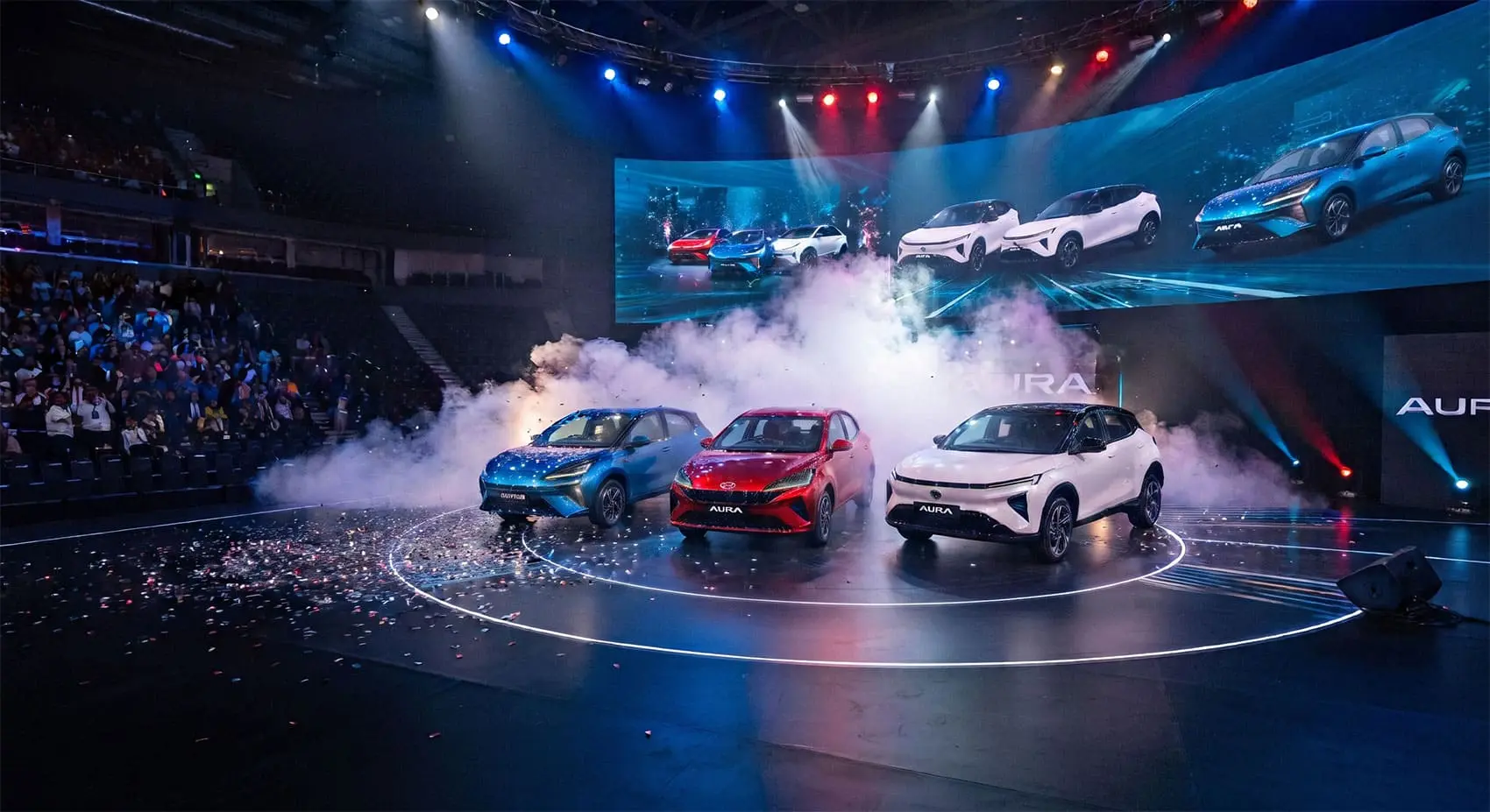
The automotive landscape is undergoing its most radical transformation in a century. As we navigate through the latter half of 2026, the traditional boundaries between luxury, performance, and everyday utility are blurring faster than ever before. For enthusiasts and prospective buyers alike, waiting for the latest car models arriving soon is no longer just about horsepower figures and traditional fuel economy; it is about embracing a technological ecosystem that redefines how we interact with our vehicles.
The massive shift toward electrification, high-performance hybrids, and next-generation smart cabins has completely re-engineered what manufacturers are bringing to showroom floors. Legacy automakers are pushing their engineering limits, while pure-play electric vehicle pioneers are refining their production techniques to deliver unprecedented efficiency, ultra-fast charging architectures, and immersive digital interiors.
Furthermore, consumer expectations have evolved significantly. Modern drivers demand seamless smartphone integration, predictive artificial intelligence assistants, Level 3 autonomous safety features, and sustainable interior materials without sacrificing tactile driving dynamics. As global supply chains stabilize and next-generation battery cell chemistry scales commercially, automakers can roll out features that were once reserved for ultra-expensive concept cars directly into mainstream production lines.
In this comprehensive roundup, we will dive deep into the most anticipated car launches coming later this year. From breakthrough electric vehicle flagships and high-performance track-ready sports cars to sophisticated hybrid family SUVs, we explore what makes each of these upcoming vehicles special, what their expected release timelines look like, and how they stack up against the competition. Whether you are planning your next major automotive investment or simply tracking the bleeding edge of engineering innovation, here is everything you need to know about the upcoming vehicle releases shaping the remainder of the year.
The Electric Vehicle Revolution Heats Up
The shift toward zero-emission driving is no longer just about meeting environmental targets; it is about delivering performance, efficiency, and everyday utility that traditional internal combustion engines simply cannot match. Leading the charge in the second half of the year are revolutionary flagships that redefine battery efficiency, digital integration, and daily usability. Automakers have moved past the experimental phase of electrification, focusing instead on mainstream viability, superior battery chemistry, and driving dynamics that appeal to both eco-conscious drivers and die-hard performance enthusiasts.
-
Next-Generation EVs Arriving Soon: Headlining showroom floors is the highly anticipated BMW Neue Klasse i3. Built from the ground up on a dedicated electric architecture rather than a modified fuel platform, this sleek executive sedan brings futuristic styling, a spacious digital cockpit, and advanced driver-assistance features directly to buyers. Alongside it, premier brands like Porsche are preparing to push track capabilities deep into the electric era with models like the eagerly awaited 718 Cayman EV. These vehicles successfully bridge the gap between iconic sports car handling and silent, instantaneous propulsion, proving that electrification enhances driving character rather than diluting it.
-
Battery Range and Ultra-Fast Charging: Range anxiety is rapidly becoming a thing of the past thanks to major hardware breakthroughs. Upcoming models are adopting advanced 800-volt electrical architectures that allow drivers to plug into high-power DC fast chargers and recover hundreds of miles of driving range in roughly the time it takes to grab a cup of coffee. Enhanced energy-density cells also mean lighter battery packs, improved thermal management, and longer highway legs between mandatory stops, transforming electric vehicles into true long-distance tourers.
-
Pricing, Market Impact, and Release Windows: Production lines for these flagship electric vehicles are scheduled to ramp up heading into the autumn months, with initial customer deliveries expected to follow closely. While premium launch pricing naturally reflects their cutting-edge technology and early adoption status, broader platform sharing across corporate parent companies is expected to bring entry barriers down for everyday buyers over the upcoming model cycles, democratizing access to next-generation mobility.
High-Performance Sports Cars and Track Icons
For driving enthusiasts, the second half of the year brings a thrilling wave of high-performance sports cars and track-focused machines that push the absolute limits of modern automotive engineering. Traditional internal combustion engines are not going down without a fight, but they are increasingly joined by clever hybrid assistance systems designed to deliver instantaneous torque vectoring, ruthless throttle response, and blistering off-the-line acceleration. Automakers recognize that true driving purists crave tactile feedback, mechanical precision, and visceral engine notes, ensuring that upcoming models focus just as heavily on emotional connection as they do on raw telemetry numbers.
-
Next-Gen Sports Car Announcements and Aerodynamic Innovations: Leading manufacturers are pulling the covers off limited-edition track monsters that directly leverage aerodynamic lessons learned from top-tier motorsport divisions. These machines feature active aerodynamic elements such as dynamic rear wings, active front splitters, and underbody air channels that dynamically adjust downforce based on vehicle speed and steering angle. Combined with massive carbon-ceramic brake packages and lightweight carbon-fiber monocoque chassis components, the focus is heavily centered on reducing unsprung weight and maximizing high-speed stability. This ensures that drivers experience laser-sharp turn-in and confidence-inspiring handling whether navigating winding canyon roads or chasing personal lap records on a weekend track day.
-
Hybrid Powertrain Integration in Supercars: Rather than relying solely on massive, fuel-thirsty displacement, the newest generation of supercars integrates compact electric motors directly into the drivetrain and transmission assembly. This innovative hybrid setup completely eliminates turbo lag, providing an instant, seamless surge of power while significantly improving low-speed throttle response and mid-range torque delivery. It represents the ultimate engineering compromise: retaining the visceral acoustic roar of a hand-built internal combustion powerplant while harnessing the instantaneous grunt of electrification.
-
Allocation, Production Numbers, and Collector Value: Because many of these high-performance models are built in strictly limited, hand-assembled batches, securing an allocation often requires early reservation and close relationships with dealership networks. Production runs are frequently sold out months before the first vehicle even rolls off the factory assembly line, making timely awareness vital for collectors and performance purists looking to secure a piece of modern automotive history before availability vanishes.
Luxury and Family SUVs Redefined
The luxury and family SUV segments are experiencing a massive paradigm shift, seamlessly blending the rugged, go-anywhere capability of traditional utility vehicles with the whisper-quiet, ultra-opulent refinement of private executive lounges. Modern automotive engineers recognize that today's discerning families and busy executives demand vehicles that can effortlessly handle long-distance road trips, unpredictable weather conditions, and daily school runs while simultaneously serving as rolling sanctuaries of comfort, connectivity, and modern aesthetic style.
-
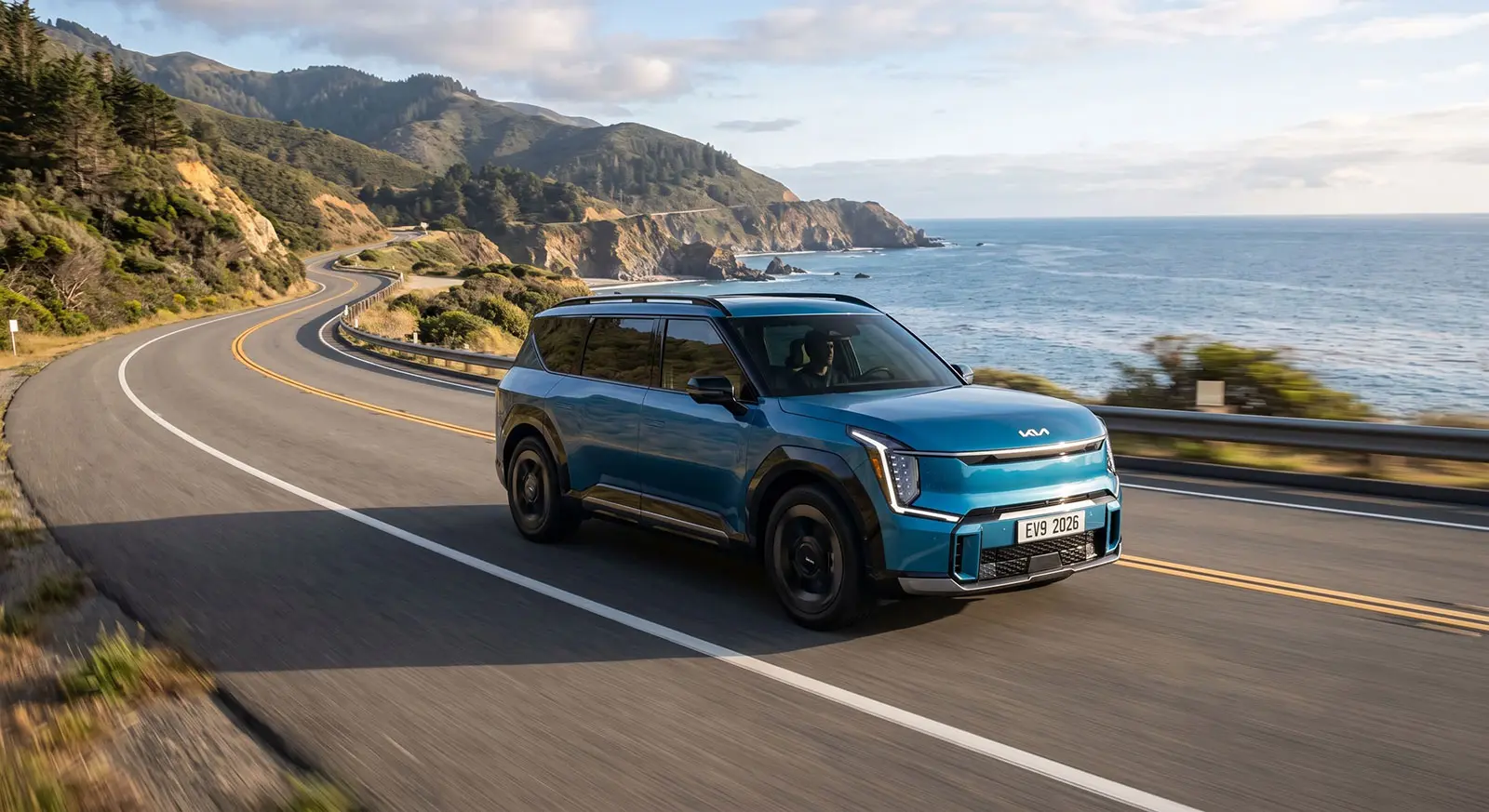
Upcoming Hybrid SUVs and Ultra-Luxury Haulers: Later this year, showroom floors will welcome an extraordinary new wave of high-end plug-in hybrid and fully electric SUVs designed to challenge traditional fuel-guzzling flagships. These models feature expansive three-row cabin layouts, ultra-plush massaging captain's chairs upholstered in sustainable leathers or recycled textiles, panoramic electrochromic glass roofs with adjustable tinting, and customized multi-zone climate control systems. Every single detail is meticulously crafted to ensure that driver and passengers alike travel in absolute, first-class comfort regardless of the journey length.
-
Premium Interior Tech and Next-Gen Safety Innovations: Moving inside, the traditional dashboard experience has completely transformed into a high-tech digital hub. Massive curved OLED display screens span the front cabin, powered by lightning-fast, cloud-connected infotainment architectures that support over-the-air updates and immersive augmented reality navigation. Furthermore, next-generation sensor suites combining high-definition lidar, 360-degree radar arrays, and advanced computer vision cameras enable cutting-edge driver assistance features. These intelligent systems safely handle complex highway cruising, automated lane changes, and tight urban parking maneuvers with unprecedented precision, dramatically reducing driver fatigue.
-
Versatility Meets Uncompromising Efficiency: Unlike older luxury haulers that sacrificed fuel economy and environmental responsibility for raw horsepower, today's upcoming hybrid and electric SUVs utilize sophisticated regenerative braking, smart torque vectoring, and intelligent power-split systems. This allows drivers to commute entirely on silent electric power during the workweek while relying on a high-efficiency turbocharged combustion engine or extended-range battery pack for long weekend getaways. It is a harmonious marriage of capability and efficiency that eliminates range anxiety without ever compromising on dynamic performance or towing capacity.
Charging Infrastructure and What Buyers Should Consider
As exhilarating as these upcoming vehicle launches are, transitioning to modern automotive platforms requires buyers to look closely at real-world infrastructure and ownership preparation. Whether investing in a fully electric flagship or a complex plug-in hybrid, understanding what happens after the keys are handed over is just as important as admiring the performance figures on paper. The modern ownership experience relies heavily on how seamlessly a vehicle integrates into your daily routine, making infrastructure awareness and early home preparation critical components of the purchasing journey.
-
Navigating Charging Network Expansions and Standardization: The public charging ecosystem is undergoing massive improvements, highlighted by the universal industry shift toward native North American Charging Standards (NACS) and rapidly expanding highway supercharger corridors. For late-year buyers, this means fewer adapter hassles, enhanced reliability, and true plug-and-charge convenience across major travel routes. However, you must still evaluate local charging availability, workplace plugs, and advanced route-planning software embedded within your vehicle's infotainment system. Furthermore, home-charging hardware upgrades such as installing Level 2 smart wall boxes provide overnight refueling convenience that completely bypasses public stations for the vast majority of local driving needs, transforming how you manage daily energy top-ups.
-
Key Questions Before Placing a Deposit: Before locking in an allocation or pre-ordering an upcoming model, savvy buyers should weigh several critical operational factors. These include home electrical panel capacity to support high-amp residential chargers, real-world winter range degradation for battery-electric models, and insurance cost differentials associated with cutting-edge sensor arrays and aluminum-intensive chassis structures. Additionally, analyzing long-term resale value retention helps ensure that your investment holds strong against rapidly evolving automotive technologies and shifting market demands. Taking time to analyze these practical variables guarantees that your next vehicle purchase matches both your lifestyle and long-term financial expectations.
Conclusion
As we look toward the remainder of the year, the automotive industry is proving that innovation, performance, and sustainability can coexist in remarkable harmony. The upcoming vehicle launches arriving over the next few months represent a definitive turning point for the market, moving experimental concepts and bleeding-edge technologies directly into the hands of everyday drivers and passionate collectors alike. Whether you are drawn to the quiet efficiency and high-tech digital cockpits of next-generation electric sedans, the pulse-pounding engineering of track-ready hybrid supercars, or the unmatched comfort and versatile utility of modern luxury family haulers, there has never been a more exciting time to be an automotive enthusiast.
Navigating this rapidly evolving landscape requires a balance of excitement and practical awareness. As charging infrastructure continues to expand globally, standardization takes root, and smart home-charging setups become the norm, the barriers to adopting electrified performance are steadily disappearing. By carefully evaluating your own driving habits, long-term travel needs, and ownership priorities, you can position yourself to take full advantage of these phenomenal upcoming releases.
Furthermore, staying informed about automotive trends ensures you make a smart investment. The automotive market rewards buyers who plan ahead, look closely at warranty coverage, and understand how rapid software updates impact long-term vehicle usability. Ultimately, the future of driving is arriving faster than anticipated. The most anticipated car launches coming later this year do more than just showcase impressive horsepower figures and luxury amenities; they redefine our relationship with personal transportation, promising safer, smarter, and infinitely more exhilarating journeys ahead for years to come.



Written by Maarukh Shahbaz
Published Jul 27, 2026 in Auto News.