
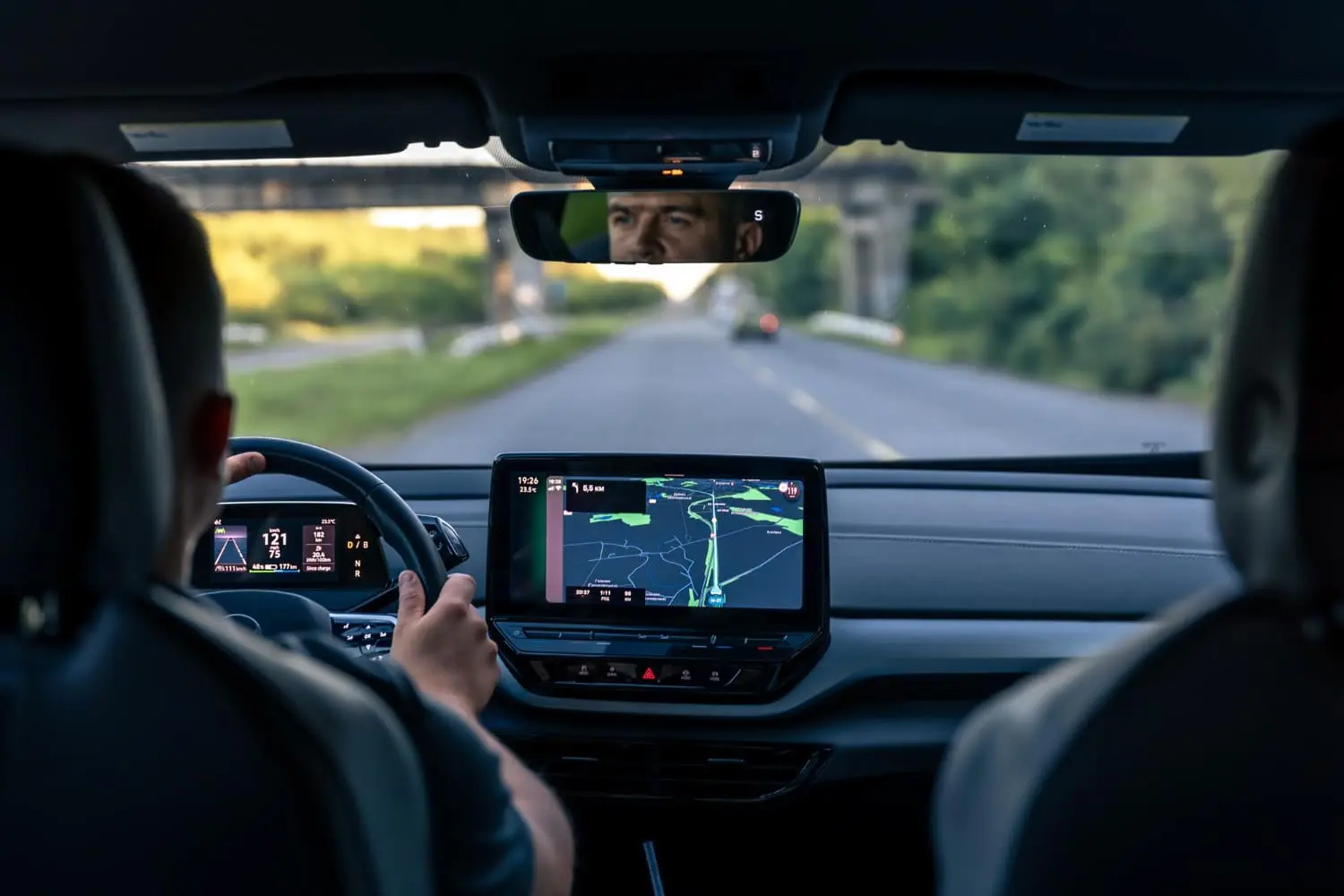
Take your eyes off the road for just four seconds at 90 km/h, and your car travels about 100 metres. That is the length of a football field, driven blind. Moments like this cause thousands of crashes every year, and governments have decided that cars should help stop them.
This is why new safety regulations now require advanced driver monitoring systems in many new vehicles. Since 7 July 2026, every new car, van, truck and bus sold in the European Union must have a system that watches the driver and warns them when they look away from the road. China has a new rule starting on 1 January 2027 for cars with assisted driving. The United States is also working on its own rule, although it has been delayed.
In this guide, we explain in simple English what a driver monitoring system is, which countries now require it, why these rules exist, and what they mean for you as a driver or someone planning to buy a new car.
What Is an Advanced Driver Monitoring System?
An advanced driver monitoring system, often shortened to DMS, is a safety feature that watches the driver instead of the road. Most car safety technology, such as automatic emergency braking or lane keeping, uses cameras and radar that point outside the car. A driver monitoring system points a small camera at you.
Its job is simple. It checks whether you are paying attention, whether you are getting sleepy, and whether you are able to drive safely. If something looks wrong, it warns you before a small mistake turns into a crash.
How the Camera Tracks Your Eyes and Head
Most systems use a small infrared camera. It usually sits on the steering column, on top of the dashboard, or near the rear-view mirror. Infrared light allows the camera to see your face at night and through many types of sunglasses.
Software studies the picture many times every second. It tracks where your eyes are looking, how often you blink, how long your eyes stay closed, and which way your head is turned. If your eyes stay on your phone, the radio screen, or your lap for too long, the system decides you are distracted.
The warning usually starts small, with a symbol on the dashboard. If you ignore it, the warning gets stronger with a sound, and in some cars, a vibration in the seat or steering wheel. Under the current EU rules, the system only warns you. It does not take control of the car.
DDAW and ADDW: What Is the Difference?
You will often see two short names in news about these rules.
DDAW stands for Driver Drowsiness and Attention Warning. It looks for signs that you are getting tired. Many DDAW systems do not use a camera at all. They study how you steer and how the car moves in its lane, then suggest you take a break.
ADDW stands for Advanced Driver Distraction Warning. This is the newer and smarter version. It uses a camera to look directly at your eyes and head, so it can tell when your attention leaves the road, even for a few seconds.
In simple words, DDAW asks "Are you tired?" while ADDW asks "Are you looking at the road right now?"
The New Safety Regulations Around the World
Different parts of the world are moving at different speeds. Here is where things stand in late 2026.
European Union: ADDW Is Now Required in All New Vehicles
Europe has the strictest rules. They come from the EU General Safety Regulation, also called GSR2, which is Regulation (EU) 2019/2144. The detailed test rules for distraction warning are in a later law, Regulation (EU) 2023/2590.
These rules did not arrive all at once. The EU brought them in step by step to give carmakers time to prepare. The first step came in July 2022, when Driver Drowsiness and Attention Warning (DDAW) became required on newly approved car models.
In July 2024, DDAW became required on all new cars, and the camera-based ADDW system became required on newly approved models. The final step came on 7 July 2026. From that day, ADDW became required on every new car, van, truck, and bus sold and registered in the EU, no matter when the model was first approved.
The law also sets clear time limits. At 50 km/h or faster, the car must warn you if your eyes stay in a distraction zone for about 3.5 seconds. Between 20 and 50 km/h, the limit is 6 seconds.
This is a big change. Smart Eye, a company that makes these systems, estimates the rule affects around 15 million new cars every year. Other markets, such as the United Kingdom and Australia, are moving in a similar direction.
United States: The Impaired Driving Rule Is Still Waiting
In the US, the push comes from Section 24220 of the 2021 Bipartisan Infrastructure Law. It tells the National Highway Traffic Safety Administration (NHTSA) to create a safety standard for technology that can detect and stop drunk or impaired driving in all new passenger cars. The technology must work passively, which means the driver does not have to blow into a tube. Camera-based driver monitoring is one of the main options being studied.
The law gave NHTSA until 15 November 2024 to finish the rule, but that deadline was missed. NHTSA published an early notice in January 2024. Then, in March 2026, it told Congress that the technology is not reliable enough yet, mainly because sober drivers could get false alarms. As of September 2026, the rule is still at a very early stage. Once a final rule is published, carmakers will have about two to three years to comply.
Even without a law, many American cars already have driver cameras. Systems such as GM Super Cruise and Ford BlueCruise use them to make sure you watch the road during hands-free highway driving.
China: Driver Monitoring for Cars with Assisted Driving
China has chosen a different path. Instead of requiring a camera in every car, it focuses on cars with Level 2 assisted driving. These are systems that can steer, brake, and speed up on their own while the driver supervises. This matters a lot in China, where about 70% of new passenger cars sold in 2026 have these features.
The new national standard, called GB 47955, takes effect on 1 January 2027, and cars that do not meet it cannot be sold. It requires a driver monitoring system that checks both the driver's hands and eyes. If a driver keeps taking their hands off the wheel or looking away, the assisted driving feature can be locked for 30 minutes.
Why Governments Are Making Driver Monitoring Mandatory
The main reason is simple: the driver is still the weakest link in road safety. Cars have become much safer over the years, but people still get tired, check their phones, and drive after drinking.
Distraction and Drowsiness Cause Many Crashes
Research used by the EU estimated that distraction plays a part in 5% to 25% of car crashes. Phones are the biggest problem. A quick look at a message feels harmless, but at highway speed it means many metres of road with nobody watching.
Tiredness is just as dangerous. A sleepy driver reacts slowly and can even fall asleep for a second or two without knowing it. Drunk driving is another major cause of deaths. In the United States alone, more than 13,000 people died in drunk driving crashes in 2021.
The EU expects its full safety package, which includes driver monitoring, to save more than 25,000 lives by 2038.
Assisted Driving Needs an Alert Driver
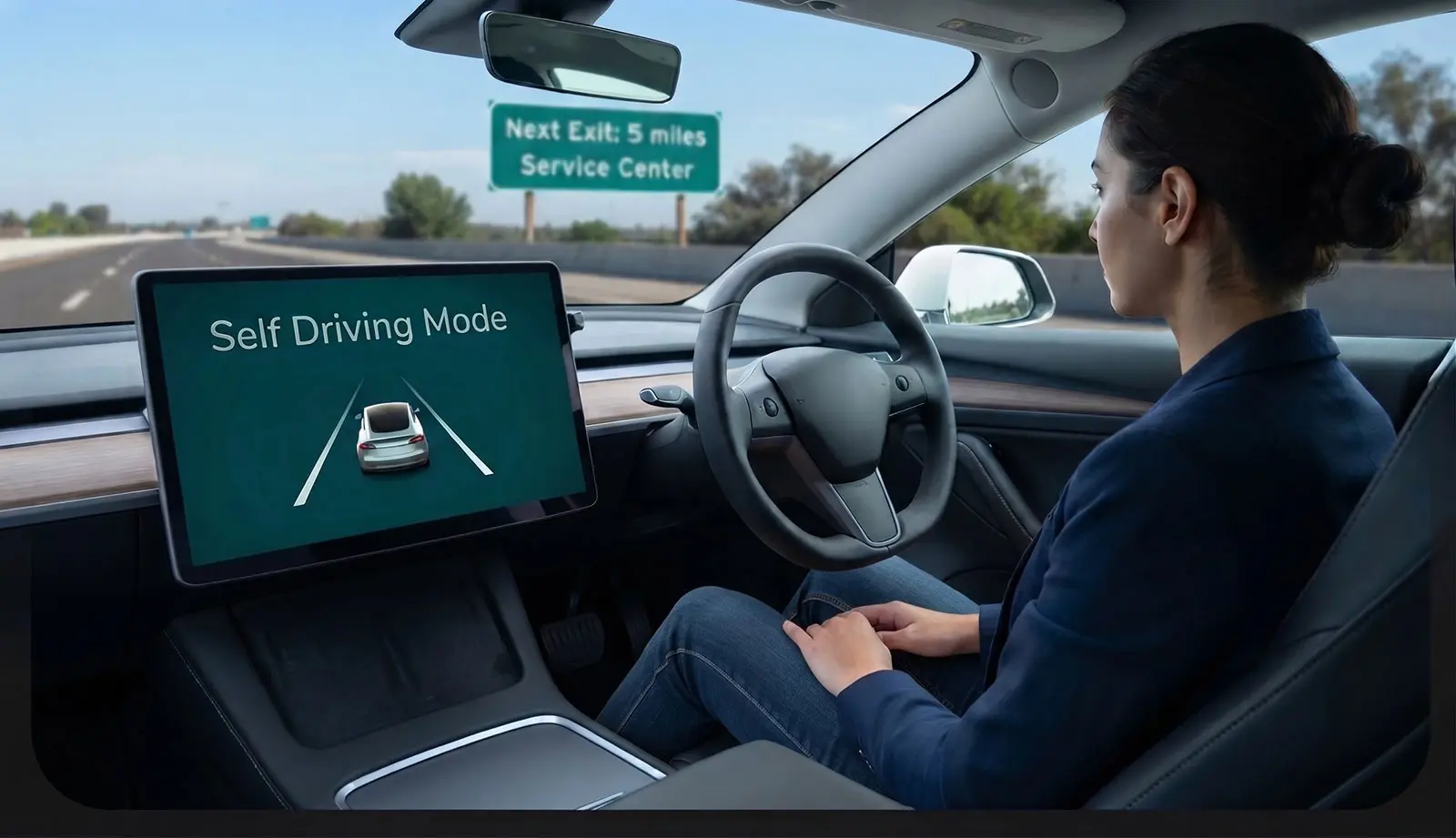
Many new cars can now steer and brake on their own on the highway. This is helpful, but some drivers trust these features too much. They treat them like self-driving cars, even though they are not.
With Level 2 assisted driving, the driver is still fully responsible. A driver monitoring system makes sure the human stays alert and ready to take over. This is exactly why China's new standard links driver monitoring so closely to assisted driving.
What These Rules Mean for Drivers and Car Buyers
If you buy a brand new car in Europe today, it will come with a driver monitoring camera. In other markets, more and more new models will have one too. Here is what that means in daily life.
Benefits You Will Notice
The biggest benefit is a second pair of eyes in the car. On a long night drive, the system can warn you before you nod off. In city traffic, it can catch the moment you look down at your phone.
Driver monitoring also makes other safety features smarter. Some cars give earlier collision warnings when they know you are not looking. Better safety ratings can also help a car keep its resale value, and some insurers may reward safer driving over time.
Privacy Concerns and Annoying Alerts
Many drivers do not like the idea of a camera pointed at their face. Under the EU rules, the system is meant to work as a closed loop. This means the images are processed inside the car and are not supposed to be stored or sent anywhere. However, privacy groups point out that there is no independent audit to prove this. In the US, the law does not clearly say what carmakers may do with this data.
The other common complaint is too many beeps. A good system warns you only when you really need it. A poor one can beep when you check your mirror or glance at the navigation screen. This is why testing groups now check how these systems work in real driving, not just on a test track.
Can You Turn the System Off?
In most new EU cars, you cannot turn it off for good. Some models let you switch it off for one trip, but it comes back on the next time you start the car. The exact rules depend on the carmaker and the model, so check the owner's manual.
The good news is that these rules apply only to new vehicles. If you already own a car or buy a used one, nobody will ask you to fit a camera.
Tips Before You Buy a New Car
- Take a proper test drive. Notice how often the system warns you and whether the alerts feel fair.
- Wear your usual glasses or sunglasses during the test drive to see if the camera still reads your eyes well.
- Ask the dealer about data. Find out whether any camera data is stored or shared, and read the privacy policy.
- Check the safety rating. A good Euro NCAP or local safety score is a sign of a well-designed system.
- Learn the settings. Find out which alerts you can adjust and how loud or sensitive they are.
Living with a Driver Monitoring System
A driver monitoring system works best when you help it a little. Keep the camera lens clean, because dust or fingerprints can make it harder to see your eyes. Do not cover the camera with stickers, phone holders or anything hanging from the mirror. If the system cannot see you clearly, it may give you more warnings, not fewer.
Set up your seat and steering wheel properly before you drive. When you sit in a normal driving position, the camera can track your face more easily. A very low seat or a steering wheel set too high can block its view.
Finally, treat each warning as useful advice, not as an insult. If the car says you look tired, it is usually right. Stop at a safe place, have some water or tea, and rest for a while. A short break costs you a few minutes, while a crash can cost far more.
Conclusion
Advanced driver monitoring systems are quickly moving from luxury extra to legal requirement. The European Union now requires them in every new vehicle. China will require them in cars with assisted driving from January 2027. The United States is still working on its rule, and Euro NCAP is already rewarding the best systems with higher star ratings.
The goal of these new safety regulations is clear: fewer crashes caused by distraction, tiredness and impaired driving. The technology is not perfect yet. Privacy questions and annoying alerts are real concerns, and carmakers still need to get the balance right.
Still, a small camera that taps you on the shoulder when your eyes leave the road could save your life one day. If you are planning to buy a new car, take time to understand how its driver monitoring system works. A few minutes of learning today can make every drive safer tomorrow.


Written by Kousar Shabbir
Published Oct 1, 2026 in Auto News.



