
For most of the last century, the internal combustion engine sat at the center of the automotive industry. Manufacturers spent decades improving gasoline and diesel engines through fuel injection, turbocharging, variable valve timing, direct injection, cylinder deactivation, and increasingly sophisticated emissions-control systems. These technologies made combustion engines considerably cleaner and more efficient without fundamentally changing the way vehicles were powered.
That approach is now changing. Automotive regulations around the world are pushing manufacturers toward lower fuel consumption, lower carbon dioxide emissions, and fewer harmful tailpipe pollutants. At the same time, improvements in batteries, electric motors, charging infrastructure, and vehicle software are making electrified powertrains increasingly practical.
The result is not a simple transition from gasoline engines to electric vehicles. Instead, today's automotive market is developing into a mixture of conventional combustion engines, mild hybrids, full hybrids, plug-in hybrids, battery-electric vehicles, and, in selected applications, hydrogen fuel-cell vehicles.
Regulation is one of the strongest forces behind this transformation, but it is not the only one. Consumer demand, battery costs, energy prices, industrial policy, competition, and concerns about energy security are also influencing automakers' decisions.
Understanding how emissions policy interacts with automotive engineering helps explain why today's vehicles are changing—and what the next generation of powertrains could look like.
Global Emission Regulations Are Changing Automaker Priorities
There is no single global emissions rule that dictates how every automaker must build vehicles. Instead, manufacturers operate within a patchwork of national and regional regulations.
These rules can target different things. Some regulate fleet-average fuel consumption or CO2 emissions. Others establish limits for pollutants such as nitrogen oxides and particulate matter. Some jurisdictions use credits to encourage low- and zero-emission vehicles, while others establish restrictions on which vehicles can be sold or operated in particular areas. The combination creates powerful incentives for automakers to reduce the environmental impact of their fleets.
The United States: A Changing Regulatory Environment
The United States illustrates why automotive regulation cannot be treated as a static subject. For many years, manufacturers faced both federal fuel-economy requirements administered by the National Highway Traffic Safety Administration and federal greenhouse-gas standards administered by the Environmental Protection Agency. These requirements encouraged automakers to improve efficiency through technologies such as downsized engines, turbocharging, hybridization, and electrification.
However, the federal greenhouse-gas framework changed substantially in 2026. On February 12, 2026, the EPA finalized a rule rescinding the 2009 greenhouse-gas Endangerment Finding and repealing subsequent federal greenhouse-gas emission standards for highway vehicles and engines. The action did not repeal federal fuel-economy standards administered separately by NHTSA, nor did it eliminate federal requirements governing conventional air pollutants.
That distinction is important. It means the U.S. cannot accurately be described in 2026 as having one unchanged federal system steadily tightening vehicle greenhouse-gas requirements.
State-level policy is also important. California has historically operated under special provisions of the Clean Air Act that allow it to establish certain vehicle-emissions requirements through federal waivers. Other states have adopted or considered similar approaches. The result is a U.S. market where federal rules, fuel-economy requirements, state regulations, and political changes can all influence automaker strategy.
Europe: Strong CO2 Pressure With More Flexibility
Europe has taken a more consistently aggressive approach to reducing CO2 emissions from new vehicles. The European Union has progressively tightened fleet-average CO2 requirements for new cars and vans. Under the established system, manufacturers can face significant financial penalties when their fleets exceed applicable CO2 targets.
This creates a direct economic incentive to sell more efficient vehicles and reduce the average emissions of the manufacturer's entire fleet. However, Europe's situation should not be reduced to the simplistic statement that combustion engines are simply "banned" after 2035.
The European Commission's Automotive Package, presented in December 2025, proposed additional flexibility to the post-2035 framework. The proposal is based on a 90% reduction in tailpipe emissions, with the remaining 10% addressed through specified compensation mechanisms involving technologies and fuels such as low-carbon steel, e-fuels, and biofuels. The overall direction remains strongly toward electrification, but the regulatory picture is more nuanced than a simple zero-combustion-engine deadline.
China: NEV Credits and Industrial Strategy
China has become a central force in the global automotive transition. Its regulatory framework combines corporate average fuel-consumption requirements with a New Energy Vehicle, or NEV, credit system. Manufacturers receive credits according to defined vehicle characteristics and must satisfy applicable credit requirements.
For 2026 and 2027, China's official rules set NEV credit proportions at 48% and 58%, respectively.
This system is only part of China's automotive strategy. The country has also built an enormous manufacturing ecosystem covering batteries, electric motors, power electronics, charging infrastructure, and vehicle production.
The impact is visible in sales. According to the International Energy Agency, more than 13 million electric cars were sold in China in 2025, with electric vehicles accounting for almost 55% of new-car sales.
China therefore demonstrates how regulation can interact with industrial policy, manufacturing scale, technology development, and competition to accelerate a powertrain transition.
Why Regulation Has Such a Large Engineering Impact
Automotive development takes years, so manufacturers cannot design vehicles only around the rules that exist today. They have to anticipate the regulations that may apply when a new vehicle reaches production and throughout its expected production cycle.
This is one reason regulatory changes in one major market can influence global engineering decisions. Automakers often develop engines, batteries, electric-drive systems, and vehicle platforms for multiple markets rather than creating completely separate technologies for every country.
At the same time, the differences between markets mean manufacturers increasingly need flexible product strategies rather than one universal powertrain solution.
How Automakers Are Redesigning Powertrains
Regulation is changing what automakers need from their powertrains. The combustion engine is not disappearing overnight, but the way it is being used is changing.
Modern engines are expected to deliver strong performance while consuming less fuel and meeting increasingly demanding emissions requirements.
Downsizing and Turbocharging
One of the most visible trends has been the combination of smaller displacement with turbocharging. A smaller turbocharged engine can produce power comparable to an older, larger naturally aspirated engine while potentially consuming less fuel under standardized driving conditions.
However, turbocharging itself does not automatically make an engine more efficient. The benefit comes from the overall powertrain design, including engine displacement, combustion efficiency, gearing, operating conditions, and vehicle weight.
A small turbocharged engine driven aggressively can still consume significant amounts of fuel. Nevertheless, downsized turbocharged engines have allowed manufacturers to maintain performance while improving efficiency in many applications. This explains why four-cylinder turbocharged engines have replaced naturally aspirated six-cylinder engines in many mainstream vehicles.
Cylinder Deactivation
Cylinder deactivation is another technology used to improve efficiency. During light-load conditions, such as steady highway cruising, some engines can deactivate selected cylinders. The remaining cylinders then operate at a higher and potentially more efficient load. When additional power is required, the deactivated cylinders return to operation.
This approach is particularly useful in larger engines where maximum power is much greater than what is normally required during everyday driving. However, cylinder deactivation is only one tool available to manufacturers. Hybrid systems can achieve efficiency improvements through engine shutoff, regenerative braking, and electric assistance.
Mild-Hybrid Systems
Mild hybrids represent one of the least disruptive forms of electrification. A typical mild-hybrid system combines a combustion engine with a relatively small battery and electric machine. Depending on the design, it can recover energy during braking, assist the engine during acceleration, improve stop-start operation, and support electrical systems. Unlike a full hybrid, a mild hybrid generally cannot propel the vehicle for extended periods using electric power alone.
Its attraction is straightforward: manufacturers can gain efficiency and drivability improvements without requiring drivers to regularly plug the vehicle into a charger.
Full Hybrids
Full hybrids combine a combustion engine with an electric motor and a larger battery than a typical mild-hybrid system. Depending on the design and driving conditions, a full hybrid can sometimes move the vehicle using electric power alone for short periods. More commonly, the electric motor assists the combustion engine, while regenerative braking recovers energy that would otherwise be lost as heat.
The major advantage is convenience. Drivers can obtain better fuel economy without needing to install a charger or change their normal refueling routine. This has helped full hybrids become particularly attractive in markets where charging infrastructure remains limited.
Plug-In Hybrids
Plug-in hybrids take electrification further by using a larger battery that can be charged from an external power source. When charged regularly, a PHEV can complete many shorter journeys primarily using electricity while retaining a combustion engine for longer trips.
The real-world benefit depends heavily on charging behavior. A driver who charges every night may use the electric powertrain for a large portion of daily driving. Someone who rarely plugs in may receive much less benefit while still carrying the additional weight and complexity of the larger battery.
PHEVs also receive different regulatory treatment depending on the jurisdiction. Some systems provide favorable treatment based on electric range or calculated emissions, while others have tightened the conditions under which plug-in hybrids receive regulatory benefits. It is therefore inaccurate to treat every PHEV as receiving the same zero-emission credit.
Battery-Electric Vehicles
Battery-electric vehicles have become the centerpiece of long-term electrification strategies in many markets. Battery technology has improved significantly, while electric motors and power electronics have become more efficient. Charging speeds and charging networks have also improved.
The global market has expanded rapidly. The International Energy Agency reports that worldwide electric-car sales exceeded 20 million in 2025, representing roughly one-quarter of all new cars sold. The IEA expects global electric-car sales to reach approximately 23 million in 2026 under its current forecast.
Growth remains uneven, however. Charging availability, electricity prices, vehicle prices, government incentives, driving patterns, and consumer confidence all influence adoption. Regulation can accelerate the availability of electric vehicles, but it cannot guarantee that every consumer will want or be able to use one.
Hydrogen Fuel Cells
Hydrogen fuel-cell vehicles remain a much smaller part of the automotive market. They convert hydrogen into electricity onboard the vehicle, with water as the primary tailpipe product. Fuel-cell vehicles can offer fast refueling and potentially useful range characteristics. However, hydrogen faces substantial challenges involving production, distribution, refueling infrastructure, vehicle cost, and the availability of low-carbon hydrogen.
Battery-electric vehicles are currently expanding much faster in road transport. In 2025, battery-electric trucks accounted for 97% of global electric-truck sales, according to the IEA. Hydrogen therefore remains a potential solution for selected applications rather than a likely universal replacement for battery-electric passenger cars.
The Challenges, Trade-Offs, and Future of Automotive Powertrains
The transition toward lower-emission vehicles offers significant opportunities, but it also creates technical, economic, and practical challenges.
Vehicle Cost
Battery packs, electric motors, power electronics, software, and thermal-management systems add cost and complexity. The economics of electric vehicles are improving, but the financial calculation varies significantly depending on vehicle price, energy costs, incentives, mileage, and charging access.
For some drivers, an EV can already offer attractive operating costs. For others, particularly those with limited charging access or demanding towing requirements, a hybrid or combustion vehicle may still be more practical.
Charging Infrastructure
Charging remains one of the most important factors influencing EV adoption. Drivers with home charging can have a very different experience from those who depend entirely on public chargers.
Urban charging networks and highway corridors are expanding, but rural regions and drivers without dedicated parking can face greater challenges.
This creates an important distinction between what regulators can encourage automakers to build and what infrastructure can realistically support.
Heavy-Duty and Specialized Vehicles
Heavy-duty trucks and commercial vehicles face different engineering challenges from passenger cars. Range, payload, charging time, duty cycles, and infrastructure utilization are particularly important.
Nevertheless, electrification is advancing rapidly in some heavy-duty applications. The IEA reports that global electric-truck sales more than doubled in 2025, exceeding 400,000 vehicles.
Battery-electric technology is therefore expanding beyond passenger cars, although different vehicle classes will likely adopt different powertrain solutions at different rates.
Battery Supply Chains
Electrification also changes the industry's supply-chain requirements. Traditional vehicles depend heavily on petroleum, engines, transmissions, and established mechanical components. Electric vehicles require large quantities of battery cells, battery materials, electric motors, power electronics, and related processing capacity.
Materials such as lithium, graphite, nickel, and other minerals have therefore become strategically important. The geographic concentration of mining and processing creates exposure to price fluctuations, trade restrictions, geopolitical tensions, and supply disruptions.
Automakers and governments are responding by investing in domestic battery production, recycling, alternative battery chemistries, and diversified supply chains.
Political and Regulatory Uncertainty
Perhaps the biggest challenge for automakers is that regulations can change faster than vehicle-development programs. A new vehicle platform may require several years of development, while government policies can change within months.
The United States' major 2026 change to federal greenhouse-gas regulation demonstrates this risk. Europe has also introduced additional flexibility into its future vehicle-emissions framework. For manufacturers, this creates a strong incentive to avoid relying entirely on one powertrain.
Many companies are therefore maintaining a portfolio of combustion engines, hybrids, plug-in hybrids, and battery-electric vehicles while they assess how regulations, technology, and consumer demand evolve.
What This Means for Drivers
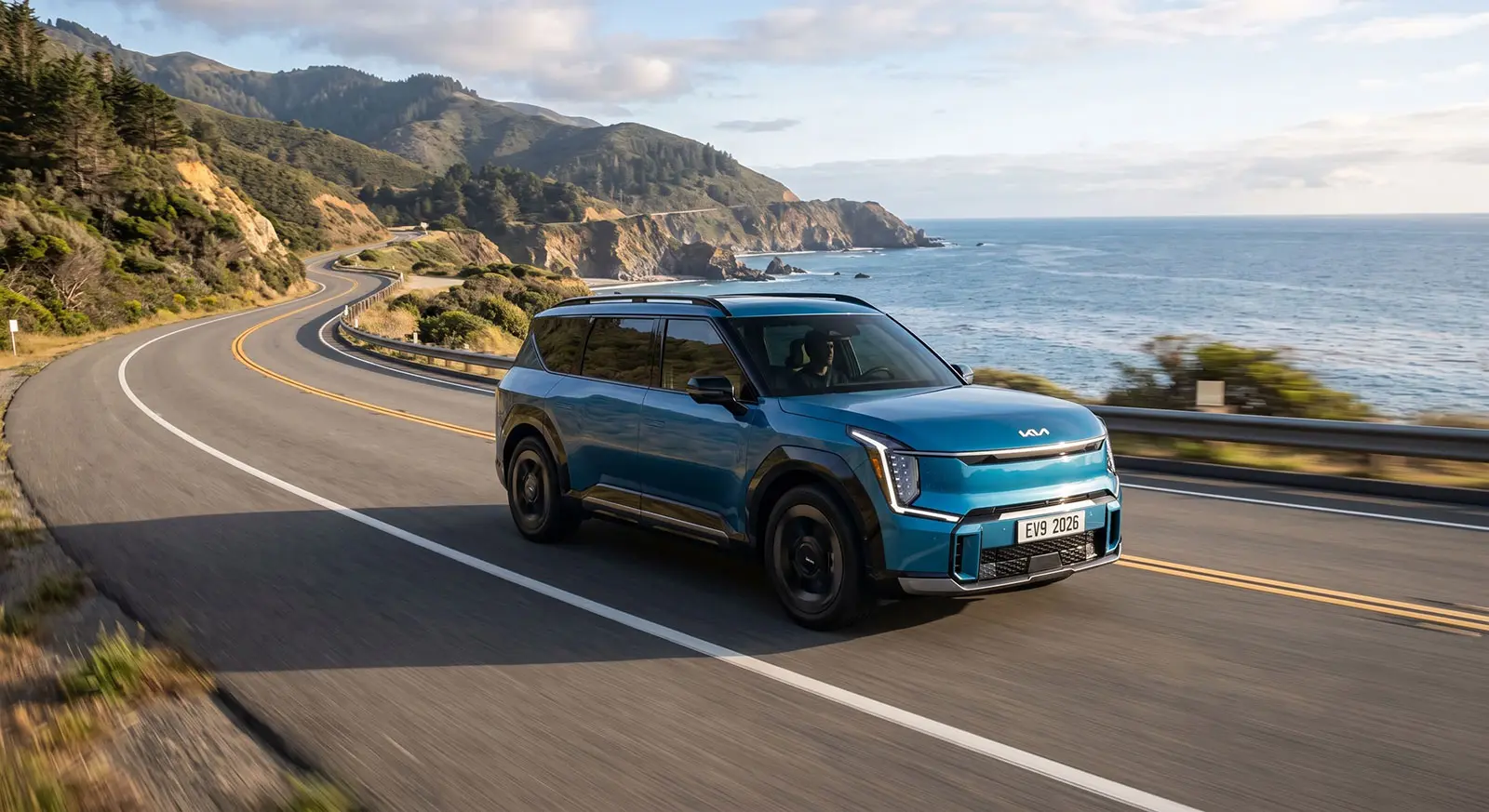
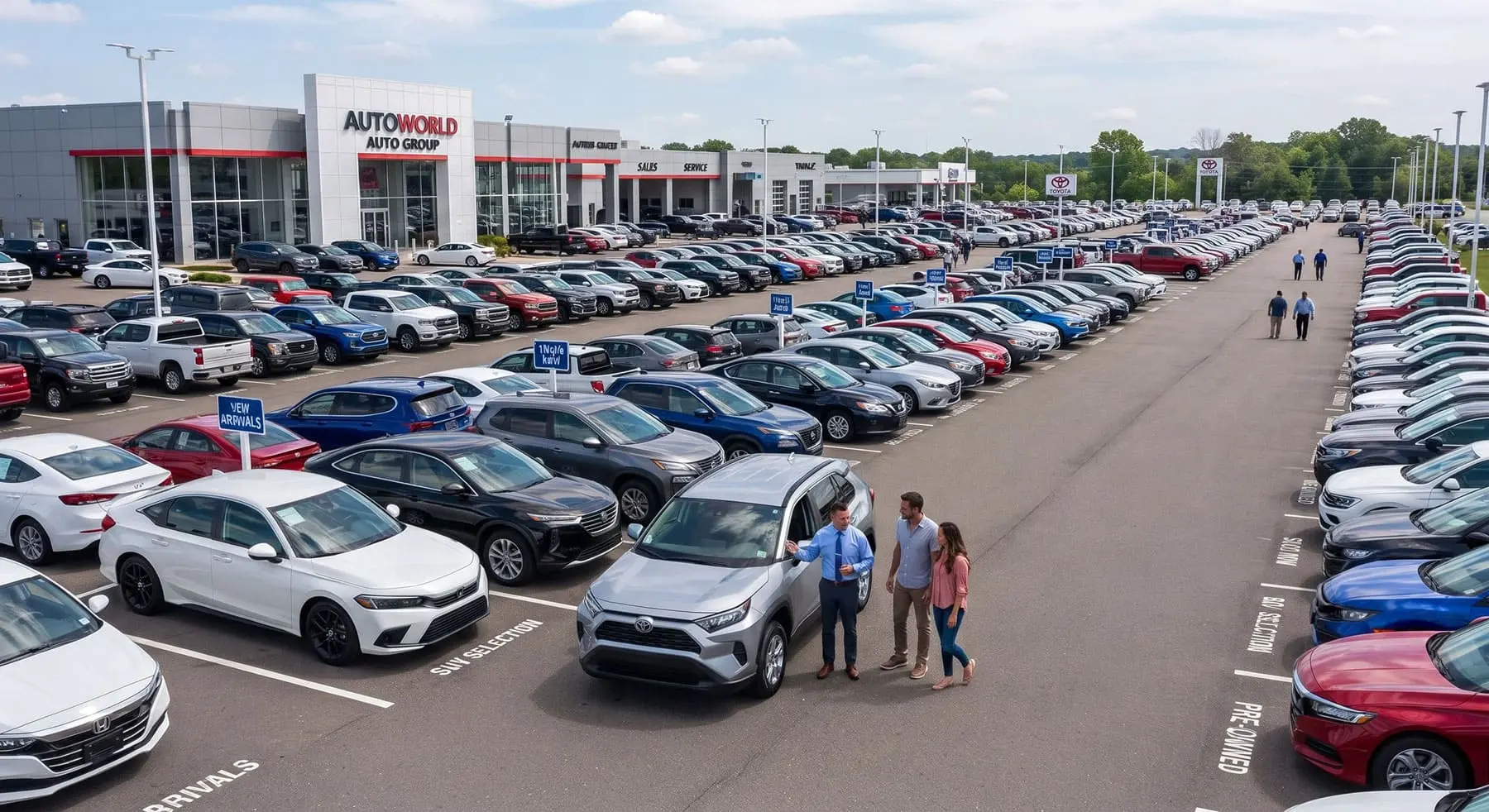
For consumers, the biggest consequence of the transition is greater powertrain choice. A buyer shopping for a new crossover or SUV may encounter conventional gasoline, mild-hybrid, full-hybrid, plug-in-hybrid, and battery-electric versions. There is no single technology that is automatically best for every driver.
A full hybrid can be attractive for someone who wants improved fuel economy without changing how they refuel.
A plug-in hybrid can make sense for a driver who has convenient charging and whose daily trips fit comfortably within the vehicle's electric range.
A battery-electric vehicle can be particularly compelling for drivers who have reliable home or workplace charging and predictable daily mileage.
Meanwhile, an efficient gasoline vehicle may still be the most practical option for someone who frequently travels long distances, has limited charging access, or needs substantial towing capability. The important question is therefore not simply which powertrain is newest. It is which one fits the driver's actual needs.
Conclusion: A More Diverse Automotive Future
The automotive industry is not moving toward one universal powertrain. Instead, it is moving toward a more diverse system in which multiple technologies coexist and compete. Battery-electric vehicles are expanding rapidly, with global electric-car sales exceeding 20 million in 2025. Hybrids are also becoming increasingly important because they can reduce fuel consumption without requiring drivers to depend entirely on charging infrastructure.
Combustion engines are becoming increasingly sophisticated even as their role in new-vehicle markets changes in many regions. Hydrogen remains a specialized possibility, particularly for applications where its operational characteristics could provide an advantage.
Regulation will remain one of the most important forces shaping this transition, but it will not determine the outcome by itself. Battery costs, charging infrastructure, energy prices, consumer preferences, manufacturing economics, industrial policy, and political decisions will all influence which powertrains succeed in individual markets. For drivers, the next decade is therefore unlikely to be a simple story of gasoline versus electric.
Instead, consumers will increasingly choose between several different architectures, each offering its own combination of efficiency, performance, cost, convenience, range, and environmental impact.
The combustion engine's position as the unquestioned default for new vehicles is changing, but it has not disappeared. At the same time, electrification is no longer a niche experiment. It has become a major part of the global automotive industry.
The vehicles arriving over the next several years will be defined not by the sudden disappearance of one technology, but by the expansion of choice—and by the regulations, economics, and engineering decisions that determine where each powertrain makes the most sense.


Written by Kousar Shabbir
Published Sep 11, 2026 in Auto News.