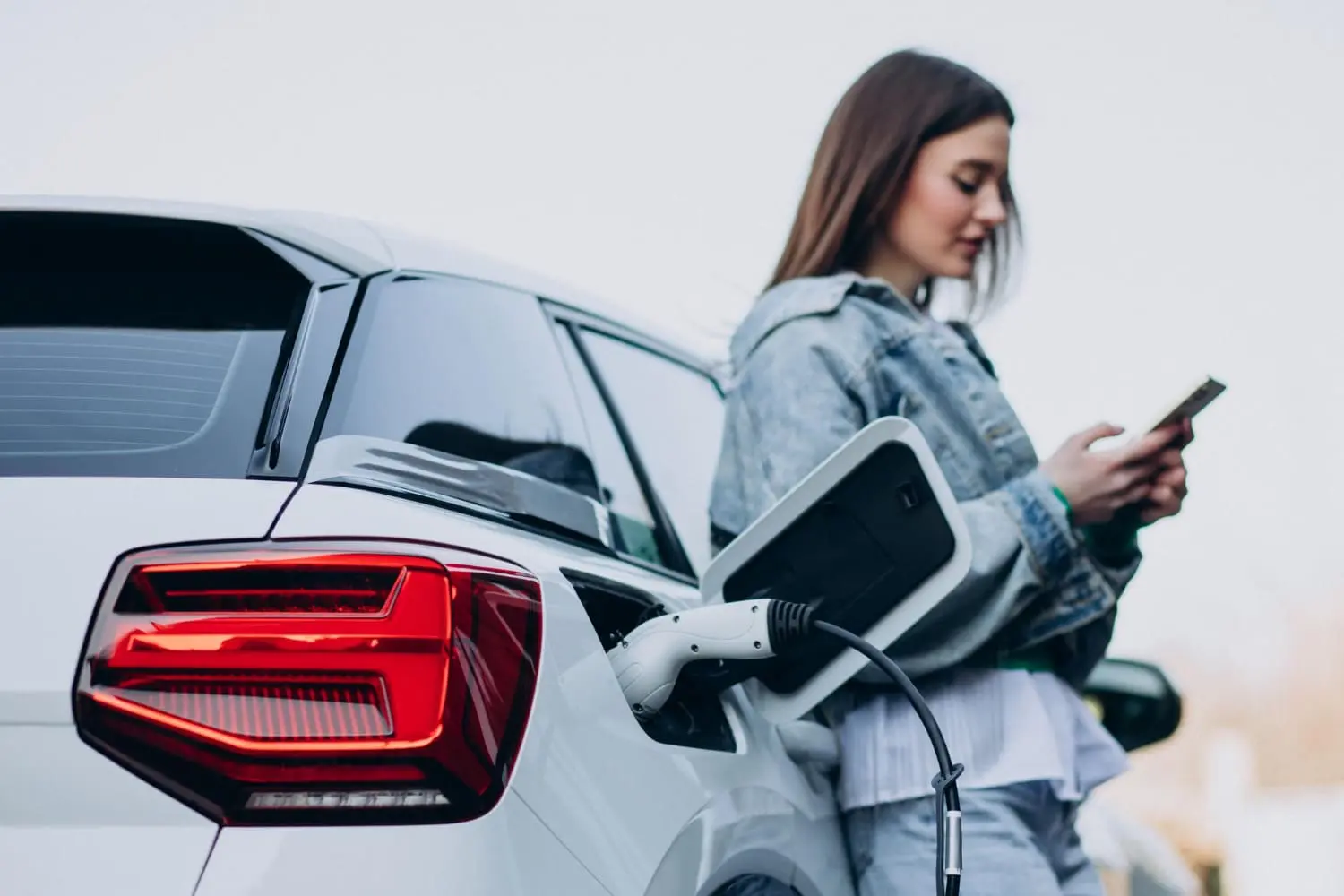
The automotive landscape is undergoing a silent yet seismic shift. Look around any major parking lot, highway, or city street today, and you will notice a striking change in what drivers are piloting. While fully electric vehicles (EVs) dominated headlines for the past few years with promises of a zero-emission future, everyday consumers are gravitating toward a different kind of electrified powerhouse: the hybrid. Suddenly, everyone from daily commuters to long-haul road-trip enthusiasts is talking about hybrid cars. But why the sudden surge in interest?
For years, hybrids were often viewed as an automotive stepping stone, an expensive compromise for eco-conscious drivers willing to sacrifice performance and style for better fuel economy. Early iterations, while groundbreaking for their time, felt niche, underpowered, and visually eccentric. Fast forward to today, and that narrative has been entirely rewritten. Modern hybrid electric vehicles (HEVs) and plug-in hybrid electric vehicles (PHEVs) seamlessly blend heart-pumping performance with staggering efficiency. They eliminate the lingering anxieties of public charging infrastructure while providing massive relief at the gas pump.
This dramatic shift is driven by a convergence of economic pressures, technological leaps, and shifting consumer expectations. With rising fuel costs and a maturing market, drivers are looking for practical ways to reduce their carbon footprint and operating costs without upending their daily routines. Hybrids strike the ultimate balance, offering the convenience of traditional refueling paired with the instant torque and efficiency of electric motors. In this comprehensive guide, we will break down why the hybrid boom is happening right now, how the technology has evolved, and whether a hybrid vehicle deserves a spot in your garage this year.
The Evolution of Hybrid Technology
To truly understand why hybrids are dominating conversations today, we have to look at how far the technology has come. When early hybrids first hit the mainstream market decades ago, they were largely viewed as an automotive novelty a slow, quirky experiment built primarily for hypermilers and environmental purists. Back then, driving a hybrid meant accepting sluggish acceleration, a loud, strained engine drone under heavy throttle, and styling that often screamed, "Look how eco-friendly I am!"
Fast forward to today, and the engineering paradigm has completely shifted. Modern hybrid electric vehicles (HEVs) and plug-in hybrid electric vehicles (PHEVs) utilize advanced powertrain management systems that merge high-output internal combustion engines with responsive, high-torque electric motors. Rather than feeling like a compromise, contemporary hybrid technology often enhances performance. The electric motor fills in the torque gaps during acceleration, delivering instant throttle response and smooth, linear power delivery that leaves older traditional gas cars feeling sluggish by comparison.
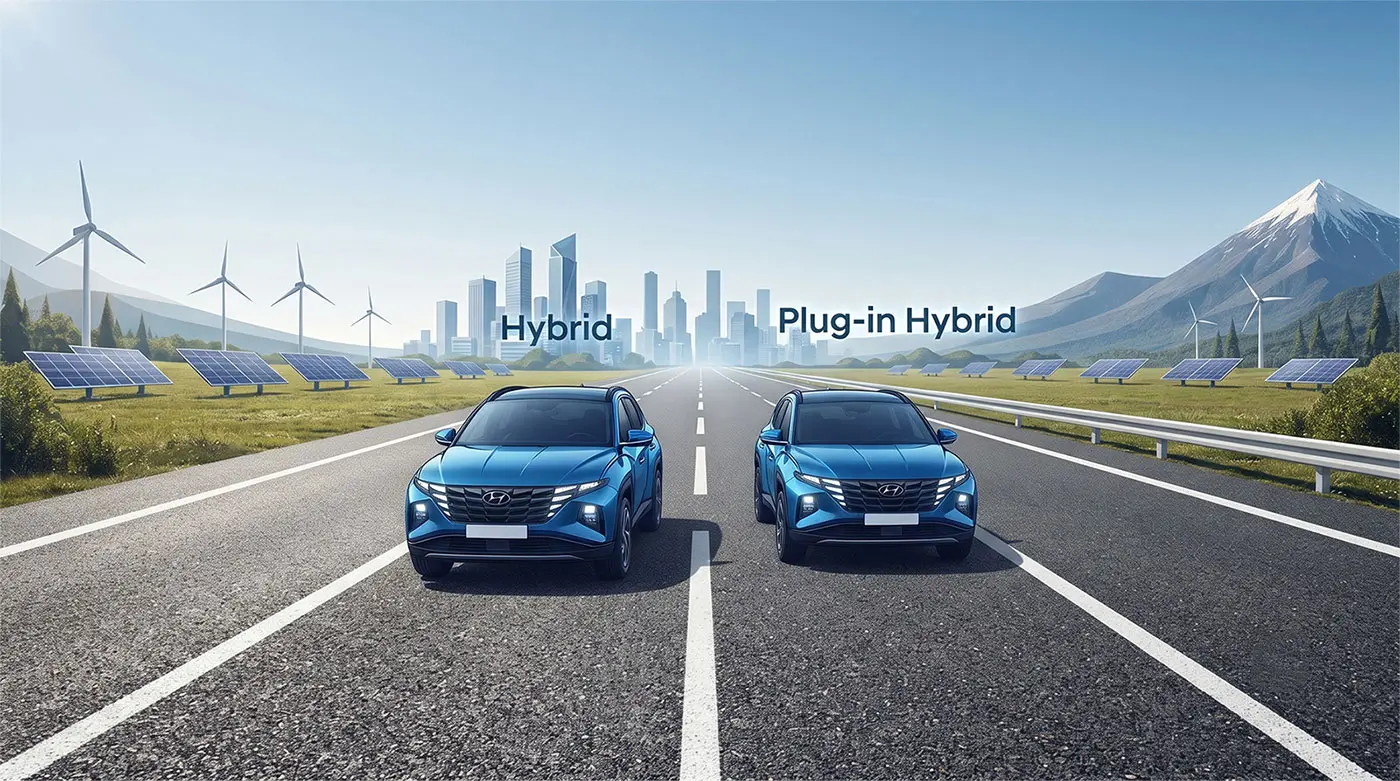
The core distinction today lies between traditional hybrids and PHEVs. Traditional HEVs capture energy through regenerative braking, storing it in a compact battery to power the electric motor during low-speed cruising and stop-and-go traffic. PHEVs, on the other hand, feature larger battery packs that can be plugged into an external power source, allowing drivers to complete their daily commutes on pure electricity alone before seamlessly switching over to hybrid gasoline operation for longer trips.
Furthermore, battery longevity and thermal management have leaped forward dramatically. Modern lithium-ion battery packs are engineered to last the entire lifespan of the vehicle, backed by robust manufacturer warranties that completely dispel the old myths of astronomical replacement costs. Automakers have refined energy recuperation, making transitions between gas and electric power virtually imperceptible to the driver. By solving the performance, reliability, and aesthetic hurdles of the past, hybrid technology has transitioned from a niche alternative into a sophisticated, highly desirable powerhouse for modern drivers.
Why Everyone is Buying Hybrids Now: Key Drivers
The surging popularity of hybrid vehicles is not driven by fleeting automotive trends or clever marketing campaigns; it is rooted in hard economics and changing consumer realities. As vehicle purchase prices and fuel expenses remain major pain points for households worldwide, buyers are looking critically at their total cost of ownership (TCO). Hybrids have emerged as the ultimate sweet spot, offering immediate, tangible relief at the gas pump without requiring the lifestyle adjustments associated with fully electric vehicles.
Let us start with the fuel economy reality check. While pure internal combustion engine (ICE) cars continue to bleed money during heavy stop-and-go urban commuting where engines idle inefficiently and burn fuel for zero forward momentum, hybrids thrive in these exact conditions. Regenerative braking captures energy that would otherwise be lost as heat, redirecting it to recharge the onboard battery pack. This dynamic allows hybrids to achieve staggering city fuel economy ratings that often double those of traditional gas-powered counterparts. For the average daily commuter sitting in gridlock traffic, switching to a hybrid translates to hundreds, if not thousands, of dollars saved annually.
Beyond fuel savings, the broader Total Cost of Ownership paints an equally compelling picture. Maintenance costs for modern hybrids are remarkably comparable to and sometimes lower than traditional gas cars. Because the regenerative braking system handles a significant portion of slowing the vehicle down, brake pad and rotor wear is drastically reduced. Furthermore, long-term depreciation rates for hybrid vehicles have stabilized significantly, with strong residual values making them highly sought-after assets on the pre-owned market as buyers look for reliable, fuel-efficient transportation.
Finally, we must address the infrastructure factor often referred to as "range anxiety." While public EV charging networks have expanded rapidly, long-distance road trips and apartment living without home charging can still turn recharging into a logistical hurdle. Hybrids bypass this entirely. Drivers enjoy the instant throttle response and efficiency of electric drive systems while retaining the ultimate convenience of pulling into any standard gas station and refueling in under five minutes. It is this friction-free transition that has made hybrids the sensible choice for millions of drivers.
Market Trends and Affordability in 2026
The automotive market of 2026 looks vastly different than it did just a few years ago. Automakers have pivoted hard to meet surging consumer demand, transitioning hybrids from luxury trim upgrades into high-volume, mainstream staples. Looking across dealership lots today, the spectrum of affordable hybrid vehicles has expanded dramatically. Manufacturers are no longer reserving hybrid technology solely for dedicated eco-models; instead, they are integrating efficient hybrid powertrains directly into popular compact sedans, family-sized SUVs, and rugged crossovers that buyers already know and trust.
This mass-market integration has fundamentally altered the conversation around affordability. While fully electric vehicles often carry a steep upfront purchase price and still require significant investments in home charging hardware, modern hybrid electric vehicles (HEVs) strike a much more accessible sweet spot. They offer immediate fuel savings without commanding a massive premium over traditional internal combustion engine (ICE) cars. Furthermore, competitive market pressures and battery manufacturing advancements have brought production costs down, allowing automakers to pass those savings directly onto budget-conscious consumers looking for long-term value.
Another defining market trend of 2026 is the rapid rise of plug-in hybrid options in mainstream segments. Drivers who want a taste of pure electric driving for their daily work commute without the lingering dread of long-road trip charging bottlenecks can now choose from a diverse lineup of PHEVs that offer thirty to fifty miles of zero-emission electric range. This dual capability serves as the ultimate bridge for consumers hesitant to jump headfirst into full electrification.
Ultimately, the 2026 automotive market proves that you no longer have to empty your savings account or sacrifice versatility to drive an efficient vehicle. With expansive model availability, competitive pricing tiers, and stabilizing resale values, hybrids have solidified their place as the smartest, most practical financial play in modern automotive history.
The Long-Term Outlook: Maintenance Realities and Depreciation Trends
When evaluating the total cost of ownership for a vehicle, looking beyond the initial sticker price and fuel savings is essential. For years, skeptics of hybrid technology voiced concerns over potential long-term maintenance costs specifically regarding battery degradation and complex drivetrain repairs. However, looking at the automotive landscape today, those fears have been thoroughly debunked by real-world data and extended manufacturer warranties. Modern hybrid batteries are engineered with advanced thermal management systems and sophisticated software monitoring that prevent premature degradation. Most major automakers now back their hybrid battery packs with warranties spanning 8 to 10 years or 100,000 to 150,000 miles, providing total peace of mind for buyers entering the market.
Furthermore, day-to-day maintenance on a hybrid vehicle is often remarkably lighter on the wallet than a traditional internal combustion engine (ICE) car. Because hybrid systems incorporate regenerative braking, the physical brake pads and rotors experience significantly less friction and wear. It is common for hybrid owners to report double the lifespan of their brake components compared to drivers of standard gas-powered vehicles. Additionally, hybrids lack traditional components prone to high failure rates, such as alternators and starter motors, relying instead on the high-voltage battery system to manage engine ignition and accessory power smoothly.
When it comes to vehicle resale value, the paradigm has shifted drastically in favor of hybrids. Historically, alternative-fuel vehicles suffered from steep initial depreciation curves due to rapidly changing technology. Today, however, skyrocketing demand for fuel-efficient transportation has stabilized hybrid residual values across the board. On the pre-owned market, used hybrids command high demand and hold their value exceptionally well compared to pure gas guzzlers or even early-generation electric vehicles, which often face steeper drops due to battery evolution fears. Buyers looking at a hybrid today can rest assured knowing that their investment is protected against volatile fuel market swings and sudden shifts in consumer preference, securing a robust return on investment when it eventually comes time to trade up or sell.
Conclusion
As the automotive industry races toward an electrified future, the surge in hybrid vehicle popularity is far more than a passing trend; it is a clear reflection of changing consumer priorities. For years, drivers felt forced to choose between the environmental responsibility of a pure electric vehicle and the dependable convenience of traditional gasoline infrastructure. Today, modern hybrids have completely dismantled that false dichotomy. By combining staggering fuel economy, reduced maintenance costs, instant torque, and the ultimate freedom of traditional refueling, hybrids provide a frictionless path to efficient driving.
The widespread adoption of both traditional and plug-in hybrids proves that everyday drivers are looking for smart, practical economic choices that do not require radical lifestyle compromises. Whether you are navigating bumper-to-bumper urban gridlock or setting off on a cross-country road trip, modern hybrid powertrains deliver unmatched versatility and peace of mind. They protect drivers from volatile fuel prices while significantly lowering their carbon footprint, all without the lingering anxiety of public charging availability.
Ultimately, hybrids have transitioned from niche automotive alternatives into the most pragmatic, sensible vehicles on the market. They represent the sweet spot of modern engineering, bridging the gap between yesterday's reliability and tomorrow's sustainability. If you are looking to lower your overall cost of ownership, save money at the pump, and enjoy a refined driving experience, adding a hybrid to your garage this year is undoubtedly the right move.

Written by Maarukh Shahbaz
Published Sep 10, 2026 in Car Reviews.