
The internal monologue of a first-time hybrid car buyer almost always features a specific, looming anxiety. You are standing on the dealership lot, looking at a beautifully polished hybrid electric vehicle (HEV) or a plug-in hybrid (PHEV). The window sticker promises spectacular fuel economy that will instantly slash your monthly gas bill. The test drive is incredibly quiet, smooth, and seamless. But deep down, a nagging voice is asking the ultimate question: “What happens if the battery dies on me?”
For over two decades, a stubborn myth has circulated through the automotive world suggesting that hybrid batteries are fragile, unpredictable ticking time bombs. Buyers fear that the thousands of dollars saved at the pump will eventually be instantly wiped out by a single, catastrophic battery replacement bill down the road. It is a completely understandable fear. When we look at our smartphones or laptops, we watch their battery percentages degrade noticeably within just two to three years. Naturally, we assume a car battery must suffer the exact same rapid decline.
However, looking at the automotive landscape in 2026, the reality of hybrid battery longevity is completely different from consumer anxiety. Modern hybrid vehicles are not fragile experiments; they are highly evolved, incredibly robust machines designed to outlast the ownership period of their first, second, or even third buyers. The software managing these vehicles protects the battery pack with meticulous care, ensuring it avoids the extreme stress cycles that kill consumer electronics. This guide will completely demystify the technology beneath the floorboards, giving you a practical, actionable blueprint to guarantee your hybrid battery lasts for hundreds of thousands of miles.
Demystifying the Tech: How a Hybrid Battery Actually Works
To understand why hybrid batteries are so incredibly resilient, we first need to drop the comparison to consumer electronics. When you plug in your smartphone, you charge it to 100%, use it all day until it hits 0%, and then blast it with electricity all night. This extreme cycling creates intense chemical stress. Hybrid vehicles, however, operate on an entirely different philosophy. They rely on an intelligent, real-time partnership between the internal combustion engine (ICE) and the electric motor, governed by a hyper-efficient onboard computer.
The Symbiotic Partnership: ICE and Electric Motor
In a traditional standard hybrid vehicle (HEV), the battery pack does not act as the primary fuel source. Instead, it serves as an energy buffer or a "momentum recycler." When you accelerate from a complete stop, the electric motor takes over because gas engines are highly inefficient at low speeds. Once you reach cruising speeds, the internal combustion engine seamlessly kicks in, operating in its optimal RPM sweet spot.
The magic happens when you slow down. In a standard gas car, stepping on the brakes turns your kinetic energy into wasted heat through friction. In a hybrid, the electric motor reverses its role during deceleration, acting as a generator. It captures that forward momentum, turns it back into electricity, and feeds it straight into the battery pack. This process is known as regenerative braking, and it essentially gives the vehicle "free" energy while drastically reducing wear and tear on your traditional brake pads.
The Evolution of Battery Chemistry (NiMH to Li-ion and Beyond)
The early generations of hybrids like the iconic early Toyota Prius models relied heavily on Nickel-Metal Hydride (NiMH) batteries. These cells were famously heavy, but they possessed a brick-like durability. Many of those early 2000s NiMH packs are still on the road today, having accumulated hundreds of thousands of miles without a single issue.
However, modern hybrids have transitioned almost entirely to Lithium-ion (Li-ion) chemistry, similar to what powers your smartphone but engineered to an automotive grade. Li-ion batteries offer much higher energy density, meaning they can store significantly more power while weighing a fraction of their NiMH predecessors. Looking at the landscape in 2026, we are even beginning to see the introduction of solid-state variations in high-end hybrids, which promise even faster energy transfer and practically zero risk of thermal degradation.
The Sweet Spot: Avoiding Deep Discharge Cycles
The ultimate secret weapon of hybrid longevity is a software-managed buffer known as the State-of-Charge window. Your hybrid's computer will never let the battery fully charge to 100%, nor will it let it drain to 0%.
Instead, the vehicle's brain forces the system to stay in a comfortable "sweet spot" typically between 40% and 80% capacity. By strictly operating within this middle zone, the battery chemistry is spared from the molecular stress that naturally causes rapid degradation in electronic devices. It is the automotive equivalent of keeping a runner in a steady jog rather than forcing them to alternate between breathless sprints and total exhaustion.
The Lifespan Reality Check (Miles vs. Years)
When you look at buying a traditional vehicle, the odometer is usually your primary indicator of remaining life. A car with 150,000 miles is often viewed as nearing retirement. However, applying this old-school logic to a modern hybrid will cause you to miss out on incredible deals. To get an accurate picture of a hybrid battery's lifespan, you have to look at it through two distinct lenses: cumulative mileage and chronological age.
Industry Benchmarks: What "Expectancy" Looks Like in the Real World
The vast majority of modern hybrid battery packs are engineered to last between 150,000 to 200,000 miles under normal operating conditions. It is not at all uncommon to see delivery drivers or commuters stretching their original packs well past the 250,000-mile mark. Because the vehicle's onboard battery management system prevents overcharging and deep depletion.
The Manufacturer Safety Net: Standard Warranties
Automakers are well aware of consumer anxiety regarding battery components, and they have backed up their engineering with some of the most generous warranties in the entire automotive world. In 2026, the standard industry safety net for hybrid battery components is incredibly robust.
Time vs. Mileage: The Chemical Reality
If you are looking at the used market, you might stumble upon a 12-year-old hybrid with only 40,000 miles on the odometer and assume it is a hidden gem. This is where chemical degradation can trick you. Batteries are made of active chemical compounds that naturally degrade over time, regardless of whether electricity is actively flowing through them.
Silent Killers: What Actually Causes Hybrid Battery Degradation?
While hybrid batteries are engineered to be incredibly tough, they are not immortal. When a pack fails early, it is rarely due to a manufacturing flaw. Instead, failure is almost always driven by environmental factors or simple patterns of neglect. Understanding these "silent killers" allows you to proactively protect your investment and avoid expensive repairs.
Extreme Thermal Stress
Batteries thrive in the exact same climate zones that humans prefer roughly between 60°F and 85°F. When pushed far outside this comfort zone, the internal chemistry begins to suffer.
-
Extreme Heat: High temperatures accelerate the internal chemical reactions inside a Lithium-ion or NiMH cell. This causes the internal components to break down much faster, leading to capacity loss. Parking under direct sunlight in Arizona summers without proper ventilation forces the battery management system to work overtime just to keep the cells from cooking.
-
Sub-Zero Cold: Extreme freezing temperatures do not necessarily destroy the battery permanently, but they drastically increase internal resistance. This means the battery has to work much harder to accept a charge from regenerative braking or to supply power to the electric motor, temporarily reducing fuel economy and straining the system.
The Inactivity Trap (Prolonged Non-Use)
The most counterintuitive aspect of hybrid ownership is that sitting idle is significantly worse than daily driving. When a standard gas car sits for a month, you might just need a quick jump-start for the 12-volt battery. When a hybrid sits idle for months, the massive high-voltage traction battery slowly self-discharges.
If the voltage drops below a critical safety threshold, the vehicle's computer may lock out the pack entirely to prevent a thermal incident. Once this deep discharge occurs, the individual chemical cells can fall out of balance, often ruining the entire pack. A hybrid is fundamentally designed to be driven; regular state-of-charge cycles keep the internal chemistry fluid, active, and balanced.
Blocked Cooling Vents: The Overlooked Blunder
Most first-time buyers have no idea that their hybrid has a dedicated air intake vent specifically designed to cool down the battery pack. In many popular models, this vent is located right on the side of the rear seats or under the passenger side floorboards.
If you regularly carry pets with long hair, pile up coats or blankets against the rear seats, or allow dust to accumulate over years of driving, this intake vent can easily become choked. When the fan cannot pull in fresh cabin air, the battery pack's temperature climbs rapidly during normal driving, triggering accelerated degradation without ever showing an immediate dashboard warning light until the damage is already done.
The First-Time Buyer's Pre-Purchase Diagnostic Checklist
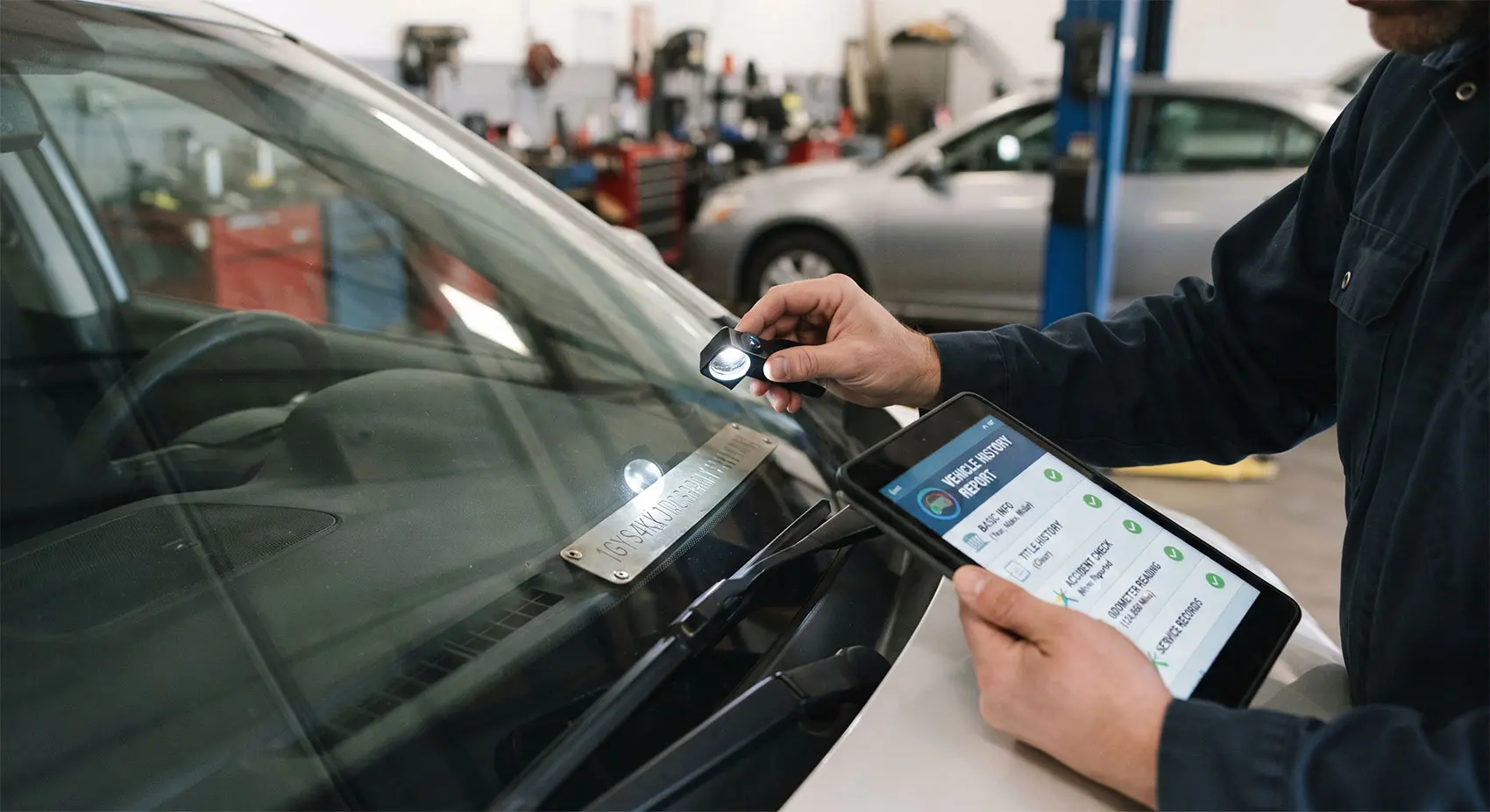
Shopping for a used hybrid can feel intimidating because you cannot visually inspect the health of a chemical battery cell. However, you do not have to buy blindly. By using a few inexpensive tools and paying close attention during the test drive, you can accurately diagnose a hybrid battery's health before signing any paperwork.
1. Perform a Real-World Dashboard and Fuel Economy Check
Before plugging in any diagnostic equipment, let the vehicle do the talking during your test drive. Turn on the car and let it warm up.
-
Monitor the Multi-Information Display: Watch the energy flow monitor closely. The battery graphic should charge and discharge smoothly as you drive. If you notice the battery charge level rapidly jumping from full to nearly empty within just a few blocks of city driving, the pack is likely struggling to hold its capacity.
-
Watch the Odometer and MPG Counter: Reset the trip computer and drive a mix of city streets and highways. If the lifetime or trip fuel economy is significantly below the EPA rating (by more than 10–15%), it may indicate that the internal combustion engine is overcompensating for a weak, degraded battery pack.
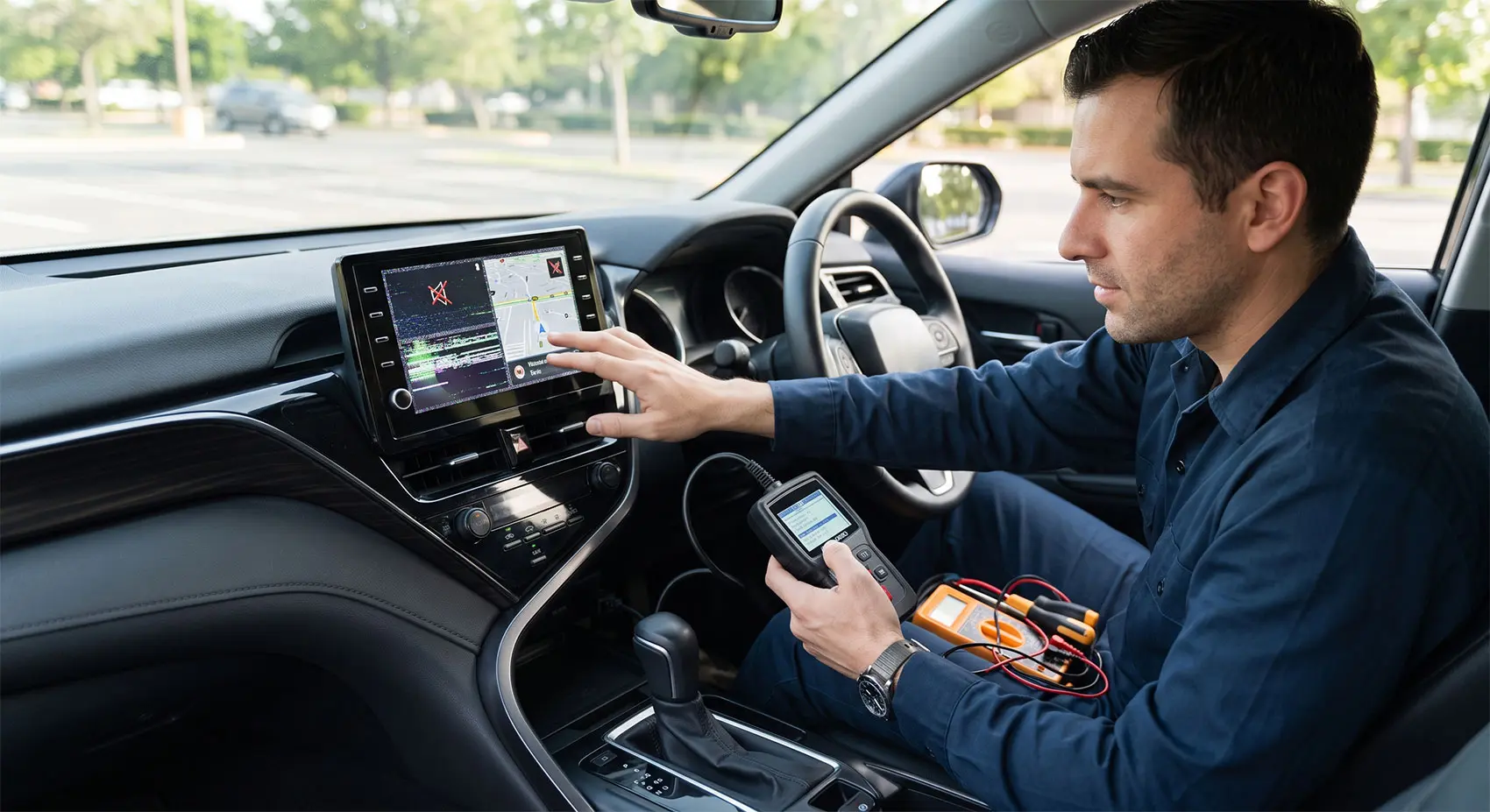
2. Connect an OBD2 Scanner and Diagnostic App
The absolute gold standard for buying a used hybrid is checking the individual cell voltages. You can do this yourself for under $30.
-
Get the Gear: Purchase a basic Bluetooth OBD2 (On-Board Diagnostics) scanner online and download a specialized hybrid diagnostic app like Dr. Prius or Car Scanner ELM327.
-
Run a Health Test: Plug the scanner into the port beneath the driver-side dashboard and open the app. The software will show you a real-time map of the battery pack's internal resistance and individual block voltages.
-
Look for Delta Voltage: The most critical metric is the "Delta Voltage" the difference between the highest-charging cell and the lowest-charging cell. In a healthy pack, this variance should be less than 0.2 volts. If a single block dips significantly lower than the rest, that specific module is failing and will eventually drag down the entire battery pack.
Maximizing Longevity: Proactive Maintenance Tips for Beginners
You do not need an advanced degree in automotive engineering to keep your hybrid battery running flawlessly. In fact, some of the most effective habits for preserving cell health require no tools at all. By integrating a few simple checks into your regular car care routine, you can actively counteract the natural degradation process.
1. Maintain a Pristine Battery Cooling Vent
As established, heat is the ultimate enemy of battery longevity. Your car's cabin air conditioning acts as the primary cooling mechanism for the battery pack.
-
Locate the Vent: Find the small plastic grille usually positioned on the side of the rear seat cushion or under the rear seats.
-
Clear the Area: Never place backpacks, coats, or heavy blankets directly against this grille. If you block this intake, the battery temperature can skyrocket within minutes of highway driving.
-
Regular Cleaning: If you transport pets, vacuum this vent weekly. Fine pet hair and dander are notorious for bypassing the external mesh and coating the internal fan blades, leading to silent overheating.
2. Practice Smooth, Predictive Braking
The way you touch the brake pedal directly impacts how energy moves into your battery cells. Sudden, aggressive braking forces the vehicle to bypass regenerative braking entirely and engage the mechanical friction brakes to stop you safely. This wastes kinetic energy as heat.
Instead, practice predictive braking. When you see a red light or a slowing flow of traffic ahead, lift your foot off the accelerator early and apply light, steady pressure to the brake pedal. This maximizes the time the electric motor spends in generator mode, sending a gentle, steady stream of current back into the battery pack rather than a massive, violent spike of electricity.
3. Master the 40-80% State-of-Charge Rule
While the car’s internal software does an exceptional job of managing the battery's health buffer, your driving style can assist it. Avoid letting the car sit with a highly depleted battery. If you've been running errands using mostly electric power and notice your battery display gauge is down to its last two bars, try to drive a few miles on the highway or allow the gas engine to run smoothly to bring the charge back up to a comfortable midpoint before parking the vehicle for the night.
Conclusion: Stepping into the Hybrid Era with Confidence
The anxiety surrounding hybrid battery longevity is a relic of the past, fueled by old myths from the early days of automotive electrification. Looking at the landscape in 2026, the data completely refutes these fears. Modern hybrid electric vehicles (HEVs) and plug-in hybrids (PHEVs) are among the most reliable, long-lasting machines on the road. Thanks to brilliant engineering buffers like the State-of-Charge sweet spot, these battery packs are shielded from the brutal degradation cycles that plague our everyday personal electronics.
When you purchase your first hybrid, you are not buying into a financial gamble; you are investing in a highly optimized system designed to protect itself. Backed by extensive manufacturer warranties—frequently stretching up to 10 years or 150,000 miles—automakers have made it clear that they stand firmly behind the durability of their technology.
Stepping into the hybrid market is a smart, forward-thinking move that delivers immediate financial relief at the pump without giving you an unpredictable maintenance headache down the line. Armed with the right knowledge, you can leave battery anxiety in the rearview mirror and drive your new hybrid into the future with absolute, unshakeable confidence.




Written by Maarukh Shahbaz
Published Jun 15, 2026 in Buying Guides.