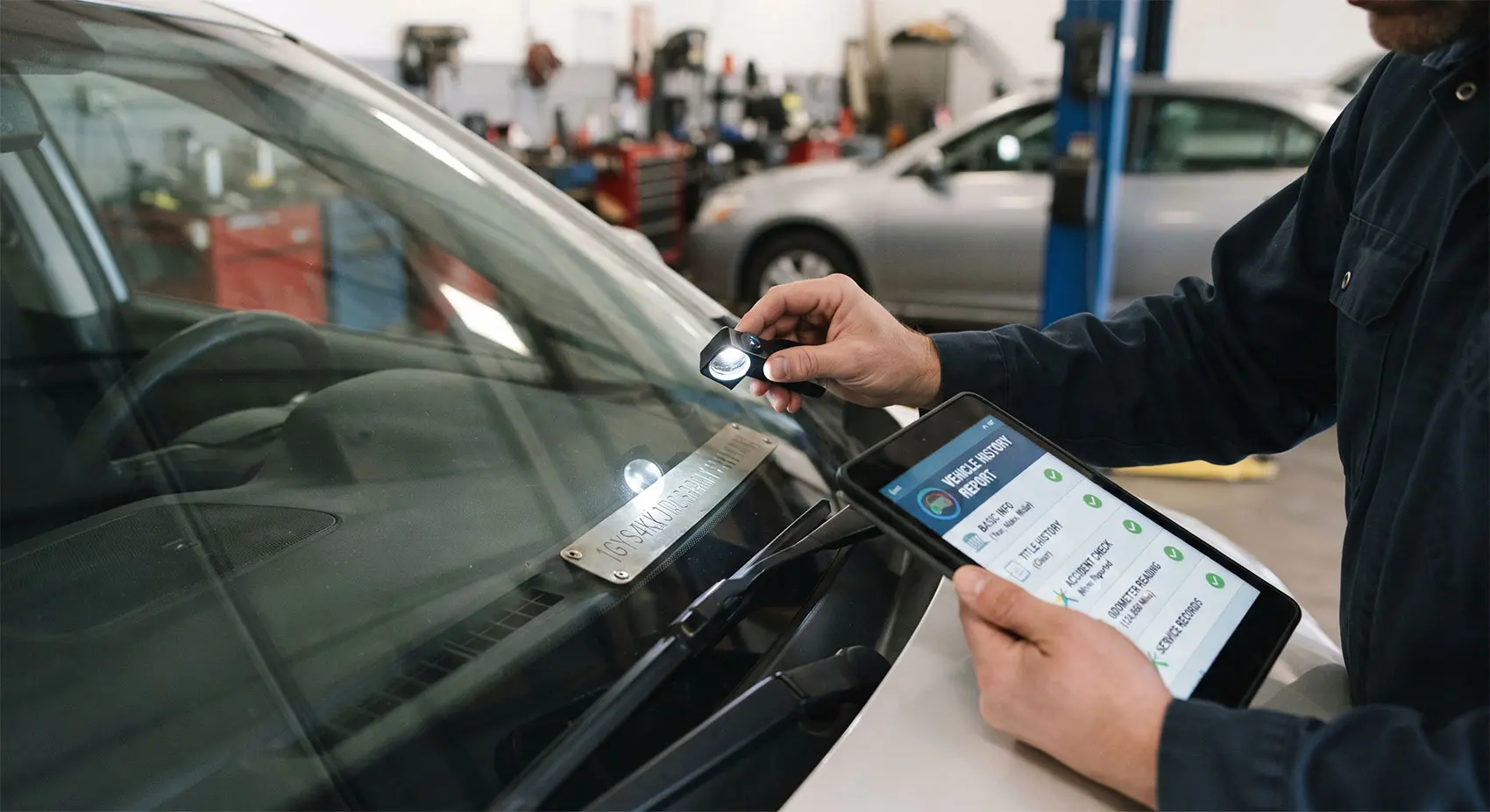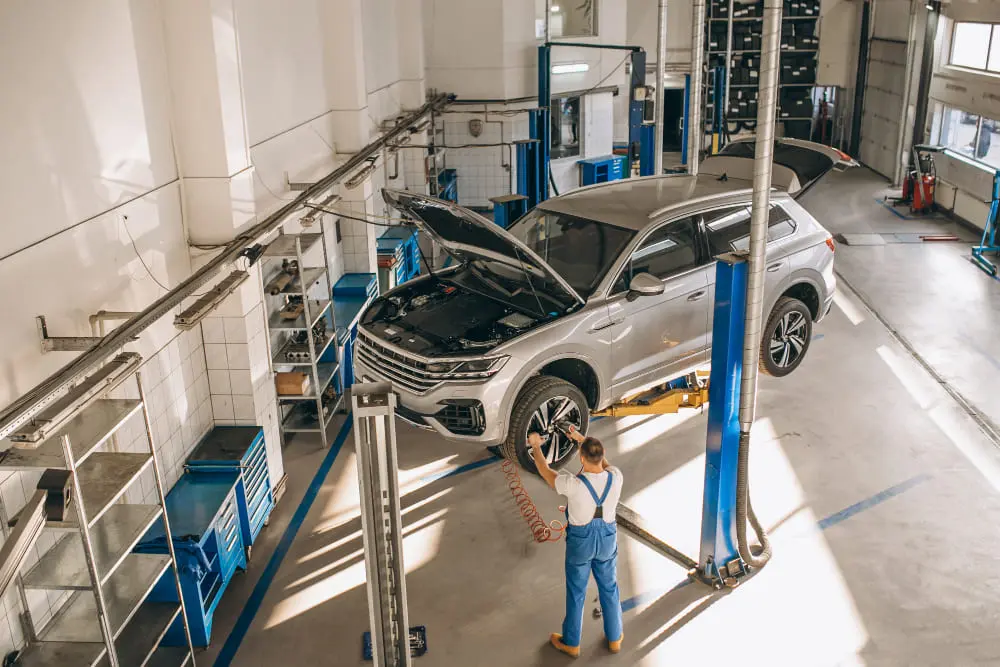
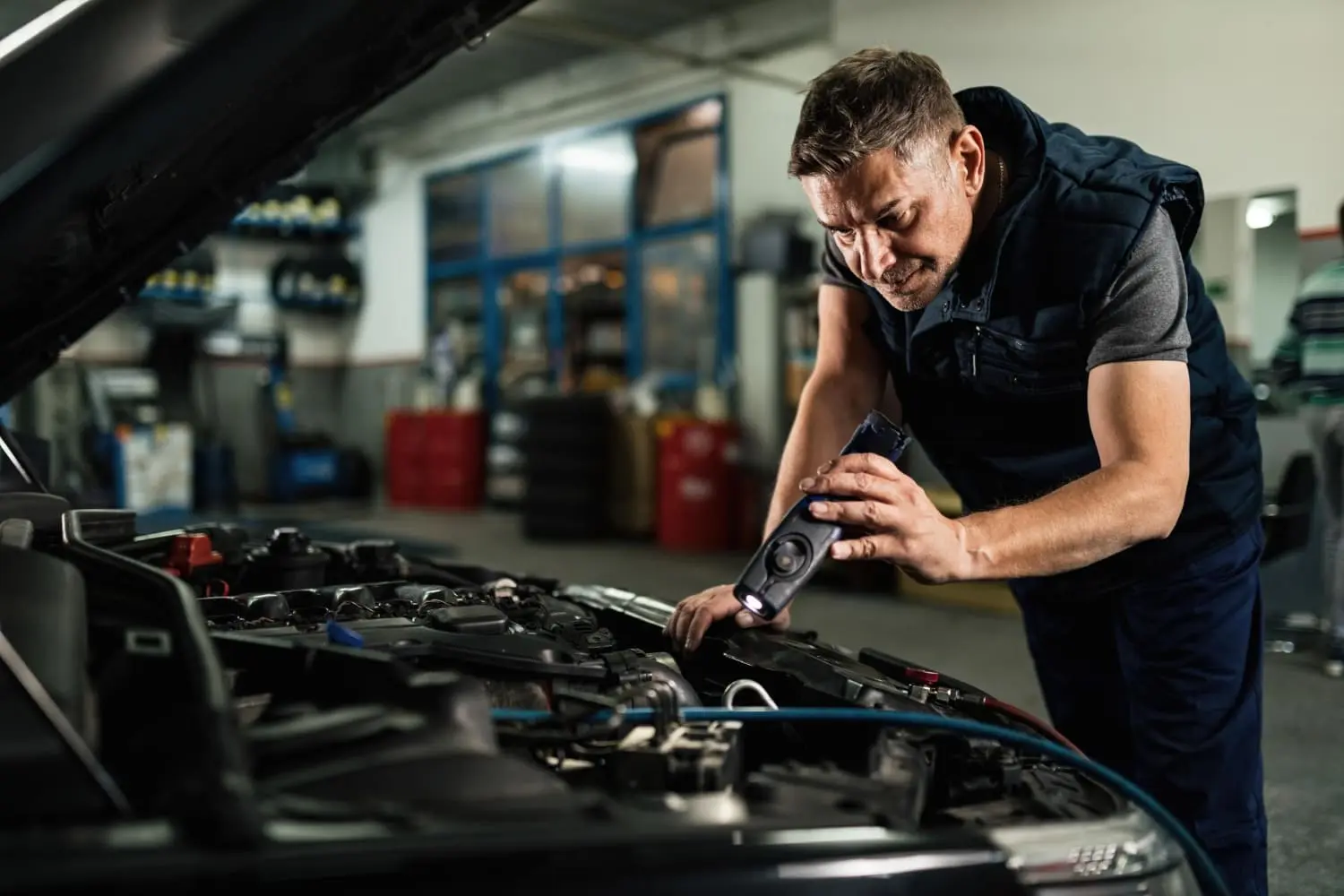
Every month, millions of drivers funnel hard-earned money straight into mechanic shops for problems that could have been completely avoided. It is easy to view routine vehicle care as a tedious, expensive chore, an annoying bill that pops up when you would rather spend your cash elsewhere. However, postponing minor maintenance is one of the most effective ways to trigger a massive financial hemorrhage down the road. Modern automobiles are complex, highly integrated systems built with tight tolerances. When one component is neglected, it rarely fails in isolation. Instead, it places an abnormal strain on surrounding parts, setting off a domino effect of mechanical failures that quickly multiply your repair bills.
Consider the psychology of car ownership: a squeaking belt or a dashboard warning light is easy to ignore when the car still seems to drive fine. We rationalize putting off the shop visit, hoping the issue will magically resolve itself or wait until a more convenient month. Unfortunately, automotive physics does not negotiate. A minor oversight like a delayed fluid flush or a slightly underinflated tire quietly works against your engine's efficiency every single second you are on the road. Over weeks and months, this silent drain shows up as plummeting fuel economy, accelerated wear, and, ultimately, catastrophic component failure.
To protect your wallet, you need to understand where the hidden financial traps lie. By shifting your mindset from reactive repairs to proactive maintenance, you can keep your vehicle running efficiently for hundreds of thousands of miles without bleeding cash. In the sections below, we break down the critical car maintenance mistakes that are quietly draining your bank account and how you can fix them before they cost you a fortune.
Ignoring Routine Oil Changes and Fluid Flushes
Few oversights drain your wallet quite as effectively as pushing your luck with routine oil changes and fluid flushes. Engine oil is the lifeblood of your vehicle, responsible for lubricating hundreds of precision-machined metal parts moving at incredible speeds. When you stretch an oil change from 5,000 miles to 10,000 miles just to save a few bucks, the oil begins to degrade, breaking down under intense heat and pressure. It loses its viscosity and turns into a thick, tar-like sludge. This sludge coats vital internal components, restricts oil passages, and creates intense friction. Over time, this friction leads to warped piston rings, scored cylinder walls, and ultimately catastrophic engine failure that can easily cost upwards of $4,000 to $7,000 to replace, dwarfing the cost of a simple $50 oil change.
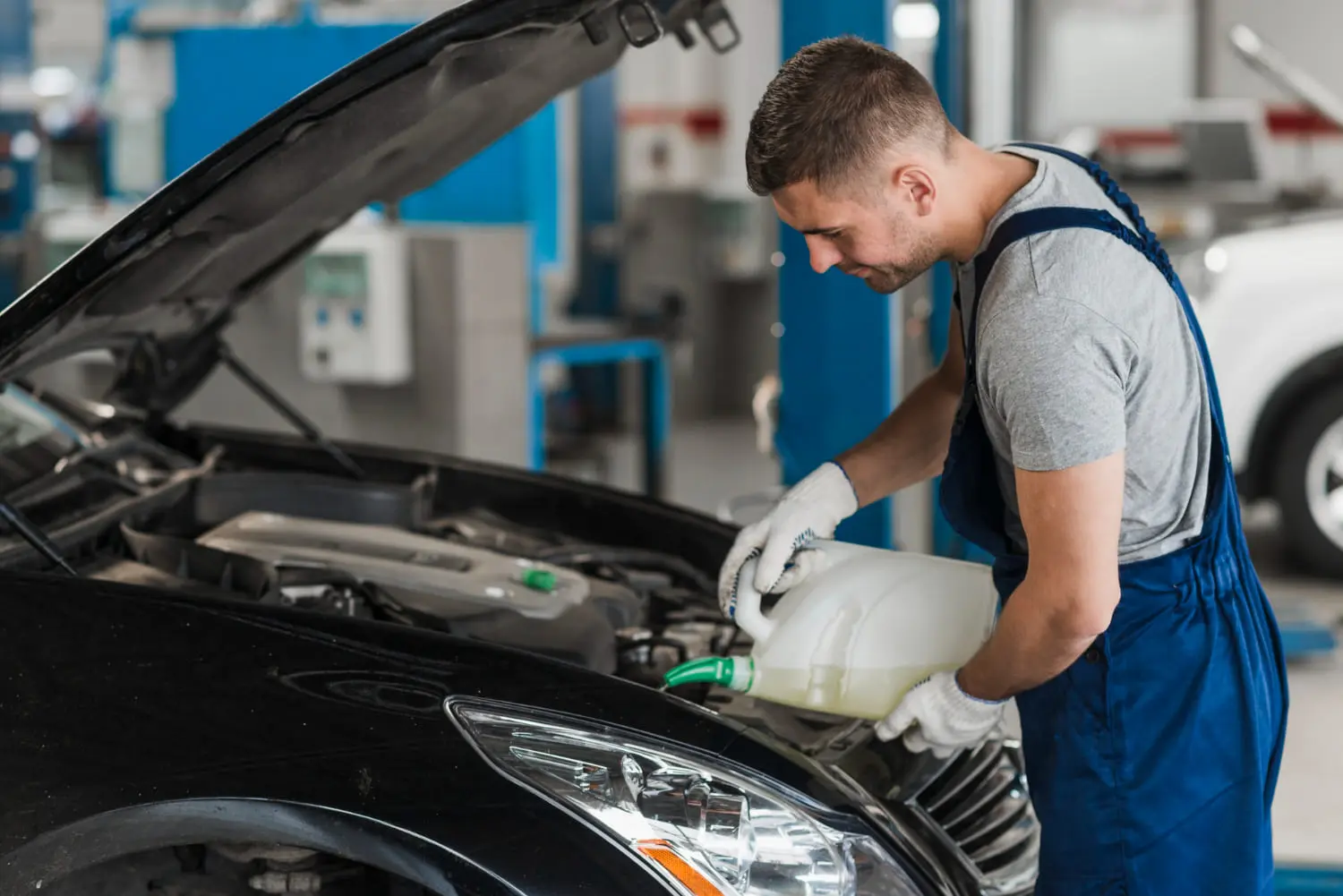
Beyond engine oil, vehicles rely on a complex network of hydraulic fluids, including transmission fluid, coolant, power steering fluid, and brake fluid. Drivers frequently operate under the dangerous assumption that these fluids last the lifetime of the vehicle. Transmission fluid, for instance, lubricates gearsets and handles hydraulic pressure shifts. When left unchanged, it accumulates metal shavings and loses its thermal stability, causing erratic shifting, clutch slip, and transmission overheating. A proactive $150 transmission flush prevents a sudden $3,500 transmission rebuild. Similarly, degraded coolant loses its anti-corrosive properties, allowing rust to eat through your radiator, water pump, and heater core from the inside out.
The financial logic here is undeniable: small, predictable preventative maintenance costs are the ultimate insurance policy against astronomical emergency repairs. By keeping a strict calendar for fluid changes, you remove the risk of premature component wear and maintain your vehicle’s resale value. Treating your car's fluids as optional is a short-term gamble with guaranteed long-term losses.
Delaying Brake Pad and Rotor Replacements
When it comes to vehicle safety systems, few components absorb as much physical abuse as your brakes. Yet, putting off a routine brake pad replacement is one of the most common ways drivers gamble with both their safety and their savings. Brake pads are designed with a sacrificial friction material that wears down progressively every time you press the pedal. Embedded within many quality pads is a small metal indicator designed to emit an unmistakable squeal when the material gets dangerously thin. Ignoring that sound means the friction layer completely disintegrates, leaving bare steel backing plates to slam directly against your brake rotors at every stop.
The economic penalty for this delay is severe. Replacing just a set of worn brake pads is a straightforward, inexpensive maintenance task. However, once metal-on-metal contact occurs, it gouges, grooves, and warps your rotors beyond repair, transforming a basic pad swap into a total rotor and pad replacement job that easily triples your repair bill. Furthermore, severely compromised brakes place uneven stress on your vehicle's calipers, hydraulic brake lines, and even your front-end suspension geometry. When one side of your braking system is degraded, your car pulls heavily to one side under heavy braking, accelerating tire wear and risking loss of control.
Real-world financial comparisons reveal a stark reality: spending $150 on timely brake pad replacements prevents an emergency $600 to $900 overhaul involving new rotors, machined calipers, and labor. By treating your braking system with immediate urgency, you protect your bank account from the heavy toll of cascading mechanical damage.
Neglecting Tire Pressure, Alignment, and Rotation
Your tires are the single point of contact between your multi-ton vehicle and the pavement, yet they are frequently treated as invisible until a blowout leaves you stranded on the side of the highway. Neglecting basic tire maintenance specifically tire pressure, wheel alignment, and regular rotation creates an immediate and continuous financial leak. When a tire is underinflated by just a few pounds per square inch (PSI), the tire’s rolling resistance increases significantly. Your engine has to work harder and burn more fuel just to overcome that added drag. According to the U.S. Department of Energy, millions of gallons of fuel are wasted annually simply due to improper tire inflation, which directly translates to hundreds of dollars out of your pocket at the gas pump every year.
Beyond fuel economy, improper alignment and neglected rotations accelerate tread destruction. Front and rear tires experience different loads and wear patterns; without a scheduled rotation every 5,000 to 7,000 miles, your front tires will bald on the shoulders while your rear tires retain deep tread, forcing you to replace all four tires far sooner than necessary. Furthermore, if your wheel alignment is out of specification due to hitting a pothole or curb, your wheels fight each other as you drive straight ahead. This constant friction wears down rubber unevenly and places destructive strain on your steering rack, ball joints, and tie rods.
The financial contrast is stark: a free or $20 monthly tire pressure check and a $40 rotation save you from prematurely shelling out $800 to $1,200 for a fresh set of tires, not to mention expensive steering and suspension overhauls. Keeping your rubber properly maintained keeps your car tracking straight and your wallet intact.
Postponing Air and Cabin Filter Replacements
It is easy to overlook components that hide out of plain sight, and automotive air filters are the ultimate victims of out-of-sight, out-of-mind neglect. Your engine air filter traps dust, dirt, pollen, and debris before they can enter the combustion chambers, while your cabin air filter cleans the air you and your passengers breathe through the HVAC vents. Over time, these filters load up with particulate matter. When an engine air filter becomes completely clogged, it literally chokes the engine, restricting the volume of air required for an efficient air-fuel ratio. To compensate for the lack of air, your engine’s computer injects extra fuel to keep the vehicle moving, instantly torpedoing your fuel efficiency and causing sluggish acceleration.
Furthermore, a severely neglected engine air filter plays havoc with delicate modern sensors, particularly the Mass Air Flow (MAF) sensor and oxygen sensors. As unfiltered or turbulent air forces its way past a deteriorating filter, microscopic dust particles coat the sensitive heated wires of the MAF sensor. A dirty MAF sensor miscalculates airflow data, sending faulty metrics to the engine control unit and triggering a cascading failure of check-engine lights, rough idling, and incomplete combustion. Meanwhile, ignoring your cabin air filter forces your vehicle's blower motor to work overtime to push air through a solid wall of trapped grime, frequently burning out the expensive blower motor resistor or motor assembly itself.
The economics of filter maintenance heavily favor early intervention. A brand-new engine or cabin air filter typically costs between $15 and $30 and takes less than five minutes to swap out yourself. Postponing this simple chore leads to a $150 sensor cleaning or replacement, a $300 HVAC blower motor repair, and a permanent waste of fuel every time you step on the gas pedal. Keeping clean filters installed is one of the highest-return DIY tasks a vehicle owner can perform.
Skipping Battery Health Checks and Electrical Maintenance
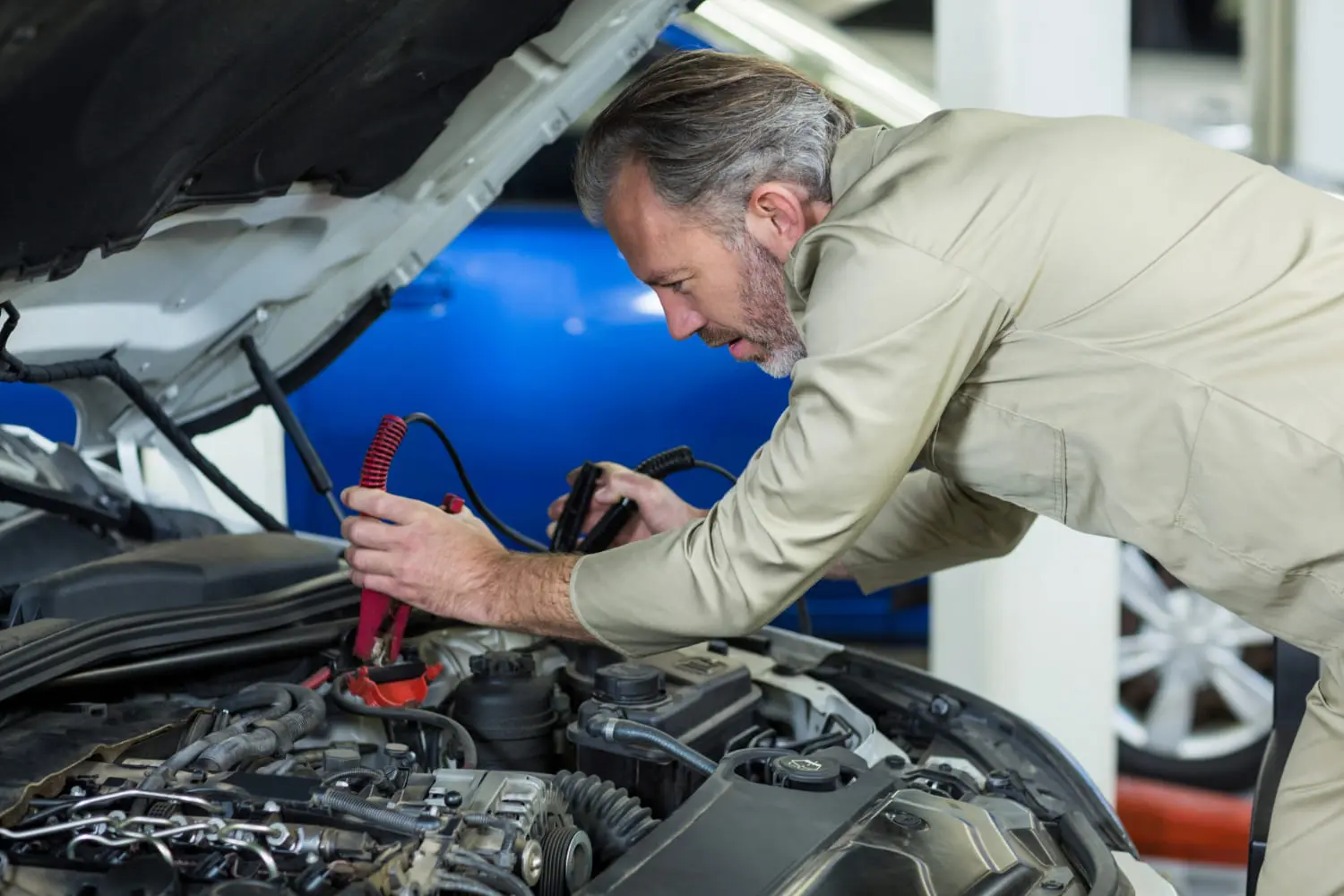
Modern vehicles rely heavily on complex electrical architectures. From engine control modules and fuel injectors to power windows, entertainment screens, and advanced driver-assistance systems, everything depends on a stable and continuous stream of electrical power. At the center of this network is your car battery, supported by the alternator and starter motor. Unfortunately, electrical maintenance is frequently ignored until the car simply refuses to start on a freezing morning. Neglecting routine battery health checks, failing to clean corroded terminals, and ignoring early signs of electrical strain can transform a cheap preventative fix into a costly emergency.
Car batteries have a finite lifespan, typically lasting three to five years. As they age, internal plates sulfate and lose their ability to hold a proper charge, forcing the alternator to work overtime to compensate. When you ignore slow cranking or electrical flickering, you place immense thermal and mechanical stress on your alternator and starter motor. Furthermore, hidden parasitic draws where faulty aftermarket accessories or failing modules continue draining power while the vehicle is turned off can completely fry a healthy battery overnight. Cleaning battery corrosion and testing voltage takes minutes, yet drivers routinely skip it until they find themselves stranded in a parking lot, forced to pay inflated emergency towing fees and high retail prices for replacement parts on the spot.
The financial breakdown is simple: testing your battery regularly and replacing it proactively every few years costs around $120 to $200. Conversely, dealing with a stranded vehicle on the highway triggers immediate towing expenses, roadside service fees, and emergency part markups that can easily double your out-of-pocket costs. By staying ahead of electrical maintenance, you ensure reliable ignition and protect your entire onboard power system from premature burnout.
Conclusion
Car maintenance is rarely viewed as an exciting aspect of vehicle ownership, yet it remains the single most powerful financial lever you have to protect your hard-earned money. Throughout this guide, we have explored how minor oversights, from delayed oil changes and neglected brake pads to underinflated tires, dirty air filters, worn spark plugs, and ignored electrical systems quietly compound into massive, multi-thousand-dollar emergency repair bills. When you push your vehicle past its recommended service intervals, you aren't actually saving cash; you are simply taking out an exorbitant, high-interest loan against your car's future reliability. The mechanical stress caused by deferred care inevitably triggers a domino effect of premature wear, dragging down your fuel economy, destroying surrounding components, and leaving you vulnerable on the side of the road.
Shifting your mindset from a reactive approach to proactive maintenance transforms your vehicle from an unpredictable financial drain into a dependable, long-term asset. By performing routine checks, changing fluids on schedule, and addressing small mechanical warnings before they escalate, you ensure maximum efficiency, preserve your safety, and drastically lower your overall cost of ownership. Caring for your car properly is ultimately an act of financial self-preservation. Treat your vehicle with consistency and attention today, and it will reward you with thousands of trouble-free miles and a noticeably thicker wallet tomorrow.


Written by Maarukh Shahbaz
Published Sep 10, 2026 in Maintenance & Tips.