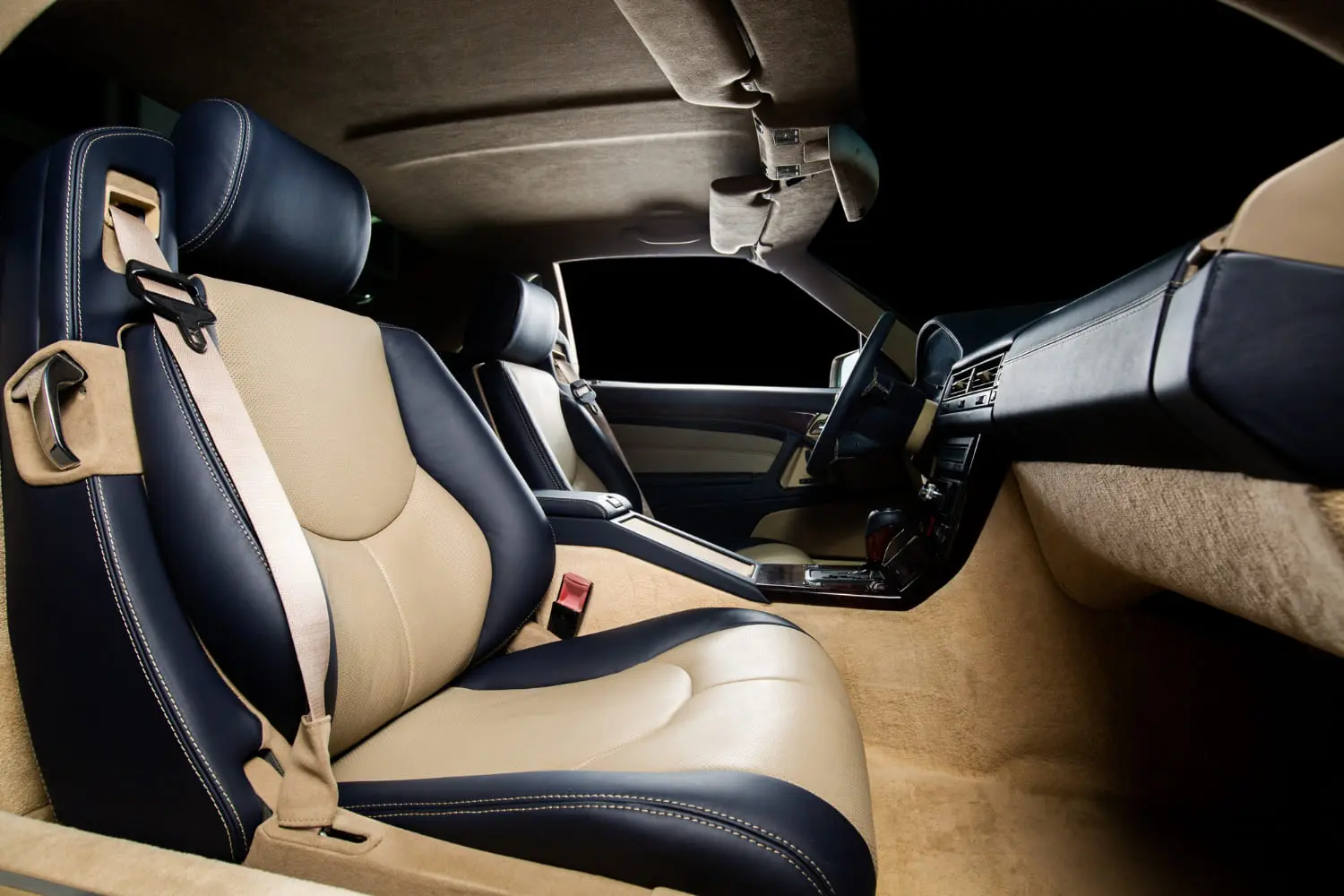
When shopping for a new or pre-owned vehicle, the engine specs, fuel economy, and exterior styling usually capture initial attention. However, once the transaction is complete, your actual daily relationship with the car happens almost entirely inside the cabin. You touch, sit on, and interact with your vehicle's seats every single mile you drive. Because of this, choosing between genuine leather, modern leatherette (synthetic or vegan leather), and traditional cloth is one of the most critical long-term decisions a car buyer can make.
Vehicle interiors face a constant, harsh barrage of environmental and physical stresses. Intense ultraviolet (UV) radiation beating down through glass, extreme thermal fluctuations between freezing winters and scorching summers, friction from rough clothing fabrics, accidental beverage spills, body oils, and pet claws all work relentlessly against your cabin materials. While every car interior looks pristine on the dealership showroom floor, the true measure of automotive upholstery is how it performs five, eight, or ten years down the road after enduring 100,000 miles of real-world use.
Beyond immediate comfort and aesthetics, your interior upholstery plays a decisive role in long-term ownership costs and vehicle resale value. A car with worn, stained, cracked, or foul-smelling seats will inevitably lose thousands of dollars in trade-in valuation compared to a well-preserved cabin.
Today's market is drastically different from a decade ago. High-tech synthetic leathers have bridged the gap between luxury and utilitarian durability, while advanced woven fabrics challenge old assumptions about cloth longevity. In this comprehensive durability breakdown, we will examine the engineering, wear characteristics, maintenance overhead, and real-world lifespan of genuine leather, leatherette, and cloth interiors to determine which material truly holds up best over time.
Genuine Leather — The Classic Luxury Standard
For over a century, genuine leather has stood as the undisputed hallmark of luxury, craftsmanship, and status in the automotive industry. Derived from cured, tanned, and treated animal hides, authentic automotive leather differs substantially from furniture or apparel grade leather. Manufacturers treat automotive hides with protective topcoats and specialized pigments engineered to endure intense friction, rapid thermal cycling, and constant physical pressure. Higher-end trims frequently showcase varieties such as semi-aniline, top-grain, or supple Nappa leather, prized for their rich aroma, buttery tactile softness, and elegant natural grain patterns.
When it comes to durability over time, genuine leather presents a fascinating paradox: it has the potential to outlive nearly every other cabin material, but only if you are willing to invest the necessary time and effort into disciplined maintenance.
-
Natural Elasticity vs. Creasing: Authentic leather is an organic, porous material containing natural oils and fibers that flex with body weight. Over 3 to 5 years, high-contact areas like the driver’s seat side bolsters inevitably develop gentle wrinkles and character creases known as "patina." While enthusiasts celebrate this aged elegance, neglected leather tells a vastly different story. Without hydration, continuous UV radiation and dry cabin heat strip away essential oils, causing the protective topcoat to harden, shrink, and form deep, unsightly fissures that eventually tear.
-
Maintenance Burden and Protection: Genuine leather demands a proactive maintenance routine. Owners must perform bi-monthly wipe-downs to clear away micro-abrasives (like dust and sand) that act like sandpaper against the hide, paired with quarterly applications of pH-balanced leather conditioners and dedicated UV-blocking protectants. If a deep tear or dye transfer from denim occurs, repairing or re-upholstering authentic hide requires specialized upholstery craftsmanship, costing anywhere from $300 to over $1,000 per seat.
-
Real-World Climate Behavior: Genuine hide is naturally sensitive to extreme ambient temperatures. On hot summer days, untreated black leather can reach surface temperatures exceeding 140°F (60°C), making shorts uncomfortable and requiring ventilated seat technology for true comfort. In freezing winter climates, it stiffens until the seat heaters warm the core material.
When meticulously conditioned and shielded from excessive direct sunlight, genuine leather can easily surpass 150,000 miles and 15 years while retaining remarkable structural integrity and unmatched luxury prestige.
Leatherette & Modern Synthetic Leather — The High-Tech Contender
Once dismissed as cheap, sticky vinyl in economy cars of decades past, synthetic upholstery has undergone an engineering revolution. Today’s automotive market relies heavily on sophisticated synthetic alternatives marketed under premium proprietary labels such as Mercedes-Benz MB-Tex, BMW Sensatec, Lexus NuLuxe, and various high-grade "vegan leathers." Far from being a budget compromise, modern leatherette is a meticulously formulated composite typically composed of a durable cloth or microfiber base layer coated with advanced thermoplastic polyurethane (TPU) or engineered PVC. The result is a material that convincingly replicates the grain, suppleness, and visual appeal of authentic hide while completely eliminating organic vulnerabilities.
When evaluating multi-year wear patterns, leatherette consistently proves to be one of the most resilient and stress-tolerant interior surfaces ever placed in a passenger vehicle.
-
Imperviousness to Spills and Absorption: Unlike real hide, which is porous and capable of soaking up liquids, leatherette possesses a non-porous synthetic skin. Spilled coffee, sugary sodas, sunscreen lotion, and baby formula cannot penetrate the surface. This absolute barrier prevents deep-set staining, bacterial colonization, and the persistent sour odors that often plague aging interiors.
-
Exceptional UV Stability and Tear Resistance: Synthetic formulations are chemically stabilized against intense ultraviolet radiation and rapid thermal shifts. In long-term durability tests, leatherette resists cracking, hardening, and peeling far better than unconditioned real leather. The material maintains consistent tensile strength across high-wear zones like driver-side seat bolsters, enduring tens of thousands of ingress and egress cycles without developing the deep creasing or structural stretching seen in natural hides.
-
Effortless Zero-Maintenance Routine: The primary appeal of modern leatherette lies in its virtually nonexistent maintenance overhead. It requires no specialized balms, moisturizers, or costly conditioning routines. Cleaning is as simple as wiping down the surface with a damp microfiber towel and a mild, pH-neutral soap solution. Pet owners frequently prefer leatherette because dog hair does not weave into the surface, and muddy paws wipe off completely in seconds without causing surface gouges.
While older purists may still miss the subtle organic fragrance and bespoke prestige of genuine hides, modern leatherette delivers unmatched real-world toughness, making it the most stress-free upholstery option for busy commuters, rideshare operators, and active families.
Cloth & Fabric Interiors — The Workhorse Alternative
Cloth and woven fabric interiors remain the foundational standard across mainstream passenger vehicles, trucks, and entry-level luxury specifications. Far from the loose, fragile velours of past eras, modern automotive fabrics are high-performance engineering marvels. Today's cloth seating surfaces are woven from heavy-duty synthetic yarns, primarily high-denier nylon, recycled polyester blends, and specialized moisture-wicking microfibers. These textiles are designed to withstand tens of thousands of abrasive friction cycles from heavy denim, metal rivets, and daily passenger movement without snapping threads or thinning out.
From an engineering and long-term durability perspective, cloth represents a specialized balance of physical toughness and vulnerability to contaminants:
-
High Tear and Puncture Resilience: Quality automotive cloth features tremendous tensile strength. Unlike leather or vinyl, which can suffer catastrophic tear propagation once punctured by a sharp object or pet claw, woven fabric distributes mechanical strain across thousands of interlocking fibers. It does not crack under intense sub-zero temperatures, nor does it suffer from the surface hardening or peeling that plagues neglected hides and lower-grade plastics.
-
Thermal Comfort and Breathability: The most distinct advantage of cloth over leather and leatherette is its natural thermal regulation. Fabric is naturally porous and breathable, preventing the sticky, sweaty discomfort commonly experienced on non-ventilated solid surfaces during hot summer afternoons. Furthermore, fabric does not turn icy to the touch during freezing winter conditions, making it inherently comfortable regardless of whether a vehicle is equipped with premium climate-controlled seats.
-
Staining, Odor, and Liquid Absorption Vulnerabilities: The primary durability downfall of cloth lies in its open, absorbent matrix. When coffee, milk, or sugary liquids spill onto fabric, the liquid immediately penetrates the weave and saturates the underlying seat foam. Without immediate deep extraction using specialized upholstery shampooers, liquids leave dark water rings, harbor bacteria, and create lingering cabin odors. Additionally, pet hair weaves tightly into the fabric weave, requiring dedicated rubber brushes or pet-hair removers to extract.
While cloth requires deep wet-extraction cleaning to combat stains and biological odors, its core structural weave can effortlessly survive 200,000 miles without tearing, cracking, or flaking, making it an extraordinarily durable mechanical choice for utilitarian drivers.
Head-to-Head Comparison: The 5-to-10 Year Durability Test
To truly understand how these materials perform across a full vehicle ownership cycle, we must evaluate them under real-world stressors over a simulated 5 to 10-year period (75,000 to 150,000 miles). Each upholstery type reacts uniquely to mechanical friction, environmental factors, and biological hazards.
-
Environmental Resilience (Heat, Cold & UV Radiation):
-
Leatherette (Winner): Modern synthetic polyurethane compounds remain chemically inert under relentless UV exposure. They show negligible fade and zero risk of drying out or cracking, even when parked outside unshaded for years.
-
Cloth: Handles extreme heat and sub-zero temperatures comfortably without physical deformation, but unprotected fabric dyes can experience noticeable sun bleaching across rear headrests and upper seatbacks over 7+ years.
-
Genuine Leather: Highly vulnerable to unshaded sun exposure. Without regular conditioning and UV sealants, ambient heat bakes out moisture, causing the hide to shrink, harden, and crack along flex lines.
-
-
Family, Pet & Spill Survival:
-
Leatherette (Winner): Impervious to liquid penetration. Pet claws slide over tough synthetic topcoats without snagging, pet fur does not embed, and sticky juice or coffee spills wipe away completely with a damp cloth.
-
Genuine Leather: Resists brief surface spills if wiped immediately, but acidic liquids or oils can penetrate untreated seams or worn topcoats. Sharp pet claws can leave permanent gouge marks in soft Nappa hides.
-
Cloth: Extremely susceptible to liquid absorption. Uncleaned spills soak directly into underlying polyurethane seat foam, causing permanent water rings and bacterial odors. Pet hair weaves into textile fibers, requiring aggressive vacuuming.
-
-
Wear Patterns & Long-Term Mechanical Stress:
-
Genuine Leather: Develops aesthetic wrinkles and flex lines (patina). Driver bolster wear is common, but structural longevity is immense if properly hydrated.
-
Leatherette: Maintains factory-fresh appearance for 6–8 years. In budget formulations after 10+ years, severe fatigue can cause delamination (the top synthetic skin separating from the fabric backing).
-
Cloth: Resists bolster cracking and tearing completely. Mechanical wear appears as slight thinning or "pilling" of yarn in high-friction driver contact zones.
-
Impact on Resale Value & Buying Decision Guide
When trading in or privately selling a vehicle, the mechanical state of the engine is only half the equation; the visual and olfactory condition of the cabin provides the prospective buyer with immediate psychological cues regarding how well the vehicle was maintained. A pristine interior conveys disciplined ownership, whereas torn, creased, or stained seats immediately trigger lower appraisal offers and prolonged negotiation deductions.
Understanding the direct financial impact of each material helps you align your choice with your personal ownership timeline:
-
Resale Value & Depreciation Impact:
-
Genuine Leather: Still commands the highest appraisal premium in the secondary luxury and near-luxury market. However, this is a double-edged sword: well-conditioned leather adds between $500 and $1,500 to a 5-year-old vehicle's value, but cracked, dry, or ripped leather can deduct just as much due to high re-upholstery costs.
-
High-Grade Leatherette: Represents the safest long-term financial bet for resale preservation. Because modern synthetic leather maintains its uniform color, structural tightness, and matte finish with minimal effort, 5 to 7-year-old vehicles equipped with MB-Tex or Sensatec often look as clean as new vehicles on the dealer lot. Dealers love appraising leatherette vehicles because they require minimal detail recon before listing.
-
Cloth Interiors: Mainstream buyers expect cloth on economy and utility vehicles, so depreciation is steady and predictable. However, persistent smoke odors, visible water rings, or pet stains will severely degrade trade-in values, often costing $300 to $600 in mandatory detailing fees deducted directly from trade-in allowances.
-
-
Lifestyle & Decision Framework:
-
Choose Genuine Leather if: You prioritize classic luxury prestige, love natural organic textures and scents, keep your car garaged, and do not mind investing 20 minutes every few months into conditioning.
-
Choose Leatherette if: You have children, pets, an active outdoor lifestyle, or use your car for ridesharing. It is the ultimate choice for owners who want the aesthetic appeal of leather without the ongoing maintenance stress or susceptibility to liquid damage.
-
Choose Cloth if: You live in regions with extreme climate swings (intense heat or freezing winters), dislike slippery surfaces, want maximum thermal breathability without paying for ventilated seat packages, and drive on a strict budget.
-
Conclusion: Which Interior Truly Holds Up Best?
Determining which interior upholstery material holds up best over time depends heavily on your definition of durability and your willingness to perform routine maintenance. Each material genuine leather, modern leatherette, and classic cloth offers a distinct set of strengths and tradeoffs engineered for different driving environments, family demands, and ownership styles.
If pure, effortless longevity and resistance to real-world accidents (spills, UV rays, mud, and pets) are your primary metrics,high-grade leatherette (synthetic leather) emerges as the clear overall winner. Modern synthetic formulations like MB-Tex, Sensatec, NuLuxe, and premium vegan leathers retain their factory-fresh elasticity, vibrant color, and clean texture for over a decade with virtually zero maintenance beyond a quick wipe-down with a damp towel. It completely eliminates the organic cracking and drying risks of natural hide while offering vastly superior stain and liquid resistance compared to fabric.
However, for dedicated automobile enthusiasts who value classic luxury, natural breathability, and rich tactile prestige, genuine leather remains unbeatable provided you commit to consistent cleaning and UV conditioning every few months. Without proper hydration, real hide deteriorates faster under intense sun exposure than synthetic options. Meanwhile, cloth upholstery remains the undisputed champion of extreme thermal comfort and raw mechanical tear resistance, making it a reliable, budget-friendly workhorse if you take precautions against liquid spills and deep staining.
Ultimately, matching your cabin upholstery to your climate, household needs, and maintenance habits ensures your vehicle's interior remains attractive, comfortable, and valuable for hundreds of thousands of miles.

Written by Kousar Shabbir
Published Aug 21, 2026 in Maintenance & Tips.