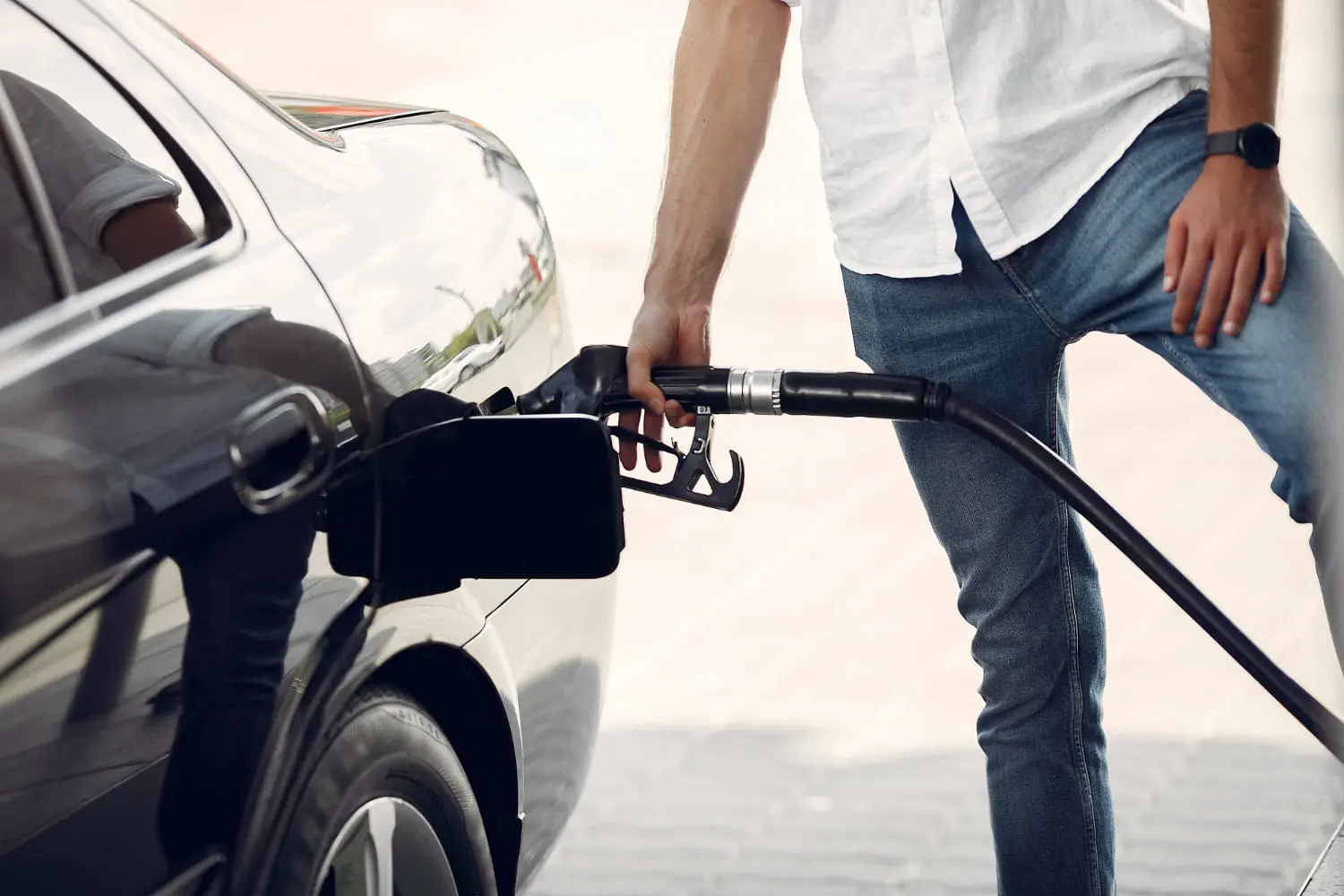
Every morning, millions of drivers across the globe embark on the familiar ritual of the daily commute. Whether you are navigating bumper-to-bumper city traffic or cruising down the highway, that routine drive is quietly draining your wallet and impacting the environment. With fuel prices fluctuating and environmental consciousness becoming a top priority for modern drivers, understanding how to maximize your car’s fuel economy has never been more crucial. It is no longer just about saving a few dollars at the pump; it is about adopting a smarter, more sustainable approach to how we move every single day.
Many drivers view fuel economy as something completely out of their control, dictated entirely by the make, model, and age of their vehicle. However, physics and modern automotive engineering tell a different story. Behind the steering wheel, your driving habits, vehicle maintenance schedule, and route-planning decisions play a massive role in determining how efficiently your engine burns fuel. A few subtle tweaks to your daily routine can bridge the gap between a gas-guzzling commute and an optimized, cost-effective journey.
In this comprehensive guide, we will break down the mechanics of fuel consumption, explore practical eco-driving techniques, highlight critical vehicle maintenance checkpoints that directly influence miles per gallon (MPG), and introduce modern smart-commuting strategies. By the end of this article, you'll have actionable insights to reduce fuel consumption, lower your carbon footprint, and turn your everyday commute into an efficient, wallet-friendly ride. Ready to take control of your fuel economy? Let's dive into the core mechanics of how your car uses energy and how you can start saving on your very next drive.
Understanding the Mechanics of Fuel Economy
To truly master your car's fuel economy during a daily commute, you have to look past the dashboard and understand the invisible forces at play beneath the hood and out on the asphalt. Every time you turn the key in an internal combustion engine, thousands of controlled explosions burn fuel to transform chemical energy into rotational force. However, much of that energy is lost to thermal friction, idling, and overcoming external resistance. In modern vehicles, including hybrids, navigating dense urban grids and stop-and-go traffic is the ultimate efficiency killer. Each time you come to a complete halt, your engine must work twice as hard from a dead stop to overcome the car's stationary inertia, burning a disproportionate amount of fuel in the first few seconds of acceleration.
Beyond traffic flow, your driving inputs dictate how brutally your engine consumes resources. Aggressive acceleration and hard braking are the twin enemies of optimal miles per gallon (MPG). When you stomp on the gas pedal, your fuel injectors flood the combustion chambers with extra fuel to deliver instant power, sacrificing efficiency for speed. Similarly, slamming on your brakes wastes all the kinetic energy your car just burned fuel to build, dumping it uselessly into friction and heat rather than allowing the vehicle to coast smoothly.
Physics also introduces external variables like vehicle weight, aerodynamics, and rolling resistance. Every extra pound hauled around in your trunk forces your engine to exert more energy. Meanwhile, exterior additions like roof racks, cargo boxes, or even driving with your windows rolled down at highway speeds disrupt airflow, creating aerodynamic drag that forces your engine to fight a constant headwind. By understanding these mechanical realities, you can begin to visualize how every physical input and accessory impacts your fuel gauge, setting the stage for smarter, more efficient driving habits.
Smart Driving Techniques for the Daily Commute
When you are trapped in the predictable chaos of a morning or evening rush hour, mastering your vehicle’s physical inputs can transform your fuel economy metrics. The foundational pillar of efficient driving is what automotive engineers call eco-driving: a disciplined approach rooted in anticipation and smooth momentum management. The single most wasteful habit on a daily commute is aggressive acceleration followed by hard braking. Every time you punch the gas pedal to squeeze into a closing gap, your engine burns fuel at maximum capacity. Instead, focus on a gradual, steady acceleration profile, imagining there is an unsealed cup of coffee sitting on your dashboard that you cannot afford to spill.
Anticipation is your greatest ally when it comes to conserving momentum. Pay close attention to the flow of traffic hundreds of feet ahead of you rather than just staring at the bumper of the car directly in front. If you notice brake lights cascading down the lane or a red traffic light turning amber, ease off the accelerator early and allow your car to coast naturally. Coasting consumes virtually zero fuel in modern fuel-injected engines because the vehicle's momentum keeps the engine turning over without needing active combustion injections. By timing your approach smoothly, you avoid coming to a complete stop altogether, preserving the massive amount of kinetic energy required to get a heavy vehicle moving again from a dead stop.
Managing your speed and idling habits also yields immediate dividends. Cruising at excessive highway speeds drastically increases aerodynamic drag; fuel efficiency typically plummets rapidly for every mile per hour you drive over 60 mph. Furthermore, eliminate unnecessary idling. Whether you are waiting outside a school, warming up your engine on a crisp morning, or sitting paralyzed in a gridlocked parking lot, idling gets zero miles per gallon. Modern vehicles consume just a fraction of a cup of fuel per minute of idling, but over months of daily commuting, those wasted minutes add up to gallons of burned fuel and unnecessary emissions. By integrating these deliberate behavioral shifts into your daily drive, you take immediate ownership of your car’s energy consumption.
Vehicle Maintenance Checkpoints That Boost Gas Mileage
While how you handle the steering wheel and pedals dictates a large portion of your daily fuel efficiency, the physical condition of your vehicle plays an equally critical role. Neglected maintenance acts as a constant, invisible tax on your miles per gallon. One of the most common and easily correctable culprits is improper tire pressure. When your tires are underinflated, the contact patch between the rubber and the asphalt increases, creating significantly higher rolling resistance. Your engine must burn extra fuel just to overcome that increased friction. Checking your tire pressure monthly and keeping it precisely at the manufacturer's recommended PSI can instantly improve your fuel economy by up to 3%, saving you hundreds of dollars over the lifetime of a set of tires.
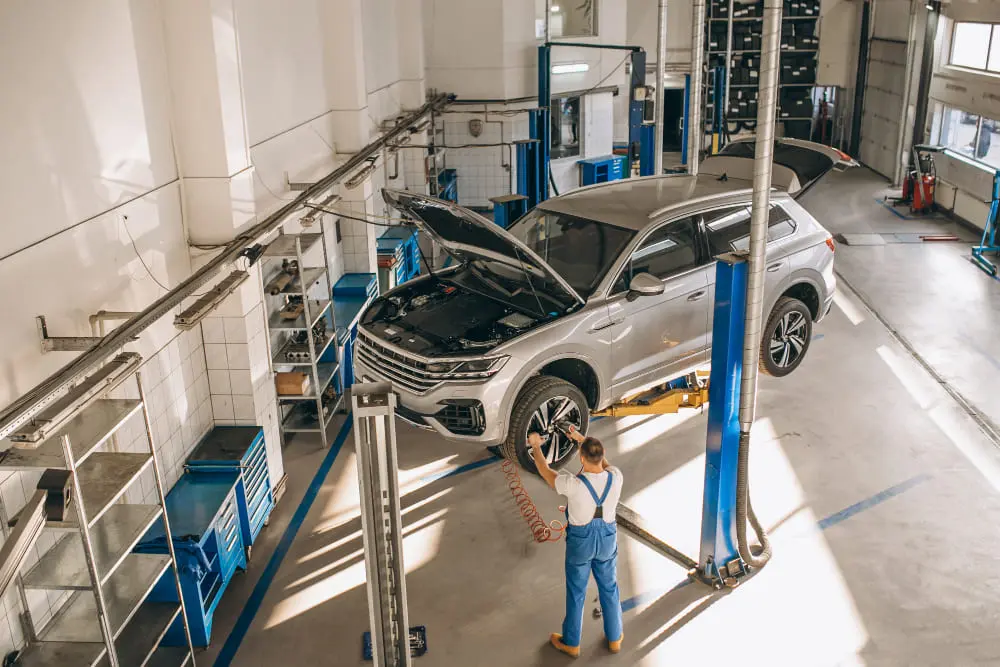
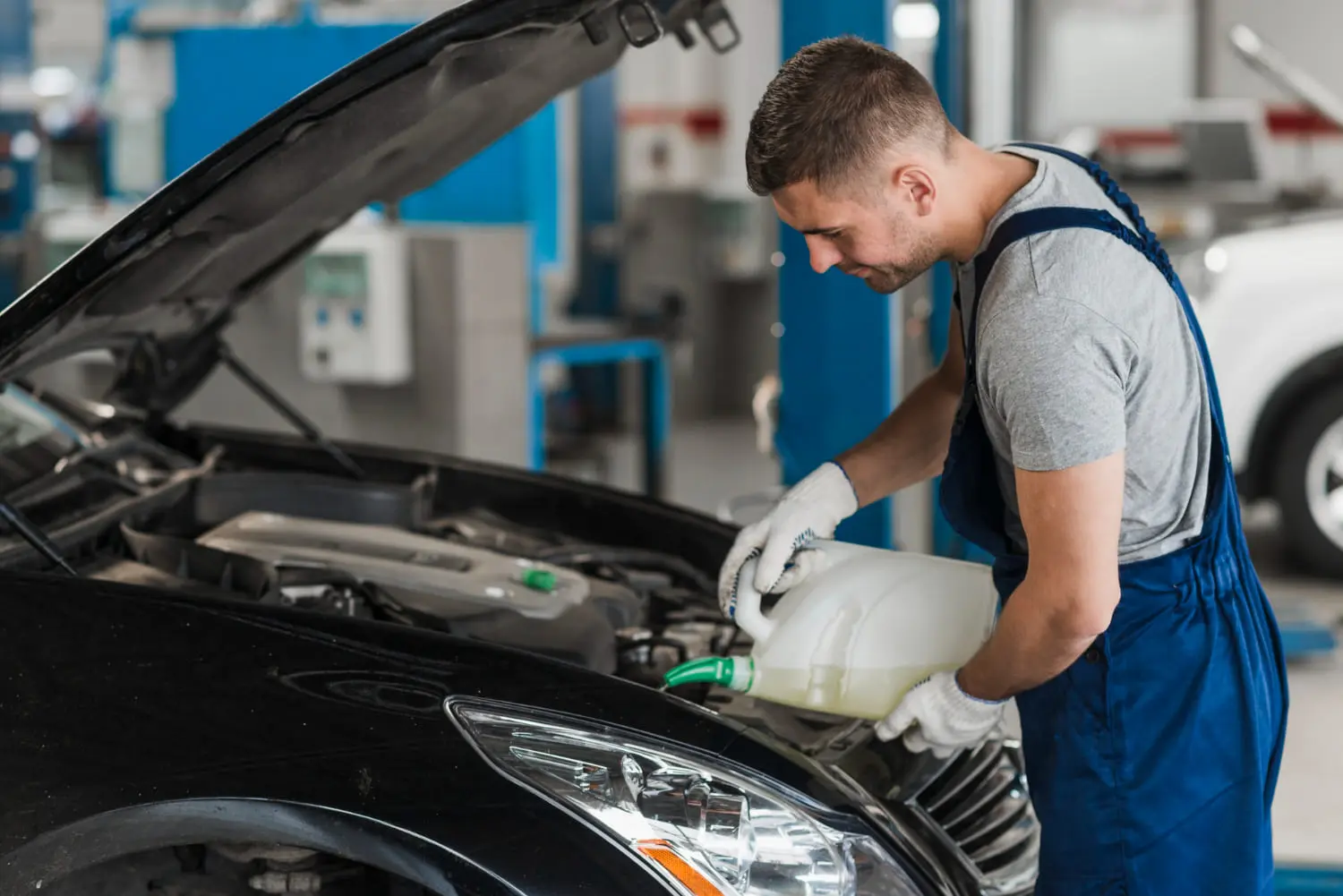
Moving under the hood, clean components are essential for optimal combustion. Air filters clogged with dust, dirt, and road debris choke the engine, forcing it to work harder to draw in the oxygen required to burn fuel efficiently. Similarly, worn spark plugs can cause misfires, leading to incomplete combustion and a drastic drop in your miles per gallon. Sticking to a disciplined maintenance schedule, including timely oil changes with the correct viscosity grade of motor oil, reduces internal mechanical friction. Lower-viscosity oils specifically engineered for modern fuel efficiency allow engine components to glide past one another with minimal resistance.
Finally, evaluate your vehicle's physical load. Many drivers treat their trunk or backseat as a mobile storage unit, hauling around heavy sports gear, tools, or unnecessary cargo week after week. Remember that extra weight requires more energy to accelerate. By decluttering your vehicle and removing non-essential items, you lighten the load on your engine. Combined with clean filters and properly inflated tires, these routine maintenance checkpoints ensure your vehicle operates at peak thermal and mechanical efficiency on every single commute.
Modern Tech and Route Planning Strategies
In the modern automotive landscape, technology acts as your co-pilot in the ongoing battle against low fuel economy. Navigating a daily commute no longer has to rely entirely on guesswork or stubborn adherence to the same congested route. Advanced mapping and navigation applications have revolutionized how we move through urban environments. By leveraging real-time traffic data, these platforms do more than just help you avoid bumper-to-bumper gridlock; they optimize your route for continuous flow. Minimizing stop-and-go situations is one of the single most effective ways to preserve your miles per gallon, as maintaining a steady, rolling momentum burns significantly less fuel than repeatedly accelerating from dead halts at congested intersections.
Inside the cabin, your vehicle’s built-in technology suite offers powerful tools designed specifically to curb fuel consumption. Many modern cars feature dedicated "Eco Modes" that remap throttle responses, soften aggressive acceleration curves, and optimize shift points in automatic transmissions to keep the engine operating in its most efficient power band. Similarly, engaging cruise control on clear stretches of highway eliminates micro-fluctuations in speed caused by subconscious foot fatigue, maintaining a precise, fuel-optimized velocity. If you drive a hybrid or modern fuel-injected vehicle, take advantage of energy flow monitors on your dashboard. These visual displays train your driving behavior in real-time, showing you exactly when your engine is burning gas versus when you are coasting or utilizing regenerative braking.
Finally, accountability breeds long-term improvement. Tracking your fuel economy trends through smart vehicle apps or keeping a digital mileage log transforms abstract efficiency goals into tangible data. When you can directly measure how a week of anticipatory driving, correct tire pressure, and optimized route choices lowers your weekly fuel expenditure, eco-driving stops feeling like a chore and becomes a rewarding challenge. By blending modern navigation tech with your vehicle's smart features, you create an airtight strategy for maximum daily efficiency.
Conclusion
As we wrap up this comprehensive guide on maximizing your vehicle's fuel economy during daily commutes, it becomes clear that efficiency is not a matter of luck or buying an entirely new car; it is a conscious daily practice. By combining intelligent behavioral shifts like anticipatory coasting and smooth acceleration with rigorous maintenance checkpoints such as proper tire pressure and clean air filters, you wield immense power over your fuel consumption. Furthermore, leveraging modern route-planning technology and your vehicle's built-in eco-features transforms a mundane, fuel-draining drive into a streamlined, cost-effective journey. The cumulative savings on your fuel budget over a single year can be substantial, all while significantly reducing your environmental footprint on the road. Now is the time to put theory into practice. Pick just one or two actionable changes from this guide, whether it is checking your tire pressure this weekend or easing off the throttle on your morning drive tomorrow, and experience the immediate financial and environmental benefits for yourself.

Written by Maarukh Shahbaz
Published Sep 7, 2026 in Maintenance & Tips.