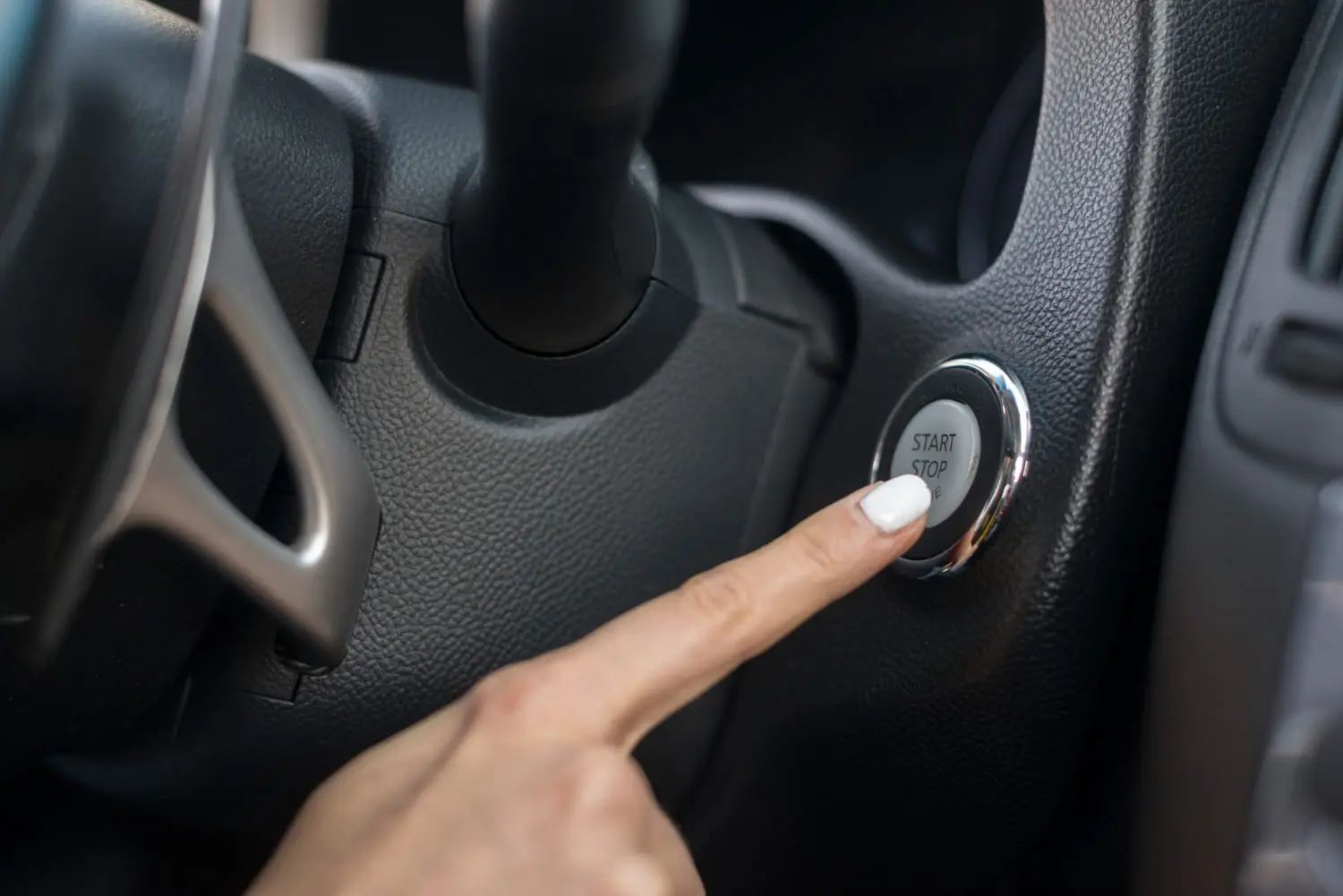
The modern convenience of keyless ignition systems and passive keyless entry (PKE) has fundamentally transformed how drivers interact with their vehicles. Gone are the days of fumbling through pockets or purses for a physical metal key; today, drivers simply approach their cars, pull the handle, push a button, and drive away. This seamless, invisible wireless handshake between your key fob and your vehicle relies on radio frequency identification and low-frequency proximity sensing. However, this exact wireless convenience has opened the door to a sophisticated, high-tech threat vector that has security experts and law enforcement agencies on high alert: the relay attack.
Unlike traditional car theft methods that involve breaking windows, tampering with ignition switches, or hot-wiring dashboard electronics, which often trigger factory alarms, draw unwanted attention, or leave unmistakable physical damage, a relay attack leaves zero signs of forced entry. It is a silent, lightning-fast digital heist that can compromise a fully secured, locked vehicle parked right outside your front door in under 60 seconds. The thieves do not need to steal your physical keys or even break into your home; they simply exploit the natural range limitations of your key fob by tricking your car into thinking the key is right next to the driver's seat.
As automotive cybersecurity threats evolve rapidly in 2026, understanding the mechanics of these vulnerabilities has become essential for every vehicle owner. Modern thieves are utilizing inexpensive, commercially available radio transmitters and signal amplifiers to bridge the gap between homes and driveways. When a key fob is sitting inside a house, perhaps on a kitchen counter, a hallway table, or hanging by the front door, its signal can be captured and artificially extended across dozens of feet of open air or solid brick walls.
This growing security loophole means that convenience is frequently traded off for digital exposure. High-end luxury SUVs, family sedans, and commercial fleets equipped with push-button start features are increasingly falling victim to organized relay crime rings. To combat this threat effectively, vehicle owners must move beyond traditional security mindsets and adopt advanced, proactive countermeasures. Examining how these vulnerabilities work, which models face the highest risks, and what specific steps you can take to safeguard your vehicle is the first line of defense in protecting your automotive investment from modern cyber-theft syndicates.
The Anatomy of a Relay Attack, How Thieves Operate
To understand how modern thieves can steal a high-end vehicle in under 60 seconds without leaving a single scratch, you have to look past the physical machinery and examine the invisible digital bridge they create. Traditional car theft required brute force: picking a physical lock, smashing a window, or tampering with the ignition barrel. Those methods were loud, time-consuming, and frequently triggered factory car alarms or alerted watchful neighbors. Relay attacks completely bypass these physical vulnerabilities by exploiting the very technology designed to make your life easier: passive keyless entry (PKE) and proximity sensing.
At the heart of a relay attack is a two-man team equipped with relatively inexpensive, commercially available radio frequency transceiver devices that can often be assembled using basic electronic components or purchased online. Here is how the sequence plays out in real time:
-
The Perimeter Sweep: The first thief approaches your home, walking close to the front door, windows, or exterior walls where you typically leave your keys. Their device acts as a wide-range receiver scanning for the low-frequency radio waves continuously broadcast by your key fob.
-
The Handshake Amplification: Once the receiver detects the unique identification code emitted by your key fob sitting inside the house, it instantly captures that signal and relays it wirelessly over a high-gain radio frequency channel to the second accomplice standing directly beside your car parked in the driveway.
-
The Deception: The device held by the second thief re-transmits the amplified signal right next to the vehicle's door handle. Your car’s onboard computer receives the signal and assumes the physical key fob is standing right next to the exterior door. The security system disarms, the doors unlock automatically, and the push-button start system engages, allowing the thieves to start the engine and drive away silently in seconds.
Why do traditional security measures fail against this? Factory immobilizers and standard alarms are built to detect unauthorized mechanical intrusion or broken circuits. Because the car genuinely believes the legitimate key fob is present thanks to the relayed radio waves, the factory security system remains completely disarmed throughout the entire process. No alarms sound, no glass shatters, and the vehicle surrenders willingly to the digital illusion.
Vulnerable Vehicles, Hardware Flaws, and Digital Attack Vectors
While relay attacks initially captured public attention for targeting high-end luxury SUVs and premium sports cars parked in upscale residential neighborhoods, the underlying vulnerability is far more pervasive than many drivers realize. Modern automotive engineering prioritizes seamless wireless convenience, embedding passive keyless entry (PKE) and smart-start push-button ignition systems across virtually every vehicle class. From compact city hatchbacks and family sedans to commercial light trucks and electric vehicles, the attack surface for relay heists has expanded exponentially across the entire global automotive landscape.
At the core of this hardware vulnerability lies the radio frequency identification and low-frequency (LF) query protocol utilized by modern key fobs. Unlike traditional mechanical or transponder keys that require direct ignition insertion or manual button activation, a keyless fob exists in a state of continuous or intermittent wireless broadcast. It perpetually listens for low-frequency wake-up signals emitted by the vehicle's exterior antennas and responds by transmitting a high-frequency (HF) authentication code back to the vehicle's body control module (BCM).
Thieves exploit this continuous communication loop by leveraging a fundamental safety flaw in the system's design: the complete absence of distance verification or time-of-flight measurement. Because standard vehicle security architecture assumes that an authenticated signal must naturally originate from within a tight perimeter of one to two meters around the chassis, the onboard computer cannot mathematically discern whether that radio wave traveled organically through open air or was artificially captured, boosted, and beamed across fifty feet of space via a high-gain relay amplifier box.
Furthermore, modern connected vehicle ecosystems introduce compounding threat vectors that magnify these risks. As manufacturers integrate smartphone-as-a-key capabilities, Bluetooth Low Energy (BLE) connectivity, and digital wallet integration alongside traditional fobs, software bugs and insecure pairing protocols can occasionally mirror or exacerbate the vulnerabilities inherent in hardware keyless systems.
Historically, luxury and performance brands including BMW, Mercedes-Benz, Audi, Jaguar, and Land Rover were among the first to experience widespread exploitation due to their early adoption of always-on proximity fobs. However, mainstream volume manufacturers such as Ford, Toyota, Honda, Hyundai, and Kia have faced identical public scrutiny as relay hardware has become cheaper, more portable, and easier for organized criminal networks to deploy on a mass scale. To safeguard modern vehicles against these pervasive digital loopholes, understanding the limitations of factory security is just as crucial as implementing physical and technological countermeasures.
Advanced Countermeasures and Defense Strategies
As relay theft techniques grow more sophisticated, relying solely on factory-installed security measures is no longer enough. Because thieves exploit the continuous, passive broadcast of your key fob, the most effective defense strategy involves either blocking the radio signals entirely or introducing physical barriers that make unauthorized access impossible. Implementing a multi-layered security approach ensures that even if a criminal syndicate targets your vehicle, multiple obstacles will stand in their way.
Here are the primary countermeasures every vehicle owner should adopt to neutralize relay attacks:
-
Low-Cost Physical Defenses (Faraday Pouches & Metallic Tins): The simplest and most accessible defense against relay amplification is a Faraday bag or pouch. Lined with specialized metallic mesh, these pouches act as a Faraday cage, blocking electromagnetic fields. When your key fob is placed inside a closed Faraday pouch, its radio signal cannot be intercepted or amplified by outside transmitters. Alternatively, storing your keys inside a tightly sealed metal biscuit tin or a dedicated signal-blocking box at home achieves the exact same shielding effect.
-
Technological Fixes (Motion-Sleep Fobs & Manual Disabling): Many modern automakers have recognized relay vulnerabilities and begun equipping newer key fobs with built-in motion sensors. These "sleep fobs" automatically shut off their radio transmission if they remain stationary for more than a few minutes, rendering external relay boxes useless while the keys are resting on a nightstand or kitchen counter. If your vehicle lacks a motion-sleep fob, check your car's infotainment settings; many models allow you to manually turn off the keyless entry feature entirely when parking in high-risk locations.
-
High-Security Physical Hardware: For maximum peace of mind, traditional mechanical deterrents provide a powerful backup. Heavy-duty steering wheel locks (such as The Club) serve as an immediate visual and physical deterrent, making it impossible to steer the car even if the engine is successfully started via a relay attack. Additionally, OBD (On-Board Diagnostics) port locks prevent thieves from plugging programming devices into your vehicle’s computer system to code new blank keys, effectively shutting down secondary electronic override tactics.
By combining low-cost signal-blocking habits with robust physical hardware, vehicle owners can completely eliminate the window of opportunity that relay thieves rely on for their sub-minute heists.
Conclusion
As automotive technology continues to advance rapidly, it brings incredible convenience that transforms how we interact with our daily drivers, yet it simultaneously introduces sophisticated entry points for modern digital thieves. Relay attacks highlight a startling reality: a high-end vehicle can be compromised and driven away in under 60 seconds without a single window being smashed, a door lock being forced, or a factory alarm being triggered. The very wireless innovations designed to elevate our driving experience are being weaponized against us, turning passive keyless entry systems into invisible vulnerabilities.
Protecting your vehicle against these high-tech threats requires a permanent shift from a reactive security mindset to proactive digital hygiene. Relying solely on factory-installed locks or traditional security measures is no longer sufficient in an era where criminals use portable radio frequency amplifiers to bridge the gap between homes and driveways. By integrating simple, low-cost habits such as storing your key fobs in Faraday pouches, specialized signal-blocking sleeves, or metal tins well away from exterior walls and windows, you instantly sever the invisible electronic bridge that criminals depend on.
Furthermore, supplementing these daily habits with modern motion-sleep key fobs, heavy-duty mechanical steering wheel locks, OBD port blocks, and driveway security bollards creates a multi-layered defense matrix. These proactive safeguards ensure that your automobile remains firmly protected against organized cyber-theft syndicates. Ultimately, maintaining acute awareness and adopting consistent preventative measures are your absolute best defenses in keeping your automotive investment safe, secure, and right where you parked it.



Written by Kousar Shabbir
Published Aug 27, 2026 in Auto Tech.