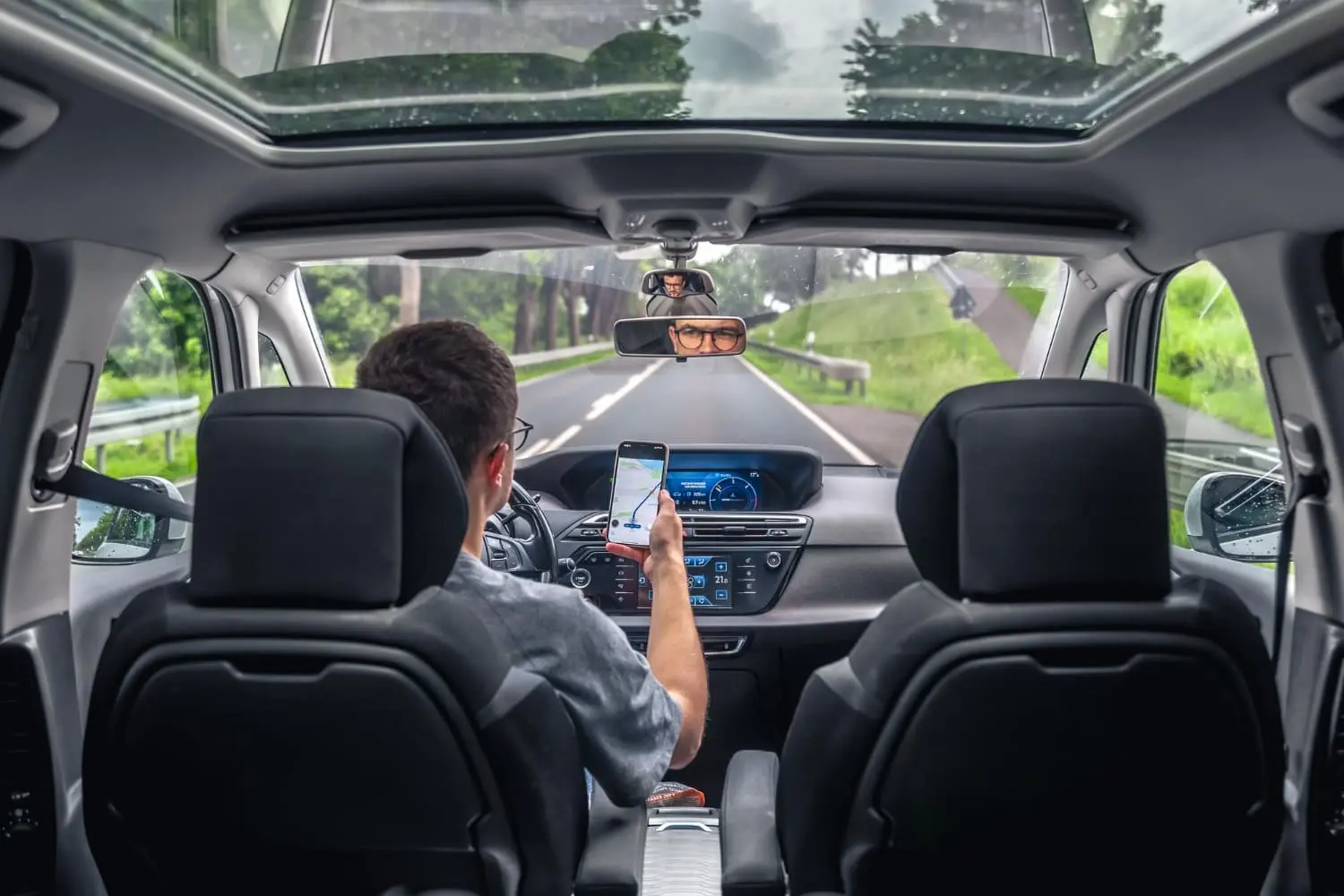
The modern automotive landscape is undergoing a monumental shift, one driven not by horsepower and torque curves alone, but by silicon chips, artificial intelligence, and software architectures. As we navigate through 2026, the modern vehicle has officially evolved from a mechanical mode of transportation into a sophisticated, highly personalized digital ecosystem on wheels. For decades, the interior experience of a car was defined by analog gauges, physical dials, and standalone radios. Today, drivers step into rolling supercomputers capable of learning their preferences, predicting their daily routines, and adapting their entire cabin environment before the engine even turns over.
This rapid transformation is reshaping consumer expectations worldwide. Automotive manufacturers are no longer competing solely on engine performance or fuel efficiency; instead, the battleground has shifted entirely to user experience, seamless connectivity, and intelligent software integration. From pillar-to-pillar glass displays that span the entire dashboard to generative AI assistants that can manage complex schedules and vehicle controls with natural conversational fluency, 2026 models represent a defining milestone in automotive history. For tech enthusiasts, daily commuters, and modern families alike, understanding these advancements is crucial to navigating the next era of personal mobility. In this deep dive, we will explore the breakthrough technologies defining 2026 vehicle models, examining how next-generation displays, predictive artificial intelligence, and software-defined architectures are fundamentally redefining the time we spend behind the wheel.
Next-Gen Vehicle Displays and Pillar-to-Pillar Screens
The physical architecture of the modern automotive cabin has undergone a radical, structural transformation, moving definitively away from fragmented, multi-screen setups and bulky plastic cowlings toward seamless, sweeping glass displays. In 2026 models, pillar-to-pillar screens have become the absolute gold standard for both premium flagships and mainstream electric vehicles. These expansive curved OLED panels stretch uninterrupted from the driver’s door all the way to the front passenger side, integrating instrumentation, climate controls, navigation, and passenger entertainment into a single, cohesive digital canvas. By utilizing cutting-edge micro-lens arrays and advanced adaptive anti-glare coatings, manufacturers have effectively solved the historical issue of direct sunlight washout, ensuring crystal-clear legibility under any lighting condition, from blinding noon glare to pitch-black nighttime driving.
Simultaneously, Augmented Reality Head-Up Displays (AR-HUDs) have evolved from rudimentary speed-and-arrow projections into immersive spatial computing tools. Modern 2026 AR-HUD systems project dynamic navigational cues, real-time pedestrian alerts, and lane-guidance markers directly onto the road ahead, creating a seamless overlay between the digital and physical worlds. For instance, when approaching a complex multi-level highway interchange, the system highlights the exact lane with a glowing, three-dimensional directional arrow that moves in sync with the vehicle's trajectory. This spatial integration allows drivers to keep their eyes locked on the road rather than glancing down at a center console.
However, with this massive increase in screen real estate comes a critical design challenge: cognitive overload. To prevent driver distraction, automakers have implemented highly intelligent zoning and contextual UI design. Non-essential media widgets, social notifications, and passenger entertainment streams are dynamically dimmed or entirely hidden whenever complex driving maneuvers, heavy traffic, or critical safety warnings require the driver's undivided attention. Furthermore, passenger-side displays now utilize electronic privacy filters, ensuring that movies or web browsing conducted by the front passenger do not spill over into the driver's field of vision, successfully marrying high-tech entertainment with uncompromised road safety.
Furthermore, the materials powering the physical architecture of 2026 cabins have undergone an environmental evolution. Automakers are increasingly replacing traditional petroleum-based plastics and synthetic leather with bio-composite alternatives, recycled ocean plastics, and plant-based polymers derived from agricultural waste. These materials not only reduce the overall carbon footprint of vehicle production but also introduce unique textures and tactile finishes that complement the high-tech digital displays. Ambient lighting systems now synchronize directly with biometric stress indicators and time-of-day circadian rhythms, dynamically shifting color temperatures from cool, high-focus daylight hues during morning commutes to warm, soothing amber tones during evening drives. By harmonizing sustainability, thermal efficiency, and psychological comfort, the 2026 automotive cabin sets a new benchmark for what drivers and passengers can expect from modern personal mobility.
AI-Powered Infotainment and Personalized User Profiles
Artificial intelligence within the 2026 automotive cabin has completely transcended the frustrating era of rigid, syntax-dependent voice commands that historically required exact preset phrasing to execute basic tasks. Modern vehicles now leverage on-board generative AI engines and deeply integrated localized large language models (LLMs) that comprehensively understand natural, conversational human speech, subtle contextual nuances, and complex multi-step requests. If a driver remarks that they are feeling fatigued during a long evening drive while simultaneously adjusting the cabin temperature, the vehicle's intelligent virtual assistant processes these cues holistically. It proactively suggests optimal routing to the nearest premium coffee shop, dims the ambient cabin lighting to reduce eye strain, initiates an invigorating playlist, and subtly activates the driver's seat massage settings—all through a single, natural spoken sentence. This unprecedented level of cognitive responsiveness transforms the automobile from a passive mechanical tool into an active, attentive co-pilot.
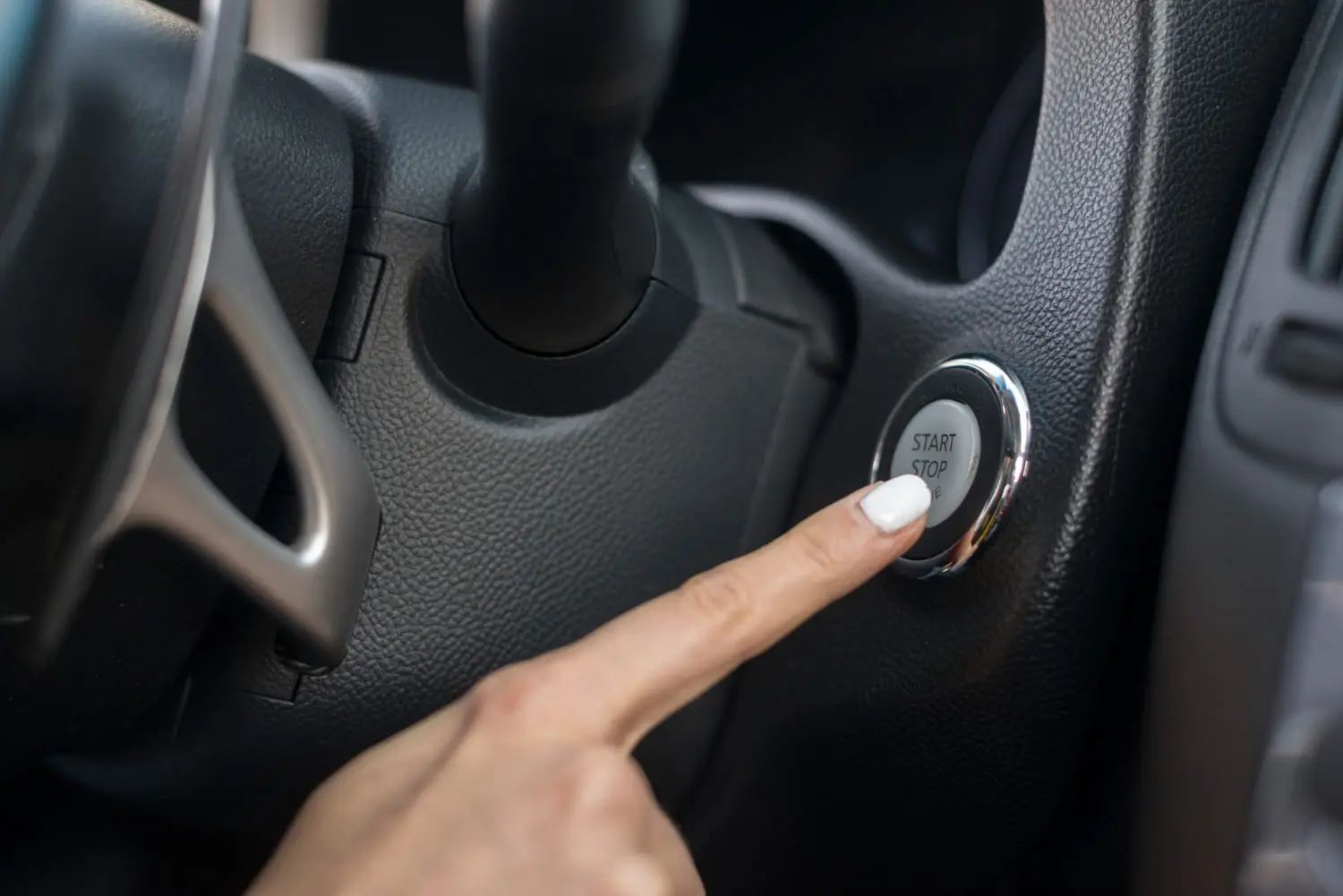
Beyond natural conversational processing, advanced biometric driver profiling has revolutionized how modern cars adapt to individual occupants the moment they step inside and close the door. Utilizing sophisticated cabin-facing optical sensors, subtle facial recognition algorithms, and steering-wheel capacitive touch sensors, 2026 models instantly and securely identify precisely who is behind the wheel. Without requiring a manual profile selection, smartphone pairing confirmation, or physical key fob distinction, the vehicle immediately restores the driver's preferred seating posture, exterior mirror angles, dual-zone climate preferences, favorite media playlists, and customized HUD layouts.
Furthermore, sophisticated predictive machine learning algorithms continuously analyze weekly commuting patterns and seasonal habits. By anticipating regular stops and routine schedules, the vehicle automatically pre-conditions the cabin temperature and plots optimized, traffic-avoiding alternative routes before the driver even enters a destination into the navigation bar, ensuring an utterly seamless and personalized transition from driveway to highway.
Software-Defined Vehicles (SDVs) and Over-The-Air (OTA) Updates
The most profound technological shift defining 2026 models lies underneath the sheet metal, anchored by the rapid transition toward Software-Defined Vehicles (SDVs). Historically, automotive engineering treated software as an afterthought embedded within discrete, isolated microcontrollers scattered throughout the chassis. Today’s 2026 vehicles feature centralized, high-performance computing architectures that decouple physical hardware from software functionality. This design paradigm shift means that a car purchased today is no longer a static product that peaks on its delivery date; instead, it is a dynamic, evolving platform capable of continuous self-improvement and feature enhancement long after it has left the showroom floor.
Over-The-Air (OTA) software updates have completely revolutionized how owners interact with and maintain their vehicles. Rather than requiring mandatory, inconvenient dealership visits for minor software patches, recalls, or feature upgrades, 2026 models seamlessly download and install background updates over high-speed cellular networks overnight. Owners wake up to find newly unlocked horsepower tiers, enhanced autonomous driving capabilities, recalibrated battery management algorithms for electric powertrains, and entirely redesigned user interface layouts. Furthermore, third-party developers can now deploy micro-apps and advanced navigation utilities directly to the infotainment stack through secure, standardized application programming interfaces.
However, this unprecedented degree of hyper-connectivity and software centralization introduces critical challenges regarding cybersecurity, data privacy, and digital infrastructure resilience. With vehicles acting as rolling data hubs harvesting telemetry, environmental maps, and biometric profiles, safeguarding onboard systems against sophisticated cyber threats has become an existential priority for manufacturers. Leading automakers in 2026 employ military-grade encryption, hardware-isolated security enclaves, and continuous intrusion-detection systems to thwart remote tampering. By successfully balancing the agility of continuous cloud deployment with uncompromising network security, the industry is ensuring that the software-defined automotive future remains as safe and reliable as it is innovative.
The Integration of Biometric Security and Predictive Maintenance Protocols
Beyond the sweeping digital glass and the conversational fluency of on-board artificial intelligence, the 2026 automotive ecosystem introduces a revolutionary layer of proactive safety and maintenance protocols powered by advanced biometrics. Modern vehicles have moved far beyond simple key fob recognition or basic PIN entry, incorporating multi-factor biometric authentication systems that seamlessly secure the vehicle while continuously monitoring the driver's physical well-being. Using steering-wheel-integrated capacitive sensors, subtle optical eye-tracking hardware, and radar-based heartbeat monitoring, 2026 models can detect early signs of microsleep, medical emergencies, or dangerous spikes in stress levels long before an incident occurs. When such anomalies are detected, the car doesn't merely sound a generic chime; it can autonomously engage hazard lights, gradually slow down to a safe stop within the current lane or emergency shoulder, and dispatch precise telemetry data to local emergency services.
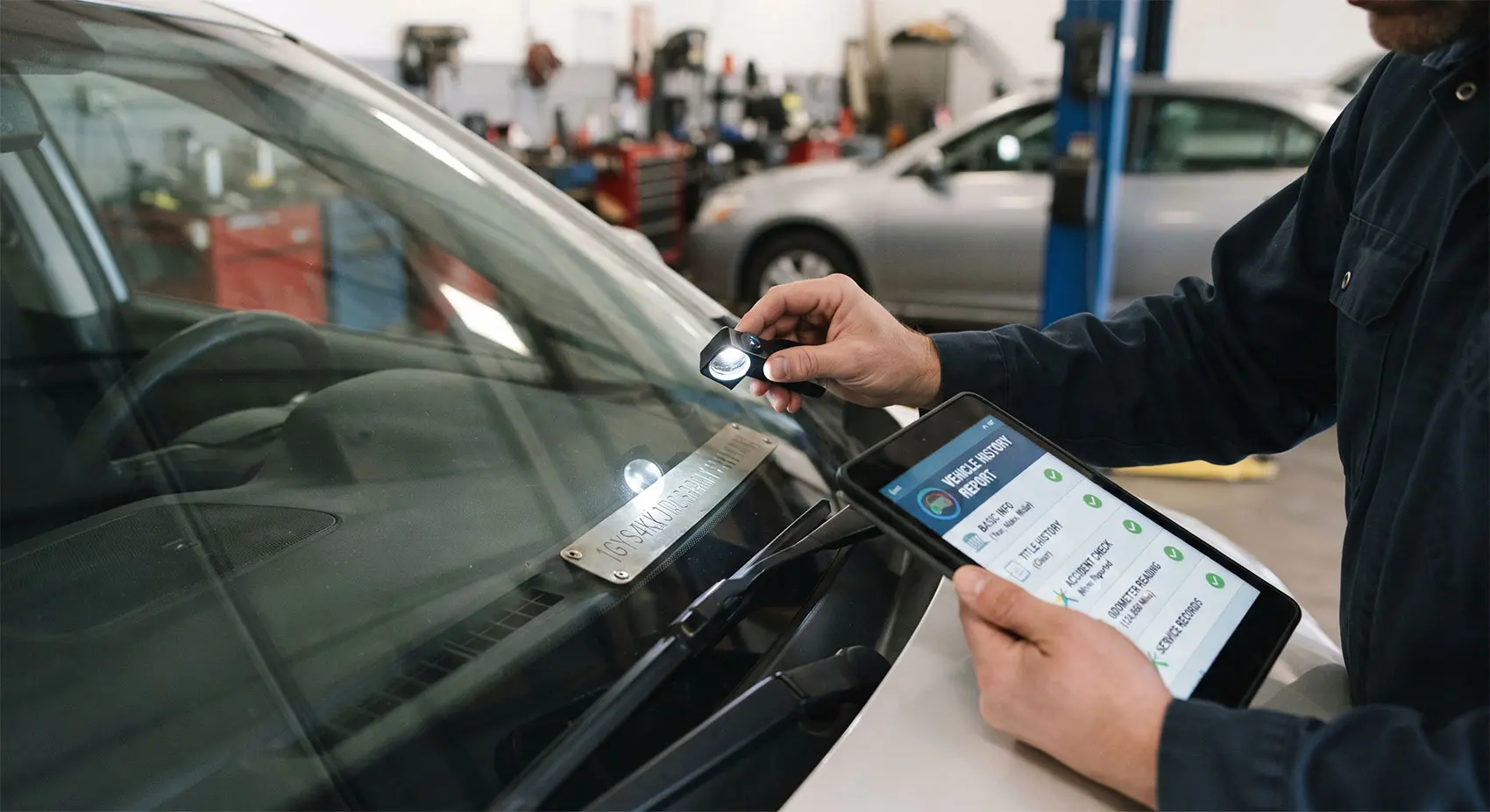
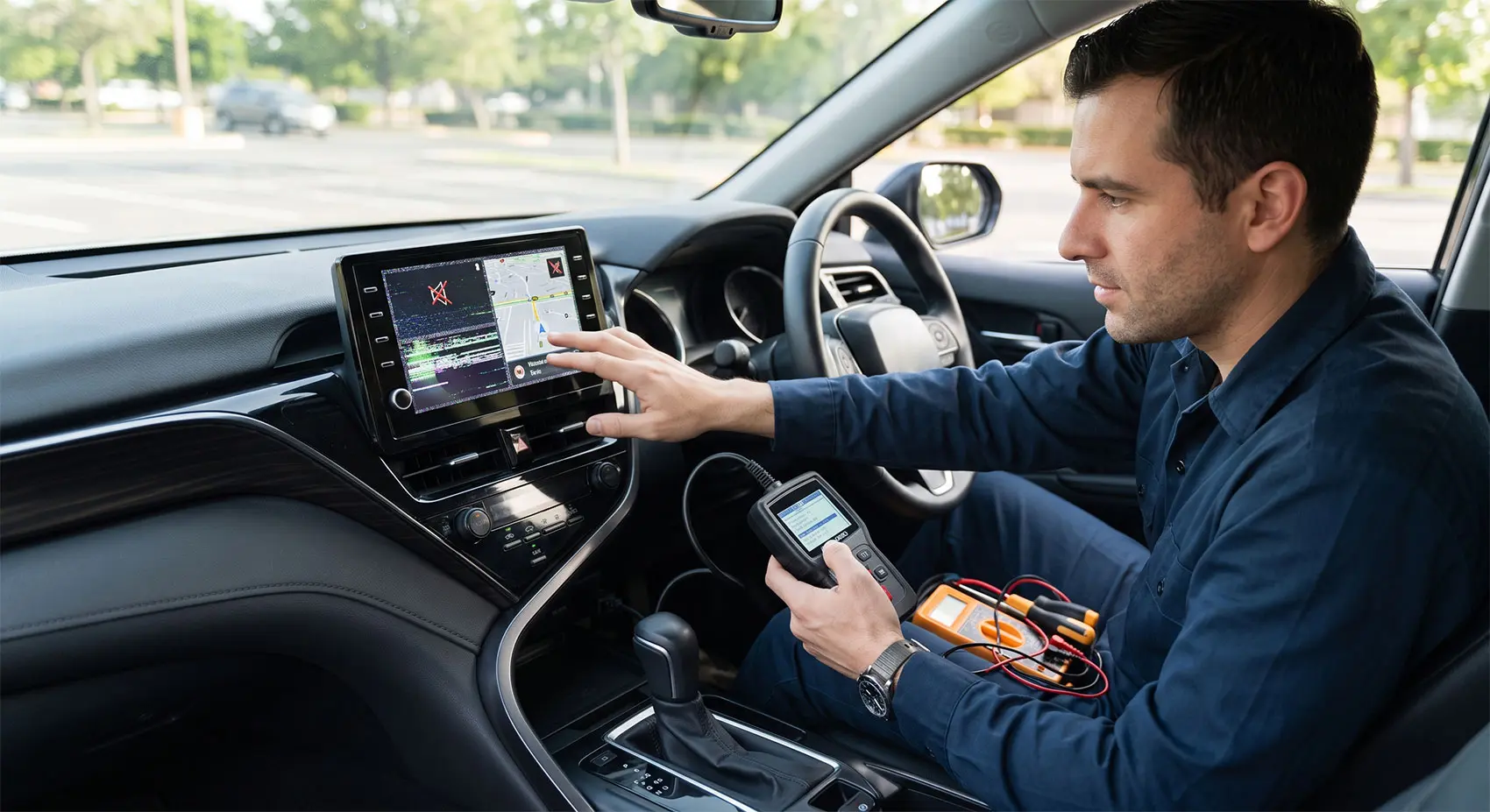
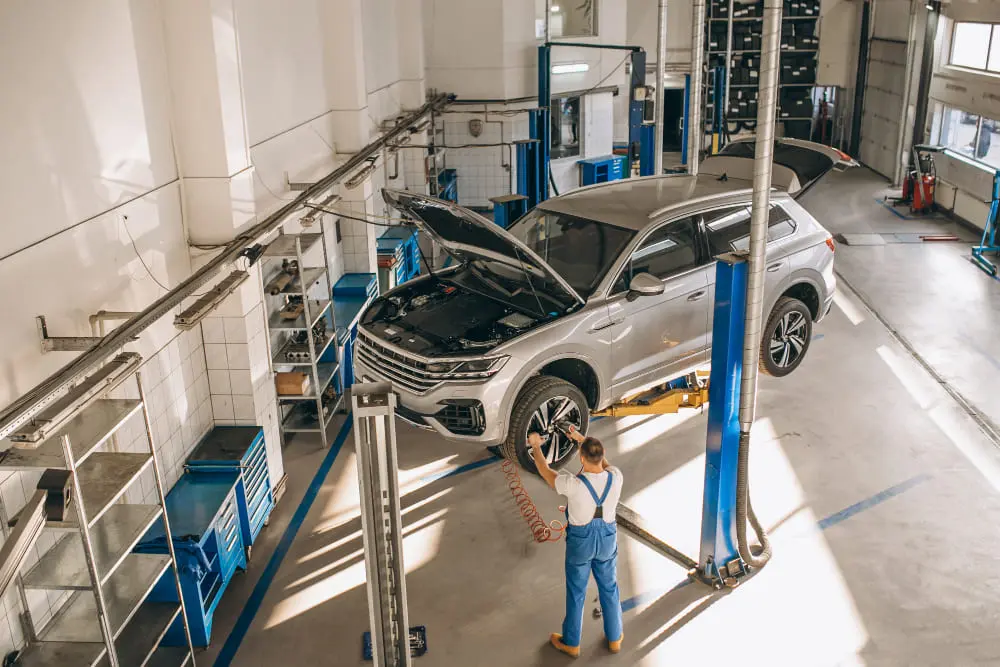
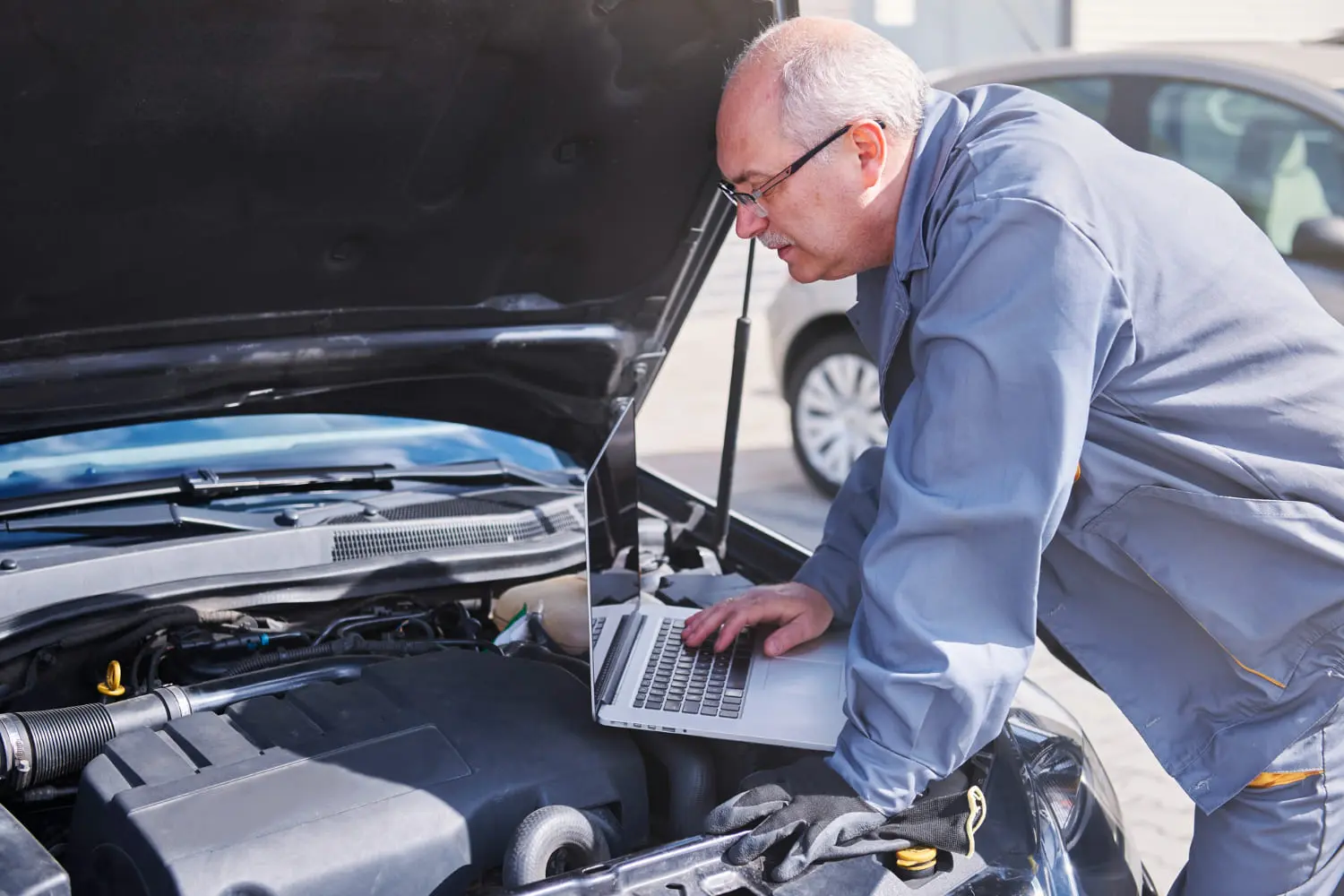
Simultaneously, predictive maintenance has evolved into a deeply integrated, background cloud service that eliminates unexpected mechanical or electrical breakdowns. Rather than relying on rigid, mileage-based service intervals, 2026 vehicles utilize continuous digital twin modeling. Micro-sensors placed across every high-stress component, ranging from inverter cooling loops and battery cell balancing modules to air suspension compressors and brake-by-wire actuators, feed real-time stress data into machine learning algorithms. The vehicle can accurately predict component wear weeks in advance, automatically scheduling a service appointment at the nearest authorized center and ordering the necessary replacement parts before a part ever fails. This shift ensures that the software-defined vehicle is as reliable under the hood as it is cutting-edge inside the cabin, giving drivers total peace of mind as personal mobility enters a vastly smarter, highly interconnected era.
Conclusion
As we look across the rapidly evolving automotive landscape of 2026, it is abundantly clear that the modern vehicle has decisively transcended its traditional definition as a purely mechanical machine, cementing its status as an advanced, fully realized digital ecosystem on wheels. What once seemed like distant science fiction pillar-to-pillar glass displays, immersive augmented reality navigation overlays, generative artificial intelligence assistants that comprehend natural conversational nuance, and over-the-air software updates that continuously reinvent performance and feature sets long after delivery has firmly arrived as the mainstream industry standard. These breakthrough technological leaps do not merely serve to entertain or impress passengers; they fundamentally revolutionize how we interact with our vehicles, prioritizing safety, efficiency, and hyper-personalized comfort in ways previous generations of drivers could only imagine.
However, this unprecedented transition toward software-defined architectures, continuous cloud connectivity, and advanced cabin biometrics also introduces significant responsibilities and challenges for the global automotive manufacturing sector. As cars morph into rolling supercomputers capable of harvesting extensive telemetry data and biometric profiles, the emphasis on robust cybersecurity, military-grade data encryption, and intelligent driver distraction mitigation has never been more critical. Leading manufacturers navigating the 2026 market understand that true innovation must always strike a harmonious, uncompromising balance between cutting-edge capability and intuitive, reliable user safety.
Ultimately, the future of personal mobility on the road ahead promises to be profoundly more intelligent, adaptable, and deeply connected than ever before, marking a truly historic milestone in the evolution of modern transportation. As consumers continue to demand higher levels of personalization and digital integration, the automobile will keep evolving, proving that the journey of automotive innovation is truly limitless.

Written by Kousar Shabbir
Published Sep 8, 2026 in Auto Tech.