When shopping for a modern automatic vehicle, drivers today face a crucial fork in the road: do you opt for the traditional step-gear automatic transmission that has anchored the automotive industry for decades, or do you embrace the high-efficiency CVT (Continuously Variable Transmission) found in an increasing number of daily drivers and crossovers? This choice dictates everything from your daily fuel economy at the pump to the long-term maintenance bills you will face down the road.
For years, traditional automatic transmissions relied on fixed gear ratios and a torque converter to shift through distinct gears, offering a familiar mechanical feel and rugged durability capable of hauling heavy loads. On the other side of the spectrum, the CVT discards fixed gears entirely in favor of an ingenious belt-and-pulley system, constantly adjusting its ratio to keep the engine operating at its absolute optimal RPM. While early iterations of CVTs faced harsh criticism for their sluggish response and reliability hurdles, modern engineering has dramatically closed the gap.
The core thesis of this comparison is clear: while traditional automatics still hold the crown for long-term heavy-duty durability, towing capacity, and mechanical simplicity under stress, modern CVTs offer unmatched fuel efficiency and seamless power delivery, making the ultimate choice heavily dependent on your specific driving habits, vehicle use cases, and maintenance priorities. Understanding how these two distinct systems operate under the hood is the first step toward making an informed, long-lasting investment.
Understanding the Mechanics: CVT vs. Traditional Automatic
To truly appreciate the reliability debate between a Continuously Variable Transmission (CVT) and a traditional automatic, you have to look beneath the surface and examine how each system transfers power from the engine to the wheels. While both transmissions ultimately achieve the same goal allowing your vehicle to accelerate smoothly from a dead stop up to highway cruising speeds their internal engineering philosophies couldn't be more different.
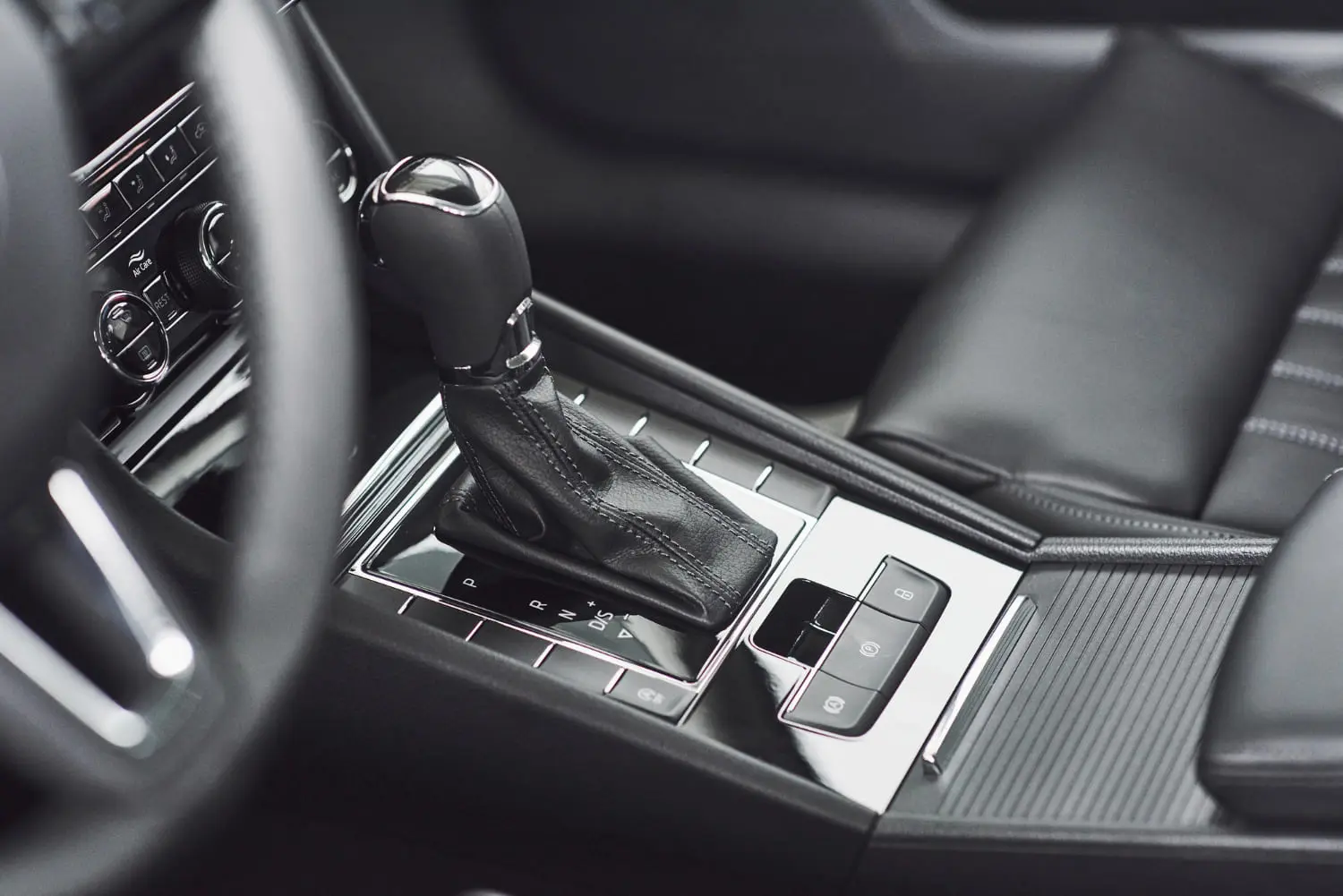
A traditional step-gear automatic transmission relies on a complex arrangement of planetary gear sets, clutches, and bands, all managed by a hydraulic or electronic control unit. When you accelerate, the transmission physically shifts through a predetermined number of distinct gear ratios (such as a 6-speed, 8-speed, or 10-speed). Between the engine and the transmission sits a torque converter, which uses fluid dynamics to transfer power while allowing the engine to idle when the vehicle is stopped. Because these gears are made of hardened steel and operate within a proven mechanical framework, traditional automatics handle high torque loads and heavy stress remarkably well. They have a predictable, mechanical rhythm that drivers have trusted for generations.
Conversely, a CVT completely eliminates traditional gears, replacing them with a system of variable-width pulleys connected by a high-strength steel push-belt or chain. One pulley connects to the engine, while the other connects to the drive wheels. As you accelerate, the sides of the pulleys move closer together or farther apart, continuously altering the effective gear ratio. This stepless design allows the engine to remain at its absolute peak thermal and fuel-efficient RPM range regardless of vehicle speed.
However, this technological marvel introduces unique mechanical trade-offs. Instead of distributing stress across multiple heavy-duty gears, a CVT concentrates continuous frictional load onto a steel belt and pulley faces. While modern engineering has vastly improved belt metallurgy and hydraulic clamping pressure, the physical nature of constant belt friction means heat management and fluid degradation play an enormous role in how long the transmission will last before requiring major service.
Reliability Showdown: Which System Lasts Longer?
When vehicle buyers ask about transmission reliability, they want to know one core thing: how many miles can I drive this car before facing a catastrophic, four-figure repair bill? Historically, traditional automatic transmissions have set the benchmark for longevity. A well-maintained traditional planetary gear automatic routinely crosses the 200,000-mile mark without needing major internal surgery. The failure points in traditional units such as worn-out solenoid valves, degraded friction clutch packs, or failing torque converter seals tend to manifest gradually, often giving drivers plenty of warning signs like delayed shifting, slipping gears, or rough engagement.
On the other hand, modern Continuously Variable Transmissions occupy a more sensitive reliability spectrum. While elite manufacturers have drastically improved CVT durability over recent years, the average lifespan of a standard CVT historically hovered closer to 130,000 to 150,000 miles under normal driving conditions. The primary structural vulnerability of a CVT is its core mechanism: the steel push-belt and the conical pulley faces. Because thousands of pounds of clamping force are concentrated on a narrow contact patch, any compromise in lubrication or excessive thermal buildup can cause micro-slippage. This friction leads to metal shavings contaminating the transmission fluid, which quickly accelerates wear on the hydraulic control valves and pulley surfaces.
Furthermore, driving habits play an exaggerated role in CVT longevity compared to traditional automatics. Frequent heavy towing, aggressive full-throttle launches from a dead stop, and steep mountain driving generate immense heat within a CVT system. If the transmission fluid overheats or misses its strict maintenance intervals, the high-stress steel belt can stretch, snap, or score the pulley walls, resulting in an immediate and non-repairable mechanical failure that typically requires a complete assembly replacement rather than a simple component rebuild.
Conversely, traditional automatics absorb high-stress maneuvers far more gracefully. Their steel gears distribute torque across multiple teeth simultaneously, making them significantly more forgiving under heavy loads, frequent stop-and-go commuting, and towing applications. For drivers prioritizing set-it-and-forget-it mechanical resilience past the 150,000-mile threshold, traditional step-gear systems still hold a distinct structural advantage.
Maintenance Costs and Long-Term Ownership
When evaluating the total cost of ownership between a CVT and a traditional automatic transmission, you have to look beyond fuel savings at the pump and examine long-term maintenance, fluid requirements, and catastrophic repair probabilities. Both transmission types demand regular servicing to hit high mileage milestones, but their service economics differ drastically.
Traditional automatic transmissions are relatively forgiving when it comes to fluid maintenance intervals. Most conventional automatics utilize standard automatic transmission fluid (ATF) designed to handle high shear stress, heat, and hydraulic pressure. While fluid changes every 50,000 to 60,000 miles are recommended to prevent valve body varnish and solenoid wear, traditional gearboxes can often tolerate delayed maintenance without immediate structural failure. Furthermore, if a traditional automatic does experience a major internal mechanical failure, mechanics can typically rebuild the unit by replacing specific damaged component groups such as clutch packs, bands, or torque converters rather than replacing the entire transmission housing and assembly.
In stark contrast, Continuously Variable Transmissions demand rigorous, non-negotiable maintenance adherence. A CVT relies on highly specialized, friction-modified transmission fluid (often proprietary to the vehicle manufacturer) that must maintain precise viscosity under extreme thermal stress. If a CVT misses its fluid change interval, typically required every 30,000 to 40,000 miles, the degraded fluid loses its ability to prevent metal-on-metal friction between the steel belt and the conical pulleys.
Fuel Efficiency and Driving Experience
While long-term reliability and repair costs heavily favor traditional step-gear automatics, the primary catalyst behind the mass adoption of Continuously Variable Transmissions is fuel efficiency and powertrain optimization. Modern vehicle buyers and automotive manufacturers are under immense regulatory pressure to maximize EPA fuel economy ratings and reduce carbon emissions. This is where the CVT shines brilliantly.
In a traditional automatic transmission, the engine is forced to operate across a limited number of fixed gear ratios. When accelerating, the engine revs up, drops down as a gear shifts, and revs up again a cyclical motion that inevitably pushes the engine outside of its most thermally efficient operating band. A CVT, conversely, acts like a multi-speed transmission with an infinite number of gears. By continuously modulating the pulley widths, the CVT maintains the car engine at its absolute sweet spot of torque production and fuel consumption. Whether you are climbing a steep incline or cruising at 75 miles per hour on the interstate, the engine RPM remains precisely tuned to the exact power demand, yielding noticeable gains in fuel economy, especially during highway driving and daily commuting.
However, this relentless pursuit of efficiency creates a polarizing driving experience. Traditional automatic transmissions deliver a distinct, rhythmic shifting cadence that enthusiast drivers and traditionalists prefer. Each gear change provides mechanical feedback that communicates vehicle speed and acceleration intuitively.
In contrast, CVTs often draw criticism for the infamous "rubber-band" effect and unique acoustic profile. When a driver floors the accelerator to pass slower traffic, a CVT immediately slides its pulleys to drop the gear ratio and shoots the engine straight to high RPMs where it stays locked at a steady drone while the car accelerates beneath it. This disconnect between engine sound and vehicle acceleration can feel unnatural to drivers accustomed to step-gear shifts. Furthermore, manufacturers often program "fake" shifting steps into modern CVTs to simulate traditional automatic behavior during hard acceleration, attempting to appease drivers who dislike the continuous, unbroken hum of an unyielding pulley system. Ultimately, if your priority is squeezing every last mile out of a gallon of fuel and you value buttery-smooth, interruption-free acceleration, the CVT offers an engineering triumph provided you are willing to trade away traditional mechanical engagement and acoustic feedback.
Which Transmission Is Right for You?
Navigating the choice between a Continuously Variable Transmission and a traditional automatic ultimately boils down to aligning your vehicle purchase with your unique driving lifestyle, ownership horizon, and risk tolerance. Because neither transmission style is universally superior, understanding which environment each system thrives in can save you thousands of dollars and countless headaches over the lifespan of your vehicle.
If your daily routine consists of long stretches of highway commuting, urban stop-and-go traffic, and a heavy emphasis on maximizing fuel economy, a modern CVT makes a compelling case. Drivers who prioritize low fuel costs at the pump, smooth and uninterrupted acceleration without gear-change jolts, and who drive light-duty passenger cars or compact crossovers primarily will find that a CVT delivers an exceptionally refined daily driving experience. The key to successful CVT ownership in this scenario is unwavering discipline regarding maintenance: sticking strictly to fluid change intervals every 30,000 to 40,000 miles is non-negotiable if you want to push past the 150,000-mile mark without a mechanical failure.
Conversely, if your driving habits involve frequent towing, hauling heavy payloads, navigating steep mountain grades, or aggressive, performance-oriented acceleration, a traditional step-gear automatic transmission remains the definitive gold standard. Traditional automatics absorb thermal stress and torque loads far more gracefully thanks to their multi-gear steel construction and robust torque converters. Furthermore, if you plan on keeping your vehicle well past 200,000 miles and value the peace of mind that comes from mechanical simplicity, where a transmission can often be selectively rebuilt rather than entirely replaced, a traditional 6-speed, 8-speed, or 10-speed automatic is the safer, more durable investment. By evaluating whether your primary metric is fuel efficiency or mechanical longevity, the right choice becomes vividly clear.
Conclusion
When all is said and driven, the debate between a Continuously Variable Transmission and a traditional step-gear automatic boils down to a fundamental engineering compromise: immediate fuel efficiency versus long-term mechanical resilience. Modern CVTs have evolved tremendously, shedding much of their early reputation for unreliability while delivering buttery-smooth acceleration and impressive fuel savings at the pump that appeal heavily to daily commuters and eco-conscious drivers. However, their reliance on high-friction steel belts, specialized fluid upkeep, and non-rebuildable assemblies means they demand strict maintenance discipline and carry a higher financial risk if neglected past their prime.
Conversely, traditional automatic transmissions continue to stand as the undisputed champions of long-term durability, towing muscle, and repairability. Their robust multi-gear planetary layouts gracefully handle heavy loads, aggressive driving styles, and high-mileage thresholds well past 200,000 miles with fewer catastrophic risks. Ultimately, choosing the right transmission depends entirely on your personal driving priorities. If your commute demands maximum fuel economy and seamless power delivery, a well-maintained CVT will serve you admirably. But if you value long-term financial predictability, heavy-duty capability, and classic mechanical engagement, a traditional automatic remains the safer, more dependable road companion.

Written by Maarukh Shahbaz
Published Sep 3, 2026 in Comparisons.