Owning a vehicle that crosses the 200,000-mile threshold is a badge of honor. In an era where modern manufacturing has made cars more reliable than ever, reaching this milestone is no longer a matter of pure luck; it is a direct result of disciplined preventive maintenance, smart driving habits, and an unwavering commitment to catching minor mechanical issues before they cascade into catastrophic failures. For decades, the psychological barrier for car ownership hovered around 100,000 miles. Today, with advancements in synthetic lubricants, computer-optimized engine management, and higher-grade metallurgy, a well-maintained engine can easily double that figure.
Beyond the sheer pride of achievement, keeping your current car running smoothly makes immense economic and environmental sense. In a market where vehicle prices and depreciation can significantly affect your personal finances, extending the lifespan of your current engine can save thousands of dollars in monthly car payments, higher insurance premiums, and steep sales taxes. Furthermore, keeping a vehicle on the road longer reduces the environmental footprint associated with manufacturing new automobiles.
However, engines do not reach 200,000 miles by accident. They require a proactive partnership between driver and machine. From understanding the vital role of fluid chemistry to recognizing the subtle signs of wear and tear long before the check engine light illuminates, every choice you make behind the wheel matters. In the following sections, we will break down the exact strategies, maintenance milestones, and driving practices you need to adopt to ensure your car engine doesn't just survive, but thrives well past the 200,000-mile mark.
The Foundation of Longevity – Fluids and Filtration
When you peer beneath the hood of a car approaching the twilight of its lifespan, the secret to its endurance isn't exotic titanium parts or a supercomputer brain. It comes down to something much more fundamental: clean fluids and effective filtration. An engine is essentially a massive assembly of high-speed metal components rubbing against one another thousands of times per minute. Without proper lubrication and thermal regulation, metal-on-metal contact will destroy an engine in minutes. To cross the 200,000-mile mark, you must treat your car's fluids as its lifeblood.
The Engine Oil Gospel: Engine oil is the absolute shield protecting your internal components. Over time, heat and mechanical shear break down oil viscosity, while combustion byproducts introduce microscopic soot, dirt, and unburned fuel. If left unchecked, this creates a thick, tar-like substance known as engine sludge that starves vital areas of lubrication.
-
Synthetic vs. Conventional: While conventional oil was the standard decades ago, reaching high mileage safely in modern vehicles almost demands high-grade full synthetic oil. Synthetics resist thermal breakdown significantly better and flow more easily at startup, which is precisely when most engine wear occurs.
-
The Change Interval Myth: Do not blindly follow the 10,000-mile interval printed in some owner's manuals if you want extreme longevity. Changing your oil and filter every 3,000 to 5,000 miles (or every 6 months, whichever comes first) ensures that abrasive contaminants are regularly flushed out before they can etch cylinder walls or wear out bearings.
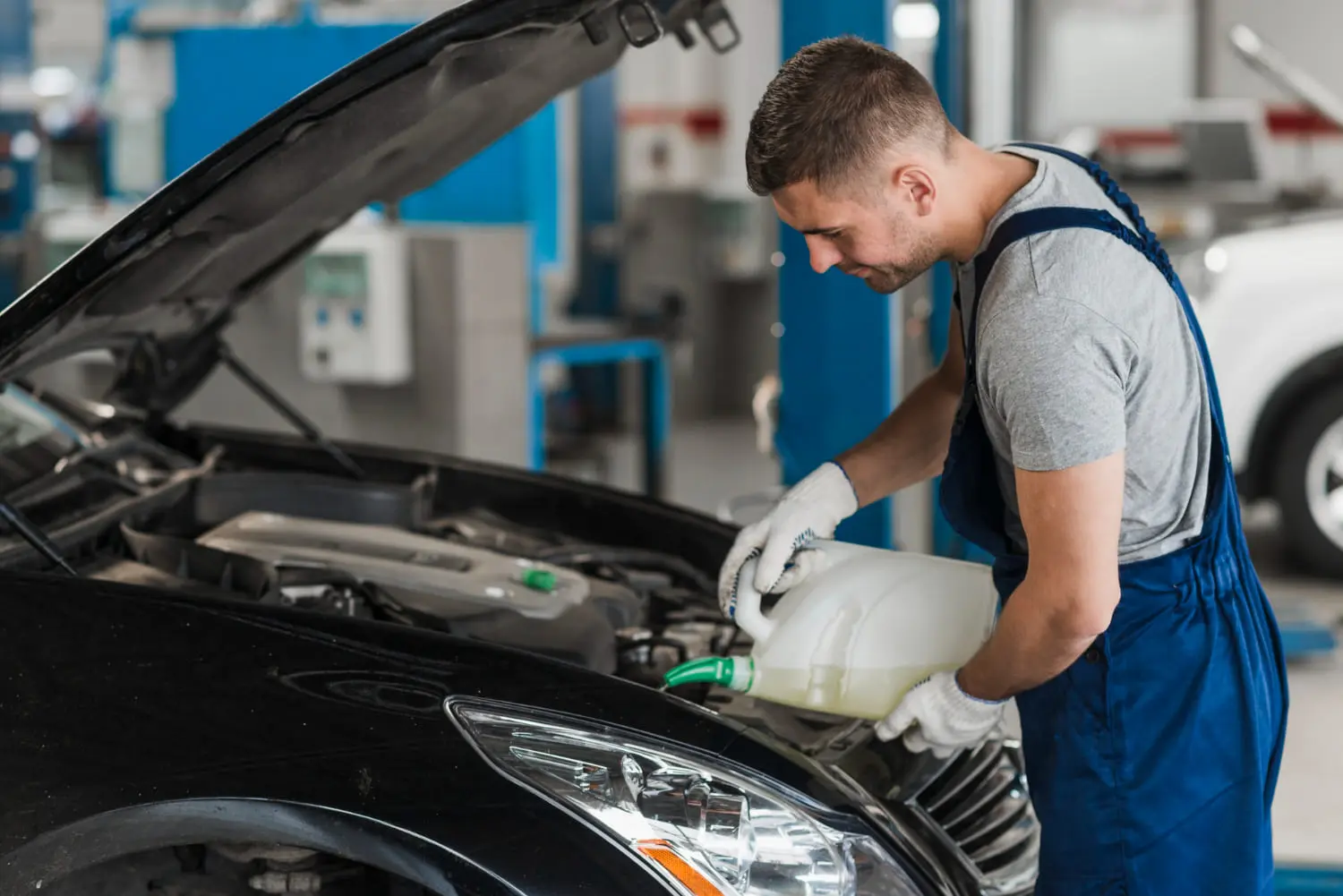
Cooling System Integrity: An engine running too hot is an engine living on borrowed time. Coolant (antifreeze) does more than just stop your engine from freezing in winter; it prevents boiling over and combats internal corrosion.
-
The Flush Schedule: Coolant loses its anti-corrosive chemical properties over time, turning acidic and eating away at aluminum engine blocks, water pumps, and radiator cores. Flushing your coolant system every 30,000 to 50,000 miles guarantees optimal heat dissipation.
-
Thermostats and Hoses: A stuck thermostat can instantly trap heat and warp cylinder heads. Replacing the thermostat and inspecting rubber hoses for bulging or micro-cracks before they burst prevents sudden catastrophic overheating events.
Transmission and Power Steering Fluids: While engine oil gets the most attention, neglecting transmission fluid can cut your vehicle's life short just as quickly. Automatic transmission fluid (ATF) lubricates clutch packs and acts as a hydraulic medium. Changing your transmission fluid and filter every 60,000 miles prevents gear slippage and overheating. Similarly, swapping out power steering fluid prevents premature failure of the steering rack and pump, ensuring your car handles safely and predictably as the odometer climbs.
Proactive Preventive Maintenance & Replacements
While clean fluids form the baseline of an engine's internal health, the various peripheral components attached to the block act as its respiratory, nervous, and circulatory systems. Over thousands of miles of intense heat, vibration, and friction, these parts inevitably wear down. Embracing a proactive replacement schedule rather than a reactive "fix-it-when-it-breaks" mentality is the ultimate secret to pushing your odometer past 200,000 miles without suffering a catastrophic roadside failure.
Spark Plugs and Ignition Coils: Your spark plugs are responsible for igniting the air-fuel mixture inside the combustion chambers thousands of times every minute. Over time, the electrodes on spark plugs erode, widening the gap and making it harder for the spark to jump cleanly.
-
The Cost of Neglect: Worn spark plugs force your ignition system to work overtime, resulting in misfires, unburned fuel washing down the cylinder walls (which strips away vital oil lubrication), and permanent damage to your catalytic converters.
-
Replacement Timeline: Depending on whether your vehicle uses copper, platinum, or iridium plugs, replace them anywhere from every 30,000 to 100,000 miles. Upgrading to high-grade iridium plugs ensures consistent, powerful sparks for the long haul.
Belts and Hoses: The Silent Killers. Underneath the hood, rubber components are constantly subjected to extreme thermal cycling—baking hot when the engine is running and freezing cold when parked.
-
Serpentine and Drive Belts: These belts power your alternator, power steering pump, and A/C compressor. Inspect them regularly for tiny micro-cracks along the ribs. A snapped serpentine belt will immediately disable your vehicle.
-
Timing Belts vs. Timing Chains: If your engine uses a timing belt (rather than a metal chain), it must be replaced precisely according to the manufacturer's interval (usually every 60,000 to 100,000 miles). A broken timing belt in an interference engine will cause pistons to collide with valves, instantly destroying the engine. Never gamble with an old timing belt.
Air and Fuel Filters: An engine needs to breathe clean air just like a human athlete. A clogged air filter restricts airflow, forcing the engine computer to enrich the fuel mixture, which hurts your fuel economy and deposits carbon buildup on your valves. Swapping your engine air filter every 15,000 to 30,000 miles and replacing your fuel filter periodically ensures your engine receives an unobstructed, perfectly proportioned supply of air and fuel.
Driving Habits and Environmental Factors That Save Engines
No matter how pristine your oil is or how fresh your spark plugs are, the person sitting behind the steering wheel holds the ultimate power over how long an engine lasts. Mechanical wear is heavily dictated by how and where you drive. Adopting mechanical sympathy understanding the physical limits and needs of your vehicle while on the road can dramatically extend its service life.
Warm-Up Misconceptions: For decades, conventional wisdom dictated that you needed to let your car idle for 10 to 15 minutes on cold mornings before driving. While this was true for older carbureted vehicles, modern fuel-injected engines operate entirely differently.
-
The Modern Reality: Your car's computer precisely manages air-fuel ratios right from ignition. Today's engines only require about 30 seconds to 1 minute of idling to allow oil pressure to build and circulate fully.
-
The Danger of Excessive Idling: Letting a modern engine idle for long periods wastes fuel, washes oil off cylinder walls due to rich fuel mixtures, and builds up carbon deposits on the valves. The best way to warm up a modern engine is to start it, wait a few seconds, and then drive away gently, avoiding high RPMs and heavy acceleration until the coolant temperature gauge reaches its normal operating range.
City vs. Highway Wear: Managing Short Trips: Not all miles are created equal. Highway miles are gentle on an engine because the vehicle travels at a steady speed with high airflow cooling the radiator, and the engine runs at optimal operating temperature for extended periods.
-
The Strain of Short Trips: Conversely, city driving, especially frequent short trips under 5 miles, is brutal on engines. When you make short trips, the engine oil never reaches the temperature required to boil off accumulated moisture and fuel condensation. This creates acidic moisture contamination inside the crankcase.
-
Counteracting City Wear: If your daily commute consists mostly of stop-and-go city traffic or short errands, plan a longer highway drive once a week or every two weeks. Getting the engine fully up to operating temperature for 20 to 30 minutes allows moisture to evaporate, keeping your oil clean and your exhaust system free of corrosive condensation.
Monitoring Dashboard Warnings Instantly: A high-mileage engine demands vigilance. Modern sensors monitor everything from oil pressure and coolant temperature to oxygen levels and knock detection.
-
Never Ignore the Check Engine Light: A flashing check engine light indicates an active engine misfire that can instantly destroy your catalytic converter. A solid check engine light means a sensor or emission component has failed and requires immediate diagnosis.
-
Sensory Awareness: Pay attention to unusual engine sounds such as a ticking lifter, a whining accessory belt, or a deep knock along with unexpected vibrations. Catching these warning signs early turns a minor, inexpensive fix into a stepping stone toward that 200,000-mile badge of honor.
Conclusion
Reaching the coveted 200,000-mile milestone with your car engine is not a matter of pure luck or random chance. It is the direct reward of a disciplined, proactive relationship between you and your vehicle. By treating your engine's fluids as its vital lifeblood, replacing high-wear components before they fail, and practicing smart, responsive driving habits, you can dramatically defy standard automotive depreciation.
Modern engines are engineering marvels built with tighter tolerances, stronger materials, and advanced computer controls that give them immense longevity potential. However, technology alone cannot flush your coolant, change your oil every 5,000 miles, or listen for the subtle sounds of a failing belt. That responsibility rests entirely in your hands.
Treating your vehicle as a long-term investment rather than a disposable commodity pays massive dividends. Not only do you save thousands of dollars in avoidable repair bills and steep car payments, but you also enjoy the deep satisfaction of driving a dependable machine that you have successfully nurtured across the miles. Maintain your vigilance, respect your engine's limits, and enjoy the open road on your journey to 200,000 miles and well beyond.


Written by Maarukh Shahbaz
Published Jul 31, 2026 in Maintenance & Tips.