
The automotive landscape is undergoing a massive transformation in 2026, driven by a wave of corporate mergers, strategic joint ventures, and deep-pocketed acquisitions. For the everyday car buyer, these boardroom handshakes are no longer just financial news they are directly reshaping what you can buy, how much you will pay, and who you will turn to for service and maintenance. As legacy automakers scramble to offset the staggering research and development costs of electric vehicles (EVs) and software-defined vehicle architectures, they are consolidating at a rapid pace. We are witnessing an era where former fierce rivals are now sharing platforms, battery technologies, and even entire dealership networks to survive. From massive global tie-ups like the recently announced extension of the GM and SAIC Motor joint venture in China to a surge in tech-focused acquisitions aiming to master autonomous driving, the industry is condensing. But what does this mean for you when you step onto the lot? Does fewer independent automakers mean less competition and higher prices? Or do shared technologies mean better cars with more standard features across all price points? This guide cuts through the corporate jargon to explain exactly how the 2026 auto industry shakeup will impact your next vehicle purchase, from navigating shifting warranty coverage to finding the best deals in a rapidly consolidating market.
Understanding the Automotive Consolidation Wave
The automotive industry is currently navigating one of its most turbulent periods since the invention of the assembly line. The driving forces behind this wave of consolidation are complex, but they primarily boil down to a few critical factors: the astronomical costs of research and development (R&D) for electric vehicles (EVs), the transition to software-defined vehicles (SDVs), and persistent supply chain vulnerabilities. Automakers are finding that going it alone is increasingly financially unsustainable.
To survive and thrive, companies are pooling resources. We are seeing a surge in strategic partnerships and joint ventures that would have been unthinkable a decade ago. A prime example is the expanding collaboration between traditional rivals to share the heavy lifting of EV platform development. By creating common architectures the underlying chassis, battery pack layout, and electronic brains of the car multiple brands can build vastly different-looking vehicles on top of the same shared foundation.
This strategy dramatically reduces overhead. Instead of Ford, Volkswagen, and Honda each spending billions to develop their own unique battery management systems and software architectures from scratch, they can partner up, share the initial R&D burden, and then compete on design, features, and brand prestige. In 2026, tech-based acquisitions are also booming, as automakers buy up software and semiconductor firms to secure the vital tech supply chain. This consolidation isn't just about making cars cheaper to build; it's about survival in an era where the car is becoming a computer on wheels.
Impact on New Car Pricing and Availability
For most buyers, the most pressing question when automakers merge is simple: "Will this make cars more expensive?" The answer in 2026 is nuanced, balancing the benefits of scale against the risks of reduced competition. Historically, less competition in a market often leads to higher prices, but the sheer cost of building EVs changes the math.
When brands consolidate, they achieve economies of scale. Buying battery materials in bulk for three brands under one umbrella is significantly cheaper than buying for one. In theory, these savings should be passed on to the consumer, making EVs and advanced tech more affordable. However, this also means fewer unique platforms competing against each other. If you are shopping for a mid-size electric SUV in 2026, you might find that the offerings from three different brands are essentially the identical vehicle underneath, just wearing different badges and slightly different interior trims.
This platform sharing can impact availability and negotiation leverage. While a merger might streamline production and reduce supply chain bottlenecks meaning fewer empty dealership lots it also streamlines pricing strategies. If two formerly competing dealerships are now owned by the same corporate parent, your ability to cross-shop and pit them against each other for a better deal diminishes. We are seeing a trend toward more standardized, transparent pricing models, which reduces the stress of haggling but also eliminates the chance of scoring a deep discount by playing dealers off one another.
Electric Vehicles, Software, and Innovation Acceleration
The transition to electric vehicles is the primary catalyst for the current wave of industry consolidation, but the shift toward software-defined vehicles is just as significant. When automakers merge or form deep partnerships, they are primarily sharing the immense costs associated with developing next-generation tech ecosystems. This sharing fundamentally changes what innovation looks like for the end consumer.
One major benefit of these corporate tie-ups is the accelerated deployment of advanced battery technologies and shared EV platforms. For example, if a legacy automaker acquires a smaller startup that specializes in solid-state batteries, that breakthrough technology can theoretically be rolled out across the larger company’s entire lineup much faster than if the startup tried to manufacture vehicles independently. For the buyer, this means quicker access to cars with longer ranges, faster charging times, and potentially safer battery chemistries. The pooling of R&D resources allows the merged entity to take bigger swings at complex engineering problems.
However, the shift toward a software-first approach also brings the controversial rise of subscription models. As vehicles increasingly share the same underlying hardware due to consolidation, automakers are looking to software to differentiate their models and generate ongoing revenue. In a consolidated market, you might find that the base hardware is identical across several brands, but accessing features like advanced autonomous driving, heated seats, or even extra horsepower requires a monthly software subscription. While mergers accelerate the underlying technology, they also give automakers tighter control over how you access and pay for those innovations over the lifespan of the vehicle.
Dealership Networks, Warranties, and Maintenance Ecosystems
The wave of corporate mergers doesn’t just affect the cars rolling off the assembly line; it fundamentally changes where you buy them and how you keep them running. For many car owners, the local dealership is their primary touchpoint with an automaker. When brands merge, the dealership network on the ground often undergoes a massive reorganization, which can directly impact your long-term ownership experience.
First, let’s address the most common panic-inducing question: What happens to your warranty if your car’s manufacturer gets bought out, merged, or restructured? The good news is that warranties are legally binding contracts. If Brand A buys Brand B, the new parent company is legally obligated to honor all existing warranty agreements. However, where you get that warranty work done might change. You may find your local standalone dealership closed, forcing you to drive further to a newly consolidated "mega-dealership" that services multiple brands under one massive roof.
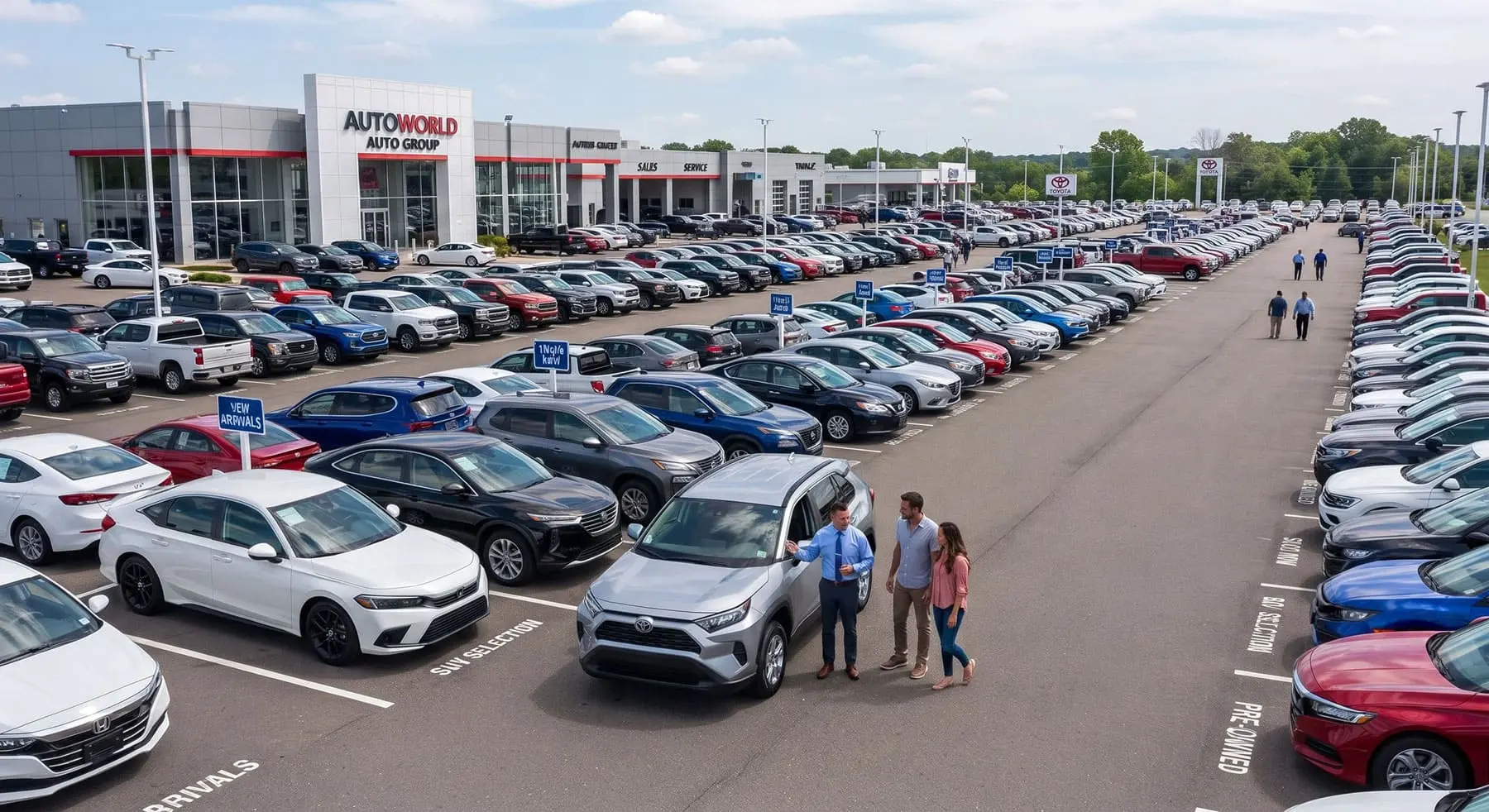
Dealership consolidation is a major trend in 2026. Automakers are aggressively looking to reduce their real estate footprints and streamline logistics. This means you will see fewer boutique, single-brand showrooms and more sprawling lots carrying five or six different nameplates. While this can make test-driving and cross-shopping more convenient, it often means the service department is managing a much higher volume of varied vehicles. This can potentially lead to longer wait times for routine maintenance, recalls, or complex software updates.
When it comes to spare parts and the used car market, mergers can actually be a double-edged sword. On the positive side, shared platforms mean shared parts ecosystems. If three merged brands use the exact same braking system, battery modules, and suspension components, replacement parts will be abundant and likely cheaper to manufacture. Your local independent mechanic will have an easier time sourcing what they need.
Conversely, if a corporate merger results in a specific model or sub-brand being permanently discontinued—creating an "orphaned" vehicle—its resale value on the used market can plummet almost overnight. Buyers are naturally wary of purchasing discontinued models, fearing long-term parts scarcity and a lack of critical software updates. This makes it crucial to evaluate not just a car's features, but the brand's long-term survival prospects before signing the dotted line.
Smart Buying Strategies in a Consolidated Market
Navigating a consolidated auto market requires a shift in how you approach the buying process. The old playbook of driving to five different local lots and playing sales managers against each other is becoming less effective as corporate ownership centralizes. However, the 2026 market offers its own set of advantages if you know where to look and how to negotiate.
First, you must understand the "family tree" of the vehicles you are considering. If you are cross-shopping a premium SUV against a mass-market alternative, research if they are built on the same shared platform. If the underlying mechanics and battery systems are identical, you need to ruthlessly evaluate whether the premium badge and software features justify the higher price tag. This transparency empowers you to make value-based decisions rather than emotion-driven ones based purely on brand legacy.
Second, leverage the transparency of standardized pricing to your advantage. While deep, dealer-specific discounts are harder to find, the move toward upfront pricing means you can accurately compare the total cost of ownership across different regions online. Use this data to negotiate on trade-in values or financing terms rather than focusing solely on the sticker price. If the dealer won't budge on the MSRP, push for subsidized interest rates or bundled maintenance packages.
Finally, during periods of intense market transition, timing is everything. Keep a close eye on the news for models that are being phased out or rebranded due to a merger. These "lame duck" models often carry heavy incentives as dealers try to clear inventory to make way for the new, unified lineup. If you plan to drive the car into the ground and aren't concerned about short-term resale value, these transition periods can offer some of the best financial deals available.
Smart Buying Strategies in a Consolidated Market
Navigating a consolidated auto market requires a shift in how you approach the buying process. The old playbook of driving to five different local lots and playing sales managers against each other is becoming less effective as corporate ownership centralizes. However, the 2026 market offers its own set of advantages if you know where to look and how to negotiate.
First, you must understand the "family tree" of the vehicles you are considering. If you are cross-shopping a premium SUV against a mass-market alternative, research if they are built on the same shared platform. If the underlying mechanics and battery systems are identical, you need to ruthlessly evaluate whether the premium badge and software features justify the higher price tag. This transparency empowers you to make value-based decisions rather than emotion-driven ones based purely on brand legacy.
Second, leverage the transparency of standardized pricing to your advantage. While deep, dealer-specific discounts are harder to find, the move toward upfront pricing means you can accurately compare the total cost of ownership across different regions online. Use this data to negotiate on trade-in values or financing terms rather than focusing solely on the sticker price. If the dealer won't budge on the MSRP, push for subsidized interest rates or bundled maintenance packages.
Finally, during periods of intense market transition, timing is everything. Keep a close eye on the news for models that are being phased out or rebranded due to a merger. These "lame duck" models often carry heavy incentives as dealers try to clear inventory to make way for the new, unified lineup. If you plan to drive the car into the ground and aren't concerned about short-term resale value, these transition periods can offer some of the best financial deals available.
Conclusion
The 2026 auto industry shakeup marks a pivotal transition point in modern mobility. While the sudden wave of corporate mergers, platform-sharing agreements, and tech acquisitions may feel like boardroom games far removed from the showroom floor, their impact on consumers is tangible and far-reaching. From how much you pay at dealership lots to how long you wait for routine maintenance, the ongoing consolidation of automakers is redefining the entire car-buying and ownership experience.
As an informed consumer, navigating this changing landscape requires adaptability and research. The pooling of corporate resources is driving rapid technological advancement delivering safer, longer-range electric vehicles, enhanced software platforms, and more streamlined manufacturing faster than individual brands could ever manage alone. However, this same consolidation reduces true platform variety and shifts power toward standardized, centralized pricing models and subscription-based vehicle features.
To make the best decision for your wallet and your lifestyle, focus on understanding the engineering realities behind the badges, evaluating the long-term viability of the brands you shop, and leveraging market transitions to your advantage. By looking past marketing hype and understanding the broader market dynamics at play, you can confidently choose a vehicle that delivers long-term value, reliability, and satisfaction in this new era of automotive history.




Written by Kousar Shabbir
Published Aug 12, 2026 in Auto News.