In the modern automotive landscape, the compact SUV segment has become the ultimate battleground for manufacturers. For families, commuters, and adventurers alike, the choice is no longer just about picking a reliable vehicle; it is about navigating an increasingly complex web of trim levels, packages, and technical add-ons. Sitting right at the center of this conversation is the Kia Sportage, a vehicle that has redefined aesthetics and interior space in its latest generation. However, a question often haunts prospective buyers standing on the showroom floor: "Is the base model LX trim actually enough, or am I setting myself up for a case of buyer’s remorse?"
It is easy to get swept up in the marketing gloss of high-end trims like the SX Prestige or the X-Pro, which dazzle with panoramic displays, premium audio systems, and advanced driver-assistance tech. Yet, the base LX trim offers a compelling entry point that forces us to reconsider the definition of "essential" features. For many, the allure of a lower monthly payment and the fundamental quality of the Sportage chassis is a siren song that is hard to ignore. But is it a compromise in disguise, or is it the smartest financial decision a smart buyer can make?
Throughout this deep dive, we will peel back the layers of the entry-level LX experience. We are not just looking at the sticker price; we are looking at the trade-offs in comfort, the reality of everyday performance, and whether the "base" label actually implies a lack of value or if it simply represents the most efficient way to get into one of the most capable SUVs on the road today. Whether you are a first-time buyer on a strict budget or an enthusiast trying to maximize your return on investment, we will determine once and for all if the base model holds its own or if the jump to the next trim level is a necessity you simply cannot afford to skip.
Decoding the Base LX Trim
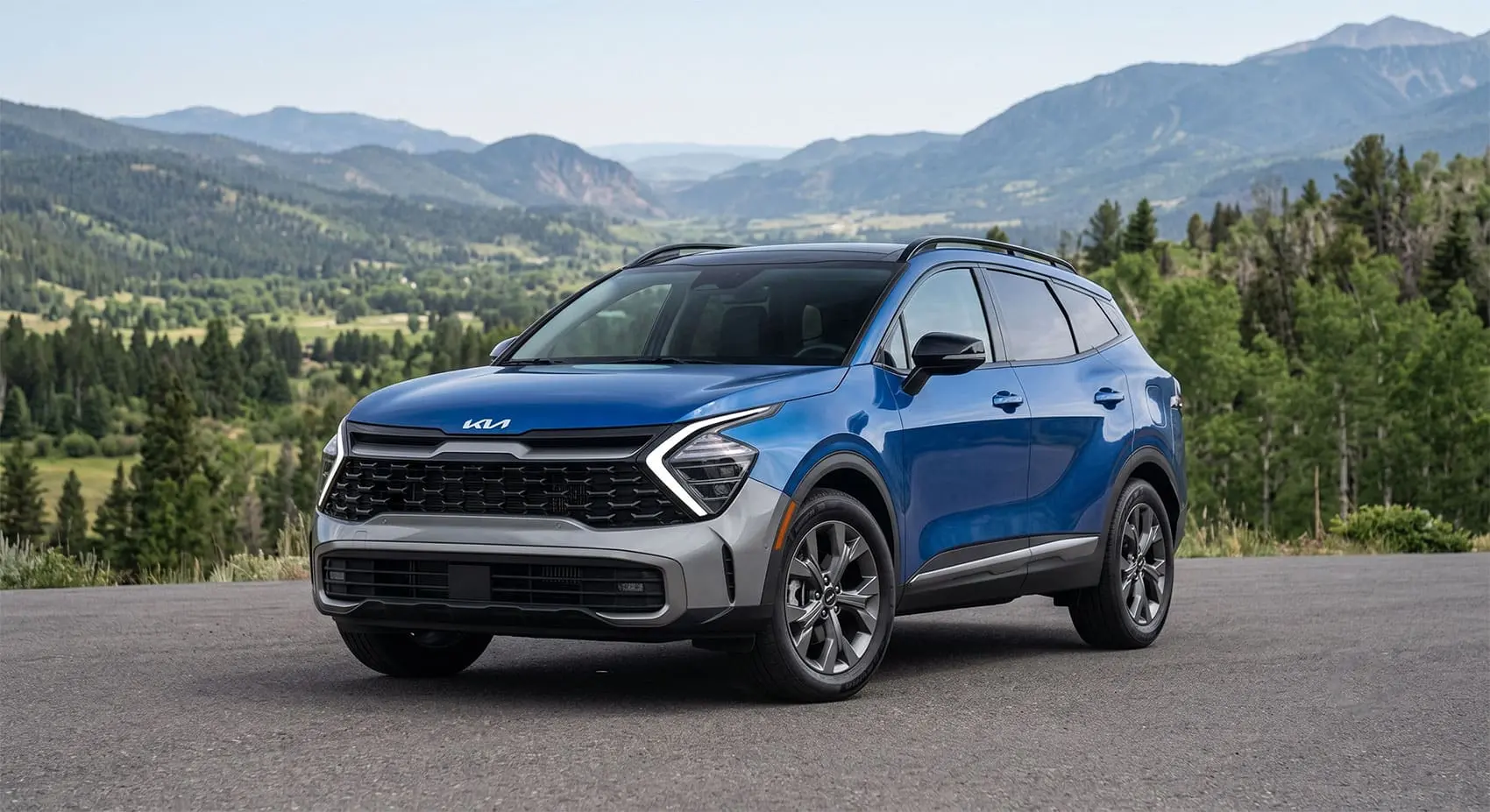
When you first approach the 2026 Kia Sportage LX on the dealership lot, the immediate impression is one of design parity. Unlike many legacy automakers that used to punish base-model buyers with unpainted plastic bumpers, steel wheels, or cheap-looking exterior trim, Kia has committed to a "premium-for-all" design philosophy. The LX shares the same striking, angular silhouette, the aggressive "tiger nose" grille, and the signature LED daytime running lights that define the more expensive variants. For the style-conscious driver, this means you aren’t paying a penalty in curbside appeal just by choosing the entry-level option. Under the hood, the consistency continues. The LX is powered by the same 2.5-liter four-cylinder engine found in several higher trims, delivering a reliable 187 horsepower. While it isn’t going to win drag races, it provides a punchy and composed driving experience that feels perfectly suited for city traffic and highway cruising.
Stepping inside the cabin, the "stripped-down" stigma falls away even faster. Kia has leaned heavily into tech-forward interiors, and the LX is no exception. You are greeted by a clean, modern dashboard layout that prioritizes ergonomics and connectivity. Standard features include an intuitive touchscreen infotainment system that supports Apple CarPlay and Android Auto, ensuring that your digital life is integrated seamlessly into your commute. You also benefit from a comprehensive suite of advanced driver-assistance systems, a significant win for the LX. These include forward-collision avoidance, lane-keeping assist, and driver attention warnings, which are often relegated to expensive optional packages on rival SUVs. By standardizing these safety essentials, Kia ensures that the base model is not a second-class citizen in terms of protection. For the practical buyer, the LX isn't just a budget choice; it is a strategic acquisition of the core engineering and design excellence that makes the new Sportage a class leader, stripped of the "fluff" but retaining the soul of the vehicle.
The Value Proposition (LX vs. EX)
When analyzing the price gap between the LX and the EX, the debate often shifts from "what's missing" to "what's actually necessary." The EX trim is widely regarded as the "sweet spot" in the lineup for a reason; it bridges the gap between a budget-friendly entry point and a luxury-lite experience. By stepping up to the EX, you gain significant quality-of-life improvements: 18-inch alloy wheels that improve the vehicle's stance, SynTex synthetic leather upholstery that is significantly more durable and easier to clean than the base cloth, and a 10-way power-adjustable driver's seat that makes finding the perfect position effortless. These aren't just aesthetic flourishes; they are features that define the daily cabin experience.
Beyond these tangible upgrades, the EX introduces "convenience tech" that many modern drivers consider essential. The addition of dual-zone automatic climate control allows the driver and front passenger to manage their own comfort zones, a massive benefit for families who can't agree on cabin temperature. Furthermore, the inclusion of a wireless phone charging pad and a Smart Power Liftgate, which automatically opens when it detects your smart key, removes small but recurring frictions from your routine. Blind-spot collision warning is perhaps the most critical functional addition here; while the LX has excellent standard safety, the EX’s active monitoring systems provide that extra layer of confidence during busy highway lane changes.
So, how do you perform the cost-benefit analysis? If you are a minimalist who views a car primarily as a tool for A-to-B transit, the LX provides the exact same mechanical reliability, chassis capability, and base infotainment screen as the EX. You aren’t losing engine performance or essential safety tech. However, if your budget allows for the modest increase in monthly payments, the EX pays for itself through time-saving conveniences and long-term interior durability. The LX is the "smart" buy for the ledger; the EX is the "smart" buy for the lifestyle.
Who Should Buy the Base Model?
Choosing the right trim level ultimately comes down to your personal definition of "value." For the ultra-budget-conscious buyer, the Kia Sportage LX is an absolute triumph of engineering. By choosing the base model, you are essentially buying into the platform's core architecture, the same rigid chassis, the same 187-horsepower engine, and the same interior space that the top-tier trims utilize. You are avoiding the "feature creep" that often inflates the price of vehicles in this segment, saving thousands of dollars that can be better allocated toward fuel, insurance, or even an aftermarket upgrade for your specific needs, such as custom wheels or all-weather floor mats. If your commute is predictable and you prefer a straightforward, low-maintenance ownership experience, the LX is the rational, fiscally responsible choice. You get the peace of mind of a brand-new vehicle with a full factory warranty, without the unnecessary premiums of luxury features that may not align with your lifestyle.
However, there is a specific demographic for whom the LX might eventually feel like a limitation: the "feature-first" commuter. If you spend hours in your vehicle every week, the cumulative effect of small comforts such as power-adjustable seats, climate control, and advanced blind-spot monitoring cannot be overstated. For these buyers, the base model isn't just missing toys; it is missing tools that make driving less fatiguing. If you find yourself in heavy traffic daily, the safety tech found in higher trims isn't a luxury; it is a vital assistant. Additionally, consider the long-term resale value. While the LX is affordable now, higher trims with desirable amenities often hold their value better over a five-to-seven-year ownership cycle. If you value your time more than the initial cash savings, the upgrade to an EX or SX is likely the smarter play. Ultimately, the Sportage is a rare vehicle where there isn't a "wrong" choice, but there is certainly a "right" choice based on whether you prioritize the spreadsheet or the cockpit experience.
The Reality of Long-Term Ownership
Beyond the initial purchase, the "worth" of the base LX model becomes even more apparent when you look at the total cost of ownership over a five-year window. One factor often overlooked by new buyers is the cost of replacement parts and routine maintenance. Because the LX trim uses widely available 17-inch tires and standard braking components rather than the larger, more expensive performance-oriented setups found on higher trims, your routine service intervals are statistically cheaper. In the world of SUVs, those savings compound over 60,000 miles.
Furthermore, consider the simplicity of the technology stack. While high-end trims with panoramic screens and complex electronic suspension systems offer undeniable comfort, they also introduce a higher potential for electronic gremlins and expensive post-warranty repairs. The LX trim, with its focus on core functionality, is inherently simpler. For an owner planning to hold onto the vehicle for a decade, the LX is a fortress of reliability. You are paying for a proven powertrain and a structural chassis that has been rigorously tested, without the overhead of experimental features that may become obsolete or prone to failure as the vehicle ages. This is the "peace of mind" dividend that many buyers forget to calculate when looking at a sticker price.
Conclusion:
In the final analysis, the 2026 Kia Sportage LX stands as a masterclass in providing fundamental automotive excellence without the pressure of forced upselling. It is a vehicle that respects your intelligence by offering the same core platform, the same striking design language, and the same essential safety architecture that defines the rest of the lineup. If you are a buyer who values the core mechanical integrity of a vehicle and prefers to allocate your financial resources elsewhere, the LX is not just a "value" play; it is one of the most honest and capable compact SUVs available today. It delivers exactly what it promises: a high-quality driving experience wrapped in a modern, spacious, and safe package that refuses to compromise on the essentials.
However, the "upgrade" question isn't about whether the LX is a bad car because it certainly isn't, but rather about the value of your time and your personal comfort threshold. The mid-tier trims, specifically the EX, act as a bridge that transforms the car from a functional appliance into a true sanctuary of convenience. Features like power-adjustable seating, automated climate zones, and advanced active safety monitors turn the daily commute from a task into an experience. Ultimately, if your budget allows for the step up, the return on investment in the form of daily comfort and longevity is tangible. If not, you can rest easy knowing you have secured one of the best chassis in the class for an incredible price. Whether you stick with the base or reach for the next level, the Sportage remains a winner, proving that in the modern automotive world, you don't need to break the bank to drive something truly impressive.

Written by Maarukh Shahbaz
Published Jul 17, 2026 in Car Reviews.