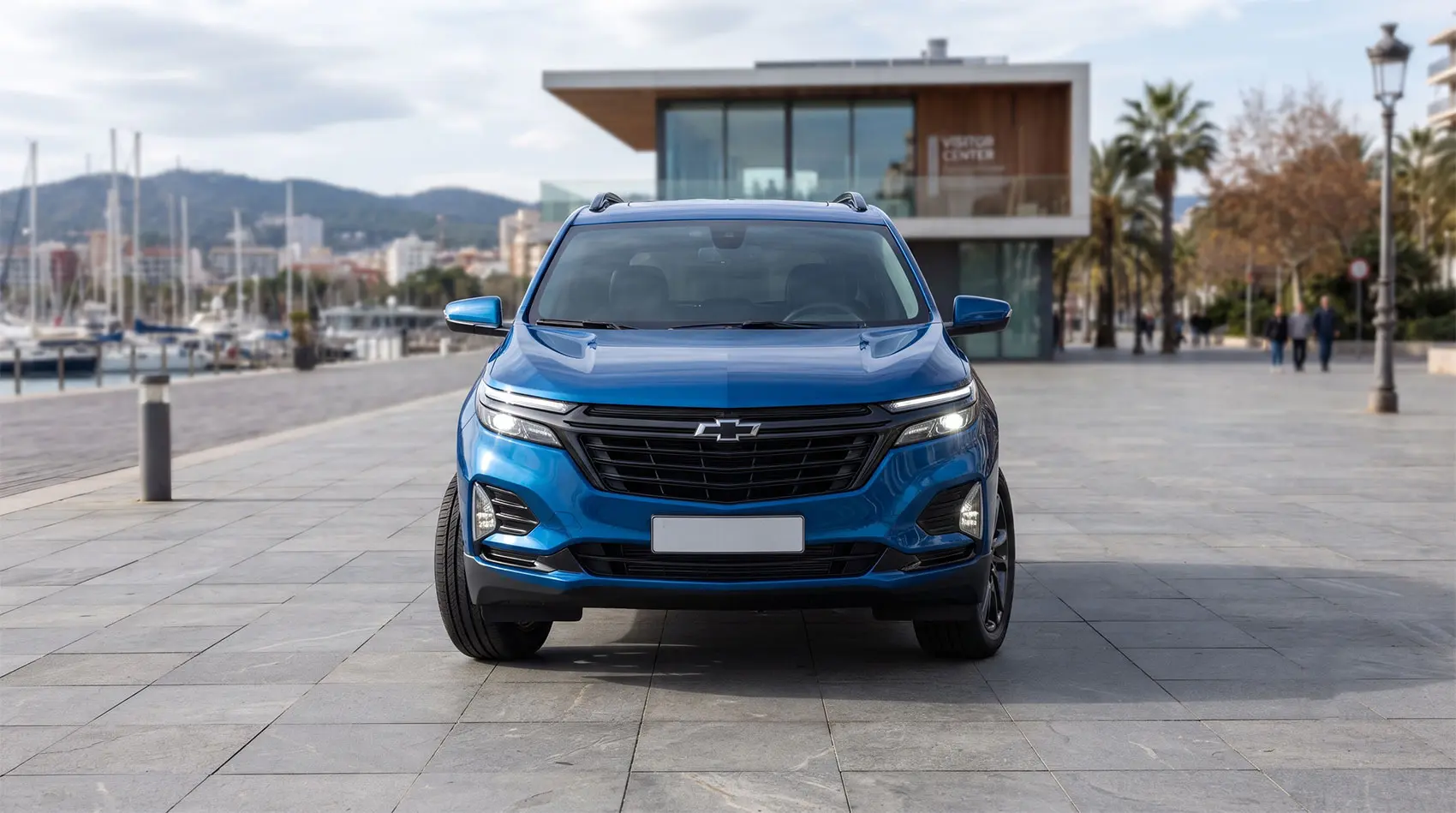
The Chevrolet Equinox has long occupied a unique space in the automotive landscape. For years, it has served as the dependable, middle-of-the-road choice for families seeking utility, affordability, and that distinct "Gold Bowtie" badge of reliability. It was the appliance of the SUV world, not necessarily the flashiest, but certainly one of the most trusted. However, the automotive industry is currently caught in a whirlwind of rapid digitization, and General Motors has decided that the 2025 Equinox must be part of that electric-and-screen-first revolution.
With the latest redesign, Chevrolet has pivoted hard toward a bold, squared-off aesthetic and an interior that mimics modern smart devices more than traditional vehicle cockpits. But this transformation has been met with a surprising wave of friction from the very people who have kept the model alive for nearly two decades: its loyal owners. While the design looks sharp on a spec sheet, the reality of living with the vehicle day-to-day has sparked a chorus of mixed reviews. Owners are not just reacting to the aesthetics; they are reacting to a fundamental shift in how they interact with their primary mode of transportation. From the loss of intuitive physical controls to reported glitches in the infotainment ecosystem, the 2025 Equinox has become a case study in how "advancement" can sometimes feel like a regression to those who value function over form. In this article, we peel back the layers of the new Equinox to understand exactly why the owner sentiment is so polarized and whether these issues are growing pains or a permanent departure from the brand’s core identity.
The Tech Overhaul Too Much, Too Soon?
The most jarring aspect of the 2025 Chevrolet Equinox redesign is undoubtedly the total commitment to a digital-first interface. For years, the Equinox interior was a bastion of "knob-and-button" logic, a layout that allowed drivers to adjust cabin temperature, volume, and fan speed by feel alone, without ever needing to peel their eyes away from the road. This haptic familiarity is a core tenet of automotive safety and ease of use. However, the new model replaces much of this tactile infrastructure with a sprawling, screen-heavy dashboard. While the high-resolution display looks impressive in marketing brochures and on showroom floors, real-world ownership tells a different story.
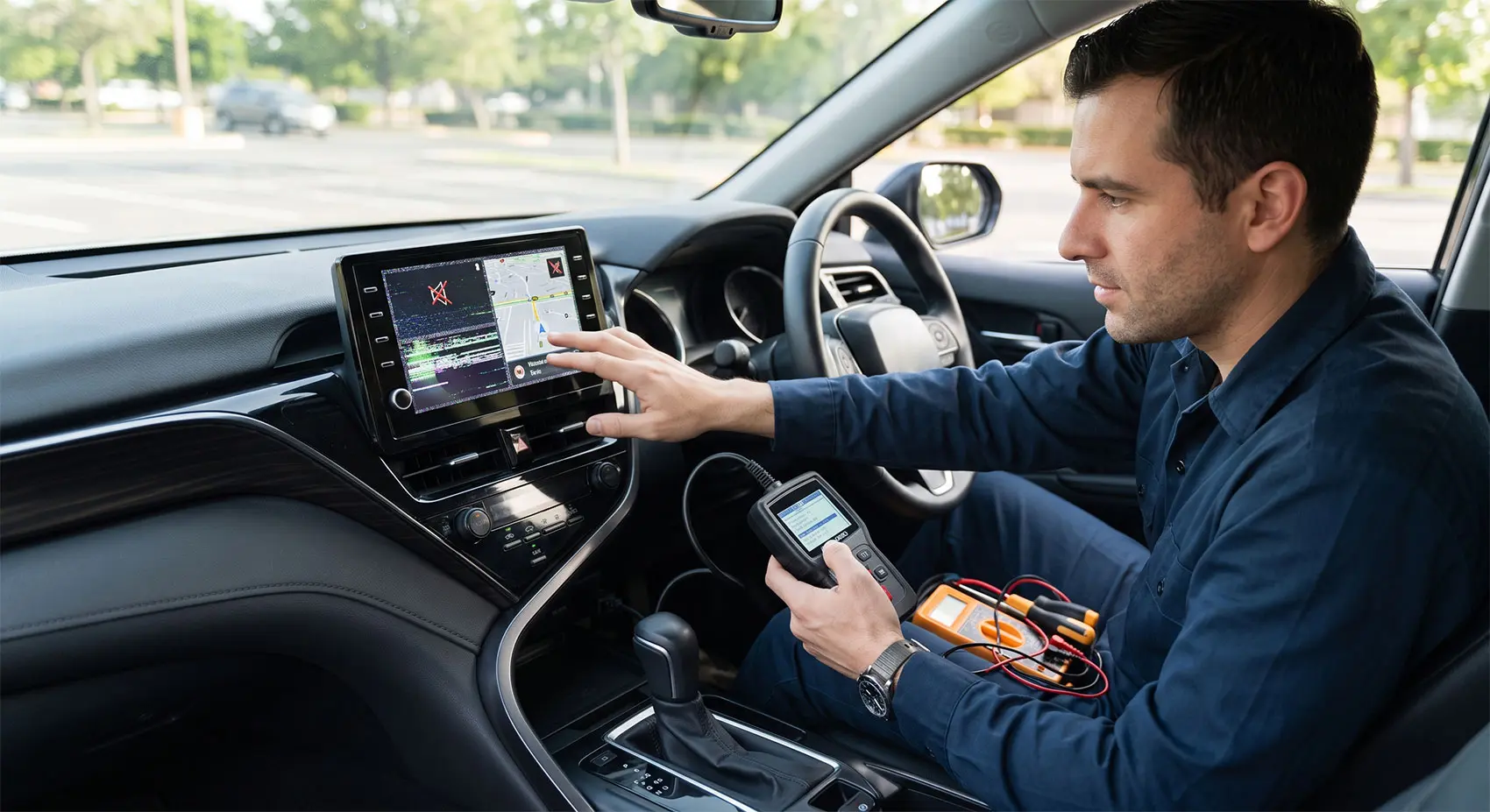
Owners are reporting a significant "learning curve" that feels more like an unwanted chore than an upgrade. Common complaints center on the menu-heavy interface; tasks that used to require a simple physical flick, like adjusting the climate control or navigating to a specific radio preset, now require multiple taps through sub-menus. This complexity introduces cognitive load, especially when driving in high-traffic or high-stress environments. Furthermore, early adopters have noted instances of infotainment lag. When a driver reaches for a screen adjustment, they expect an immediate response; when the system stutters or takes a beat to register an input, it creates a lingering sense of unreliability. This isn't just a minor tech annoyance; it erodes the user's confidence in the vehicle's core systems. For long-time Chevy loyalists, this shift feels less like progress and more like a forced migration to a software-centric environment that prioritizes aesthetics over the immediate, intuitive functionality they have come to rely on for years.
The transition from tactile, physical controls to a screen-centric interface in the 2025 Equinox is not merely a design update; it is a fundamental shift in the vehicle’s "Human-Machine Interface" (HMI). For the past decade, automotive ergonomics have been governed by the "glance-time" principle, the idea that any adjustment should be executable in under two seconds. Chevrolet’s new dashboard design, while visually aligned with the trend of "digital minimalism," often forces a "hunt-and-peck" interaction.
For the average driver, muscle memory is a powerful tool. When you reach for the volume knob or the fan speed dial, your brain doesn't need to process visual information; you operate on instinct. By burying these controls deep within the infotainment menus, the 2025 Equinox increases cognitive load. Owners report that in high-stress driving conditions such as navigating a merge or heavy rain, the need to toggle through screen sub-menus to adjust the defroster or cabin temperature is a genuine safety concern.
Furthermore, the hardware behind the screen has been a point of frustration. While the display itself is bright and high-resolution, the underlying processing power seems to struggle with complex tasks. Owners note "stuttering" during navigation inputs or a delay when switching between media sources. This lag is particularly noticeable during the initial startup phase. For a vehicle intended to be a reliable family workhorse, these software-related delays create a perception of instability. When the infotainment system, which controls everything from safety alerts to cabin environment, feels "glitchy," the entire vehicle feels less like a solid machine and more like a temperamental smartphone. This is precisely why the "mixed reviews" are so prevalent; buyers who wanted a reliable SUV are finding themselves troubleshooting software updates instead of enjoying their commute.
Comfort, Ride Quality, and Cabin Ergonomics
Beyond the screens and the powertrain, the 2025 Equinox’s cabin represents a significant philosophical shift in how Chevrolet views passenger comfort. In previous generations, the interior was designed around a "sturdy and spacious" ethos; materials were durable, the seating position felt elevated, and the ergonomic layout was predictable. With this latest redesign, the cabin has taken on a more contemporary, sculpted look. While the aesthetic is undeniably more modern, many long-time owners are reporting that this shift has come at the expense of genuine comfort and tactile satisfaction.
One of the most frequent complaints regarding ergonomics is the change in material quality and assembly. While the design language is sleek, owners have noted a higher prevalence of "value-oriented" plastics in high-touch areas. When you combine this with the tighter assembly tolerances of a new design, it often leads to reports of early-onset squeaks and rattles, a deal-breaker for many who chose the Equinox specifically for its perceived "solid" build. These interior noises can shatter the illusion of a premium, modern cabin, making the vehicle feel less like a long-term investment and more like a disposable piece of tech.
Furthermore, the seating ergonomics have shifted. The new seat geometry is aimed at providing a more "cockpit-like" feel, but for many owners, this translates to less support for long-distance driving. Those who have logged hours behind the wheel of the previous model describe the older seats as more forgiving, with better lumbar support and a wider range of adjustability. In the 2025 version, the seats are often described as firmer and narrower, which might look great on a spec sheet under the banner of "sport-inspired" but fall short in the practical, multi-hour journeys that the Equinox is frequently used for. Even the perceived interior space feels compromised; the new dashboard design, while visually striking, seems to consume more physical cabin volume, leaving front-seat passengers feeling more enclosed than before. For a family-oriented SUV, these adjustments to ergonomics and material choices are contributing to a sentiment that the 2025 model has traded away its "best friend to the family" status in favor of chasing a trendier, more aggressive market position.
The Competitive Context
When evaluating the 2025 Chevrolet Equinox, it is impossible to ignore the formidable landscape it inhabits. The compact SUV segment is arguably the most fiercely contested battleground in the automotive industry, dominated by stalwarts like the Toyota RAV4 and the Honda CR-V. These competitors have refined their own formulas over decades, balancing reliability with incremental, user-friendly improvements. The question for many prospective buyers and the source of much of the "mixed" sentiment among current owners is whether Chevrolet’s dramatic pivot to a screen-centric, aggressively designed SUV offers a compelling value proposition in comparison.
The RAV4 and CR-V are often lauded for their "get in and go" nature; their interfaces are generally more intuitive, their transmissions are better sorted for everyday commuting, and their reputations for long-term mechanical predictability are well-established. In contrast, the 2025 Equinox feels like it is trying to capture a new demographic, one that values the "wow factor" of a high-tech cabin and sharp, geometric exterior styling. However, this strategy creates a clear divide. For the buyer who wants their car to function like an extension of their smartphone, the Equinox’s digital-first approach might be a selling point. But for the core Equinox buyer, the person who prioritized the previous generation’s simplicity, value, and reliability, this pivot feels like a departure from the brand’s promise.
Owner sentiment reflects this confusion. Many are finding that while the new Equinox has a higher "curb appeal" and a more modern presentation, the daily frictions, the infotainment stutters, the transmission lag, and the ergonomic compromises are leading them to look at competitors with a sense of "what if?" They aren't necessarily hating the car, but they are finding that the "value" of the previous Equinox, defined by ease and trust, has been diluted. In a market where buyers have dozens of excellent options, the Equinox risks alienating its base without necessarily winning over the tech-obsessed demographic that is already catered to by other, more established software-focused brands. Whether these owners trade in their vehicles or simply grow accustomed to the new quirks remains to be seen, but for now, the competitive context suggests that the 2025 Equinox has a steeper climb to reclaim its position as the reliable, stress-free family staple.
Conclusion
The 2025 Chevrolet Equinox stands at a precarious crossroads, illustrating the broader challenges traditional automakers face as they race to modernize their lineups. On one hand, Chevrolet has successfully crafted a vehicle that looks and feels contemporary, shedding the "appliance" aesthetic of its predecessors for a sharp, high-tech identity. The design is bold, the cabin is visually sophisticated, and the commitment to a digital-first ecosystem suggests a brand looking toward a tech-heavy future. Yet, the mixed reviews from owners serve as a critical reminder that a vehicle is not merely a smartphone on wheels; it is a complex mechanical tool that must prioritize reliability, ease of use, and ergonomic harmony above all else.
The friction reported by owners, ranging from infotainment complexity and sluggish interface responses to perceived mechanical hesitancy, points to a "growing pain" phase that many manufacturers encounter when pivoting their core products. For the 2025 Equinox, the challenge is clear: it must reconcile its new, aggressive design language with the functional, stress-free ownership experience that built its reputation. Prospective buyers should approach this model with their eyes wide open, recognizing that while it pushes the brand into a new, stylish era, the daily reality may require adjusting to a less intuitive environment. Whether Chevrolet can smooth out these rough edges through software updates and fine-tuning remains the pivotal question. For now, the 2025 Equinox is a testament to the fact that in the quest for "next-generation" status, it is easy to inadvertently leave behind the very qualities that made the original so beloved. If you value cutting-edge aesthetics and digital integration, the new Equinox offers a compelling, albeit flawed, vision of the future; if you prioritize the tried-and-true simplicity of the past, you may find yourself navigating a more complex path than you bargained for.


Written by Maarukh Shahbaz
Published Jul 18, 2026 in Car Reviews.