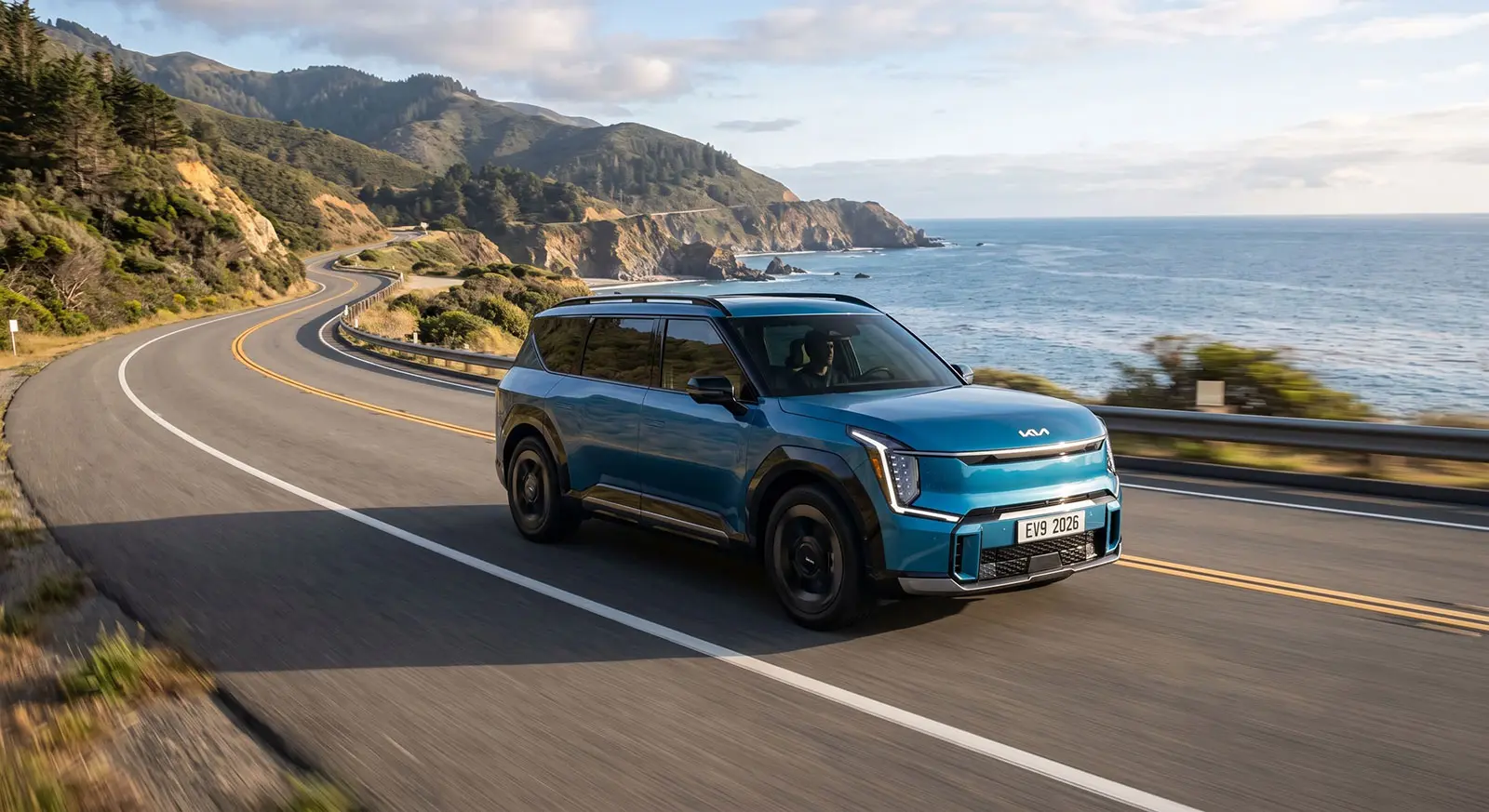
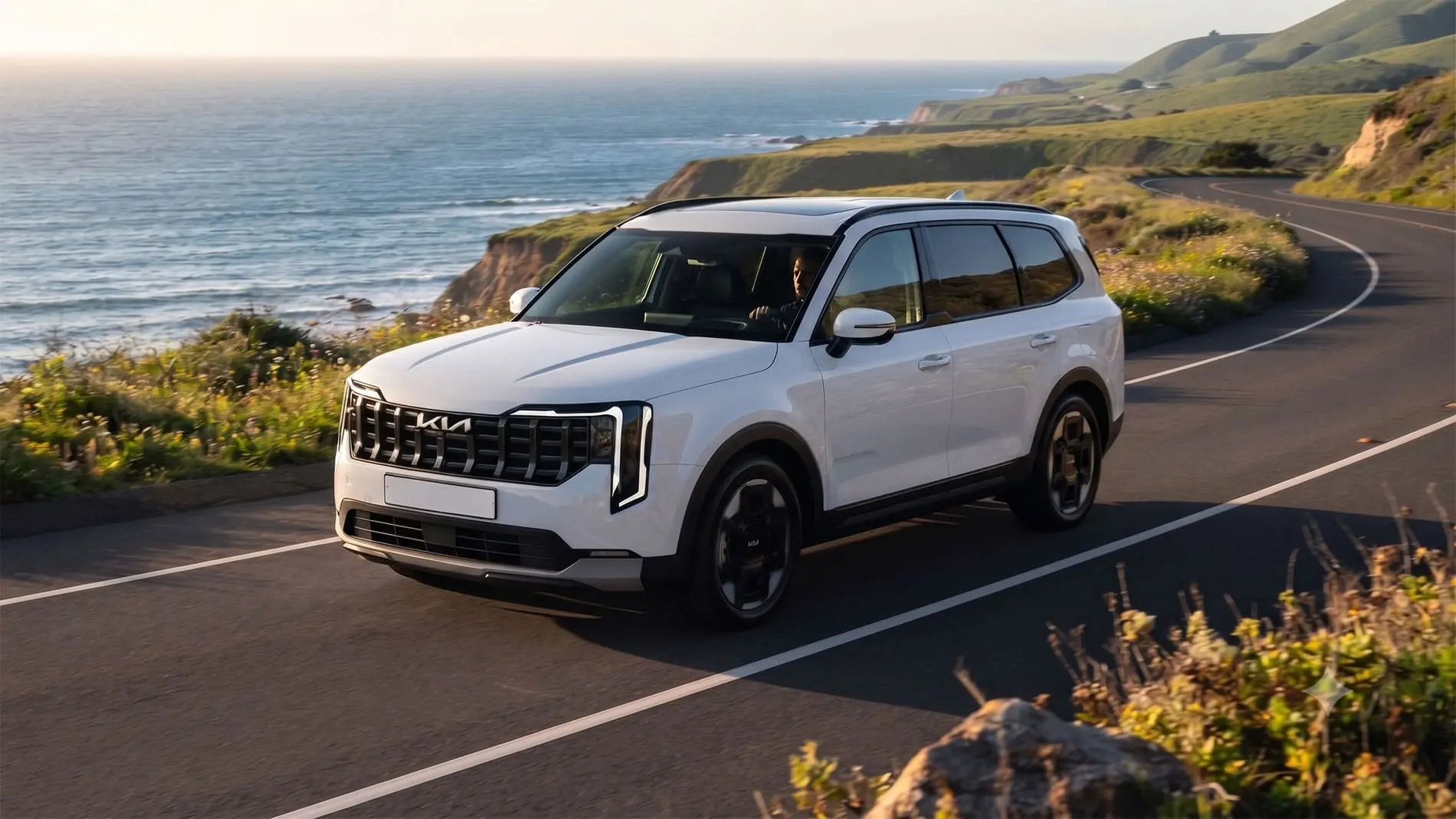
The three-row SUV segment has long been dominated by stalwarts relying on tried-and-true V6 engines, but the landscape is shifting beneath their feet. For years, the Kia Telluride has stood as the benchmark for families who refuse to compromise on style, space, or value. Now, as the industry pivots toward electrification, the automotive world is turning its collective gaze toward the 2027 Kia Telluride Hybrid. This is not merely a mild update or a modest efficiency boost; it represents a fundamental rethinking of how a large family vehicle can perform.
For the modern parent or road-trip enthusiast, the choice of a three-row SUV has traditionally been a tug-of-war between power and fuel economy. Choosing the extra seats often meant resigning yourself to frequent stops at the gas pump. The introduction of the 2027 hybrid powertrain changes the narrative entirely. By integrating advanced electric assistance with a high-torque combustion engine, Kia is aiming to solve the "three-row dilemma" delivering the sheer pulling power required for heavy loads while achieving efficiency numbers that were, until recently, impossible for a vehicle of this footprint.
As anticipation builds, the market is already reacting. Competitors like the Toyota Grand Highlander Hybrid and the Honda Pilot are facing a new kind of pressure. The 2027 Telluride Hybrid isn't just about saving money at the pump; it’s about the integration of seamless, high-tech performance that makes driving a large vehicle feel lighter, faster, and more responsive. In this deep dive, we will explore why the 2027 model is set to disrupt the status quo, analyzing everything from its projected powertrain engineering to the way it maintains the rugged, "adventure-ready" DNA that made the original Telluride a cultural phenomenon. Whether you are a loyalist waiting for the next upgrade or a buyer currently scouting the competition, the 2027 Telluride Hybrid is arguably the most significant development in the SUV space for the coming year.
The Powertrain Revolution
The shift to a 2.5-liter turbocharged hybrid powertrain is the headline act for the 2027 Kia Telluride, and for good reason. For years, the Telluride relied on a naturally aspirated V6 that was smooth and reliable, but it struggled to compete with the modern demand for superior fuel efficiency. By integrating a 1.65 kWh lithium-ion battery and a high-output electric motor with the 2.5L turbo engine, Kia has achieved what many thought impossible: a three-row SUV that boasts 329 horsepower and 339 lb-ft of torque.
This isn't just a win for the green-minded consumer; it’s a performance upgrade. The immediate torque delivery provided by the electric motor fills the "turbo lag" gap that often plagues traditional forced-induction engines. When you step on the pedal to merge onto a highway or pass a slower vehicle, the response is instantaneous, linear, and surprisingly punchy for a vehicle of this size.
More importantly, the efficiency gains are staggering for the segment. Kia estimates a combined 35 MPG, a significant leap over the previous generation. This efficiency doesn't just lower your monthly fuel costs; it extends your range to nearly 600 miles per tank. For the quintessential American family the one that spends weekends hauling kids to sports tournaments or embarking on cross-country road trips this equates to fewer mandatory pit stops and more time enjoying the journey. The 2027 Telluride Hybrid proves that you no longer have to choose between the practicality of a three-row hauler and the economy of a hybrid sedan.
Engineering for Capability: Towing and Torque
The narrative that hybrids are "soft" or purely city-dwellers is officially retired with the 2027 Telluride. In the world of three-row SUVs, capability is measured by more than just interior volume; it’s about the vehicle’s willingness to tackle the heavy lifting of family life. Whether it’s towing a mid-sized camper for a weekend escape or managing a fully loaded cabin on a mountain pass, the Telluride Hybrid has been engineered to keep its composure.
The true hero of this equation is the integration of electric torque. In a traditional gas engine, you often have to "rev up" to reach the power band, which can feel sluggish when towing uphill. The 2027 Telluride Hybrid’s electric motor provides immediate, linear torque right off the line. This means the transition from a standstill to cruising speed is smoother, and the vehicle doesn't feel like it’s "working" to keep up with highway traffic, even with a trailer in tow. With a maximum towing capacity of 4,500 pounds, it handles most recreational needs with confidence, and the standard torque-vectoring all-wheel-drive system ensures that power is distributed to the wheels with the most grip.
Moreover, Kia has maintained the "adventure-ready" identity that made the original Telluride a cult favorite. For those opting for the X-Pro trim, the engineering goes even further. With a 9.1-inch ground clearance, all-terrain tires, and an electronic limited-slip differential, the hybrid architecture doesn't sacrifice off-road utility. Instead, it complements it. The ability to navigate rutted trails or slippery boat ramps is bolstered by the precise control of the electric motor, which provides finer modulation than a mechanical throttle alone. This is not just a family car; it’s a versatile tool for those who refuse to let the destination be dictated by the limitations of their vehicle.
Interior Tech and Comfort Upgrades
While the hybrid powertrain is the headline, the real-world experience for the driver and passengers centers on the cabin. Kia has mastered the art of "premium-without-the-price-tag," and the 2027 Telluride Hybrid takes this to a new level. The first thing you notice is the integration of the next-generation Panoramic Curved Display, which houses both the instrument cluster and the infotainment system. The interface is not only faster and more intuitive but also features enhanced connectivity options that cater to the modern, tech-savvy family. Wireless Apple CarPlay and Android Auto are standard, but the real innovation lies in the AI-enhanced voice recognition, which can now handle multi-stage requests, such as "find the nearest EV charging station" and "adjust the climate to 72 degrees" in a single command.
Ergonomics have been subtly refined to maximize space. A common concern with hybrid SUVs is the placement of the high-voltage battery, which can often encroach upon cabin space or trunk volume. Kia’s engineers have successfully packaged the battery beneath the second-row seats, preserving both the flat floor of the second row and the full utility of the third row. This means your passengers retain the class-leading legroom they expect, without feeling like they are sitting on top of the battery pack.
Sustainability meets luxury in the choice of materials. The 2027 model introduces eco-friendly synthetic leather options that are more durable and easier to clean than traditional hides a major win for parents managing spills or pet owners on the go. The cabin is also noticeably quieter. With the hybrid system operating primarily on electric power at low speeds, the traditional engine noise has been significantly reduced. Kia has utilized acoustic-laminated glass throughout the vehicle, creating a library-quiet atmosphere that makes long-distance conversations easier and enhances the performance of the premium sound system. It is a cabin designed not just for transport, but for living, ensuring that every occupant from the driver to the third-row passengers—experiences the same level of comfort and convenience.
Competitive Landscape: Why Rivals Should Worry
The arrival of the 2027 Kia Telluride Hybrid is not occurring in a vacuum; it is a direct challenge to the established order of the three-row SUV segment. For years, the Toyota Grand Highlander Hybrid and the Honda Pilot have been the default choices for families one for its hybrid efficiency, the other for its refined, reliable V6 driving dynamics. The 2027 Telluride Hybrid, however, is strategically positioned to dismantle the "either/or" choice that has defined this market segment.
When comparing the 2027 Telluride Hybrid against the Toyota Grand Highlander Hybrid, the primary differentiator lies in the execution of the driving experience. While the Grand Highlander is undeniably efficient, critics have often pointed to a "vanilla" driving feel that prioritizes utility over engagement. Kia has taken a different approach. By tuning the suspension and steering to be more responsive, and by leveraging the instantaneous power of the hybrid motor, the Telluride Hybrid maintains the "driver’s SUV" reputation of its predecessor. It feels more planted, more agile, and more connected to the road, effectively bridging the gap between a utilitarian family hauler and an engaging daily driver.
The challenge to the Honda Pilot is even more direct. The Pilot remains a masterclass in interior packaging and mechanical reliability, but it has historically lacked a true electrified powertrain to compete with the modern shift toward higher MPG ratings. Kia’s 2027 model doesn't just match the Pilot’s space; it beats it on the bottom line. With a more aggressive pricing strategy a hallmark of the Kia brand the Telluride offers more technology and higher-end materials for the same (or lower) MSRP. This "value-plus" proposition is already causing ripples. Competitors are forced to either concede market share to Kia’s superior hybrid-powertrain-to-price ratio or invest heavily in their own upcoming refreshes to keep pace. For the consumer, this competitive tension is the ultimate win, as it pushes the industry toward better, more efficient, and more feature-rich vehicles across the board.
The Environmental and Financial Impact
The decision to transition to a hybrid powertrain in the 2027 Telluride is a move that balances modern environmental consciousness with the pragmatic financial realities of the American family. In an era where fuel prices remain volatile, the jump from an average of 22–24 MPG in the outgoing V6 model to a projected 35 MPG in the hybrid variant is substantial. When calculated over a five-year ownership period, this efficiency isn't just a minor line-item saving; it represents a significant reduction in the total cost of ownership (TCO). For families clocking in 15,000 miles a year, the fuel savings can add up to thousands of dollars, effectively offsetting the price premium typically associated with hybrid technology.
Beyond the immediate relief at the gas pump, there is the long-term benefit of reliability and resale value. Kia has been laser-focused on the longevity of its hybrid components, backing the 2027 model with one of the most comprehensive powertrain warranties in the industry. By utilizing a proven 2.5-liter engine architecture bolstered by electric assistance, Kia is avoiding the "experimental" pitfalls that sometimes plague early-generation hybrid systems. The result is a vehicle that is not only cheaper to operate but also projected to hold its value exceptionally well in the used car market, where fuel-efficient SUVs are becoming increasingly sought-after.
Furthermore, the environmental impact of the 2027 Telluride Hybrid cannot be understated. By reducing carbon emissions through a more efficient combustion cycle and regenerative braking, Kia is helping families lower their carbon footprint without forcing them into the range anxiety often associated with full-battery electric vehicles (BEVs). It provides a "bridge" solution that fits seamlessly into current infrastructure. You get the benefits of lower emissions and better fuel economy without needing to install a home charger or plan your life around public charging stations. For the family that wants to be responsible citizens of the road while maintaining the flexibility to drive cross-country on a whim, the 2027 Telluride Hybrid strikes the perfect balance, proving that sustainable innovation can be both accessible and highly practical.
Conclusion: The Future of the Three-Row SUV
The 2027 Kia Telluride Hybrid is not merely a vehicle; it is a declaration of intent. By seamlessly integrating high-performance electrification into a platform that already redefined family travel, Kia has effectively closed the performance gap that existed between traditional gas-powered haulers and the next generation of hybrid SUVs. It addresses the modern family’s deepest needs: the desire for reduced environmental impact, the necessity of lower long-term operating costs, and the absolute requirement for uncompromised space and towing power.
As we look toward the shifting automotive landscape of 2027, the Telluride Hybrid stands out as a bridge between today’s practical demands and tomorrow’s electrified reality. It offers a sophisticated, tech-forward experience that feels less like a compromise and more like an evolution. For those who have been waiting for the right moment to make the switch to a hybrid, or for the loyalist ready for a significant step up, this model is not just "worth the wait" it is the new standard-bearer for the three-row SUV segment. The future of family transportation is here, and it is more efficient, powerful, and capable than ever before.

Written by Maarukh Shahbaz
Published Jul 6, 2026 in Car Reviews.