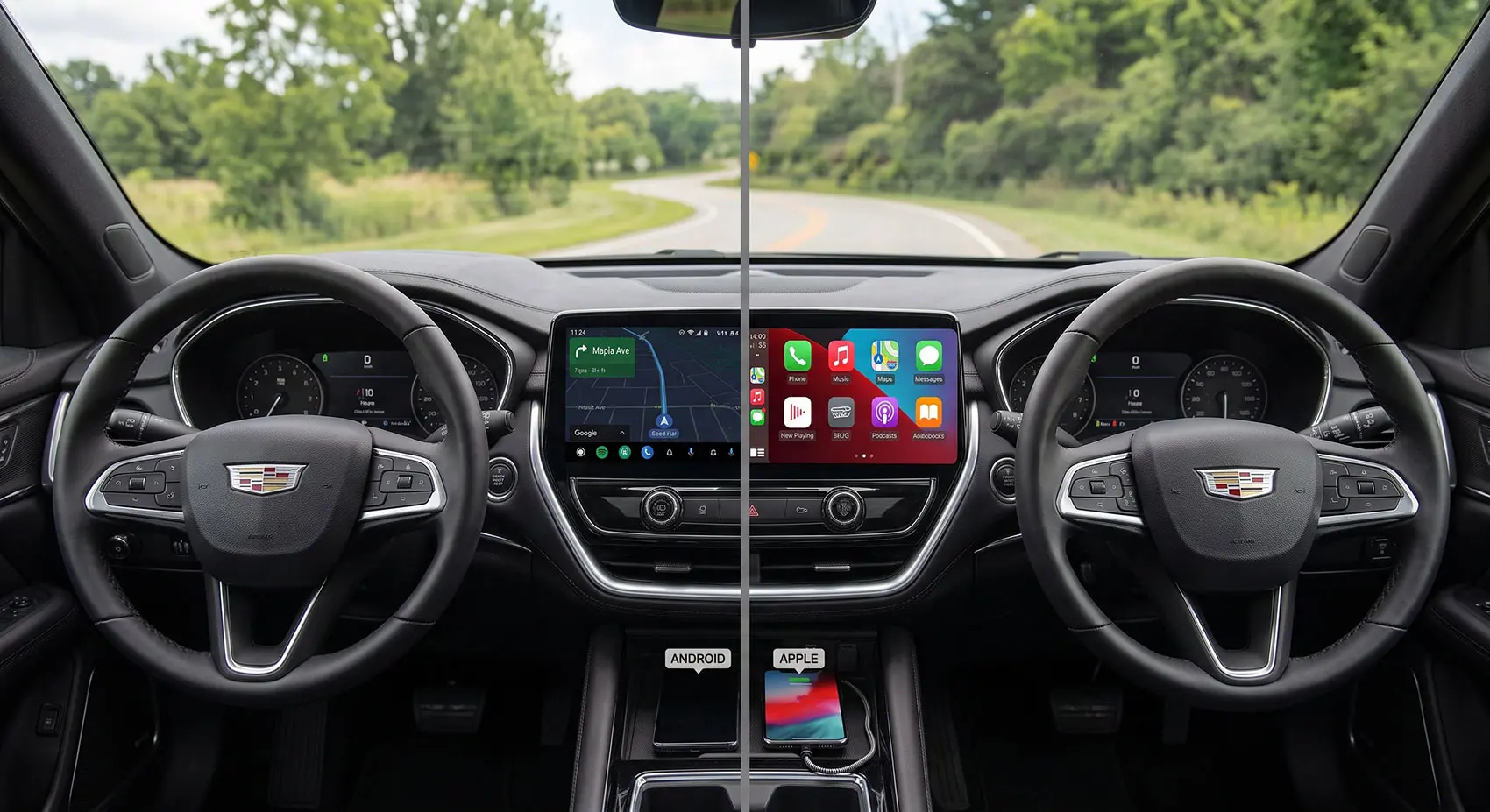
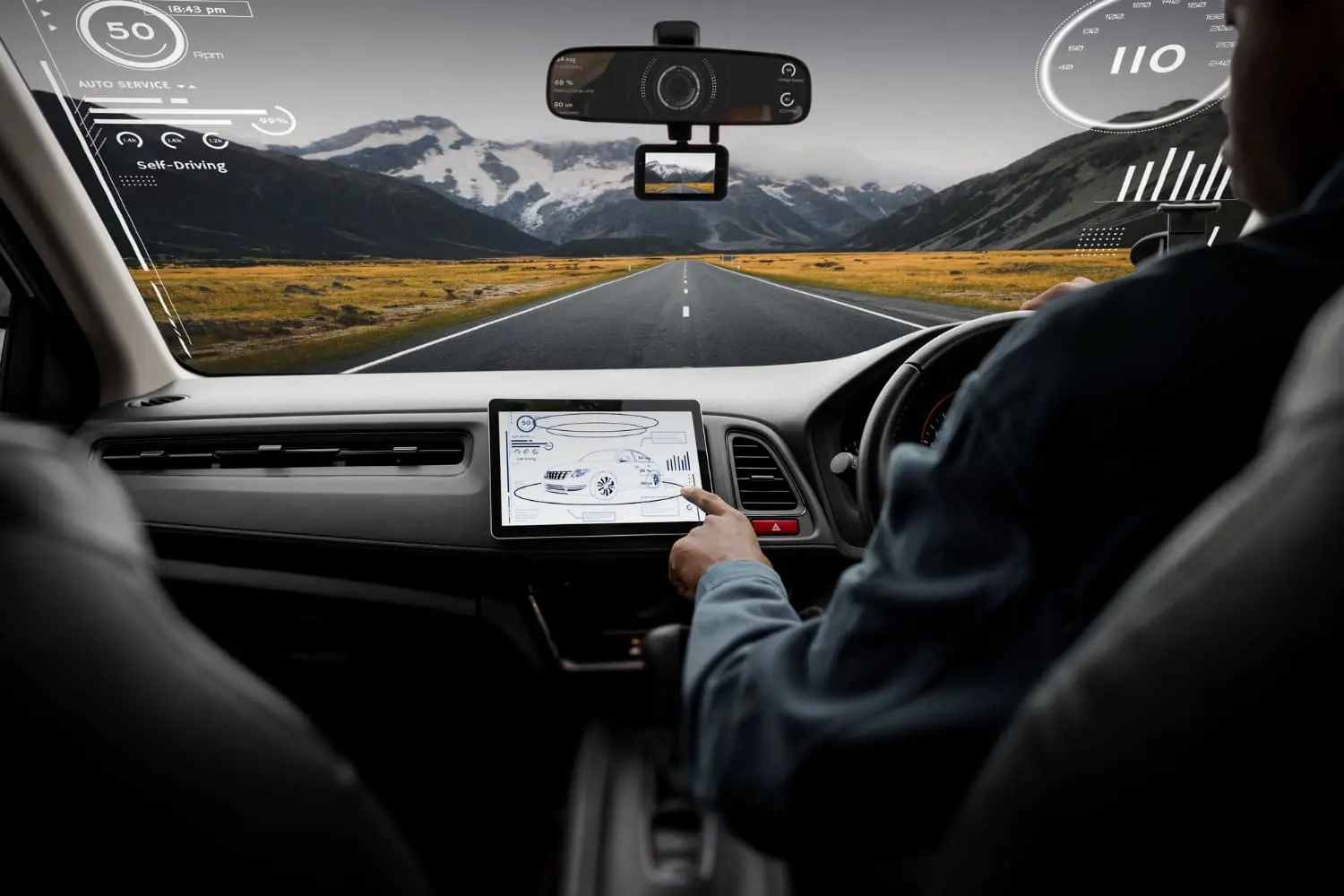
Step inside almost any modern vehicle manufactured in the last few years, and you will immediately notice something striking: the cockpit has changed beyond recognition. Gone are the satisfying tactile clicks of rotary dials, heavy-duty toggle switches, and weighted climate control knobs. In their place is a sea of uninterrupted, glossy glass vast digital displays that command every single function from seat adjustments to cabin temperature.
To the marketing departments of major automakers, these minimalist glass panes represent the pinnacle of futuristic luxury. They offer clean lines, futuristic aesthetics, and a smartphone-like familiarity that appeals to modern tech-driven consumers. Behind the scenes, they also provide a massive financial win for manufacturers, who save substantial assembly costs by replacing dozens of mechanical components, wiring harnesses, and physical switches with a single mass-produced screen and a software-driven menu.
However, a dangerous disconnect has emerged between what looks sleek on a showroom floor and what actually works safely in the real world. Driving a two-ton vehicle at highway speeds requires absolute concentration, spatial awareness, and muscle memory. When basic operational necessities like turning on the defroster, adjusting the fan speed, or changing radio stations are buried three layers deep into a computerized submenu, the fundamental mechanics of driving are severely compromised.
As consumer frustration mounts and new regulatory frameworks finally begin to push back against the digital dashboard takeover, it is time to ask a hard question: Have car touchscreens officially gone too far? The answer lies not just in driver annoyance, but in undeniable safety data, ergonomic failure, and the psychological weight of digital fatigue behind the wheel.
The Ergonomics Problem: Why Touchscreens Fail the "Eyes-Off-Road" Test
The most critical indictment of the modern automotive touchscreen is not just aesthetic or philosophical—it is a matter of profound physical safety. For over a century, car interiors were engineered around a single, highly reliable design principle: tactile ergonomics. Physical buttons, toggle switches, and rotary knobs possess distinct shapes, textures, and click feedback. They allow a driver to interact with the vehicle entirely through muscle memory. You can reach out without looking down, feel the ridges of a fan speed dial or the push-click of a defroster button, and confirm execution instantly.
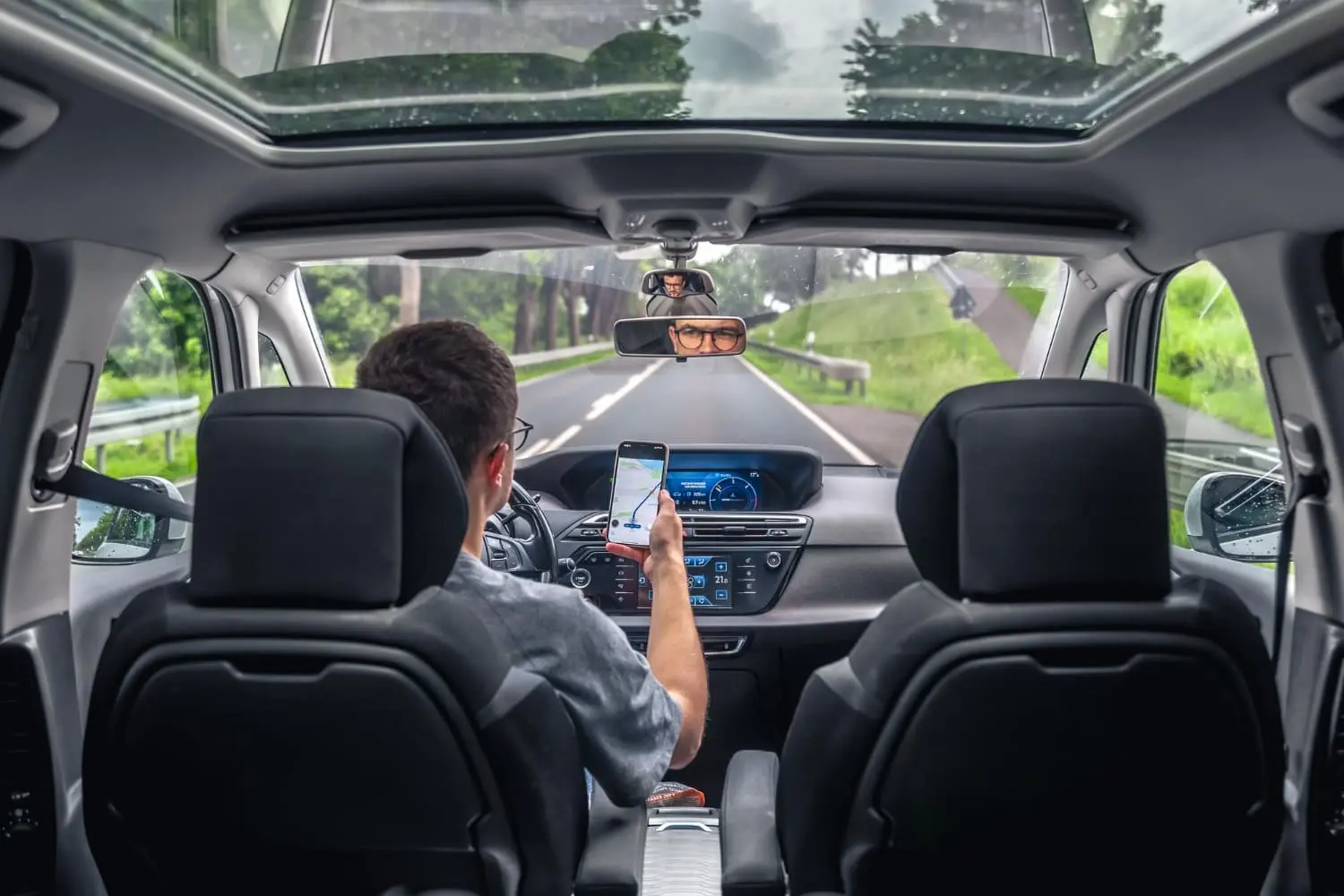
Touchscreens eradicate this crucial safety buffer. A flat, glass surface feels identical whether your finger rests on the volume control, the hazard lights, or the passenger seat heater toggle. Consequently, executing even the most basic adjustments requires a driver to physically take their eyes off the road, look down at a display, locate a digital target, and accurately tap it. At highway speeds of sixty miles per hour, glancing away for just two seconds means your vehicle travels the length of a football field completely unmonitored.
Compounding this issue is the modern obsession with menu nesting. To achieve a clean, uncluttered dashboard appearance, manufacturers routinely strip out dedicated physical buttons and bury essential operations deep within software submenus. Adjusting the air conditioning airflow direction, changing the cabin temperature, or turning on the rear defogger now frequently requires navigating past two or three digital screens while driving.
Independent research from organizations like the AAA Foundation for Traffic Safety and the NHTSA has repeatedly demonstrated that these visual-manual distractions drastically spike cognitive load and reaction times. Drivers operating complex touch-centric interfaces exhibit erratic lane-keeping and delayed reaction times comparable to, or even exceeding, mild impairment. When simplicity is sacrificed for software minimalism, the modern digital dashboard transforms from a convenience feature into an active hazard on public roads.
Regulatory Backlash and the Return of the Button
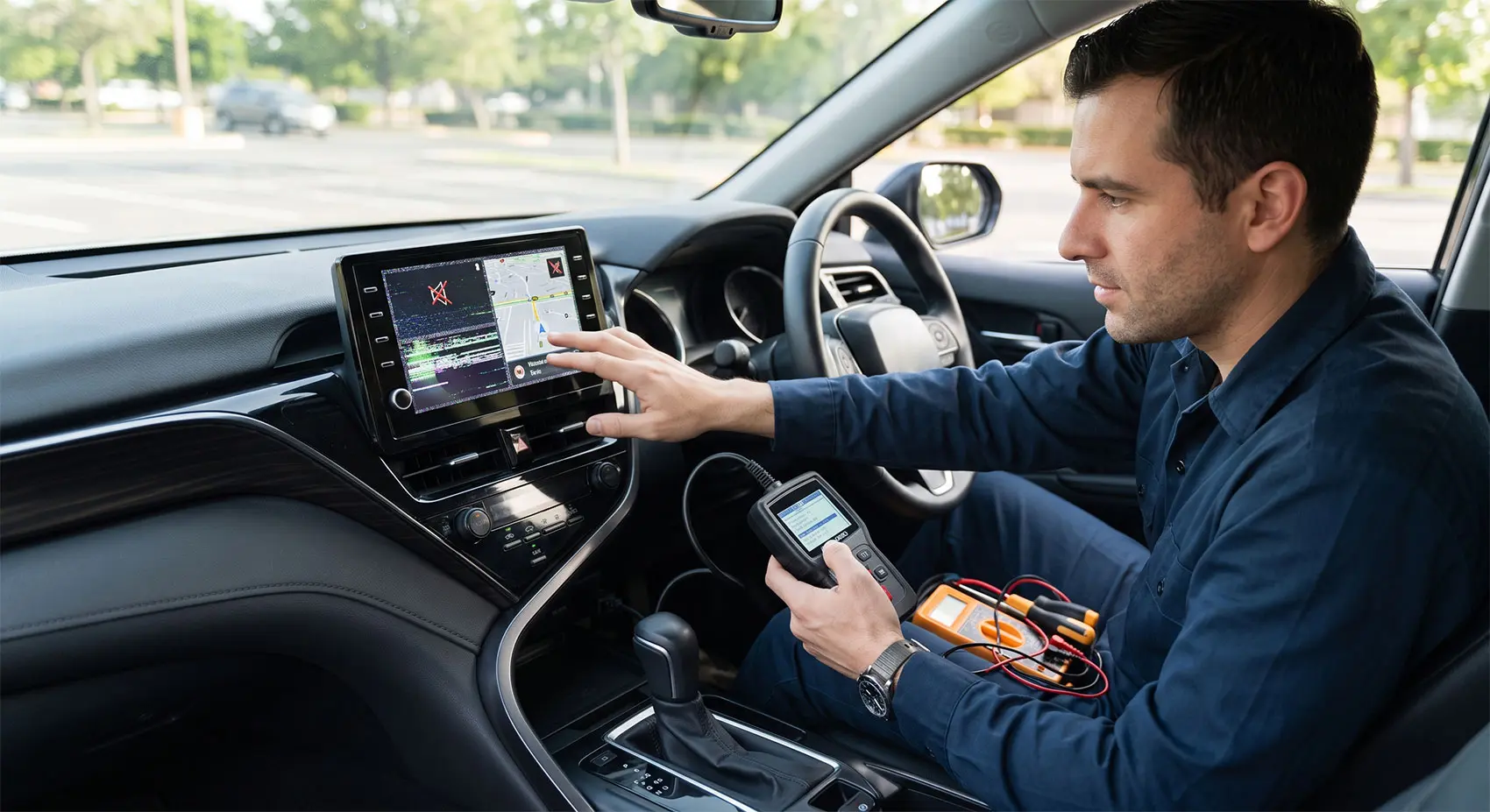
The unchecked march toward all-digital cockpits has finally hit a formidable wall: regulatory intervention and consumer pushback. For years, automakers operated under the assumption that flashier screens equaled higher consumer demand. However, public sentiment has dramatically shifted as drivers experience the daily frustrations of laggy software, missing tactile feedback, and dangerously convoluted menu navigation. What was once marketed as avant-garde luxury is increasingly viewed as a cost-cutting measure that compromises user experience.
Recognizing the clear and present danger to road safety, international safety watchdogs are stepping in. Most notably, the European New Car Assessment Programme (Euro NCAP) updated its vehicle safety assessment criteria that penalize automakers for relying solely on touch-sensitive screens for essential functions. Under these safety standards, vehicles seeking the coveted five-star safety rating must feature dedicated physical controls for core operations such as turn signals, hazard lights, windshield wipers, the horn, and emergency call functions.
This regulatory shift is forcing a massive about-face across the global automotive industry. Major manufacturers who previously stripped their cabins bare are publicly acknowledging that going completely screen-based was a misstep. Designers are racing to reintroduce tactile dials, clickable toggles, and weighted knobs—not as a step backward into obsolescence, but as a sophisticated evolution of cabin safety and ergonomic design. Physical buttons are officially reclaiming their status as the ultimate mark of thoughtful, human-centric engineering.
Conclusion
The rapid digitization of the modern automotive cabin has offered a compelling case study in the perils of prioritizing form over function. In the race to emulate consumer electronics, automakers replaced the intuitive safety of tactile feedback with sweeping sheets of glass and convoluted software submenus. What started as a sleek design trend quickly morphed into a daily ergonomic trial for drivers, turning routine climate adjustments and audio tweaks into high-stakes, eyes-off-the-road distractions that compromise public safety.
Fortunately, the tide is finally beginning to turn. Armed with compelling safety data from traffic research authorities and strict new regulatory frameworks like Euro NCAP's 2026 guidelines penalizing touch-only interiors, the industry is experiencing a much-needed course correction. Manufacturers are rediscovering that true luxury in a vehicle is not about how many digital layers can be hidden behind a pane of glass, but how effortlessly and safely a driver can command their machine.
As we look toward the future of automotive design, the humble physical button is reclaiming its rightful place as an emblem of thoughtful, human-centric engineering. The digital dashboard will undoubtedly remain a cornerstone of modern mobility, but it must coexist with the tactile reliability that keeps our eyes where they belong: safely on the road ahead.


Written by Kousar Shabbir
Published Aug 6, 2026 in Auto Tech.