
If you have tried shopping for a new or used vehicle lately, you have likely noticed a major, undeniable shift in the air. For years, walking onto a local car lot felt less like a standard retail experience and more like walking straight into a financial trap. Sky-high dealer markups, completely empty inventory lots, and soaring inflation left everyday buyers paying thousands of dollars over the manufacturer's suggested retail price just to secure a basic commuter car. Pandemic-era supply chain disruptions completely turned the global automotive industry upside down, transforming ordinary vehicles from practical depreciation assets into highly speculative, overvalued commodities.
However, the tide has finally and officially turned. The entire automotive landscape is undergoing a dramatic, long-awaited market correction, and car prices are finally dropping across the board in 2026. This massive shift is not just a minor economic fluctuation or a temporary seasonal dip; it is a structural realignment driven by a powerful convergence of factors, including a massive surplus in dealership inventory, shifting macroeconomic interest rates, and fierce cross-category competition from the rapidly growing electric vehicle sector. If you have been deliberately delaying your next car purchase while waiting for the market to cool down, your patience is about to pay off in a major way.
Understanding why these price drops are happening and knowing precisely how to leverage this new market reality can save you thousands of hard-earned dollars. Whether you are searching for a reliable, fuel-efficient sedan for your daily commute, a spacious family SUV for road trips, or dipping your toes into the electric vehicle market for the very first time, the fundamental rules of car buying have completely flipped back in favor of the consumer. In this comprehensive guide, we will break down the exact economic forces driving prices downward, analyze how EV price wars are reshaping traditional gasoline-powered segments, and provide you with proven, actionable strategies to score the absolute best deal possible on your next vehicle purchase.
Why Car Prices Are Finally Dropping in 2026
The sudden, widespread shift in car prices is not a random coincidence or a brief market glitch. Several powerful economic forces have collided simultaneously to finally bring long-awaited relief to car buyers after years of punishingly inflated prices.
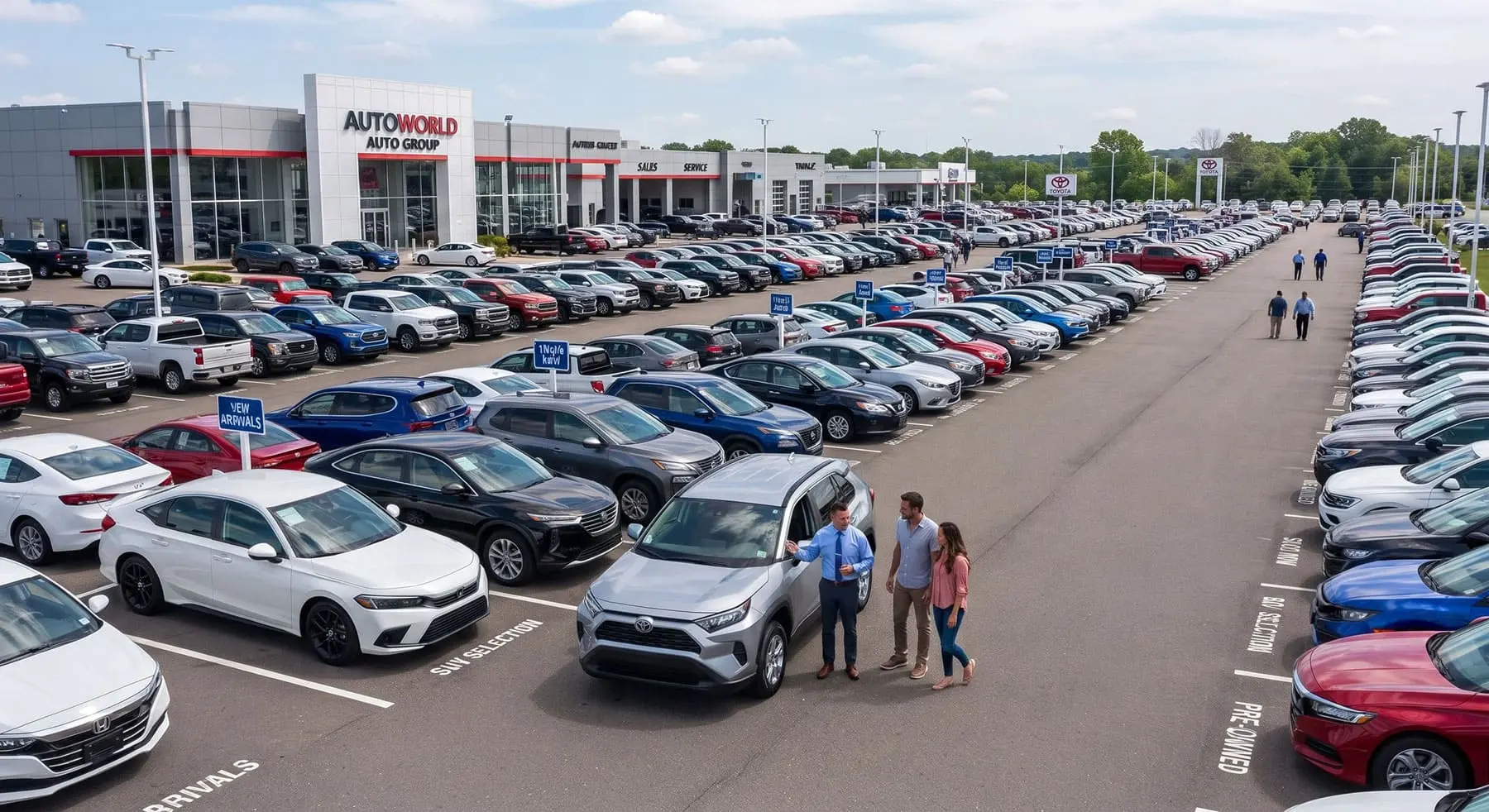
Dealership Inventory Surplus and Lot Overcrowding: For a long time, car lots sat nearly empty, giving dealerships the immense upper hand to charge whatever they wanted and slap massive markups on every vehicle. Today, the exact opposite is happening. Production lines have fully caught up with consumer demand, and dealership lots are filling up to the brim with unsold vehicles. When inventory piles up on a lot, holding onto those cars costs dealerships significant money in floor-plan interest. To keep cash flowing and clear up valuable space for upcoming model years, dealers are finally being forced to drop prices, offer deep cash-back incentives, and slash thousands of dollars off MSRP just to get cars moving.
Shifting Interest Rates and Affordability: High interest rates were one of the main culprits keeping car buyers trapped on the sidelines over the past few years. Monthly loan payments became completely unaffordable for the average household, freezing the auto loan market. As financial markets and Federal Reserve policies begin to stabilize, borrowing costs are starting to ease down from their peaks. While interest rates are still higher than the historic lows of the past, this slight cooling has brought monthly payments back into a realistic, manageable range for many buyers, slowly breathing life back into retail car sales.
The Cooling of the Used Car Depreciation Curve: During the severe supply chain shortages, used cars held onto their value in bizarre, unprecedented ways, sometimes selling for nearly as much as a brand-new model off the factory floor. That abnormal pricing bubble has officially burst. Used vehicle depreciation is successfully returning to its traditional, predictable curve. Older models are losing value at a normal rate once again, meaning used car shoppers can finally find affordable, dependable transportation without paying inflated, pandemic-era premiums.
EV Price Wars and Their Ripple Effect on the Market
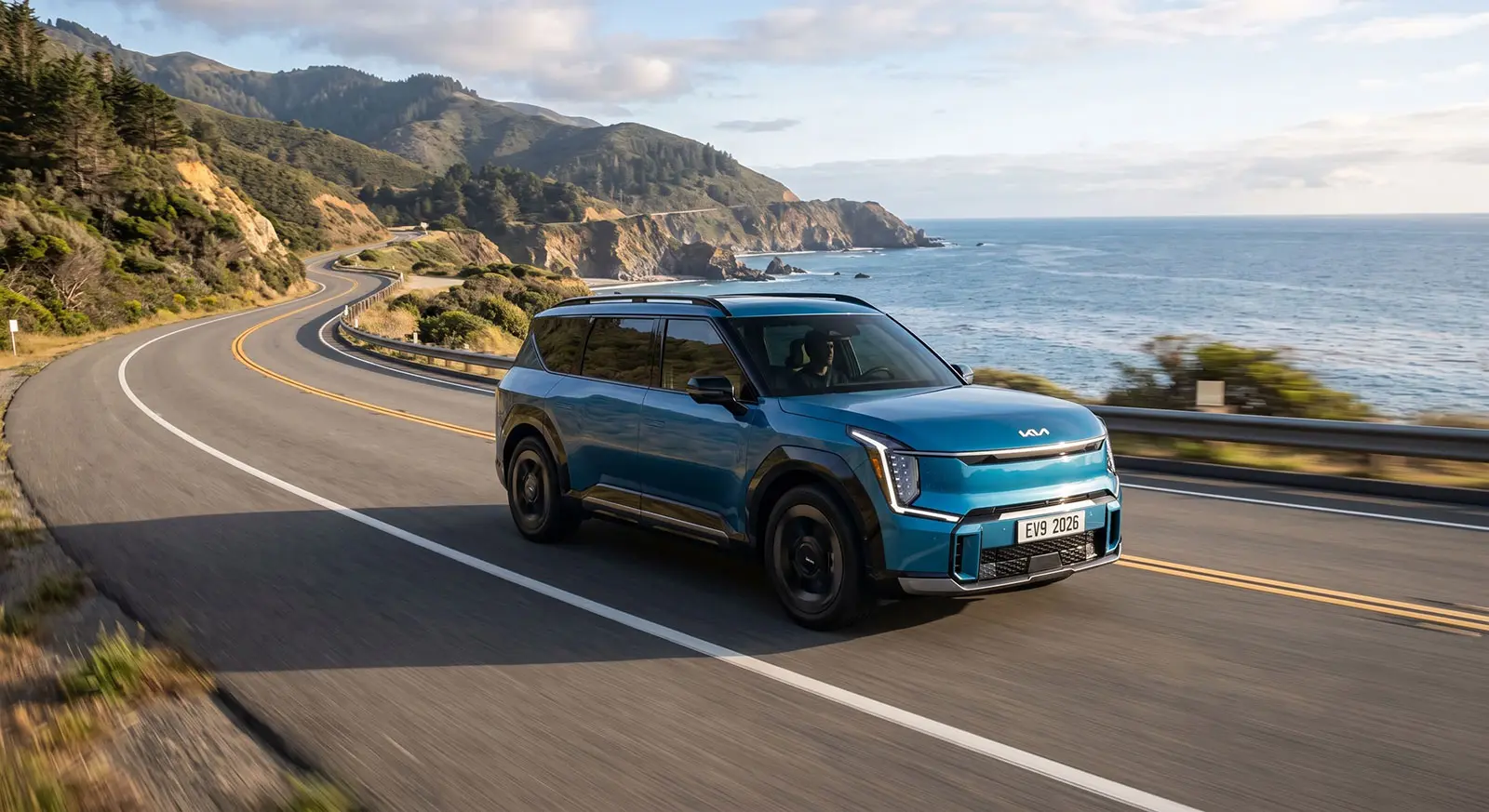
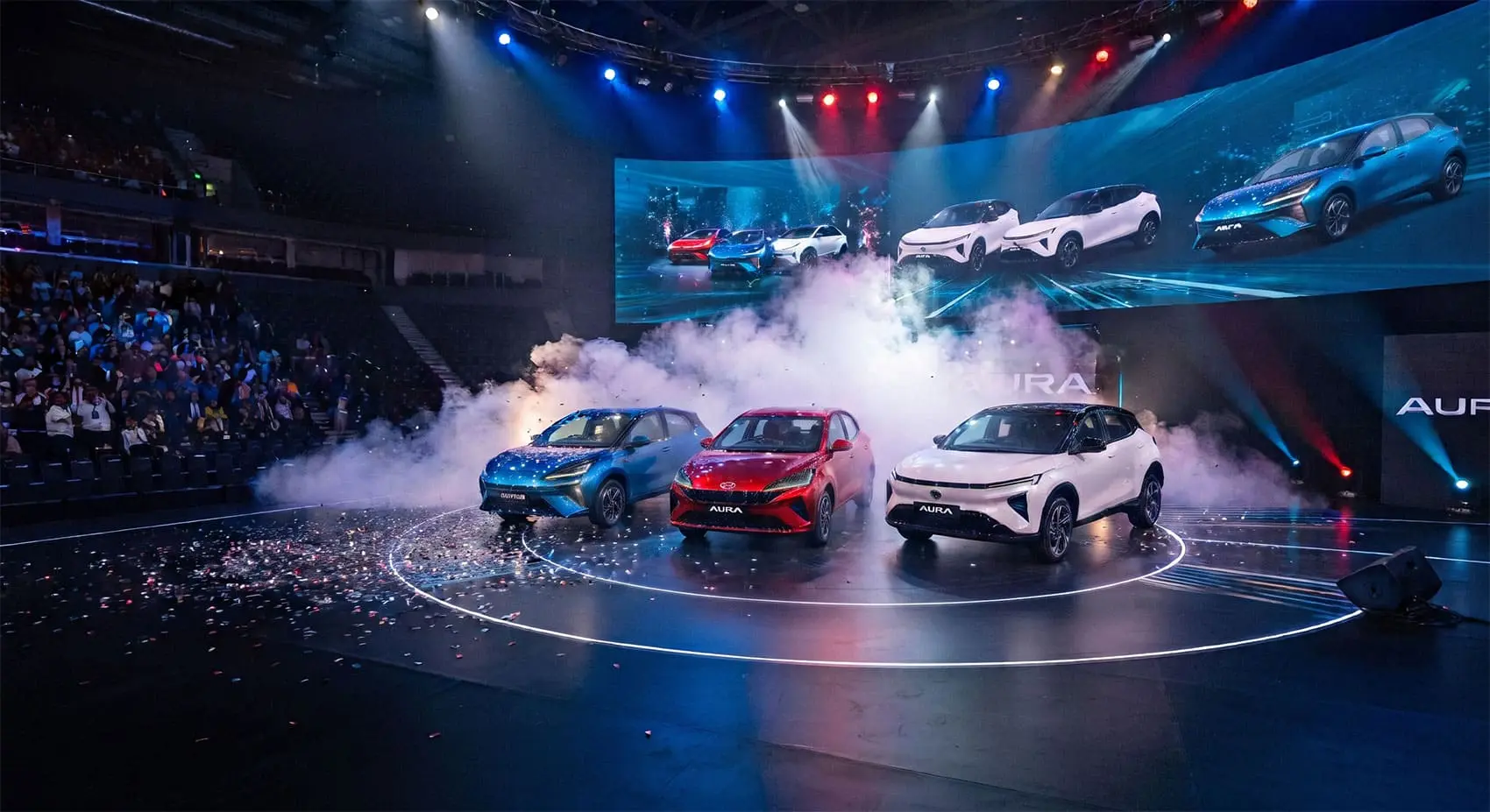
One of the most powerful and unexpected catalysts driving down car prices across the entire automotive industry is the ongoing, fierce price war within the electric vehicle (EV) sector. For several consecutive years, electric vehicles carried prohibitively massive price tags that kept them completely out of reach for the everyday, budget-conscious car buyer. However, intense market competition among dominant manufacturers, paired with rapid leaps in battery technology advancements, has completely flipped the script.
The Ripple Effect on Gas-Powered Vehicles: When major EV makers started aggressively slashing prices and rolling out enticing cash-back incentives to capture market share, legacy automakers manufacturing traditional internal combustion engine (ICE) vehicles had no choice but to respond. You simply cannot sell a standard gasoline sedan, coupe, or crossover at a heavily inflated markup when prospective buyers look across the showroom floor and see brand-new electric alternatives dropping thousands of dollars in sticker price. This fierce cross-category competition has created a powerful domino effect, forcing dealerships and manufacturers alike to discount traditional gas-powered cars and hybrids just to stay competitive on the crowded showroom floor.
Battery Technology and Production Efficiency: Behind the scenes, manufacturing efficiency has skyrocketed to record levels. Global supply chains for lithium, cobalt, nickel, and other essential battery components have stabilized significantly compared to the chaotic bottlenecks of the early 2020s. Furthermore, automotive engineers have discovered cleaner, cheaper, and more scalable ways to manufacture high-density battery packs without sacrificing crucial vehicle driving range or towing performance. These significantly lower production costs are finally being passed down directly to the consumer, successfully pulling down overall price ceilings across both new EV lineups and mainstream fuel-efficient cars.
Consumer Adoption and Inventory Buildup: While consumer adoption rates for electric vehicles continue to climb steadily year-over-year, early market projections by legacy automakers were overly aggressive. This miscalculation led to an unexpected buildup of unsold electric inventory sitting at regional distribution centers and dealership holding lots. To clear vital space for upcoming model years, manufacturers and regional dealers are rolling out massive lease deals, low-APR financing programs, and attractive federal or local rebate packages. This means buyers who are finally willing to make the switch to electric can secure incredible discounts that were completely unheard of just twelve to twenty-four months ago, accelerating price normalization industry-wide.
Strategic Advice: Best Ways to Buy a Car in Today's Market
Navigating a correcting market requires a completely different psychological and tactical mindset compared to buying during the peak of the shortage years. Because vehicle inventory is plentiful, dealership lots are crowded, and sales managers are eager to move metal, the modern consumer finally holds the true negotiating power. Here is how you can use this market shift to your maximum financial advantage.
Leverage the Inventory Glut During Negotiations: Gone are the long-gone days when local dealerships could dictate rigid, non-negotiable prices and simply walk away from lowball offers. Today, every single car sitting idle on a dealership lot costs the dealer significant money in floor-plan financing interest. Use this financial pressure to your distinct advantage. Never accept the first sticker price you are given. Do not hesitate to shop around between multiple regional dealerships, pit their competing price quotes against each other, and ask aggressively for transparent out-the-door pricing. If a salesperson senses that you are fully willing and ready to walk away to a competing lot down the street, you will be genuinely amazed at how quickly hidden markups, mandatory dealer prep fees, and unwanted add-ons suddenly vanish from your final quote.
Spotting and Eliminating Hidden Dealer Fees: Even when base car prices drop across the industry, dealerships often attempt to claw back their profit margins through inflated documentation fees, administrative charges, and expensive, unnecessary add-ons like VIN etching, nitrogen tire fills, or overpriced fabric protection packages. Always carefully review every single line item on the buyer's order before signing any financing paperwork. Politely, but firmly, decline any extra add-on services or aftermarket products that you did not explicitly request. Remaining firm on these auxiliary costs ensures your savings from the initial price drop actually stay in your pocket.
Evaluating Trade-In Timing vs. Private Sale Values: If you plan on trading in an old vehicle as part of your purchase, remember that overall used car values have dropped significantly from their historic highs. A dealership will almost certainly offer you wholesale value on your trade-in to maximize their own resale margin. Before accepting their trade offer, check private party values online to see if selling your car independently will net you significantly more cash. Sometimes, taking the extra time to sell privately offsets any potential tax credits you might receive from a trade-in, leaving you with a much stronger cash down payment for your new vehicle purchase.
Conclusion
As we look across the modern automotive landscape, it is clear that the industry is experiencing a profound and long-awaited correction. For years, car buyers faced a grueling gauntlet of supply chain bottlenecks, empty dealership lots, and soaring inflation that forced vehicle prices to dizzying heights. Walking onto a dealership floor often felt like an exercise in frustration, with buyers forced to accept steep markups, sparse inventories, and unfavorable loan terms just to secure basic, necessary transportation. Those turbulent years turned vehicles into overvalued commodities rather than practical investments.
Fortunately, the tide has turned dramatically in 2026. The convergence of stabilizing production pipelines, mounting dealership inventory surpluses, shifting macroeconomic interest rates, and fierce competition from the rapidly expanding electric vehicle sector has fundamentally reshaped the market. This structural shift has successfully dismantled the pandemic-era pricing bubble. Dealership lots are once again overflowing with unsold inventory, forcing legacy automakers and independent sellers alike to slash sticker prices, roll out aggressive cash-back incentives, and reintroduce genuine discounting. For the first time in years, the balance of power has shifted decisively back where it belongs: directly into the hands of the everyday consumer.
Navigating this new, correcting market effectively requires patience, discipline, and a strategic mindset. Because inventory levels are high and dealers are eager to maintain healthy cash flow, buyers no longer need to settle for inflated prices or accept mandatory administrative add-ons. By shopping around, pitting competing local dealerships against one another, and carefully reviewing every line item on a buyer's order, you can unlock incredible savings. Furthermore, whether you are exploring the rapidly evolving EV market with its rich incentives or purchasing a reliable used vehicle whose depreciation curve has finally normalized, the financial environment is vastly more accommodating than it was just twelve to twenty-four months ago.
Ultimately, your next vehicle purchase does not have to be an overwhelming financial burden. The current market conditions are designed to reward the smart, prepared buyer. By doing your homework, leveraging the existing inventory surplus, and refusing to pay unnecessary dealer fees, you can drive off the lot with absolute confidence and peace of mind. The era of inflated car prices is officially coming to a close, and a new, buyer-friendly automotive landscape is here to stay.


Written by Maarukh Shahbaz
Published Jul 27, 2026 in Auto News.