The automotive industry is experiencing one of the most profound transformations in its history, comparable only to the shift brought about by mass production over a century ago. As the world steadily moves away from internal combustion engines toward electric mobility, a new challenge has emerged at the center of this transition: transparency. In an era where nearly every manufacturer markets their vehicles as “green” or “sustainable,” a critical question remains—how can we independently verify the true environmental impact of an electric vehicle? The answer is beginning to take shape in the form of a powerful new digital framework known as the Battery Passport.
A Battery Passport is essentially a digital twin of an EV battery, designed to store and track its entire lifecycle. It functions as a continuously updated digital record that follows the battery from the moment raw materials such as lithium, nickel, and cobalt are extracted from the earth, through manufacturing and vehicle integration, and finally to reuse, repurposing, or recycling at the end of its life. Rather than relying on fragmented reporting or manufacturer claims, this system creates a unified and traceable source of truth for every battery produced.
This concept is no longer theoretical. Under the European Union Battery Regulation (EU 2023/1542), the Battery Passport will become a mandatory requirement beginning in 2027 for EV and industrial batteries sold in the EU. While this regulation is regional in scope, its influence is expected to extend far beyond Europe, effectively setting a global benchmark that will shape supply chain practices in the United States, Asia, and other major automotive markets.
For years, the environmental credibility of electric vehicles has been debated, particularly due to concerns about carbon-intensive mining practices, ethical sourcing of raw materials, and the complexity of global supply chains. The Battery Passport directly addresses these concerns by offering verifiable data instead of assumptions. By scanning a QR code or accessing a unique digital identifier, stakeholders—including regulators, manufacturers, and even used-car buyers—can view detailed information such as carbon footprint, material composition, percentage of recycled content, and real-time battery health status.
As the 2027 implementation approaches, the Battery Passport is becoming more than just a regulatory tool; it represents a fundamental shift in how sustainability is measured in the automotive sector. It transforms trust-based claims into data-driven verification and lays the foundation for a circular battery economy where transparency is not optional but built into the system itself.
The EU Battery Regulation 2023/1542: The Legal Backbone
To understand the Battery Passport, it is essential to first examine the landmark legislation that established it. The EU Battery Regulation (EU 2023/1542) is not simply a regional environmental policy; it is a global market-shaping framework. Replacing the outdated 2006 Battery Directive, it positions batteries as a central component of the European Green Deal. At its core, the regulation reflects a fundamental principle: if Europe is to lead the transition to electric mobility, the environmental impact of the batteries powering that transition must be fully transparent and verifiable.
The regulation introduces a phased implementation timeline that the industry is actively preparing for. While certain reporting and due diligence requirements are already being rolled out, the Digital Battery Passport becomes a key mandatory requirement from 2027 onward for electric vehicle and industrial batteries above specified capacity thresholds (generally over 2 kWh) placed on the EU market. This system is expected to be accessible via a digital data carrier such as a QR code, enabling standardized access to battery information across the value chain.
The requirements extend well beyond basic technical specifications. Manufacturers will be required to provide a Carbon Footprint Declaration based on lifecycle assessment principles, covering raw material extraction, processing, manufacturing, and transportation. Over time, the regulation introduces carbon footprint performance classes and progressively stricter thresholds, designed to improve transparency and drive emissions reductions across the supply chain.
In addition, the regulation enforces strict Supply Chain Due Diligence obligations. Companies must demonstrate that critical raw materials such as cobalt, lithium, nickel, and natural graphite are sourced responsibly, with verified compliance regarding human rights and environmental standards. Together, these measures transform the Battery Passport into more than a technical requirement—it becomes a structured system of accountability that integrates environmental and ethical transparency into the global battery supply chain.
Anatomy of a Battery Passport: What’s Inside the QR Code?
The Battery Passport is far more than a simple identification tag; it is a sophisticated data management system that bridges the physical and digital worlds. When a technician, recycler, or vehicle owner scans the QR code or RFID tag associated with a battery, they are accessing a curated dataset that provides a granular look at the unit's entire history. This "anatomy" of the passport is designed to ensure that no part of the battery’s journey remains in the shadows.
The information contained within the passport is typically divided into several key categories:
-
Identification and General Specifications: This includes the basic "birth certificate" of the battery—manufacturer details, date of manufacture, facility location, and unique serial numbers. It also covers the technical hardware, such as the battery type (e.g., Lithium-ion), physical dimensions, and nominal capacity.
-
Chemical Composition and Material Sourcing: This is perhaps the most critical section for sustainability. It lists the exact materials used, including the specific weights of critical raw materials like lithium, cobalt, nickel, and manganese. More importantly, it must disclose the percentage of recycled content within these materials, which is a key requirement of the 2026 standards.
-
Performance and Durability Data: To ensure safety and longevity, the passport tracks the battery’s "State of Health" (SoH). This includes data on cycle life, expected lifespan under various conditions, and thermal management history. For the second-hand market, this data is invaluable as it provides an objective measure of the battery’s remaining value.
Beyond these technical specs, the passport includes a "Due Diligence" report. This section acts as a digital ledger for human rights and environmental compliance. It confirms that the cobalt in the battery wasn't mined using child labor and that the lithium extraction didn't deplete local water tables in sensitive ecosystems. By consolidating this data into a single, accessible format, the Battery Passport eliminates the need for expensive, manual audits and creates a standardized language for the global battery economy.
Anatomy of a Battery Passport: What’s Inside the QR Code?
The Battery Passport is far more than a simple identification label; it is a comprehensive digital information system that connects the physical battery to a continuously updated digital record. When a technician, recycler, manufacturer, or vehicle owner scans the QR code linked to a battery, they gain access to a structured dataset that reveals the unit’s full lifecycle history. This system is designed to bring transparency, traceability, and accountability to every stage of a battery’s existence.
The information within the Battery Passport is typically organized into several key categories.
Identification and General Specifications:
This section functions as the battery’s digital identity. It includes manufacturer details, production date, facility location, and unique identification numbers. It also covers technical specifications such as battery chemistry (for example, lithium-ion), physical dimensions, rated capacity, and configuration details.
Chemical Composition and Material Sourcing:
This is one of the most important components from a sustainability perspective. It outlines the materials used in the battery, including key elements such as lithium, cobalt, nickel, and manganese, along with their approximate quantities. It also provides information on the share of recycled materials, which becomes increasingly important under the EU Battery Regulation’s phased sustainability requirements.
Performance and Durability Data:
This section tracks the operational condition of the battery over time, including its State of Health (SoH), cycle life, degradation patterns, and thermal performance history. Such data is particularly valuable in the second-hand market, where it enables more accurate valuation of used electric vehicles based on real battery condition rather than estimated performance.
Beyond technical specifications, the Battery Passport also includes a due diligence and compliance section. This functions as a traceability and accountability framework, documenting efforts to assess and manage risks related to human rights and environmental impacts within the supply chain. It requires companies to implement verification systems for raw material sourcing, particularly for critical minerals such as cobalt, lithium, nickel, and natural graphite. While it does not provide absolute guarantees, it establishes a standardized mechanism for transparency and responsible sourcing across the global battery supply chain.
Sustainability Standards and the Circular Economy
The Battery Passport is a central mechanism driving the global transition toward a circular economy in the electric vehicle sector. In the traditional linear model, batteries are manufactured, used until performance degrades, and then discarded—often resulting in significant environmental impact due to improper disposal and resource loss. The new sustainability framework introduced under the EU Battery Regulation (2023/1542) aims to replace this model with a closed-loop system, where materials are continuously recovered, reused, and reintegrated into production cycles.
A key pillar of this system is the introduction of recycled content requirements for critical raw materials such as cobalt, nickel, lithium, and copper. These requirements are being phased in over time and will progressively increase through the late 2020s and early 2030s. The Battery Passport plays a crucial role in enforcing these standards by providing traceable, verifiable data on material composition. For example, if a manufacturer claims that a battery contains a specific percentage of recycled cobalt, that claim must be supported by documented, auditable supply chain data recorded within the passport system. This significantly strengthens accountability and creates strong economic incentives for investing in advanced recycling infrastructure.
Another major impact of the Battery Passport is its role in enabling the second-life battery market. Electric vehicle batteries are typically considered suitable for repurposing when their capacity declines to approximately 70–80%, depending on chemistry and application. While such batteries may no longer be ideal for automotive use, they remain highly effective for stationary energy storage applications, such as residential backup systems or grid stabilization. Previously, limited access to reliable usage history made it difficult to assess the safety and performance of repurposed batteries. The Battery Passport resolves this issue by providing authenticated data on State of Health (SoH), cycle history, and operational conditions, significantly improving confidence in second-life applications.
Finally, the system introduces a level of standardization that has long been missing in the industry. By establishing unified metrics for carbon footprint, material sourcing, and lifecycle performance, the Battery Passport reduces fragmentation across manufacturers and markets. This enables a more transparent global ecosystem in which sustainability performance becomes directly comparable. Over time, this shift is expected to reshape market dynamics, rewarding manufacturers that achieve lower environmental impact and higher material circularity with stronger market positioning and competitive advantage.
Impact on Stakeholders: Manufacturers to Consumers
The introduction of the Battery Passport under the EU Battery Regulation (2023/1542) creates a wide-reaching transformation across the entire automotive ecosystem. For Original Equipment Manufacturers (OEMs) such as Tesla, BYD, and Volkswagen, the system represents far more than a compliance requirement—it acts as a catalyst for a complete restructuring of global supply chains. Manufacturers are increasingly required to digitize and trace their upstream operations, working more closely with mining companies, refiners, and component suppliers to ensure consistent and reliable data flow from raw material extraction to final vehicle assembly. This heightened level of supply chain transparency is reshaping supplier relationships and gradually eliminating actors unable to meet stringent reporting and traceability requirements.
For commercial fleet operators and logistics companies, the impact is equally significant. Managing large fleets of electric vehicles involves substantial financial exposure related to battery degradation and performance uncertainty. The Battery Passport addresses this challenge by providing standardized State of Health (SoH) data, usage history, and lifecycle information. This enables more accurate asset valuation, improved maintenance planning, and better forecasting of battery replacement cycles, effectively transforming the battery from an uncertain component into a quantifiable and manageable financial asset.
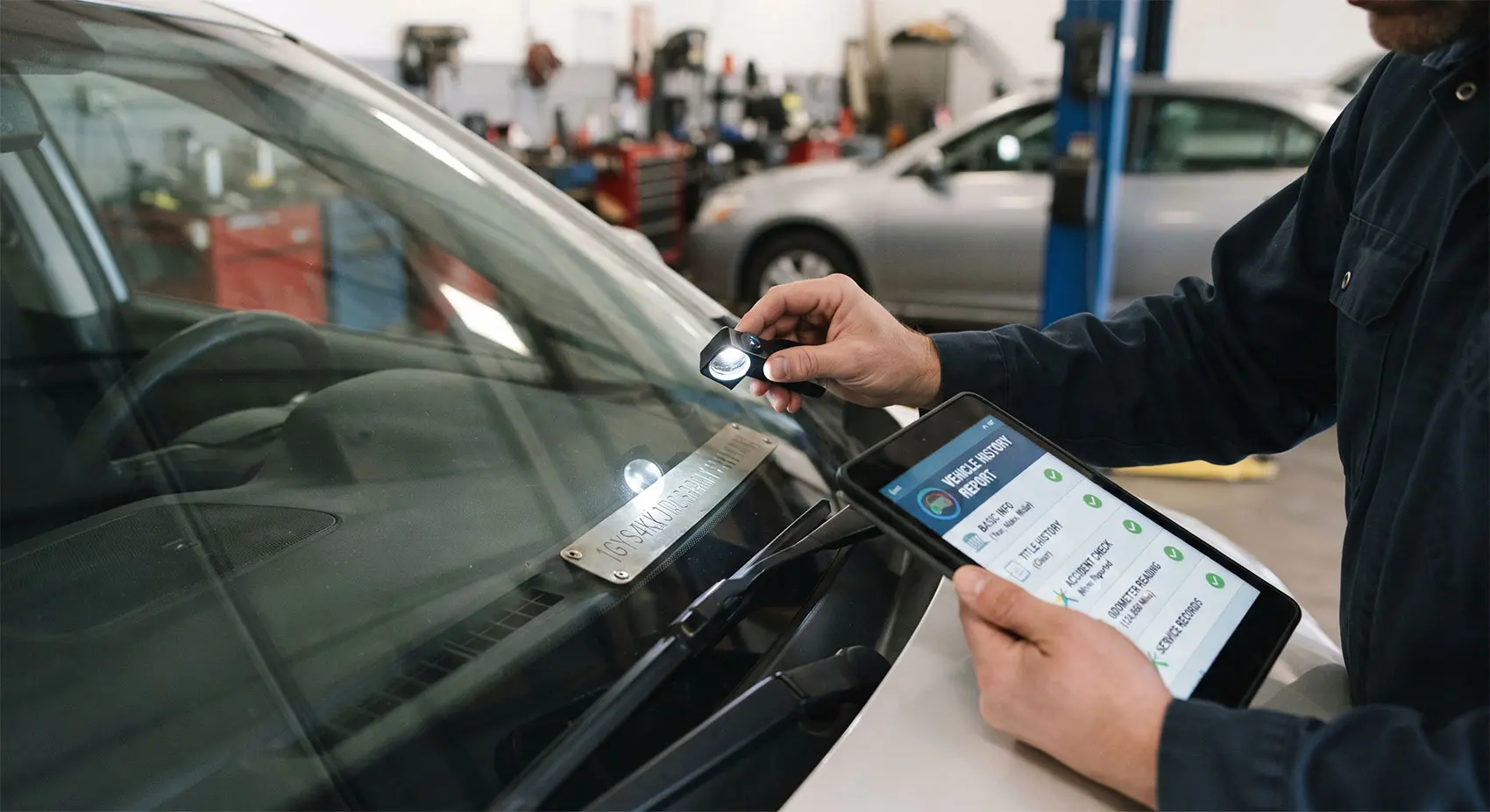
At the consumer level, the most visible change emerges in the used electric vehicle market. For buyers in 2027 and beyond, the Battery Passport functions as a comprehensive digital record of the vehicle’s battery condition, often compared to a more advanced version of traditional vehicle history reports. Concerns about “battery anxiety”—particularly the fear of hidden degradation due to previous charging habits or environmental exposure—are significantly reduced through access to verified data on charging cycles, temperature exposure, and capacity retention trends. While it does not eliminate risk entirely, this transparency is expected to improve confidence in the used EV market and contribute to more stable resale values.
Finally, for investors and ESG (Environmental, Social, and Governance) analysts, the Battery Passport introduces a standardized and verifiable data source for evaluating sustainability performance. Instead of relying on marketing claims, stakeholders gain access to structured environmental and supply chain data that can be independently assessed. This shift effectively integrates sustainability into financial decision-making, influencing corporate valuations, investment flows, and access to green financing. Over time, it elevates environmental performance from a branding exercise to a measurable economic factor within the automotive industry.
Future Outlook: Beyond 2026
While the 2026 mandate is the immediate hurdle, the evolution of the Battery Passport won't stop at simple data reporting. As we look toward the end of the decade, the integration of Blockchain and Distributed Ledger Technology (DLT) is expected to become the industry standard. Currently, data is often stored in centralized databases managed by manufacturers or third-party providers. However, to ensure total trust—especially in cross-border transactions between Europe, Asia, and the Americas—a decentralized, tamper-proof system is essential. Blockchain ensures that once a carbon emission figure or a sourcing detail is logged, it cannot be retroactively "greenwashed" or altered, providing regulators with an immutable audit trail.
We are also likely to see the expansion of the passport concept beyond just the battery. The "Digital Product Passport" (DPP) framework is designed to be scalable. By 2030, we may see the entire vehicle mapped in this way, from the recycled steel in the chassis to the sustainably sourced textiles in the interior. The battery is simply the pioneer because it is the most carbon-intensive and critical component of the energy transition. As these passports become more sophisticated, they will integrate real-time IoT (Internet of Things) data, allowing the passport to update the battery's "State of Health" automatically as it drives, rather than relying on periodic manual checks.
Finally, the future will bring a "Global Harmonization" of standards. While the EU is currently leading the charge, the Global Battery Alliance (GBA) and other international bodies are working to ensure that a passport issued in Shanghai is recognized in Stuttgart and Detroit. This interoperability is crucial for the global used-car market and for international recycling firms. The 2026 standards are the first step in creating a global "Internet of Energy," where every watt-hour of storage is accounted for, ethically sourced, and optimized for a hundred-year lifecycle. This move beyond 2026 represents the final transition from a wasteful industrial past to a truly regenerative technological future.
Conclusion
The introduction of the Battery Passport in 2026 marks the end of the "black box" era for electric vehicle technology and the beginning of a transparent, data-driven future. By transforming a complex chemical component into a digital asset, the industry is providing the necessary infrastructure to support a truly circular economy. This initiative proves that sustainability and industrial growth are not mutually exclusive; rather, transparency is the catalyst that will allow the EV market to scale globally while maintaining high ethical and environmental standards.
As we have explored, the implications of this digital tool stretch far beyond simple compliance. It empowers consumers with real-world data on vehicle health, provides manufacturers with the visibility needed to optimize supply chains, and offers the planet a fighting chance by ensuring that critical minerals are kept within a closed-loop system of reuse and recycling. The Battery Passport is the ultimate bridge between the raw materials extracted from the earth and the clean energy future we are striving to build.
For the automotive industry, 2026 will be remembered as the year that "green" stopped being a marketing claim and became a verifiable fact. As global standards align and technology like blockchain further secures this data, the Battery Passport will likely serve as the blueprint for all complex manufactured goods. We are witnessing a revolution in accountability—one that ensures the road to net-zero is paved with integrity, traceability, and innovation.



Written by Kousar Shabbir
Published May 5, 2026 in Auto Tech.