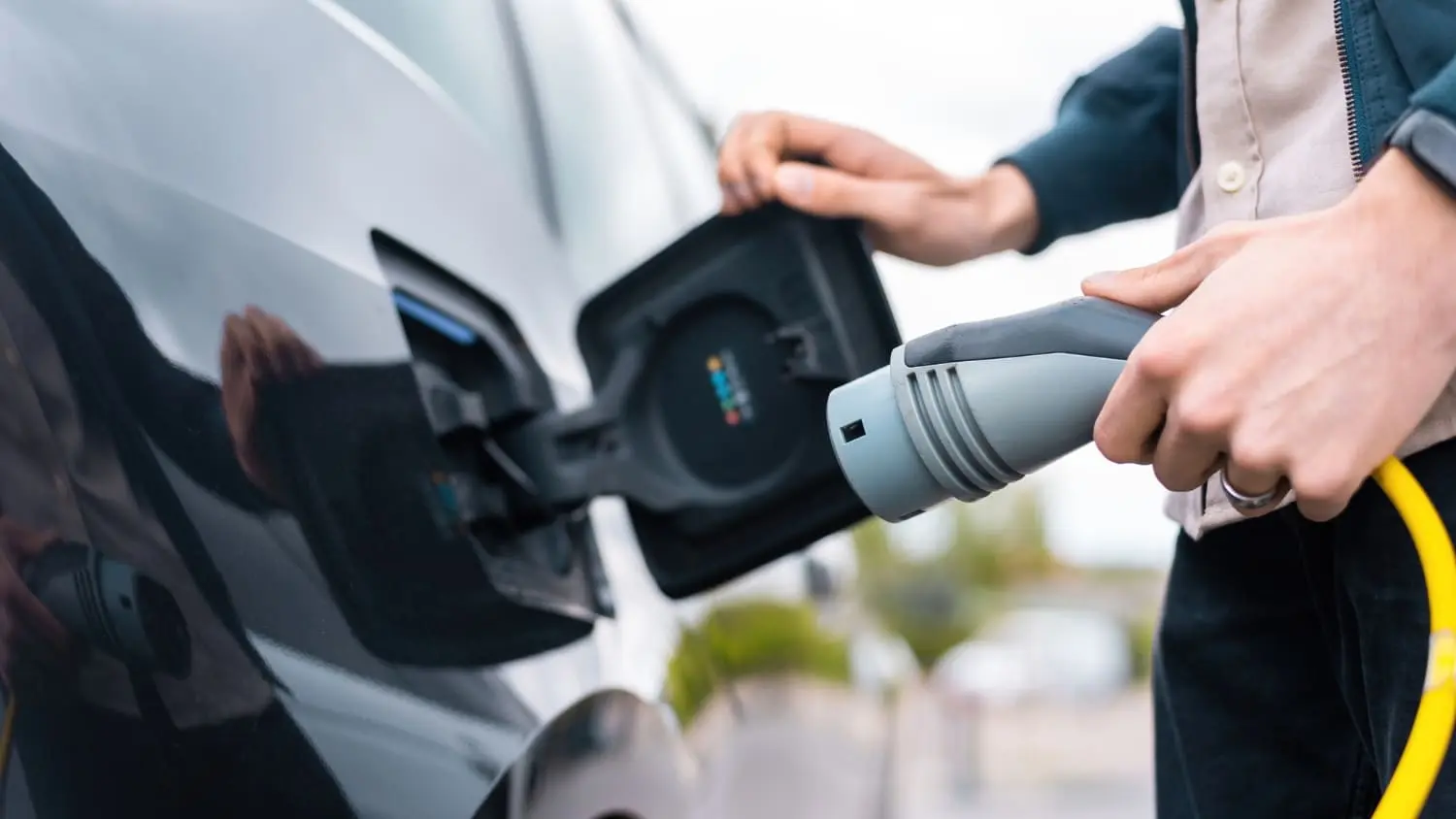
The modern garage is undergoing a quiet revolution. For over a century, the relationship between a vehicle and a home was strictly one-way: you parked in the driveway, plugged into the household grid, and drew power to replenish your battery for the morning commute. Today, advanced electric vehicle architecture is flipping that script entirely. With the rise of Vehicle-to-Grid (V2G) and Vehicle-to-Home (V2H) technologies, your car is no longer just a depreciating asset sitting idle for 95% of its lifespan; it is a massive, high-capacity mobile energy storage unit capable of powering your entire household during a blackout, reducing your monthly utility bills, and stabilizing the local power grid.
As energy demands surge and traditional power grids face unprecedented strain from extreme weather events and aging infrastructure, homeowners are looking beyond standard solar panels and lithium-ion wall batteries. Your electric vehicle packs a battery pack that is roughly five to ten times larger than a typical residential energy storage system. By leveraging bidirectional charging technology, that high-capacity mobile battery can seamlessly feed electricity back into your home electrical panel or the public utility grid. This comprehensive guide explores how V2G technology operates, the financial and practical benefits of turning your EV into a home backup generator, the current hardware and vehicle ecosystem supporting this shift, and how you can prepare your household for the future of decentralized energy independence.
How V2G and Bidirectional Charging Technology Work
To understand how an electric car can double as a residential power plant, it helps to look past the conventional charging cable. Traditional chargers are unidirectional; they pull alternating current (AC) electricity from the grid, convert it into direct current (DC) via the vehicle’s onboard inverter, and store it in the car's lithium-ion battery pack. Bidirectional charging flips this entire electrical pathway on its head. A V2G or V2H-compatible system features advanced inverter hardware capable of reversing the current flow. When your home loses power or when energy prices peak, the direct current stored in your EV battery can be safely converted back into alternating current and redirected straight into your home’s electrical service panel.
This bi-directional energy transfer relies heavily on smart communication protocols and sophisticated home energy management systems (HEMS). Hardware units like the Wallbox Quasar 2 or Ford Intelligent Backup Power don't just act as dumb conduits; they communicate in real-time with both your vehicle and your home’s smart meter. Through protocols like ISO 15118, the car and the charger negotiate power flow dynamically. If a storm knocks out the local substation, the bidirectional inverter instantly detects the voltage drop, isolates your home from the public grid via an automatic transfer switch (ATS), and begins pulling emergency power from your car within milliseconds. You keep your lights, refrigerator, internet router, and heating systems running smoothly without ever lifting a finger.
Major Benefits of Using Your EV for Home Backup and Grid Support
The transition from a passive electric vehicle owner to an active participant in home energy management unlocks a suite of powerful economic and practical advantages. First and foremost is the unmatched emergency backup capacity that comes with modern EV battery packs. While a traditional residential battery storage system, such as a Tesla Powerwall, typically offers between 10 to 15 kilowatt-hours of usable energy, a standard electric vehicle packs anywhere from 60 to over 130 kilowatt-hours. In the event of a severe winter storm, hurricane, or sudden grid failure, your car can comfortably power essential household appliances including refrigerators, lighting, heating or cooling systems, medical devices, and Wi-Fi routers for days rather than just a few hours.
Beyond emergency resilience, V2G and V2H technologies deliver significant ongoing financial savings through smart energy arbitrage and peak-shaving. Electricity rates often fluctuate dramatically throughout the day, spiking during peak evening hours when demand on the public grid reaches its highest point. With a bidirectional setup integrated with a smart home energy management system, you can program your home to draw electricity from your EV’s battery during these expensive peak hours rather than pulling power from the utility company. Conversely, you can automatically recharge your car during off-peak overnight hours when electricity is cheapest or replenish it using excess solar energy generated by your rooftop panels during the day. Over the course of a year, these micro-optimizations translate into substantial reductions in monthly utility bills.
Furthermore, at a macro level, widespread V2G adoption acts as a crucial stabilizer for public electrical grids. As cities transition toward intermittent renewable energy sources like wind and solar, grid operators face constant balancing acts between supply and demand. Aggregated fleets of electric vehicles plugged into bidirectional chargers can act as virtual power plants (VPPs). During periods of peak community demand, utility companies can draw minute fractions of power from thousands of idle connected vehicles to prevent rolling blackouts, rewarding vehicle owners with financial credits or reduced rates. This symbiotic relationship transforms your daily driver into a cornerstone of a cleaner, more resilient, and more decentralized energy future.
Current EV Models and Equipment Supporting V2G Technology
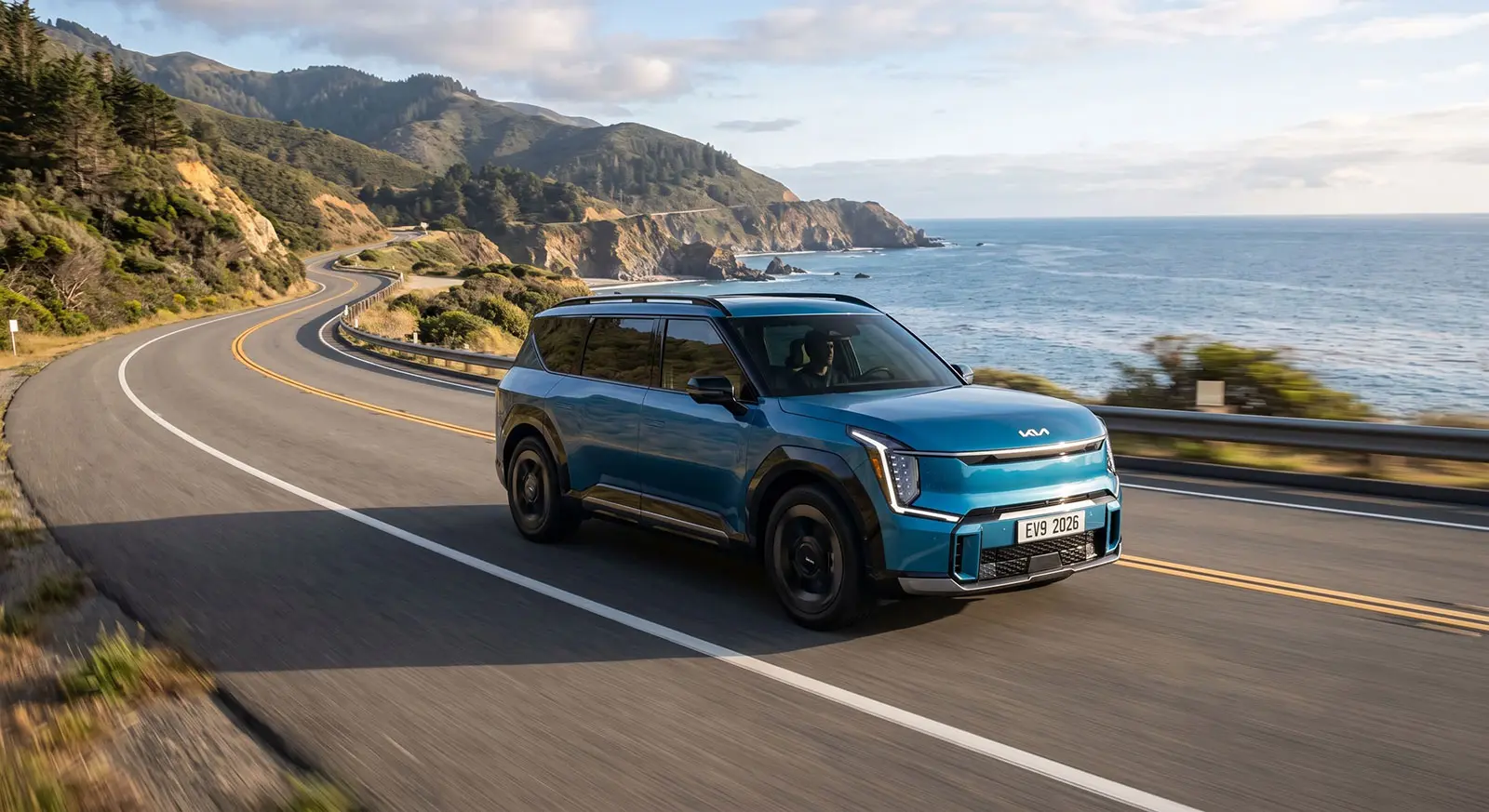
The hardware and vehicle ecosystem required to turn your car into a home generator has matured significantly, shifting from experimental pilot programs to commercially available consumer products. On the automotive front, several major manufacturers have equipped their flagship electric vehicles with robust bidirectional charging capabilities right out of the factory. Leading the charge is the Ford F-150 Lightning, which features Ford Intelligent Backup Power capable of delivering up to 9.6 kilowatts of electrical power directly to a home during an outage when paired with the proper home integration system. Similarly, Hyundai and Kia models built on the E-GMP platform—such as the Hyundai Ioniq 5, Ioniq 6, and the spacious Kia EV9—utilize Vehicle-to-Load (V2L) and advanced V2H configurations via adapters or dedicated inverters, letting owners run appliances, power tools, or even back up essential household circuits straight from the vehicle port. Other industry contenders, including the Chevrolet Silverado EV and upcoming Lucid and Rivian updates, are building heavy-duty bidirectional capabilities standard into their next-generation architectures.
However, having an EV with a large battery pack is only half the equation; your home must be properly equipped to receive and manage that energy. Because electric vehicles store and output direct current (DC) or require synchronized alternating current (AC) conversion, specialized hardware is mandatory. Dedicated bi-directional home chargers like the Wallbox Quasar 2 or manufacturer-specific ecosystems act as the critical bridge between your vehicle and your electrical service panel. Installing these systems typically requires professional electrical work, including the setup of a high-capacity bidirectional EV charger, an automatic transfer switch (ATS) to safely disconnect your home from the public grid during an emergency (preventing dangerous backfeeding to utility workers), and smart meter integrations. While the upfront investment for specialized hardware and professional installation can be substantial, often ranging between a few thousand dollars depending on your electrical panel's capacity, the long-term security, energy independence, and potential utility savings offer a compelling return on investment for forward-thinking homeowners.
Overcoming Installation Costs, Regulations, and Battery Health Concerns
While the prospect of turning your electric vehicle into a resilient home backup power plant is undeniably exciting, mainstream adoption requires a clear-eyed look at the hurdles standing in the way. Chief among them are the upfront financial outlays and electrical infrastructure requirements. Installing a true bidirectional charging system is not as simple as plugging into a standard wall outlet or even a conventional Level 2 home charger. It often demands a comprehensive evaluation of your home’s electrical service panel, the installation of an automatic transfer switch (ATS) to safely isolate your property from the municipal grid during blackouts, and specialized utility interconnect approvals. Depending on your home's existing wiring capacity and the specific hardware chosen, such as the Wallbox Quasar 2 or dedicated OEM ecosystem components, total installation and equipment costs can easily run into several thousand dollars. Homeowners must weigh these initial expenses against the long-term savings of peak-shaving and the invaluable peace of mind that comes with emergency storm resilience.
Another common concern raised by prospective V2G users revolves around battery degradation. Because lithium-ion batteries have a finite number of charge and discharge cycles, critics often worry that pulling power from an EV to run household appliances will accelerate battery wear and shorten the vehicle's lifespan. However, industry testing and real-world data from early V2G pilot programs have largely debunked these fears. When managed by intelligent home energy management software, the daily drawdown for home backup or peak-shaving represents only a tiny fraction of the battery's total capacity, often less than what the car consumes during a standard highway commute. Furthermore, advanced thermal management systems built into modern electric vehicles keep operating temperatures stable during bidirectional transfers, mitigating thermal stress. Most automotive manufacturers also factor bidirectional usage into their comprehensive battery warranties, ensuring owners retain peace of mind. As regulatory frameworks evolve to streamline net metering and interconnection policies across utility providers, the friction surrounding V2G adoption is rapidly disappearing, paving the way for seamless integration into modern smart homes.
Conclusion: The Future of Home Energy Independence
As we look toward the future of energy infrastructure, the intersection of electric vehicles and residential living represents one of the most exciting technological leaps of our decade. What was once viewed purely as a mode of personal transport is rapidly evolving into a vital, distributed node in our modern power grid. By transforming your EV into a mobile powerhouse, you are not merely securing a backup plan for the next severe storm or grid failure; you are actively participating in a cleaner, smarter energy ecosystem. The convergence of bidirectional charging hardware, intelligent home energy management systems, and falling installation friction means that vehicle-to-home and vehicle-to-grid capabilities are quickly shifting from early-adopter luxuries to mainstream necessities.
Ultimately, embracing V2G technology redefines our relationship with energy consumption and automotive ownership. Instead of letting an expensive asset sit dormant in the driveway for the majority of the day, homeowners can harness its massive battery capacity to slash utility bills through peak shaving, protect their households from unexpected blackouts, and support community-wide grid stability. While upfront hardware costs and utility interconnection protocols still require careful planning, the long-term economic returns and peace of mind are unprecedented. As automakers standardize bidirectional architectures and energy regulations catch up with innovation, your next car will do much more than just get you from point A to point B; it will keep the lights on when everything else goes dark.


Written by Maarukh Shahbaz
Published Aug 29, 2026 in Auto Tech.