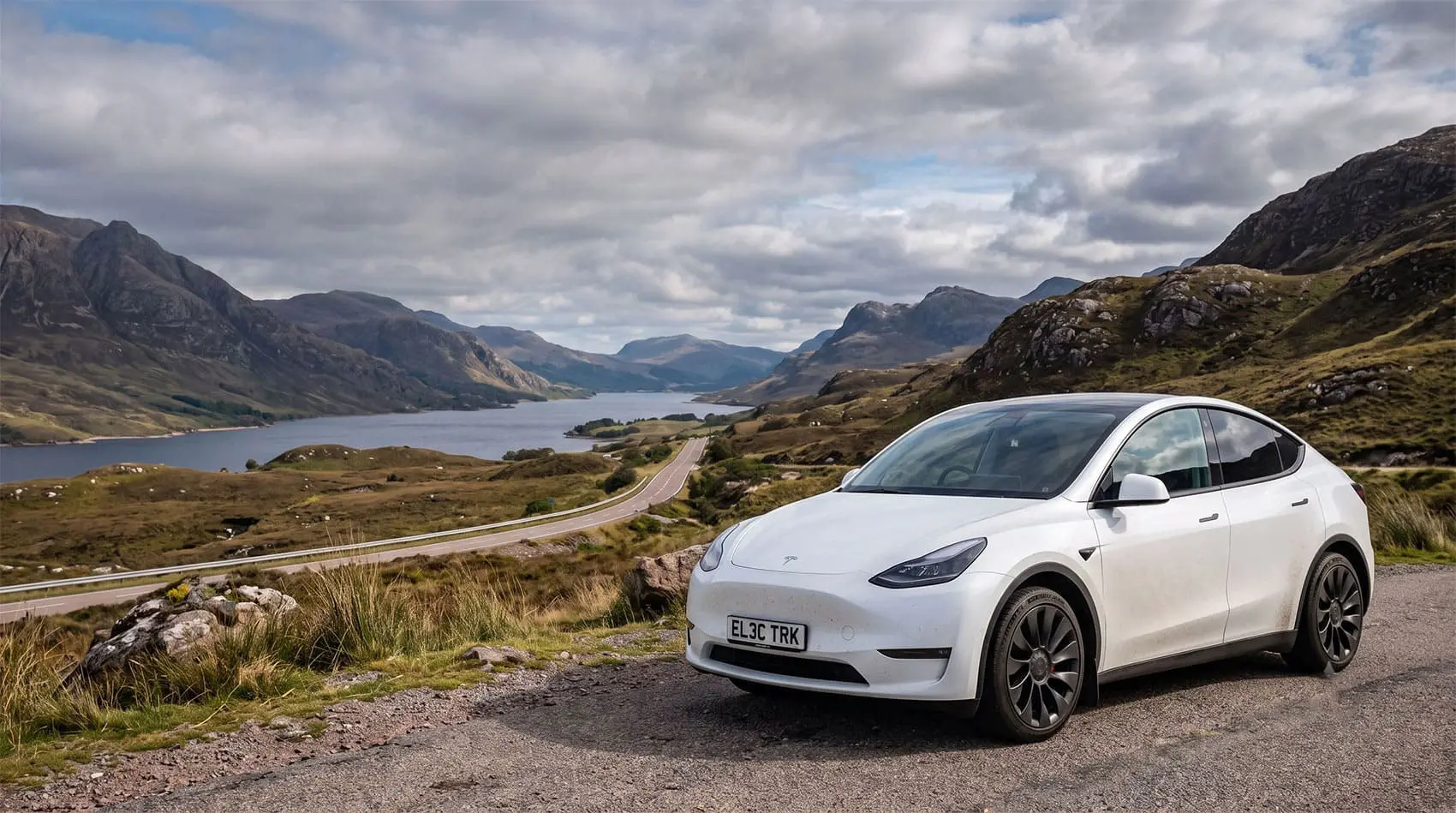
The decision to purchase a Tesla Model Y is rarely just about buying a car; it is about buying into a vision of the future. When I first took delivery of my Model Y, the excitement was palpable. There is a certain undeniable "Tesla magic": the seamless smartphone key integration, the punchy electric acceleration that leaves combustion engines in the dust, and that unmistakable minimalist interior that makes everything else on the road feel like a relic from the 90s. But three months in, the initial "honeymoon phase" often gives way to the gritty reality of daily ownership. Can a car that relies so heavily on software and minimalist design truly withstand the rigors of the real world?
Over the past 90 days, my Model Y has been my primary vehicle, transitioning from a weekend toy to a true daily driver. I have navigated scorching city heat, endured rush-hour traffic, and taken it on long-distance road trips where the Supercharger network is put to the ultimate test. I have experienced the joy of an Over-the-Air (OTA) update that seemingly improved my braking sensitivity overnight, and the frustration of dealing with a sensor that occasionally gets confused by heavy rain.
This review isn't designed to sell you on the brand or to bash the company. My goal is to provide the "truth," the unfiltered, long-term perspective that you won't find in a standard 20-minute test drive. We are going to look at everything from the actual, non-marketing-speak range you can expect on the highway to the quirks of the cabin that might drive you mad in the long run. If you are sitting on the fence, wondering if the Model Y lives up to the immense hype, you are in the right place. Let’s dive into what it’s actually like to live with one of the most talked-about vehicles of the decade.
The Honeymoon Phase: Delivery & Aesthetics
The day I took delivery of my Model Y, the experience was jarringly different from the traditional dealership slog. There was no haggling, no finance manager pushing extended warranties, and no frantic walkthrough of features I’d never use. It was clinical, fast, and digital. However, as the initial adrenaline subsided, the scrutiny began.
Let's address the elephant in the room: build quality. For years, the internet has been obsessed with "panel gap-gate." Upon delivery, I spent a good twenty minutes walking around the car with the eye of a jeweler. Did I find perfection? No. There were minor inconsistencies in the alignment of the rear tailgate and the frunk lid. To a purist, these might be deal-breakers; to a realist, they are standard Tesla fare. But here is the truth: after three months, these gaps haven't widened, they haven't caused wind noise, and frankly, I stopped noticing them after the first week.
Then there is the cabin. The "minimalist" aesthetic is either a stroke of genius or a cost-cutting measure, depending on who you ask. With absolutely no physical buttons, an instrument cluster behind the wheel, or traditional luxury knobs, the interior feels more like a lounge in a high-end tech startup than a car. The synthetic leather seats have held up remarkably well; they remain firm, comfortable, and critically easy to wipe down after a messy coffee spill. Yet, the lack of tactile feedback remains a learning curve. Adjusting the air vents via the touchscreen while driving is undeniably less intuitive than just twisting a plastic knob. It is a trade-off: you are trading traditional, tactile reliability for a sleek, futuristic interface that feels like it’s being constantly updated. Is it "luxurious" in the traditional sense of leather-wrapped dashboards and analog clocks? No. But it is clean, efficient, and, in its own way, incredibly premium.
Daily Driving: Performance & Range
Moving beyond the aesthetics, let’s talk about the actual experience of driving the Model Y every single day. This isn't a track car, yet it possesses a "Tesla smile" that instant, neck-snapping torque that electric motors are famous for. Even in the base model, merging onto a highway or darting into a gap in city traffic feels effortless. There is no waiting for a transmission to downshift or an engine to spool up; you press the pedal, and you go.
However, this performance comes with a caveat: the suspension. The Model Y is tuned on the stiffer side. On perfectly smooth pavement, this translates to confident, flat cornering. But hit a pothole, a speed bump, or a patch of rough road, and you will feel it. It’s not necessarily "uncomfortable," but it’s definitely firmer than most mid-size SUVs in its class. If your daily commute involves navigating deteriorating city streets, you might find yourself wishing for a bit more compliance in the suspension.
Then there is the range anxiety or, rather, the reality of it. When I first got the car, I was obsessed with the projected range on the screen. Over three months, I’ve learned that the "rated range" is an ideal, not a guarantee. Real-world range is heavily influenced by three factors: speed, climate control, and temperature. On a mild day at highway speeds (around 70 mph), you’ll see the range drop faster than the estimated figures. If you blast the air conditioning or the heater during extreme weather, you can expect another 10-15% dip. That said, after 90 days, the "anxiety" has largely disappeared. The car’s navigation system is brilliant at routing you through Superchargers, and the charging infrastructure is so reliable that I rarely even think about range anymore. I arrive home, plug it in, and start every morning with a "full tank." That convenience factor? It’s a complete game-changer that makes the occasional road trip charging stop feel like no big deal.
Tech & Software: The Co-pilot
If the hardware is the body of the Model Y, the software is undoubtedly its soul. This is where the Tesla ownership experience diverges most sharply from every other car on the market. In my three months of driving, I’ve seen the car evolve through multiple Over-the-Air (OTA) updates. It is a strange, futuristic sensation to park your car in the driveway on a Tuesday and wake up on Wednesday morning to find that the steering feel has been adjusted or the cabin climate control logic has been refined. It genuinely feels like the car is getting better, not worse, with age.
However, we must talk about the "co-pilot" Autopilot and the optional Full Self-Driving (FSD) capability. When it works, it is nothing short of sorcery. On long, monotonous stretches of highway, it handles steering, lane keeping, and traffic-aware cruise control with a level of precision that reduces driver fatigue significantly. It makes road trips feel like a different, more relaxed experience. But, and this is a major "but," it is not infallible.
Phantom braking remains the most prominent frustration in my daily commute. There are specific stretches of road where the car’s cameras seem to get "confused" by overhead signs or changing light patterns, causing it to brake unexpectedly. It is jarring, annoying, and, more importantly, requires you to be constantly vigilant. You aren't just "turning it on and letting it go"; you are supervising a high-tech intern. For those expecting a "set it and forget it" autonomous experience, the reality is more grounded. You are the pilot, and the car is the assistant. It’s powerful, it’s impressive, and it’s undeniably the future, but it requires an active, attentive human brain at all times.
Cost of Ownership: Is it Actually Cheaper?
One of the most persistent myths surrounding the Tesla Model Y is that it is a "cheap" car to own because you stop buying gas. While it is true that you will never visit a gas station again, the math of "cheaper" is more nuanced than a simple fuel-cost calculation. Over the last three months, I have found that while my monthly operating costs have undeniably dropped, there are "hidden" factors that every prospective owner needs to weigh carefully.
First, let’s talk about the fuel or electricity. If you are fortunate enough to have home charging, the cost savings are monumental. Charging at home during off-peak hours is, quite literally, a fraction of the cost of a full tank of premium gas. However, if you rely heavily on the Tesla Supercharger network, the gap narrows significantly. Supercharging is undeniably convenient, but it is also priced at a premium. If your daily routine forces you to rely on public charging, your "fuel" savings will be much lower than the glossy marketing brochures suggest.
Then there is the insurance factor. Tesla models often carry higher insurance premiums compared to traditional internal combustion vehicles in the same price bracket. This is due to a few factors: higher repair costs for specialized parts, longer wait times for bodywork, and the fact that Tesla’s own insurance products are still rolling out regionally. Additionally, you need to account for tires. Electric vehicles are heavy, and the instant torque of the Model Y is notorious for chewing through tires faster than a standard gas-powered SUV. After 90 days, I am already seeing slightly more wear on my rear tires than I would have expected on a comparable gas-powered vehicle.
Ultimately, is it cheaper? Yes, for most, the total cost of ownership will be lower over the lifespan of the vehicle. But it is not a "magic button" that eliminates automotive expenses. You are trading maintenance costs like oil changes and transmission service for higher insurance premiums, potential tire replacements, and electricity costs. It’s an evolution of ownership, not a total bypass of financial reality.
Conclusion: Who is the Model Y For?
After 90 days of daily driving, charging, and living with the Tesla Model Y, the "truth" is less about whether it is a "perfect car" and more about whether it is the right vehicle for your specific lifestyle. If you are looking for a car that offers traditional luxury, sumptuous leather, soft-touch plastics, and a quiet, isolated cabin, you might find the Model Y lacking. It is a technological product that prioritizes efficiency, software integration, and performance over the classic hallmarks of automotive opulence.
However, if you value a vehicle that feels dynamic, constantly evolving, and remarkably convenient for a daily commute, the Model Y is difficult to beat. It transforms the "chore" of driving and refueling into a seamless, digital-first experience. Yes, it has quirks. The suspension is firm, the "Tesla Vision" can be finicky, and you have to be prepared to adapt to a service model that is unconventional. But for many, these are minor trade-offs for the unparalleled ease of the Supercharger network, the joy of instant electric torque, and the "magic" of over-the-air updates that actually make your car better while you sleep.
Ultimately, the Model Y is for the early adopter, the tech enthusiast, and the commuter who wants to move beyond the internal combustion era without sacrificing utility or performance. It is not just an SUV; it is a platform that happens to have wheels. After three months, I have moved past the initial hype and the initial frustrations to arrive at a comfortable realization: this car isn't just about getting from A to B. It’s about how that journey changes when you stop worrying about maintenance, gas prices, and outdated tech. It is a compelling, if slightly flawed, glimpse into the future of transportation, and in my experience, that future is one worth living in.

Written by Maarukh Shahbaz
Published Jul 17, 2026 in Car Reviews.