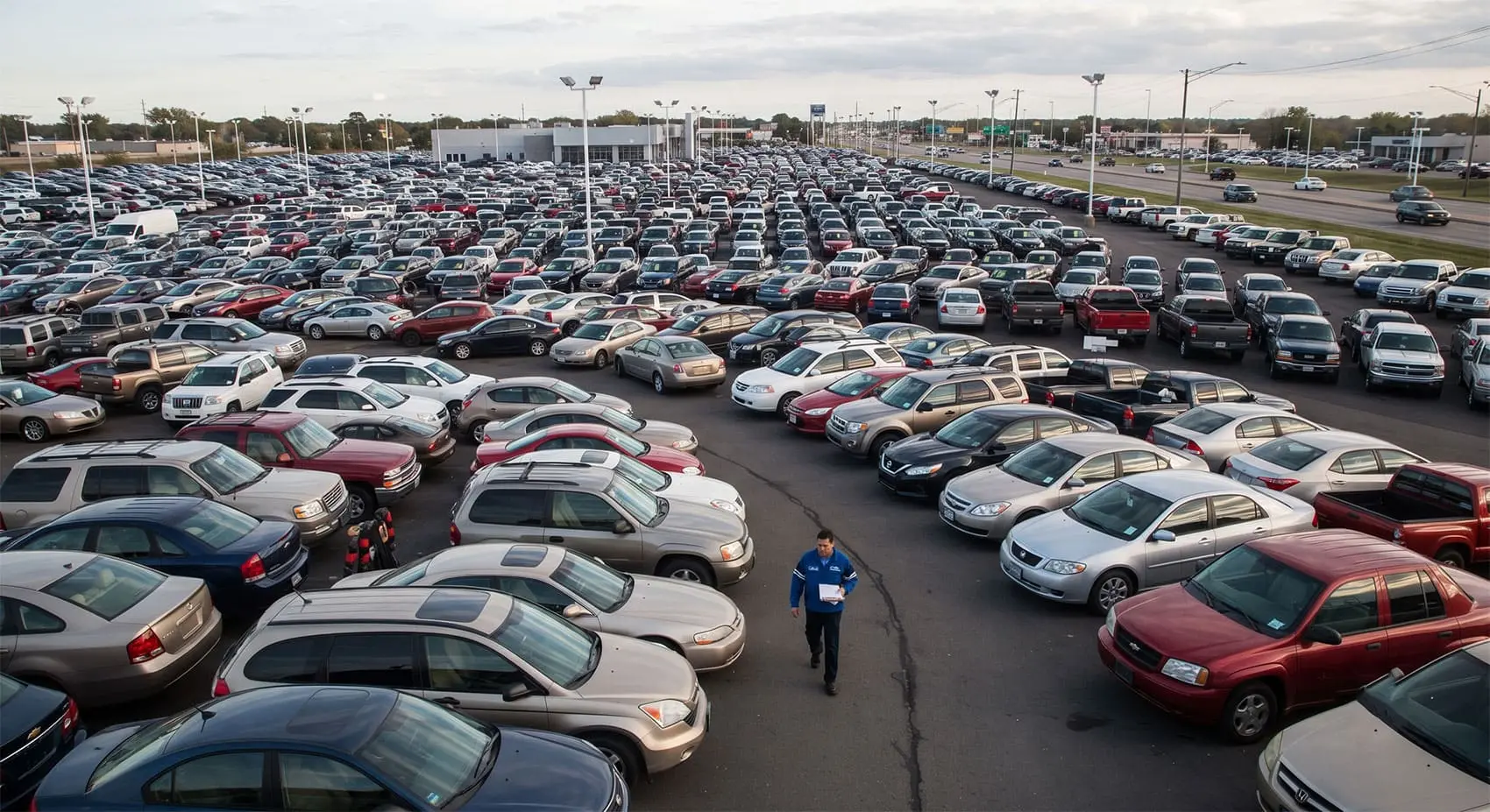
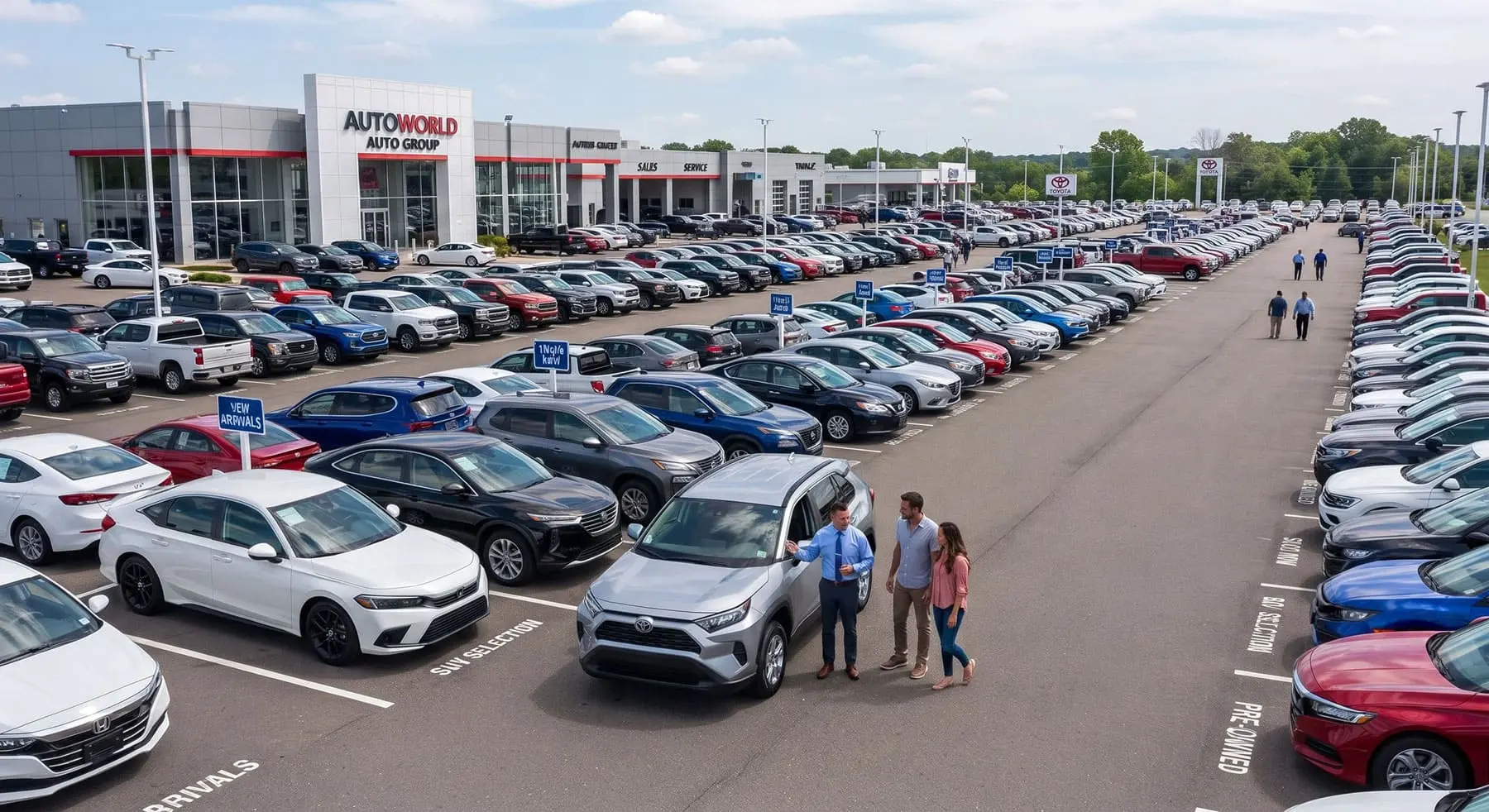
The automotive landscape has undergone one of the most dramatic paradigm shifts in recent economic history. For years following the pandemic disruptions, dealership lots stood hauntingly empty, echoing with silence and choked by supply chain bottlenecks that sent sticker prices skyrocketing to unprecedented heights. Consumers found themselves trapped in a grueling sellers' market, where finding a reliable pre-owned vehicle felt akin to finding a needle in a haystack—and paying exorbitant prices was simply the cost of entry. However, a sudden and powerful reversal has swept across the industry. Today, car lots are filling up at an astonishing rate, and industry watchers are scrambling to decode the forces driving this massive influx of pre-owned inventory.
This unexpected turnaround is not a temporary blip, but rather the culmination of several powerful macroeconomic pressures, massive supply chain corrections, and a tidal wave of maturing lease agreements crashing onto the market simultaneously. For prospective car buyers who spent the last few years sidelined by hyper-inflated prices, this surge represents a long-awaited glimmer of hope. Yet, beneath the surface of overflowing dealership lots lies a complex web of financial shifts, affordability bottlenecks, and changing consumer behaviors that are fundamentally reshaping the automotive ecosystem.
Unpacking the macroeconomic pressures, lease return tidal waves, and supply chain recoveries fueling the used car inventory surge reveals a market caught between abundance and affordability. As dealerships grapple with mounting inventory holding costs and buyers navigate a high-interest-rate environment, understanding the mechanics behind this market shift is crucial. Whether you are looking to purchase a reliable commuter car, trade in your current vehicle, or simply stay ahead of economic trends, this comprehensive look into the used car market will arm you with the insights needed to navigate the road ahead with confidence.
Post-Pandemic Supply Chain Normalization
To truly understand why dealership lots are currently overflowing with pre-owned vehicles, we must first look back at the unprecedented supply chain bottlenecks that defined the early 2020s. When global manufacturing ground to a halt and a severe shortage of semiconductor chips paralyzed assembly lines, new car production plummeted. With new vehicles scarce, frantic buyers turned to the pre-owned market in droves. This sudden surge in demand, coupled with dwindling supply, triggered a hyper-inflationary spiral where used cars routinely sold for close to—or even above—their original sticker prices. Dealership lots transformed into ghost towns, and fleet managers found themselves desperately scavenging for any trade-in they could get their hands on.
Fortunately, the manufacturing tide has finally turned. Semiconductor supply chains have fully stabilized, and automotive manufacturing plants are operating at high capacity once again. As assembly lines hum back to their standard rhythms, a steady, robust stream of brand-new vehicles is finally flooding dealership showrooms. This influx of new inventory has triggered a cascading effect down to the pre-owned market. Dealerships that once rationed every single vehicle on their lot now find themselves managing healthy, robust inventories. Furthermore, as new car supply catches up with pent-up demand, dealership incentives, manufacturer rebates, and aggressive floor-plan financing pressures are forcing lot managers to keep inventory moving.
To avoid the mounting financial burden of holding aging stock, dealerships are actively clearing out older pre-owned models, creating a high-volume environment that benefits savvy shoppers. This normalization of the supply chain marks the definitive end of the pandemic-era scarcity mindset. Dealerships are transitioning from a defensive hoarding strategy to an aggressive retail stance, directly contributing to the massive buildup of pre-owned cars available today. Recognizing this shift allows buyers to navigate the market with newfound leverage, stepping onto the lot not as desperate seekers, but as empowered consumers ready to take advantage of a fully revitalized automotive supply chain.
The Lease Return Tidal Wave
The current used car inventory surge cannot be fully understood without examining the massive ripple effects of lease maturities. During the height of the pandemic-era supply crunch in 2021 and 2022, dealership lots experienced an unprecedented drought. To cope with soaring demand and near-zero new car production, automotive manufacturers and captive finance companies heavily incentivized consumers to buy out their existing leases rather than returning them. At the same time, new vehicle leasing volume dropped significantly because automakers preferred selling vehicles outright or directing scarce semiconductor chips toward more profitable retail builds.
Fast forward three to four years, and those delayed lease originations are finally catching up to the market in the form of a massive, unstoppable tidal wave. Millions of vehicles that would have normally hit the pre-owned market between 2021 and 2023 were locked into extended terms or buyouts. Now, as modern three-to-four-year lease cycles reach their natural conclusions, a flood of high-quality, late-model pre-owned vehicles is rushing back onto franchise lots and auction houses simultaneously. These incoming fleets represent some of the most sought-after vehicle categories, providing an immediate injection of reliable inventory that dealerships have not seen in half a decade.
Moreover, the quality and condition profile of these incoming lease returns are remarkably strong. Because most leased vehicles require strict maintenance schedules and are typically returned well within their manufacturer warranty windows, buyers scouring the current used market are finding exceptionally well-maintained options. This influx has shifted the balance of power dramatically. Dealership auction lots are filling up faster than they can clear out, creating intense competition among sellers and driving a healthy normalization of vehicle pricing. For pre-owned car shoppers, this lease return tidal wave translates directly into a broader selection, lower price points, and a far cry from the slim pickings of previous years.
Macroeconomic Pressures and Affordability Bottlenecks
While dealership lots are undeniably overflowing with an abundance of pre-owned inventory, a fascinating economic paradox is currently playing out across the automotive market: abundance does not automatically translate to high retail sales volume. Even though shoppers are met with rows upon rows of available cars, trucks, and SUVs, the broader macroeconomic climate has introduced severe affordability bottlenecks that are keeping many potential buyers on the sidelines. Elevated interest rates, persistent inflation, and widespread monthly payment fatigue have dramatically shifted consumer purchasing power, creating a delicate balancing act between rising vehicle supply and constrained buyer demand.
Over the past few years, central bank rate hikes designed to combat inflation have trickled down into the auto loan sector, sending borrowing costs to levels not seen in over a decade. For the average consumer financing a pre-owned vehicle, these higher interest rates mean that monthly payments have skyrocketed, even when the actual sticker price of the car remains stable or experiences a slight downward correction. Consequently, many buyers are experiencing severe payment shock, forcing them to either delay their vehicle purchases, stretch their loan terms over longer periods, or downsize to older, more affordable models. This friction in consumer borrowing velocity has slowed down retail turnover at dealerships, allowing inventory levels to compound at a much faster pace than normal.
Furthermore, lingering inflation has stretched household budgets thin, forcing consumers to prioritize essential living expenses over discretionary purchases like a new ride. Dealerships are feeling the pinch of this slower velocity, leading to increased floor-plan financing costs as vehicles sit on their lots longer. To offset these holding costs, lot managers are being forced to reevaluate their pricing models and offer deeper discounts, lower APR promotions, or more flexible financing structures to attract cautious buyers. Understanding this tension between overflowing supply and economic headwinds is essential for anyone navigating the pre-owned market today, as it reveals that buyers hold significantly more negotiating power than they realize in a market where dealers are eager to keep cars moving.
Segment-Specific Gluts: Where Supply is Deepest
The current used car inventory surge is not distributed evenly across every make, model, and category. While overall dealership lots are swelling with vehicles, a closer examination of the market reveals distinct segment-specific gluts where inventory levels have skyrocketed far beyond historical averages. Understanding these micro-trends is essential for buyers and sellers alike, as vehicle depreciation curves, consumer demand shifts, and manufacturing recoveries have created stark differences in where the deepest supply can be found on dealership lots today.
At one end of the spectrum, traditional compact sedans and mainstream fuel-efficient cars are experiencing a massive accumulation of inventory. For years, consumer preference heavily leaned toward crossovers and large SUVs, leading automakers to scale back sedan production. However, with the recent return of budget-conscious buyers seeking affordable, high-mpg commuter vehicles amid high fuel costs and inflation, compact sedans from lease returns are hitting lots in waves. Conversely, full-sized SUVs and trucks—which enjoyed sky-high premiums during the pandemic—are seeing slower retail velocity due to high financing costs. Dealership lots are finding that premium and full-sized utility vehicles are lingering longer, forcing dealers to offer deeper discounts to clear out aging stock.
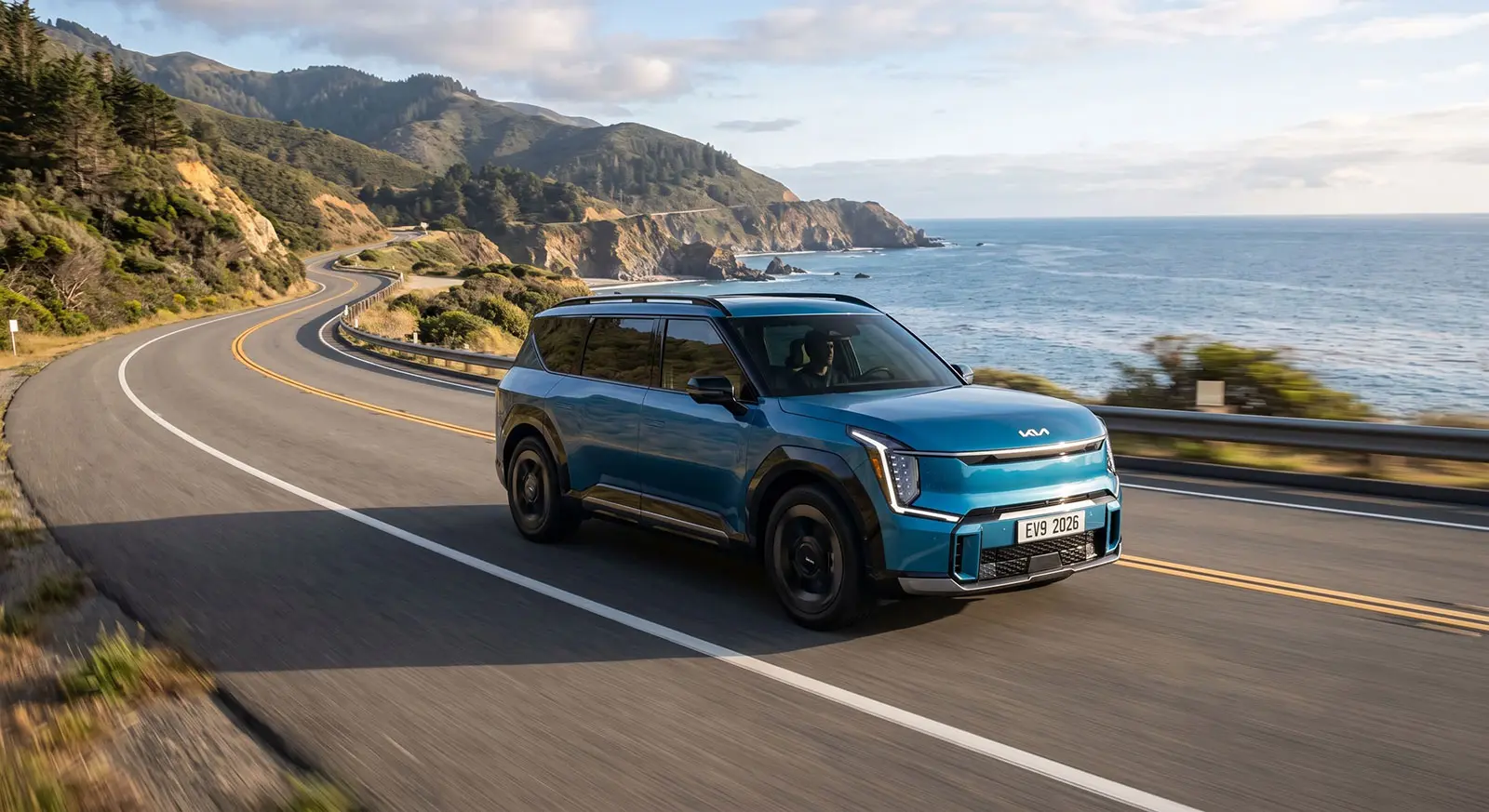
Meanwhile, the electric vehicle (EV) sector is undergoing a historic inventory shift defined by an aggressive depreciation curve. Early adopters and fleets traded in waves of pre-owned EVs just as consumer demand plateaued and new EV prices dropped due to manufacturer price wars and federal tax credit adjustments. As a result, used EV inventory has surged dramatically, with pre-owned electric models experiencing some of the steepest price corrections in the automotive market. For shoppers willing to look past traditional gas-powered options, used EVs represent some of the best value bargains available today. By identifying where these specific inventory gluts are concentrated, savvy buyers can pinpoint exact market sweet spots and secure exceptional deals that align with their driving needs and financial goals.
Strategic Playbook and Conclusion
As the automotive market navigates this unprecedented pre-owned inventory surge, both buyers and sellers must adopt fresh strategies to thrive. For car shoppers who have spent years waiting on the sidelines, the current market represents a rare window of opportunity. Armed with the knowledge that dealership lots are overflowing and holding costs are mounting, buyers can step onto the lot with immense negotiating power. Instead of accepting sticker prices, shoppers should leverage the abundance of choice to compare competing dealerships, demand lower financing rates, and push for aggressive discounts or dealer-added perks. Furthermore, keeping a close eye on segment-specific gluts such as compact sedans or depreciating EVs allows buyers to zero in on high-value options that maximize their purchasing power.
For private sellers and trade-in customers, however, navigating a flooded market requires a more defensive and strategic approach. Because dealership lots are already saturated with incoming lease returns and trade-ins, dealership trade-in offers may be lower than historical averages as lot managers protect their profit margins against depreciation. To counter this, private sellers should ensure their vehicles are presented in pristine condition, backed by detailed maintenance records, and priced competitively to stand out in a crowded sea of alternatives. Understanding that vehicle depreciation curves have normalized means setting realistic expectations for private market valuations rather than relying on pandemic-era price benchmarks.
In summary, the sudden surge in used car inventory is the natural outcome of a healing manufacturing supply chain, a massive tidal wave of returning lease vehicles, and an economic environment balancing high interest rates against consumer demand. While this surplus has created affordability bottlenecks and slower retail velocity, it ultimately marks a healthy return to a buyer-friendly automotive ecosystem. Looking toward the long-term horizon through the end of the decade, pre-owned market stabilization will depend heavily on broader macroeconomic shifts and interest rate adjustments. By staying informed and strategic, buyers and sellers can successfully navigate this evolving landscape and drive away with the best possible value.



Written by Maarukh Shahbaz
Published Jul 31, 2026 in Auto News.