
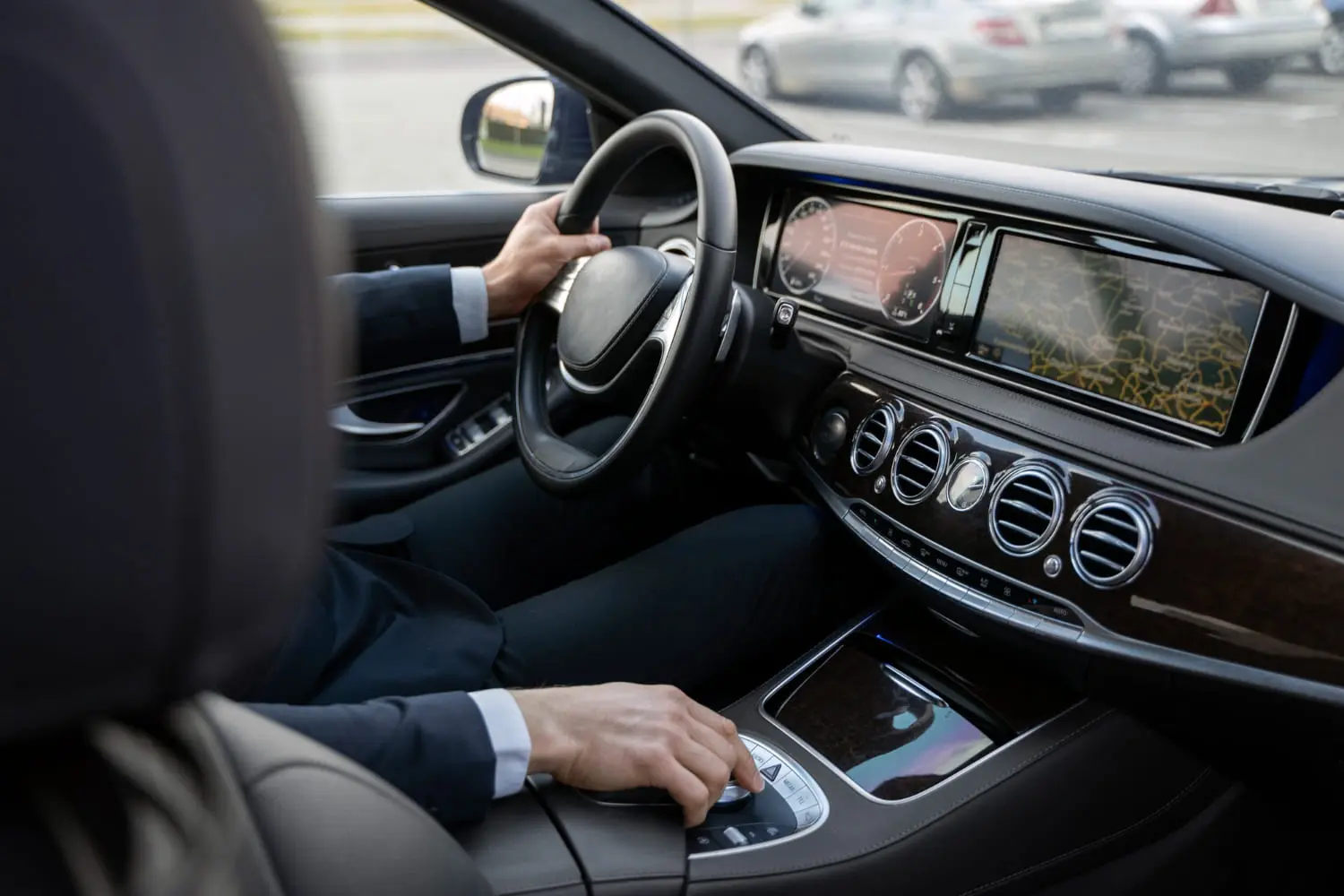
Luxury SUVs are expected to offer much more than leather seats, large screens, and powerful engines. One of the most important signs of real luxury is something you cannot see at all. It is silence. A quiet cabin can make a long highway journey feel relaxing instead of tiring. It allows passengers to talk without raising their voices, helps the sound system perform better, and creates a feeling of separation from busy roads. This is why cabin noise has become an important area of competition between luxury SUV makers. Brands such as Audi, Mercedes-Benz, BMW, Range Rover, Cadillac, and Rolls-Royce spend a great deal of time trying to keep tire noise, wind noise, engine sound, and vibration away from passengers. For buyers who spend many hours on highways, the difference between a normal cabin and an extremely quiet one can be more valuable than extra horsepower or another large display.
So which luxury SUV has the quietest cabin? To answer that question properly, we need to look beyond advertising claims. Published road tests give us useful measurements and observations from vehicles driven in real conditions. Edmunds, for example, tests cabin noise at 70 mph and reported that the Audi Q8 produced only 56.2 dB in its testing, making it the quietest SUV in its 2026 list. Mercedes-Benz, BMW, Range Rover, Rolls-Royce, and Cadillac also show impressive noise control in independent reviews. However, numbers from different publications cannot always be compared directly because road surfaces, tires, weather, microphones, and testing methods may differ. The best approach is therefore to study both measured sound levels and the way each SUV controls the different types of noise passengers experience every day.
How Road Noise Is Tested in a Luxury SUV
Measuring cabin noise sounds simple, but there is more to it than placing a sound meter inside a vehicle. Speed is one of the biggest factors. At low speeds, engine vibration and nearby traffic may be the main sounds entering the cabin. At highway speeds, wind and tire noise become much more important. Edmunds conducts its cabin noise test at 70 mph and places the microphone in a similar position in each vehicle. This helps make its results more useful when comparing different SUVs tested by the same publication. Sound is measured in decibels, usually written as dB. The decibel scale is not linear, so even a small numerical difference can represent a meaningful change in noise. This is why a vehicle that measures a few decibels lower than another can feel noticeably calmer during a long drive. The road surface also matters because rough concrete can create much more tire noise than smooth asphalt.
There are also several kinds of sound that must be considered. Tire noise enters through the floor and wheel areas. Wind noise can appear around mirrors, doors, windows, and roof rails. Gas-powered SUVs also have engine and exhaust sounds, especially during acceleration. Electric SUVs remove most engine noise, but this does not automatically make them silent because tire and wind sounds become easier to notice when an engine is absent. Engineers fight these problems with thick glass, door seals, insulation, aerodynamic body shapes, special tires, active noise control, and carefully designed suspension parts. A good luxury SUV does not simply reduce the total sound level. It also removes unpleasant frequencies and vibrations. This creates the smooth and calm feeling that buyers expect from an expensive vehicle. The result is a cabin where conversations remain easy, and music can be enjoyed without turning the volume unusually high.
The Quietest Luxury SUVs Compared
The Audi Q8 deserves serious attention because it produced one of the strongest results in a directly comparable test. Edmunds measured the Audi Q8 at 56.2 dB while travelling at 70 mph and called it the quietest SUV in its 2026 roundup. That is an impressive result for a large vehicle with wide tires and a tall body. The Mercedes-Benz GLS was another strong performer in the same testing, recording 59.4 dB. The Mercedes-Benz EQS SUV measured 60.7 dB in the version tested by Edmunds. These figures help show that traditional gas-powered luxury SUVs can still compete with electric vehicles when manufacturers invest heavily in sound insulation. The Q8 also proves that a buyer does not need to move into the extremely expensive Rolls-Royce category to experience excellent cabin isolation. Audi combines good aerodynamics, effective seals, quality materials, and strong sound control to produce a very peaceful highway environment.
Other luxury SUVs perform extremely well in separate testing. Autocar recorded 61 dB at 70 mph for the Range Rover D350 HSE and praised the vehicle for its isolation. The publication also reported 61 dB at 70 mph for the Rolls-Royce Cullinan in its testing and described isolation as one of the vehicle's greatest strengths. The BMW X7 M60i was measured at 65 dB at 70 mph by Autocar, while its quietness remained impressive for a large SUV with a powerful engine. Cadillac also deserves attention. Car and Driver measured a 2026 Cadillac Escalade IQL at 69 dB during 70 mph cruising and described its cabin as extremely quiet during a long road trip. These numbers should not be placed into one strict ranking because they come from different test procedures. Still, they show how seriously luxury brands now treat cabin refinement and how many strong choices buyers have.
What Makes These Luxury SUV Cabins So Quiet
Good sound insulation begins with the physical structure of the vehicle. Luxury manufacturers place sound-absorbing material inside doors, under carpets, around wheel wells, behind the dashboard, and in other areas where noise can enter. Laminated acoustic glass can reduce wind and traffic sound before it reaches passengers. Thick door seals also help block air movement around the edges of the doors. Tires are another major factor. Large wheels may look attractive, but they can sometimes increase road noise because there is less tire sidewall to absorb vibration. This is why wheel and tire choice can affect cabin comfort even when two versions of the same SUV share the same basic body. Suspension design also matters. When a suspension absorbs bumps smoothly, fewer vibrations are transferred into the seats, floor, and steering wheel. This can make a cabin feel quieter even when a sound meter shows only a small difference.
Some luxury SUVs go further by using active technology. Active noise control works in a similar way to noise-cancelling headphones. Microphones detect unwanted sound inside the vehicle, and the audio system creates opposing sound waves that reduce certain frequencies. Range Rover has used active noise control as part of its effort to isolate passengers, while several other premium brands use related systems. Electric vehicles have another advantage because electric motors create less engine noise during normal driving. However, removing engine sound creates a new challenge. Without an engine covering other noises, passengers may notice tire roar or wind around the mirrors more easily. That means an electric luxury SUV still needs excellent insulation and aerodynamic design. True cabin refinement comes from combining many small improvements rather than relying on one feature. The quietest SUVs control noise from the road, tires, body, drivetrain, wind, suspension, and even the movement of air around the vehicle.
Which SUV Wins the Quietest Cabin Award?
Based on directly comparable current testing, the Audi Q8 earns our Quietest Cabin Award. Its 56.2 dB result at 70 mph in Edmunds testing gives it a clear reason to take the top position. More importantly, the Q8 shows that excellent noise control does not require choosing the most expensive SUV on the market. Audi has created a cabin that remains peaceful at highway speed while still providing the performance, technology, space, and comfort expected from a flagship luxury SUV. The Mercedes-Benz GLS is another excellent choice and may suit buyers who want more passenger space. Its 59.4 dB result in the same Edmunds test places it among the strongest large luxury SUVs for cabin quietness. Buyers interested in an electric SUV can also consider the Mercedes-Benz EQS SUV, although being electric by itself does not guarantee the lowest overall highway sound level.
The result becomes more interesting when moving into the highest level of luxury. A Rolls-Royce Cullinan may not have a directly comparable Edmunds reading in this particular test, but other reviews show how seriously Rolls-Royce treats isolation. Autocar recorded 61 dB at 70 mph in its testing, while Car and Driver describes the 2026 Cullinan as having a smooth and quiet ride with extensive sound control. The Range Rover is another standout because it combines excellent cabin isolation with serious off-road ability. Consumer Reports notes that road and powertrain noise are very subdued, even though some wind noise can still be heard. Therefore, the Audi Q8 wins on the strongest comparable measurement used here, while Rolls-Royce and Range Rover remain exceptional choices for buyers who judge quietness as part of a wider luxury experience. The final choice depends on budget, passenger needs, driving conditions, and whether complete isolation or overall comfort matters most.
Conclusion
A quiet cabin may not attract attention in a showroom as quickly as a giant screen, premium leather, or a powerful engine, but it can have a much greater effect on everyday comfort. Road noise becomes especially important during long journeys, where constant tire and wind sound can make passengers feel tired. The best luxury SUVs reduce this problem with acoustic glass, thick insulation, careful aerodynamics, advanced suspension systems, quality tires, and active noise technology. Our comparison shows that several brands now provide impressive levels of cabin isolation. Audi, Mercedes-Benz, Range Rover, BMW, Cadillac, and Rolls-Royce all take different approaches, yet their goal is similar. They want the outside world to feel distant once the doors close. For buyers who value calm driving, cabin noise should therefore be considered just as carefully as engine power, seat comfort, cargo space, or infotainment features.
For the strongest measured result among the directly comparable SUVs reviewed here, the Audi Q8 takes the Quietest Cabin Award. Its 56.2 dB result at 70 mph in Edmunds testing makes it especially impressive. The Mercedes-Benz GLS follows as a strong option for buyers wanting a larger luxury SUV, while the Range Rover provides an excellent combination of quietness, comfort, and all-terrain ability. At the highest end of the market, the Rolls-Royce Cullinan remains a benchmark for the feeling of isolation and effortless luxury. No single sound measurement can explain the complete experience inside a vehicle, but the data makes one point very clear. Modern luxury is not only about what passengers can see and touch. Sometimes the most impressive feature is what they do not hear. A truly quiet SUV turns a busy highway into a calm private space, and that is a form of luxury that becomes more valuable with every mile.


Written by Maarukh Shahbaz
Published Oct 7, 2026 in Car Reviews.



