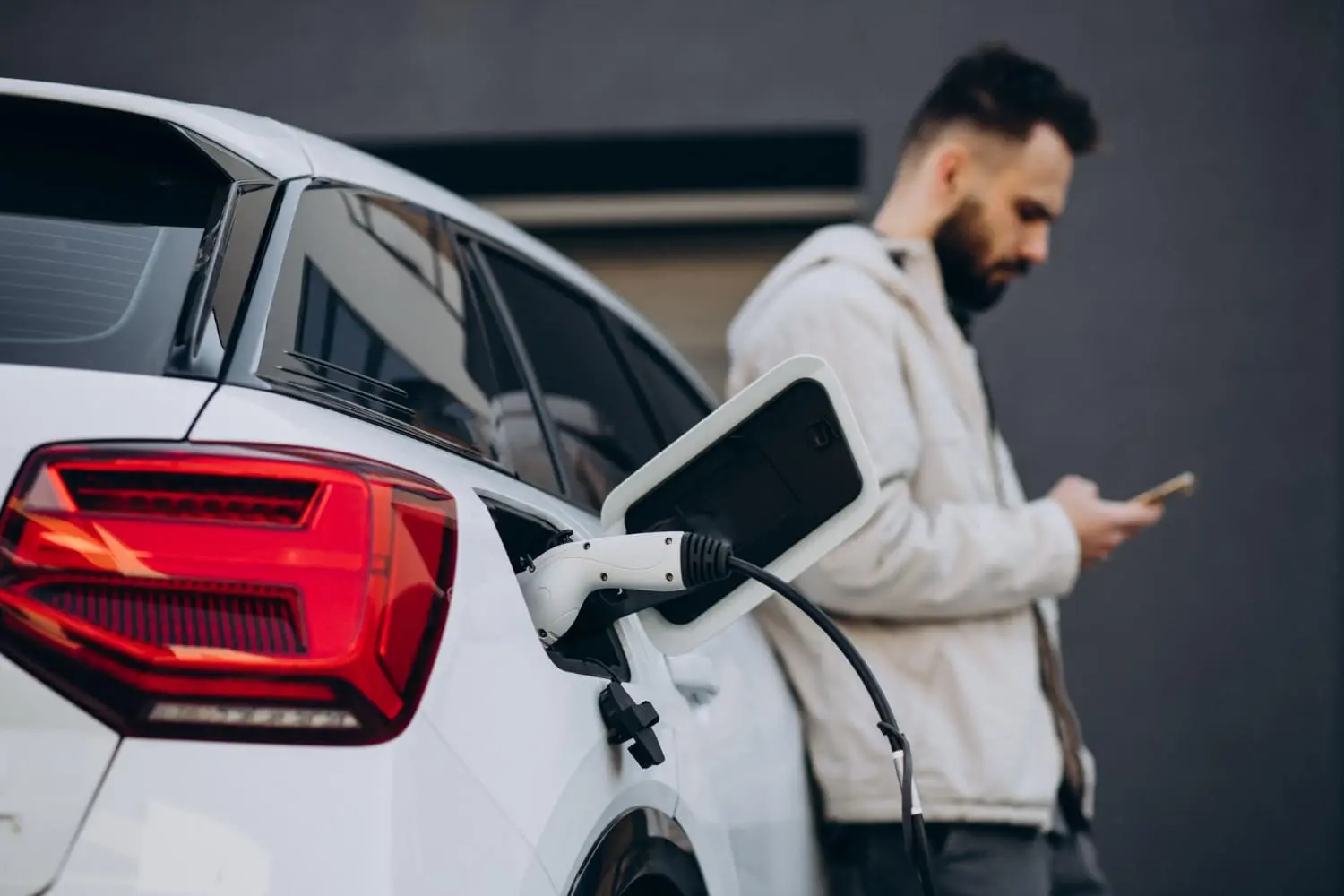
The automotive landscape is undergoing a massive structural shift, and if you are currently in the market for an electric vehicle, the rules of the game have fundamentally changed. The federal electric vehicle tax credit, long considered one of the most powerful catalysts for EV adoption, has been overhauled with stricter guidelines, tighter sourcing restrictions, and revised income caps. For years, buyers could rely on a straightforward discount off the sticker price of nearly any battery-powered car, provided the manufacturer hadn't hit sales caps. Today, navigating federal incentives requires a much closer look at where your car was built, where its battery minerals were mined, and how much you earn.
These sweeping updates are designed to achieve a dual objective: accelerate domestic manufacturing and secure critical supply chains away from foreign entities of concern. While this policy evolution is a win for North American industrial independence, it has created a maze of confusion for everyday consumers. Models that qualified yesterday might be entirely excluded today, leaving buyers wondering which vehicles still deliver that lucrative tax break. Understanding these changes is no longer just an optional exercise for tech enthusiasts; it is an essential financial strategy that can save you thousands of dollars at the dealership. In the following sections, we break down the updated IRS guidelines, examine the latest phase-out rules, and provide a clear, definitive list of which electric vehicles still qualify for the credit in 2026.
Understanding the 2026 EV Tax Credit Overhaul
To grasp why certain vehicles still qualify while others fall short, you have to look closely at the framework established by the updated federal guidelines. The clean vehicle credit, officially designated under Internal Revenue Code Section 30D, revolves around a strict set of compliance hurdles that target everything from the vehicle's retail price to the buyer's annual earnings. Gone are the days when a luxury electric sedan could claim the full federal discount without restrictions.
First, let’s look at the financial gatekeepers: income caps. To qualify for a credit on a new electric vehicle, your modified adjusted gross income (AGI) cannot exceed specific thresholds. For married couples filing jointly, the income ceiling is set at $300,000. Heads of households face a limit of $225,000, while individual filers are capped at $150,000. The IRS allows you to use either your income for the year you take delivery or the year prior, providing a small safety net if your financial situation fluctuates.
Next come the manufacturer's suggested retail price (MSRP) limits designed to keep subsidies focused on affordable or mid-tier segments. Under the overhauled guidelines, vans, sport utility vehicles (SUVs), and pickup trucks carry an MSRP cap of $80,000. Smaller vehicles including sedans, hatchbacks, and wagons must retail for under $55,000. If a vehicle's sticker price exceeds these thresholds, even by a single dollar, it is entirely disqualified from the program, regardless of its battery sourcing or manufacturing location.
These twin pillars of income and price caps form the first major filter for buyers. However, clearing them is only half the battle. The second half involves complex global supply chain mandates that dictate exactly how and where the vehicle is put together.
Critical Sourcing Rules: Batteries and North American Assembly
Beyond the price tag on the window sticker and your personal tax bracket, the modern EV tax credit hinges on a complex web of geopolitical and industrial criteria. Lawmakers designed these provisions to reshape the automotive supply chain, ensuring that federal subsidies actively incentivize domestic manufacturing and allied trade partnerships rather than relying heavily on adversarial nations. This translates into two rigid hurdles that manufacturers must clear: North American final assembly mandates and strict battery component and critical mineral sourcing thresholds.
First, the vehicle must undergo final assembly within North America encompassing the United States, Canada, and Mexico. While many legacy automakers and domestic startups build their electric flagships on home soil, several popular import brands assemble their vehicles overseas, rendering them completely ineligible for the upfront credit at the dealership. However, smart shoppers can occasionally bypass this roadblock through a major commercial loophole: the leasing exception. Commercial vehicle rules often exempt leased electric vehicles from the North American assembly and battery sourcing mandates, meaning foreign-built EVs leased through a dealership can still pass the tax savings down to the consumer.
The second and most volatile hurdle involves the battery itself. To secure the maximum credit, vehicles must satisfy two distinct battery percentage requirements. A specific portion of the battery’s critical minerals (such as lithium, cobalt, and nickel) must be extracted or processed in the U.S. or a country with which the U.S. has a free trade agreement, or be recycled in North America. Simultaneously, a rising percentage of the battery's value components must be manufactured or assembled in North America. Furthermore, the rules introduce the Foreign Entity of Concern (FEOC) restriction, which immediately disqualifies any vehicle containing battery components or critical minerals sourced from countries like China, Russia, Iran, or North Korea. As these thresholds tighten annually, automakers are locked in a race to onshore their supply chains, making it critical for buyers to verify real-time compliance before signing on the dotted line.
Which Cars Still Qualify? (The New EV List)
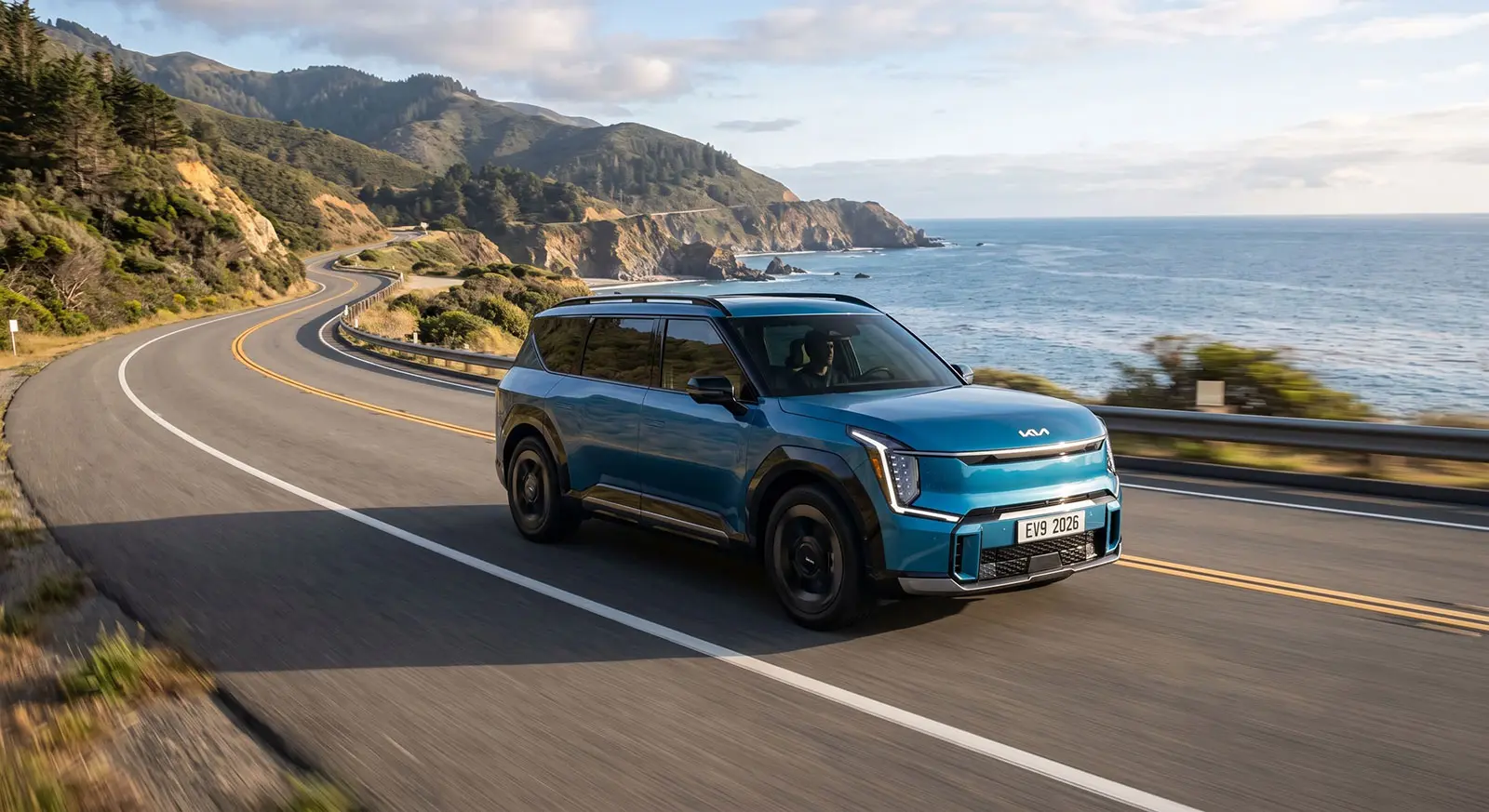
The million-dollar question for every car shopper is simple: after filtering through income caps, retail price ceilings, and stringent battery mineral requirements, which electric vehicles actually still qualify for the federal tax credit? The list changes dynamically as manufacturers shift their supply chains and IRS audits adjust compliance rosters, but several standout models continue to pass the test. Domestic manufacturing muscle has kept vehicles like the Tesla Model Y, Tesla Model 3 (Performance and Long Range variants), and the Ford F-150 Lightning securely on the qualifying roster. Because these automakers have heavily invested in North American battery plants and localized mineral sourcing, their flagship models consistently clear the strict 2026 thresholds.
On the other hand, many popular imported electric vehicles, including models from Hyundai, Kia, Audi, and Toyota, struggle with the North American final assembly requirement when purchased outright. For instance, while the Hyundai Ioniq 5 and Kia EV6 are among the most praised EVs on the market, their overseas assembly in South Korea means they miss out on the direct at-dealership purchase credit unless structured through a commercial lease. Similarly, luxury European imports like the Porsche Taycan or BMW i4 fail the MSRP or battery mineral hurdles for direct buyers, steering savvy consumers toward alternative financing strategies or pushing them to look at locally built alternatives like the Chevrolet Blazer EV, Cadillac Lyriq, or Rivian R1S, which have successfully adapted their supply chains to capture the full incentive.
The Used EV Tax Credit: Rules and Exceptions
While much of the media attention focuses on brand-new electric vehicles rolling off the assembly line, a major growth sector in the automotive market belongs to pre-owned electric vehicles. Recognizing that affordability is the primary barrier for many everyday drivers, the federal tax overhaul introduced a dedicated incentive specifically for used EV buyers: the Previously Owned Clean Vehicle Credit (Internal Revenue Code Section 25E). This credit offers buyers up to thirty percent of the vehicle's purchase price, capped at a maximum payout of $4,000. While it may not match the larger sums available for new models, a four-thousand-dollar discount on a pre-owned EV drastically alters the math for budget-conscious shoppers.
However, qualifying for the used EV credit comes with its own distinct set of guardrails designed to prevent abuse and keep the program targeted. First and foremost, the vehicle must be at least two model years old at the time of purchase—meaning a 2026 buyer can target 2024 models or older. Additionally, the sale price of the pre-owned vehicle cannot exceed $25,000. If you purchase a used luxury EV that originally retailed for six figures but has depreciated down to $26,000, it is entirely ineligible. Furthermore, the vehicle must be purchased from a licensed dealership rather than a private party, and the transaction must be reported directly to the IRS by the dealer at the time of sale.
Buyer income limits also apply to pre-owned purchases, though they are significantly more lenient than those for new vehicles. Modified adjusted gross income is capped at $150,000 for joint filers, $112,500 for heads of households, and $75,000 for individual filers. Finally, to ensure the incentive supports genuine market turnover, a buyer can only claim the used EV credit once every three years, and the vehicle itself must not have been transferred to another qualified buyer since August 2021. Navigating these rules successfully opens up a highly cost-effective pathway to sustainable driving.
Strategic Buying Tips: Timing Your EV Purchase
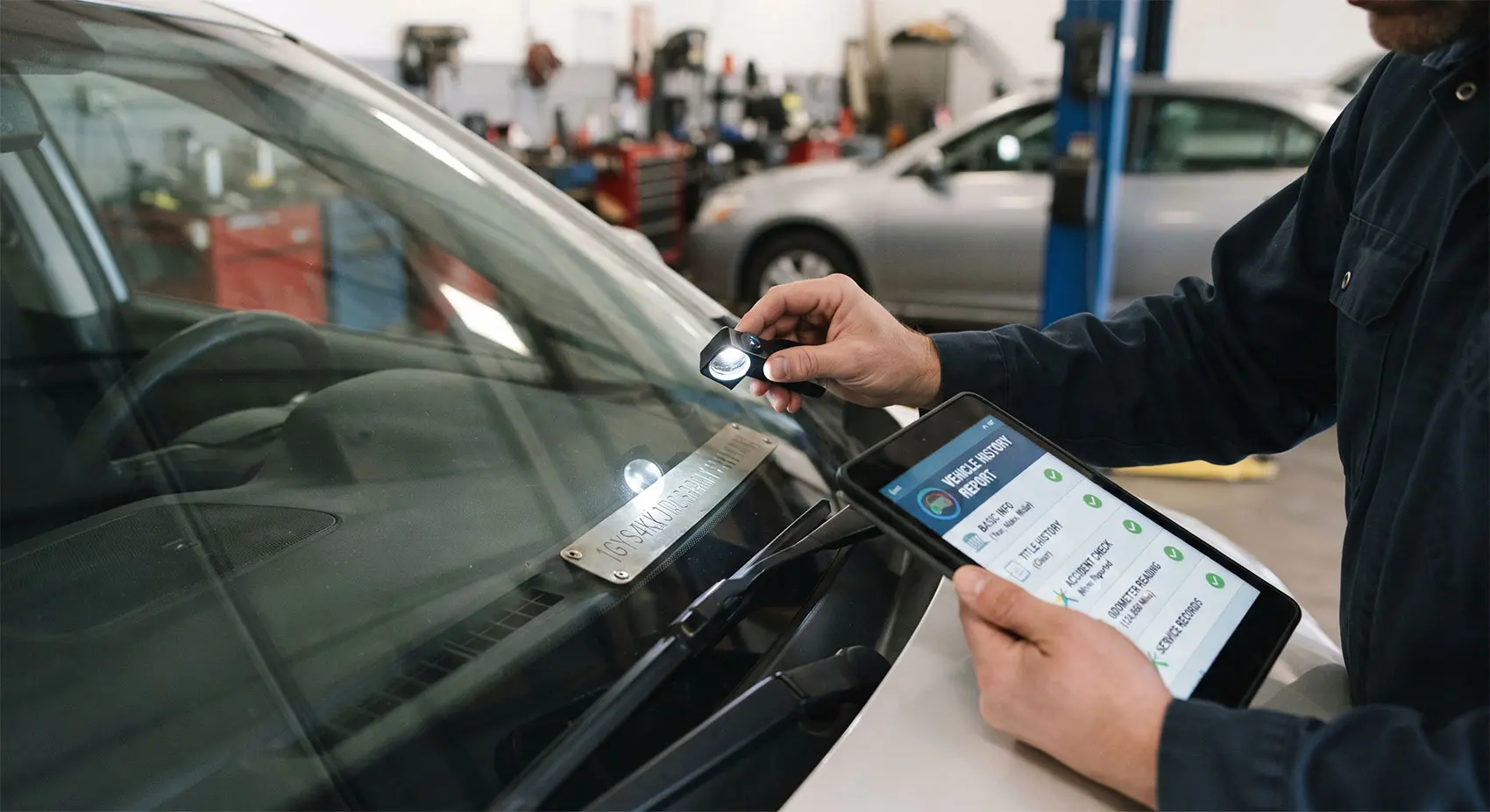
Navigating the 2026 EV tax credit landscape successfully requires more than just picking a qualifying vehicle and checking your income bracket; it demands strategic timing and a keen eye for regulatory fine print. Because the IRS components and critical mineral thresholds tighten annually on January 1st, a car that qualifies for the full credit today could see its incentive cut in half or eliminated entirely if you delay your purchase into the next calendar year. Automakers constantly shift their supply chains to meet compliance, meaning real-time verification is your absolute best defense against missing out. Never rely solely on a dealership's promotional banner or outdated brochures. Always check the official IRS tool or require the dealer to pull the specific VIN verification report through the Energy Department's online platform before signing the purchase agreement.
Another powerful strategy for buyers looking at vehicles that fail the strict North American assembly or battery sourcing rules is leveraging the commercial lease loophole. Under current federal tax interpretations, vehicles leased by consumers are classified as commercial clean vehicles. This specific classification bypasses the domestic assembly mandates and the burdensome Foreign Entity of Concern (FEOC) restrictions entirely. Consequently, you can often lease an imported electric crossover or luxury EV and watch the leasing company pass the full credit savings straight down to you in the form of a heavily reduced monthly payment or capitalized cost reduction.
Finally, consider the timing of your tax liability. The clean vehicle credit is non-refundable, meaning you cannot get back more than you owe in federal income taxes for that year. However, thanks to recent IRS updates, buyers can now choose to transfer their tax credit directly to the registered dealership at the point of sale, effectively turning the federal incentive into an immediate, upfront cash discount off the purchase price rather than waiting to file your annual tax return next spring. Coordinating these moving parts ensures you maximize every available dollar on your transition to electric mobility.
Conclusion
As the automotive landscape continues to evolve under stricter federal guidelines, navigating the electric vehicle market requires a careful blend of financial awareness and strategic timing. The overhaul of the clean vehicle credit has undeniably closed the door on impulsive, automatic discounts for foreign-built models, shifting the power firmly toward domestic manufacturing and allied supply chains. However, this does not mean the era of government-backed savings is over. By understanding the rigorous filters of modified adjusted gross income caps, retail price ceilings, and complex battery mineral thresholds, savvy buyers can still unlock substantial financial incentives. Whether you are targeting a locally assembled flagship SUV that qualifies for the full credit at the dealership, exploring the pre-owned market for a budget-friendly used EV, or leveraging the commercial lease loophole to bypass overseas assembly restrictions, the right strategy can save you thousands of dollars.
Ultimately, transitioning to an electric vehicle is a major investment that extends far beyond the initial purchase price, touching everything from long-term fuel savings to shifting tax liabilities. Staying informed about annual policy adjustments, verifying real-time IRS VIN eligibility, and coordinating your purchase timing with regulatory shifts will ensure you maximize every available dollar. As automakers adapt their supply chains to meet tomorrow’s stricter benchmarks, proactive buyers who do their homework today will drive away with both a cutting-edge electric vehicle and maximum financial return on their investment.



Written by Maarukh Shahbaz
Published Aug 29, 2026 in Auto News.