
Buying a car does not have to mean taking on a huge loan or draining your savings. If you have a budget of $15,000, you can still walk away with a car that starts every morning, holds up for years, and does not send you back to the mechanic every other month. The trick is knowing which models have earned a real reputation for reliability, not just a good-looking price tag or a shiny coat of paint on a dealer lot.
Used car prices have climbed a lot in recent years, and it is easy to feel like a reliable vehicle under $15,000 no longer exists. The truth is that plenty of good options are still out there. You just need to shift your expectations a little, focus on the right model years, and know what to check before you sign anything.
In this guide, we will walk you through some of the most dependable used cars, sedans, and SUVs you can find under $15,000. We will explain what actually makes a used car reliable, look at specific models worth chasing, and share simple, practical tips so you can make a smart choice instead of a rushed one. Whether you need your first car, a safe ride for your family, or a dependable daily commuter, this guide will give you a solid place to start your search.
What Makes a Used Car Reliable
Before jumping into specific models, it helps to understand what reliability actually means when you are shopping used. A reliable car is one that keeps running with normal maintenance and does not develop expensive problems as the miles add up. It is not just about the badge on the hood or how new the car looks. It is about how the engine, transmission, and major systems hold up over time, and how much money you will need to spend to keep them running.
A few things generally decide whether a used car turns out to be reliable. The brand and model matter a lot, since some manufacturers are known for building engines and transmissions that last well past 150,000 miles with only basic upkeep. Other brands look great on the surface but tend to develop costly issues once they pass certain mileage marks, especially with things like transmissions, timing chains, or electrical systems.
The car's individual history matters just as much as the model name, and sometimes more. A well-cared-for car from an average model can easily outlast a neglected car from an excellent model. That is why a full maintenance history and a clean accident record are so important. A car that has had its oil changed on schedule, its brakes serviced when needed, and its fluids kept fresh will almost always perform better long-term than one with a spotty or unknown service history, even if both cars share the exact same year, make, and model.
Mileage also plays a role, but it should not be the only factor you look at. A car with 90,000 miles that was serviced on schedule is usually a better buy than a car with 60,000 miles that sat unused for long stretches or was driven hard without regular oil changes. Cars that sit unused can develop their own set of problems, including dried-out seals, flat-spotted tires, and fuel system issues, so low mileage alone is not a guarantee of good condition.
Parts availability and repair costs matter for your wallet in the long run too. A car that rarely breaks down but costs a fortune to fix when it finally does is not a great value either. This is one reason mainstream Japanese brands tend to dominate reliability lists. Parts are cheap, mechanics everywhere know how to work on them, and repairs rarely turn into a major financial setback.
Keeping these points in mind will help you compare any car you are considering, even ones that are not mentioned specifically in this guide.
Top Reliable Sedans and Compact Cars Under $15,000
When it comes to reliability in the sedan and compact car segment, a handful of names come up again and again among owners, mechanics, and independent data services that track long-term vehicle performance.
The Toyota Corolla is often the first car people mention when reliability comes up, and for good reason. It is simple, easy to maintain, and known for engines that keep running well past six figures on the odometer with only routine care. Under $15,000, you can usually find a Corolla from the mid to late 2010s with moderate mileage, making it a great pick for a daily commuter, a first car for a new driver, or a dependable second vehicle for the household.
The Honda Civic follows a similar pattern. It combines a fuel-efficient engine with a comfortable ride and a long track record of holding up over time. Because so many were sold each year, finding a well-kept Civic within budget is usually not difficult, and parts remain cheap and widely available, which keeps ownership costs low even years down the road.
The Toyota Camry and Honda Accord are excellent choices if you want something a bit roomier without moving up to an SUV. Both midsize sedans have built strong reputations for durability, smooth rides, and low ownership costs. A Camry or Accord from around 2013 to 2016 often lands comfortably within a $15,000 budget while still offering modern safety features, a comfortable interior, and enough space for a small family or a longer commute.
For buyers who want something with a bit more character, the Mazda3 is worth a look. It offers a more engaging driving experience than most cars in this price range, along with solid reliability, especially when you choose a version with the larger four-cylinder engine and pay attention to routine maintenance like timing components and fluid changes.
The Volkswagen Golf and Jetta also show up frequently on reliability lists for this price range, particularly newer used examples. They offer a comfortable ride and a more upscale feel than some competitors, though it is smart to check maintenance records carefully, since European engineering can sometimes mean higher repair costs if problems do arise once the car ages past its original warranty period.
The Nissan Sentra and Hyundai Elantra can also be worth considering if you are on a tighter slice of that $15,000 budget, since they tend to be priced a little lower than the models above. Reliability can vary more from year to year with these two, so it becomes even more important to check service records and get an inspection before committing.
Across all of these options, the pattern is clear. Toyota and Honda models tend to dominate reliability rankings because of their simple, well-tested engineering, while models like the Mazda3 and Volkswagen Golf offer strong alternatives if you want more style or driving enjoyment without sacrificing too much dependability.
Top Reliable SUVs Under $15,000
If you need more space or prefer higher ground clearance, the good news is that reliable SUVs are also available under $15,000, though you may need to look at slightly older model years compared to sedans, since SUVs tend to hold their value a bit longer.
The Honda CR-V is one of the most trusted names in the compact SUV class. It offers a comfortable cabin, plenty of cargo room, and an engine that is known to run reliably for well over 150,000 miles with routine care. Versions from the early to mid 2010s are commonly available within this budget and remain a favorite among used SUV buyers who want something practical and low maintenance.
The Toyota RAV4 is another standout, including the RAV4 Hybrid, which has developed a strong reputation for both reliability and fuel economy. Toyota's hybrid system has proven to be remarkably durable over time, so a RAV4 Hybrid from around 2016 can be a smart buy if you can find one within budget, since it combines low running costs with the brand's usual dependability.
The Subaru Outback and Subaru Crosstrek deserve a mention as well, especially for buyers in areas with rough weather or rural roads. Standard All Wheel Drive combined with a solid reliability track record makes these models popular choices, and older Outback and Crosstrek examples often fall within the $15,000 range, making them a good middle ground between a car and a full-sized SUV.
For families who need three rows of seating, the Ford Explorer and Mazda CX9 are worth considering. Both have shown solid reliability scores among older three-row SUVs, offering enough space for larger families without needing a full-size SUV budget or the higher fuel costs that usually come with it.
Buyers looking for a slightly larger, more comfortable ride might also consider the Nissan Murano or Chevrolet Equinox, both of which have appeared on multiple reliability lists for vehicles in this price range. As with sedans, checking maintenance history and getting an inspection before buying will matter more than the specific model year you choose, especially since SUVs often see more towing, off-road use, or heavier loads than the average sedan.
Smart Tips Before You Buy a Used Car
Even the most reliable model on paper can turn into a headache if it was not cared for properly by its previous owner. A few simple steps can help protect you from buying a car that looks fine on the surface but hides expensive problems underneath.
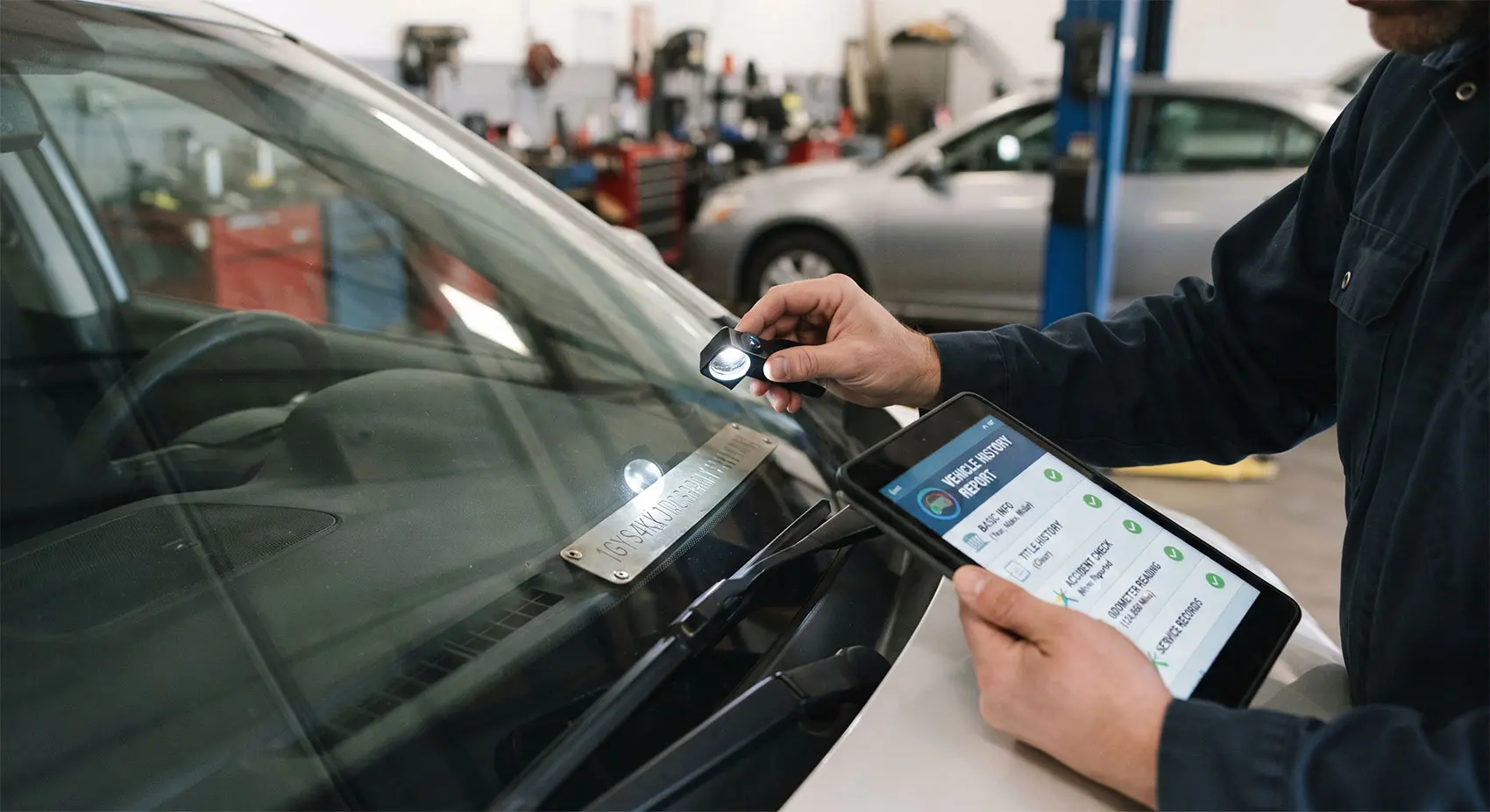
Always pull a vehicle history report before making an offer. This will show you whether the car has been in any accidents, how many owners it has had, and whether the title is clean. A car with a rebuilt or salvage title should generally be avoided unless you fully understand what that means for its safety and resale value down the road.
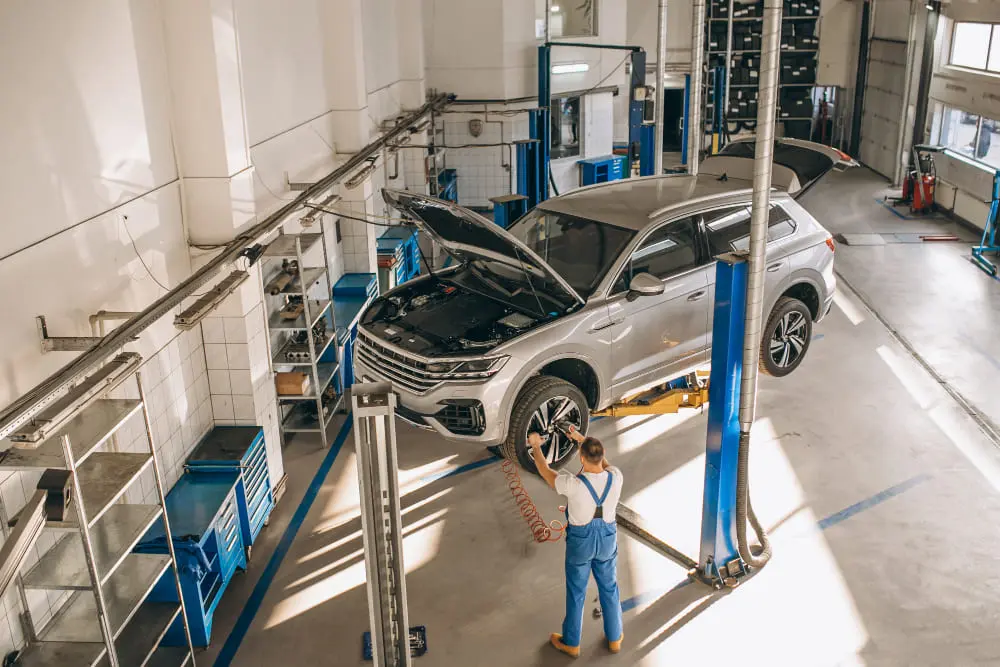
Get a pre-purchase inspection from a trusted, independent mechanic, not one recommended by the seller. This single step can save you thousands of dollars by catching problems with the engine, transmission, suspension, or electrical system before you commit to buying. It usually only costs a small fee and is well worth the peace of mind.
Ask for maintenance records whenever possible. Regular oil changes, timely brake work, and documented transmission fluid changes are strong signs that a car was cared for properly, even if it has higher mileage than you were originally hoping for. A thick folder of receipts is often worth more than a lower number on the odometer.
Take the car for a proper test drive, not just around the block. Drive it on the highway, test the brakes at different speeds, listen for unusual noises over bumps, and check that all the electronics, air conditioning, and infotainment features work as expected. Small issues you notice now are much cheaper to negotiate over than to discover after you have already bought the car.
It also helps to think ahead about insurance and fuel costs, since these vary quite a bit between models and can affect your total monthly budget even if the purchase price stays under $15,000. A slightly cheaper car with poor fuel economy or high insurance premiums may end up costing more each month than a pricier but more efficient option.
Finally, be patient. It is tempting to buy the first car that fits your budget, but taking a little extra time to compare a few options in your price range will almost always lead to a better long-term decision. A reliable car bought carefully will save you far more money over the years than a slightly cheaper car bought in a hurry.
Conclusion
Finding a dependable used car under $15,000 is absolutely possible if you know where to look and what to check before buying. Models like the Toyota Corolla, Honda Civic, Toyota Camry, and Honda Accord continue to prove themselves as smart, low-risk choices for sedan buyers, while the Honda CR-V, Toyota RAV4, and Subaru Outback stand out as trustworthy options if you need the extra space and versatility of an SUV.
At the end of the day, the specific car you choose matters less than how well it was maintained by its previous owner. Sticking to models with a strong reliability reputation, checking the vehicle's full history, and getting a professional inspection will put you in a much stronger position to drive away with a car that serves you well for years to come, all without stretching your budget or risking constant repair bills.




Written by Kousar Shabbir
Published Sep 21, 2026 in Buying Guides.