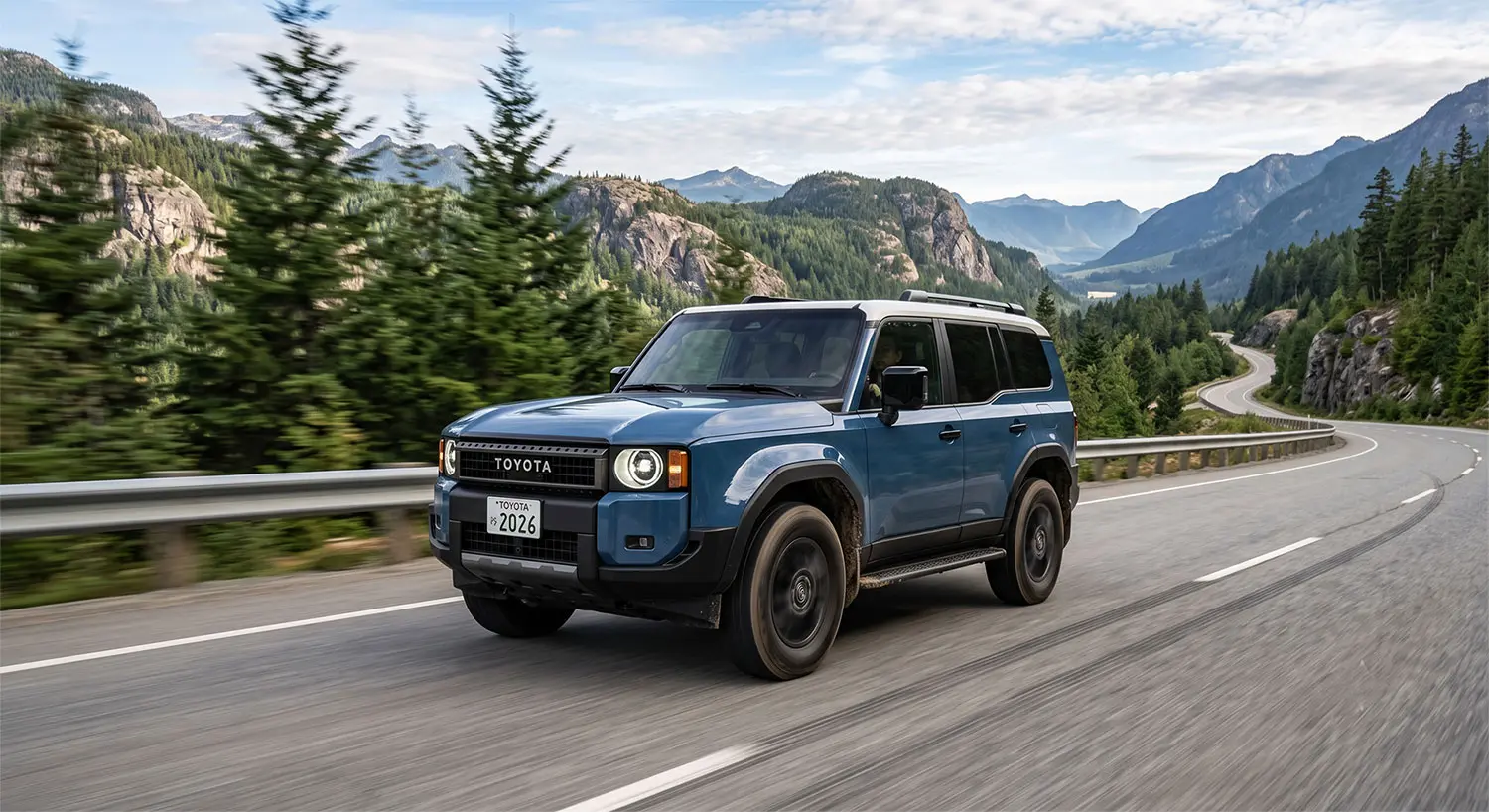
The automotive world has long been defined by icons, but few names carry the weight and reverence of "Land Cruiser." After a brief hiatus from the North American market, the return of this legendary nameplate is not just a product launch it is a cultural moment. Toyota has spent the last few years teasing a reimagining of their most storied off-roader, and the reveal of the 2026 Land Cruiser confirms that the brand is playing for keeps. By blending the rugged, go-anywhere soul of the original FJ series with the forward-thinking innovation of modern engineering, Toyota aims to capture both the nostalgia of longtime enthusiasts and the demands of the modern, eco-conscious adventurer.
The 2026 model signifies a pivot in strategy. Rather than continuing the trajectory of the massive, luxury-heavy 200-series, Toyota has stripped the Land Cruiser back to its fundamental purpose: utility, capability, and reliability. This return to form is anchored by the innovative i-FORCE MAX powertrain, a system that promises to redefine how we think about performance in heavy-duty vehicles. In an era where the SUV market is saturated with crossovers masquerading as rugged explorers, the 2026 Land Cruiser arrives as a genuine contender, promising to deliver the torque required for technical rock crawling while maintaining the refinement needed for the daily commute. As we dive into the details, it becomes clear that this isn't just a new car it’s a carefully crafted response to the shifting tides of the automotive industry, proving that "iconic" doesn't have to mean "stuck in the past." Whether you are an overlander planning your next cross-continental expedition or a family looking for a dependable, high-tech daily driver, the 2026 Land Cruiser offers a compelling narrative of adaptation and resilience.
The Heart of the Beast: i-FORCE MAX Powertrain
At the core of the 2026 Toyota Land Cruiser’s return is the formidable i-FORCE MAX powertrain. This isn't merely an efficiency play; it is a strategic integration of electrification designed to elevate raw mechanical performance. Beneath the hood lies a 2.4-liter turbocharged four-cylinder engine paired with an electric motor integrated directly into the eight-speed automatic transmission. This configuration produces a staggering 326 horsepower and a massive 465 lb-ft of torque. For the off-roading enthusiast, that torque figure is the "holy grail." Unlike traditional naturally aspirated engines that require the driver to wind up the RPMs to find peak power, the electric motor provides near-instantaneous torque delivery, allowing for precise throttle control when navigating technical obstacles, rocky inclines, or deep sand.
The brilliance of this system lies in its dual-purpose nature. During daily commutes, the electric motor assists the gasoline engine, smoothing out power delivery and significantly improving fuel efficiency an area where previous Land Cruiser generations notoriously struggled. However, when the pavement ends, the system adapts. Toyota’s engineers have calibrated the i-FORCE MAX to work in harmony with the vehicle’s full-time 4WD system, ensuring that power is distributed intelligently to all four wheels based on real-time traction needs. This creates a "best of both worlds" scenario: you get the high-output performance expected of a heavy-duty trail rig without the crushing fuel costs of a massive V8. For overlanders who are often venturing far from civilization, the efficiency of this hybrid system translates to increased range, allowing for longer excursions between fuel stops. Furthermore, Toyota’s long-standing reputation for hybrid reliability honed over decades of Prius and RAV4 development should put any concerns regarding the longevity of these electrical components to rest. This is a powertrain designed to thrive in the harsh, demanding environments that define the Land Cruiser legacy, all while providing the modern refinement that contemporary drivers expect.
Design & Architecture: A Blend of Retro and Modern
The visual language of the 2026 Toyota Land Cruiser is perhaps its most discussed feature. Toyota made a bold decision to move away from the sleek, sweeping lines of its modern predecessors and return to a boxy, upright silhouette that pays direct homage to the iconic FJ62. This isn’t just a stylistic choice; it is a functional one. The squared-off body panels offer excellent visibility from the driver’s seat a critical feature when navigating tight trails or urban parking structures alike. The reduced front and rear overhangs are optimized for approach and departure angles, ensuring that the bodywork stays clear of obstacles when the terrain gets gnarly. Yet, beneath the rugged "retro-tech" exterior, the architecture is thoroughly modern, built on Toyota’s TNGA-F global ladder-frame platform, which provides a significant increase in frame rigidity compared to the previous generation.
Stepping inside, the cabin strikes a delicate balance between utilitarian durability and the creature comforts required for long-distance travel. The interior design avoids the "over-screened" look of many modern luxury SUVs, opting instead for a driver-focused layout where physical knobs and switches the kind you can operate while wearing gloves take prominence. However, the tech suite is anything but dated. A central high-definition touchscreen runs the latest Toyota Audio Multimedia system, featuring wireless Apple CarPlay, Android Auto, and a crisp, responsive interface that integrates seamlessly with the vehicle's off-road data displays. These digital displays provide real-time feedback on pitch, roll, and tire pressure, turning the dashboard into an extension of the driver's off-road toolkit. High-quality soft-touch materials are placed in high-contact areas, while more rugged, easy-to-clean plastics are utilized in the lower cabin, signaling that this is a vehicle meant to be used, not just admired. From the supportive, multi-way adjustable seats to the strategic placement of charging ports and storage nooks, every element of the interior architecture has been optimized to handle the rigors of an adventurous lifestyle without sacrificing the quiet, refined environment that Toyota is renowned for.
Off-Road Capability: Built for the Trail
When Toyota engineers set out to design the 2026 Land Cruiser, they prioritized mechanical capability above all else, ensuring that the vehicle’s hardware can handle the most punishing terrain on the planet. Central to this capability is the full-time 4WD system, which acts as the backbone of the vehicle’s trail performance. Unlike many modern SUVs that rely on electronic "brake-based" torque vectoring to mimic a true differential, the new Land Cruiser features a center locking differential and a rear locking differential as standard equipment. These are not merely driver-aids; they are robust, mechanical components that provide consistent, reliable traction in loose dirt, mud, and deep snow. By allowing the driver to mechanically link the wheels, the Land Cruiser ensures that power is delivered to the ground even when one or more wheels lose contact with the surface a scenario all too common when traversing deeply rutted trails or uneven rock gardens.
Beyond the drivetrain, Toyota has introduced the stabilizer bar disconnect mechanism. This feature is a game-changer for articulation. By electronically disconnecting the front stabilizer bar, the Land Cruiser’s front wheels gain significantly more vertical travel, allowing the suspension to conform to jagged terrain while keeping the tires planted firmly on the ground. This increased contact patch maximizes traction and stability, providing the driver with confidence when navigating steep, technical sections. Complementing this is the sophisticated Multi-Terrain Select system and the upgraded Crawl Control. The former allows the driver to optimize engine and traction control settings for specific surfaces like mud, sand, or rocks, while the latter acts as an "off-road cruise control," managing throttle and braking inputs at low speeds to allow the driver to focus exclusively on steering. When compared to rivals like the Ford Bronco and Jeep Wrangler, the 2026 Land Cruiser occupies a unique space. While the Bronco and Wrangler are designed as dedicated "toys" for weekend enthusiasts, the Land Cruiser brings the same if not superior level of off-road prowess while maintaining the refined chassis dynamics and long-term mechanical reliability that Toyota is famous for. It is a vehicle that feels as comfortable on a 500-mile highway stretch as it does on a remote mountain pass, proving that true capability doesn't have to come at the expense of comfort.
Trim Levels: 1958, Land Cruiser, and First Edition
To satisfy a diverse range of buyers from those seeking a stripped-down trail rig to those wanting a well-appointed weekend warrior Toyota has tiered the 2026 Land Cruiser into three distinct grades: the 1958, the Land Cruiser (mid-grade), and the First Edition. Each trim is built on the same rugged TNGA-F platform and utilizes the same i-FORCE MAX hybrid powertrain, ensuring that performance is consistent regardless of the price point.
The 1958 trim serves as the entry point to the lineup, and it is arguably the most "purist" expression of the vehicle. Named to commemorate the year the Land Cruiser first arrived in the U.S., this grade is defined by its classic aesthetic, featuring iconic round LED headlights, a heritage-inspired grille, and simplified exterior styling. It is designed for the buyer who plans to modify their rig with aftermarket parts or who simply prefers the look of a classic, no-nonsense utility vehicle. Inside, you’ll find durable cloth upholstery and a focus on essential features, eschewing some of the high-end digital clutter in favor of a tactile, straightforward experience. Despite its "base" status, it still comes equipped with a rear locking differential and crawl control, making it fully capable right off the dealer lot.
Moving up to the Land Cruiser trim, the vehicle gains a more sophisticated, "modern-classic" aesthetic with rectangular headlights that offer a bolder, more contemporary face. This trim is designed for the balanced adventurer who wants daily-driver luxury combined with off-road capability. Expect features like heated and ventilated SofTex-trimmed seats, an upgraded audio system, and the inclusion of the stabilizer bar disconnect mechanism as a standard feature, which significantly enhances off-road articulation. It’s the sweet spot for many, offering premium interior comforts like power-adjustable seating and advanced connectivity without veering into excessive territory.
Finally, the First Edition is a limited-run offering aimed at the true brand enthusiast. Limited in production volume, it comes fully loaded with a collection of premium off-road accessories right from the factory, including a rugged roof rack, rock rails, and a unique front skid plate for enhanced underbody protection. It also features exclusive interior badging and color combinations that set it apart from the standard lineup. This trim is less about "necessity" and more about "exclusivity," providing a turn-key solution for buyers who want the most capable, distinct version of the Land Cruiser available on day one. By offering these three tiers, Toyota ensures that the 2026 Land Cruiser isn't a "one size fits all" vehicle, but rather a customizable tool that can be tailored to the specific needs of its owner.
Pricing, Availability, and Market Positioning
The financial strategy behind the 2026 Toyota Land Cruiser is as calculated as its mechanical engineering. Toyota has positioned the Land Cruiser to sit comfortably above the RAV4 and Highlander but distinct from the flagship Sequoia, creating a "sweet spot" in their SUV lineup. By setting the entry-level 1958 trim at an accessible price point, Toyota is clearly signaling an intent to compete directly with mid-to-high-trim versions of the Ford Bronco and Jeep Wrangler. This aggressive pricing strategy is designed to entice buyers who may have been priced out of the previous, significantly more expensive 200-series Land Cruisers, effectively democratizing the legend for a new generation of enthusiasts.
Market availability is expected to be a key point of discussion as the rollout begins. Understanding the high demand for off-road-capable hybrid vehicles, Toyota has implemented a strategic inventory management plan. Rather than flooding dealer lots, the initial rollout is being managed to balance demand with supply constraints, ensuring that the vehicle maintains a sense of exclusivity while avoiding the massive markups that have plagued other highly anticipated releases. Toyota is leveraging its global manufacturing footprint to ensure steady delivery schedules, but buyers should anticipate early-year inventory tightness, particularly for the highly sought-after First Edition trim.
The broader market positioning of the 2026 Land Cruiser is a masterclass in segment disruption. In a crowded SUV market where "adventure" is often a marketing term rather than a capability, the Land Cruiser offers genuine utility backed by the Toyota badge's legendary reliability. For the consumer, this presents a compelling value proposition: lower cost of ownership over time, exceptional resale value, and a hybrid powertrain that reduces fuel overhead without sacrificing torque. Toyota is effectively betting that buyers are willing to pay a premium for a vehicle that can reliably cross a continent, endure years of harsh conditions, and still function flawlessly as a daily driver. By balancing this unique capability with a clear, tiered pricing structure, Toyota has ensured that the 2026 Land Cruiser is not just an enthusiast’s dream, but a viable, rational purchase for the modern SUV buyer.
Conclusion
The return of the Toyota Land Cruiser to the North American market in 2026 is far more than a simple product relaunch; it is a definitive statement from Toyota about the enduring value of mechanical integrity and heritage-inspired design. Throughout this analysis, we have seen that the new Land Cruiser isn't trying to be all things to all people. Instead, it leans heavily into its roots, offering a specialized, highly capable platform that challenges the modern trend of over-complicated luxury SUVs. By anchoring the vehicle with the i-FORCE MAX powertrain, Toyota has successfully solved the classic "capability vs. efficiency" dilemma, proving that a vehicle can be both environmentally conscious and relentlessly capable in the wild.
Is the 2026 Land Cruiser worthy of the iconic nameplate? The answer is a resounding yes. It respects the lineage of the FJ series while integrating the cutting-edge technology required for the modern trail. For the overlanding community, the standard locking differentials and stabilizer bar disconnect provide a mechanical foundation that is rarely seen in factory-stock vehicles today. For the daily driver, the refined interior and Toyota’s suite of safety technology ensure that the vehicle remains a comfortable and practical companion for the mundane realities of the commute. As the SUV market continues to pivot toward electrification, the Land Cruiser stands poised to dominate the segment by offering a rare combination of reliability, soul, and performance. It is a vehicle built not just for the next few years, but for the next few decades, securing its place as the definitive choice for those who demand excellence whether they are traversing a rocky mountain pass or simply navigating the neighborhood.

Written by Maarukh Shahbaz
Published Jul 7, 2026 in Car Reviews.