The Tesla Model Y has become one of the most influential electric vehicles of the modern automotive era. Since its introduction, it has played a major role in bringing electric SUVs into the mainstream by combining impressive efficiency, strong performance, advanced software features, and access to Tesla’s extensive Supercharger network. For many buyers, the Model Y represented a practical transition from traditional gasoline-powered SUVs to electric mobility without requiring major lifestyle changes.
However, the electric vehicle landscape has changed significantly since the Model Y first arrived. Tesla’s early advantage came from entering a market where few competitors could match its combination of range, charging infrastructure, and technology. Today, that advantage is being challenged by a growing number of electric SUVs from established automakers and newer EV-focused companies. Models such as the Hyundai Ioniq 5, Kia EV6, Ford Mustang Mach-E, Volkswagen ID.4, BMW iX, Mercedes-Benz EQB, and other global electric vehicles now offer buyers more choices than ever before.
To keep the Model Y competitive, Tesla introduced a significant refresh that has become widely known among enthusiasts as “Project Juniper.” Rather than being a completely new generation, the update represents an evolution of the existing Model Y platform. Tesla’s approach is similar to the refreshed Model 3 Highland, focusing on improving comfort, refinement, interior quality, and everyday usability while keeping the core strengths that made the Model Y successful.
The refreshed Model Y arrives at a time when EV buyers are becoming more demanding. Early electric vehicle adopters were often willing to overlook compromises in exchange for new technology. Today’s buyers expect more. They want quieter cabins, better ride comfort, premium interiors, reliable software, convenient charging, and practical ownership experiences.
Tesla’s updated Model Y attempts to address these expectations while maintaining the characteristics that have made the vehicle popular. The refresh focuses on improving the areas where previous versions received criticism while continuing to deliver the efficiency, performance, and technology that Tesla is known for.
Exterior and Interior Updates: A More Refined and Comfortable Model Y
The refreshed Tesla Model Y follows a philosophy of evolution rather than revolution. Instead of completely redesigning the vehicle, Tesla has refined the exterior and interior to create a more modern and premium experience.
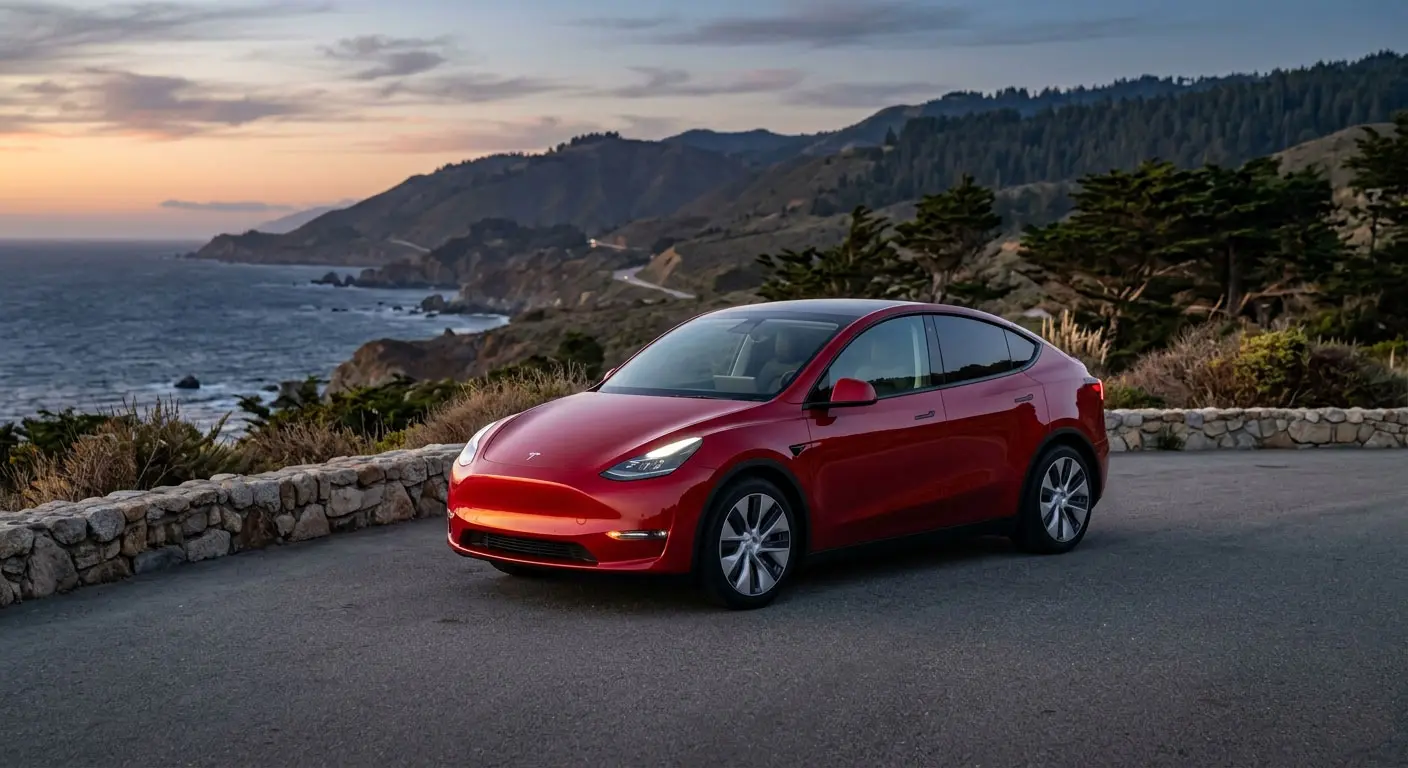
The exterior changes are subtle but noticeable. Tesla has traditionally focused heavily on aerodynamics because reducing air resistance helps improve electric vehicle efficiency. The refreshed Model Y continues this approach with updated styling elements designed to improve the vehicle’s appearance while maintaining its aerodynamic advantages.
The front and rear sections receive some of the most noticeable updates. The redesigned lighting elements create a cleaner and more modern appearance, while revised bumper designs give the vehicle a sharper look. Tesla has moved toward a simpler design language across its lineup, and the updated Model Y reflects that direction.
Unlike some electric SUVs that use aggressive styling to emphasize their futuristic identity, the Model Y remains relatively understated. Its design continues to prioritize efficiency and practicality rather than dramatic visual changes. This approach helps the Model Y maintain the recognizable shape that has become familiar worldwide.
Wheel designs also continue to play an important role in Tesla’s efficiency strategy. Tesla has historically used aerodynamic wheels to help maximize driving range, and the refreshed Model Y continues this tradition. Wheel selection can influence efficiency, ride comfort, and overall appearance, giving buyers different options depending on their priorities.
Tesla has also expanded exterior color choices in recent years. Options such as Ultra Red and Stealth Grey reflect the company’s effort to provide more premium-looking finishes. However, available colors vary depending on production location and market.
While the exterior updates improve the Model Y’s appearance, the most significant changes are found inside the cabin.
The interior of the previous Model Y was widely appreciated for its spacious layout and minimalist design. However, some owners and reviewers criticized certain aspects, including road noise, ride firmness, and the use of simpler interior materials compared with some premium competitors.
The refreshed Model Y addresses these concerns with a more refined cabin experience. Tesla has improved interior materials, added additional design details, and focused on making the vehicle feel more comfortable during everyday driving.
The minimalist philosophy remains central to the Model Y interior. Instead of surrounding the driver with numerous physical buttons and controls, Tesla continues to rely heavily on the central touchscreen. This approach creates a clean and modern appearance, although some drivers may need time to adjust to having fewer traditional controls.
The touchscreen remains the center of the vehicle experience. Drivers can access navigation, climate controls, vehicle settings, entertainment, charging information, and software updates through the interface. Tesla’s advantage has always been its ability to improve vehicle functionality through software updates rather than requiring major hardware changes.
One of the notable improvements in the refreshed Model Y is the addition of a rear passenger touchscreen. This feature improves convenience for passengers by allowing them to control certain functions independently. For families and people who frequently travel with passengers, these improvements make the Model Y a more comfortable long-distance vehicle.
Tesla has also focused on improving cabin quietness. Earlier versions of the Model Y were sometimes criticized for road noise, particularly compared with luxury electric SUVs. The refreshed model includes improvements in sound insulation and refinement aimed at creating a quieter driving environment.
Although Tesla has not released a specific percentage improvement in cabin noise reduction, reviews generally indicate that the updated model feels more refined than earlier versions.
Comfort improvements extend beyond the interior. Suspension tuning has been adjusted to provide a smoother driving experience. The original Model Y was praised for its handling and acceleration but was sometimes criticized for having a firm ride. The refreshed model aims to provide a better balance between sporty responsiveness and everyday comfort.
This change reflects Tesla’s recognition that electric vehicles are no longer judged only by acceleration and technology. Buyers increasingly expect vehicles that are comfortable, quiet, and enjoyable during daily commuting.
Performance, Charging, Safety, and Software: Improving the Tesla Ownership Experience
The refreshed Tesla Model Y continues to use the same fundamental strengths that helped make the vehicle successful. Tesla has built its reputation around efficient electric powertrains, responsive performance, and software-driven improvements.
Performance remains one of the Model Y’s strongest characteristics. Even standard versions provide quick acceleration compared with many traditional gasoline-powered SUVs. Higher-performance variants continue to appeal to drivers who want stronger acceleration and a sportier driving experience.
However, the focus of the refresh is not simply adding more power. Tesla has concentrated on improving the overall driving experience by making the vehicle feel more comfortable and refined.
Electric vehicles naturally provide instant torque, which allows them to accelerate quickly without traditional gear changes. The Model Y continues to benefit from this advantage, offering smooth and immediate power delivery.
Efficiency remains another major strength. Tesla vehicles are known for using energy effectively, helping drivers achieve competitive real-world range compared with many electric competitors.
The actual range of the Model Y depends on several factors, including battery configuration, wheel size, weather conditions, driving habits, and temperature. Like all electric vehicles, real-world range can vary significantly from official estimates.
Tesla continues to improve efficiency through software optimization, aerodynamic improvements, and drivetrain updates. These improvements help maintain the Model Y’s position as one of the more efficient electric SUVs available.
Charging remains one of Tesla’s biggest advantages. The company’s Supercharger network has been a major reason many buyers choose Tesla over competitors. The charging experience is deeply integrated into the vehicle, allowing the Model Y to automatically plan charging stops during longer trips.
Before arriving at a Supercharger station, the vehicle can prepare the battery to improve charging performance. The navigation system also considers charging locations when planning routes, creating a more seamless experience compared with many competing EV systems.
The wider adoption of Tesla’s North American Charging Standard connector has also changed the EV charging landscape. As more manufacturers adopt the connector, access to charging infrastructure is becoming more standardized.
Safety continues to be an important part of the Model Y’s reputation. Tesla vehicles include a wide range of active safety technologies designed to help reduce collision risks.
The Model Y includes features such as collision avoidance assistance, lane-related safety systems, and driver monitoring technologies. Independent safety organizations evaluate vehicles separately depending on region and testing standards, so safety ratings can vary.
Tesla’s Full Self-Driving (Supervised) system remains one of the company’s most discussed technologies. The system has continued to evolve through software updates and represents Tesla’s long-term focus on artificial intelligence and driver assistance.
However, Full Self-Driving is not a fully autonomous driving system. Drivers must remain attentive and responsible for vehicle operation at all times. Regulations, road conditions, and software availability influence how the system performs in different locations.
Tesla’s biggest advantage is the connection between hardware and software. Unlike many traditional automakers that update vehicles less frequently, Tesla uses over-the-air updates to improve features after purchase.
This software-focused approach has become a defining part of Tesla ownership. The vehicle is not viewed as a fixed product but as something that can continue improving over time.
Competition, Practicality, and Value: Where the Model Y Stands Against Rivals
The electric SUV market is far more competitive than it was when the Model Y first launched. Buyers now have many strong alternatives, each offering different strengths.
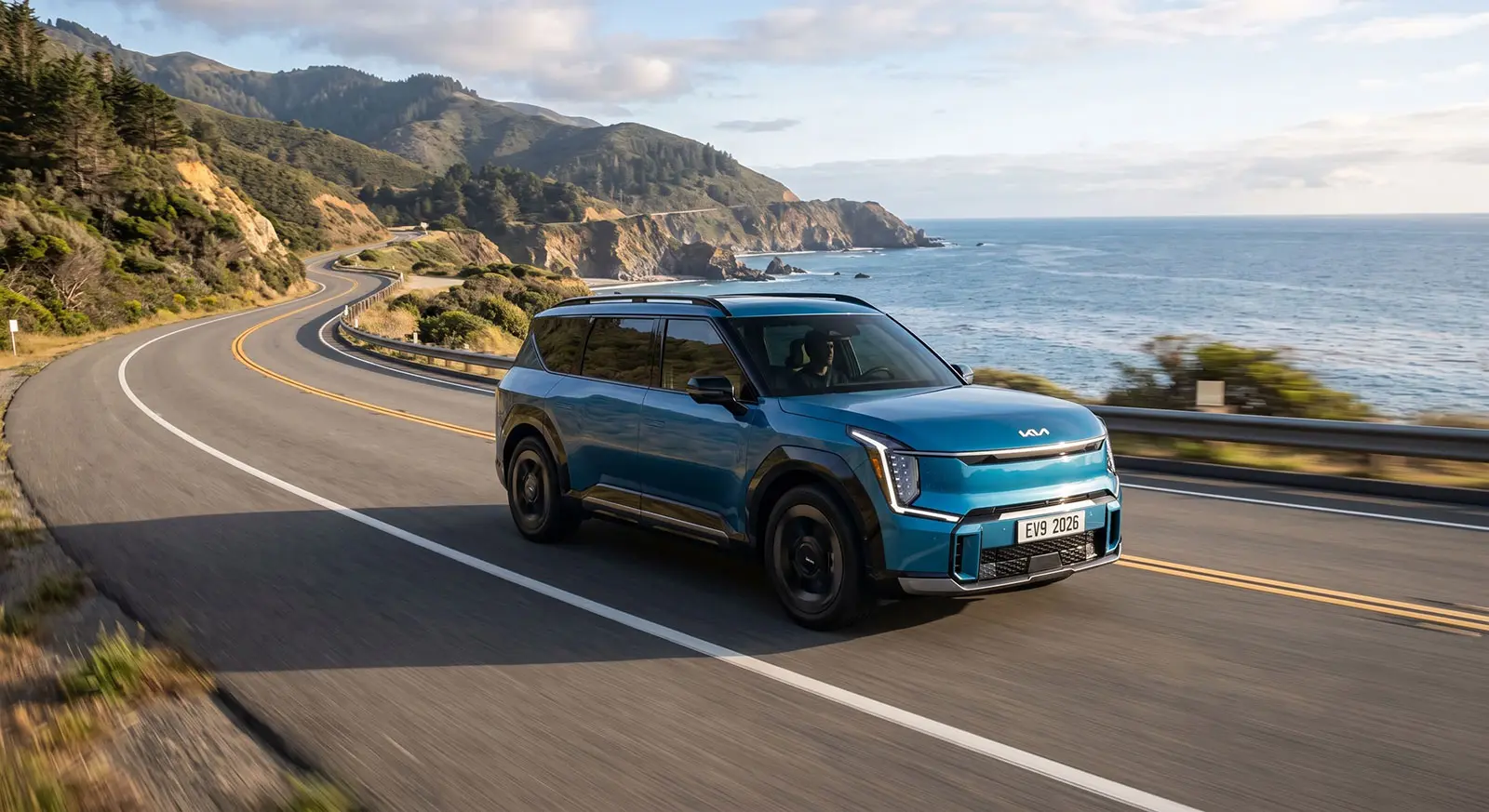
The Hyundai Ioniq 5 has become one of the most respected competitors. It offers a comfortable ride, distinctive styling, and impressive charging capability. Its interior provides a more traditional approach compared with Tesla’s minimalist design.
The Kia EV6 offers a sportier personality. It combines attractive styling with strong performance and fast charging capability. Drivers who prioritize driving enjoyment may find the EV6 appealing.
The Ford Mustang Mach-E provides another strong alternative, offering a familiar SUV experience with electric performance. Ford has also developed its own driver assistance technology, making it a serious competitor in the electric crossover market.
Despite increasing competition, the Model Y maintains several advantages. Its biggest strengths remain efficiency, charging convenience, software integration, and practicality.
The Model Y’s interior packaging makes it useful for families and everyday drivers. The vehicle provides generous passenger space, flexible seating, and a large cargo area. The combination of SUV practicality and electric efficiency is one of the reasons it has remained popular.
Ownership costs are another important factor. Electric vehicles generally require less routine maintenance because they have fewer moving parts than gasoline vehicles. Tesla’s software updates and charging ecosystem also contribute to a simplified ownership experience.
However, the Model Y is not perfect. Some competitors offer more luxurious interiors, more traditional controls, or different driving characteristics. Buyers who prioritize premium materials or a more conventional vehicle experience may prefer alternatives.
The best choice depends on individual needs. Some drivers will value Tesla’s technology and charging network, while others may prefer the comfort, styling, or interior approach of competitors.
Conclusion: A More Complete and Refined Tesla Model Y
The 2026 Tesla Model Y refresh represents an important step in Tesla’s effort to maintain leadership in the electric SUV market. Instead of completely changing the vehicle, Tesla focused on improving the areas where the previous model received criticism.
The updated Model Y delivers a more refined interior, improved comfort, modern styling, and continued software advantages. It keeps the qualities that made the original model successful while addressing some of its weaknesses.
The competition, however, has become stronger. Electric SUVs from Hyundai, Kia, Ford, and other manufacturers now offer impressive alternatives. Tesla can no longer rely only on being one of the few advanced electric vehicle makers.
The refreshed Model Y succeeds because it combines several important qualities in one package: efficiency, practicality, technology, performance, and charging convenience.
For drivers looking for a well-rounded electric SUV with a strong technology ecosystem, the 2026 Tesla Model Y remains one of the most compelling choices available. It may not be the perfect vehicle for every buyer, but its combination of features continues to make it one of the most important electric vehicles on the market.


Written by Kousar Shabbir
Published May 5, 2026 in Car Reviews.