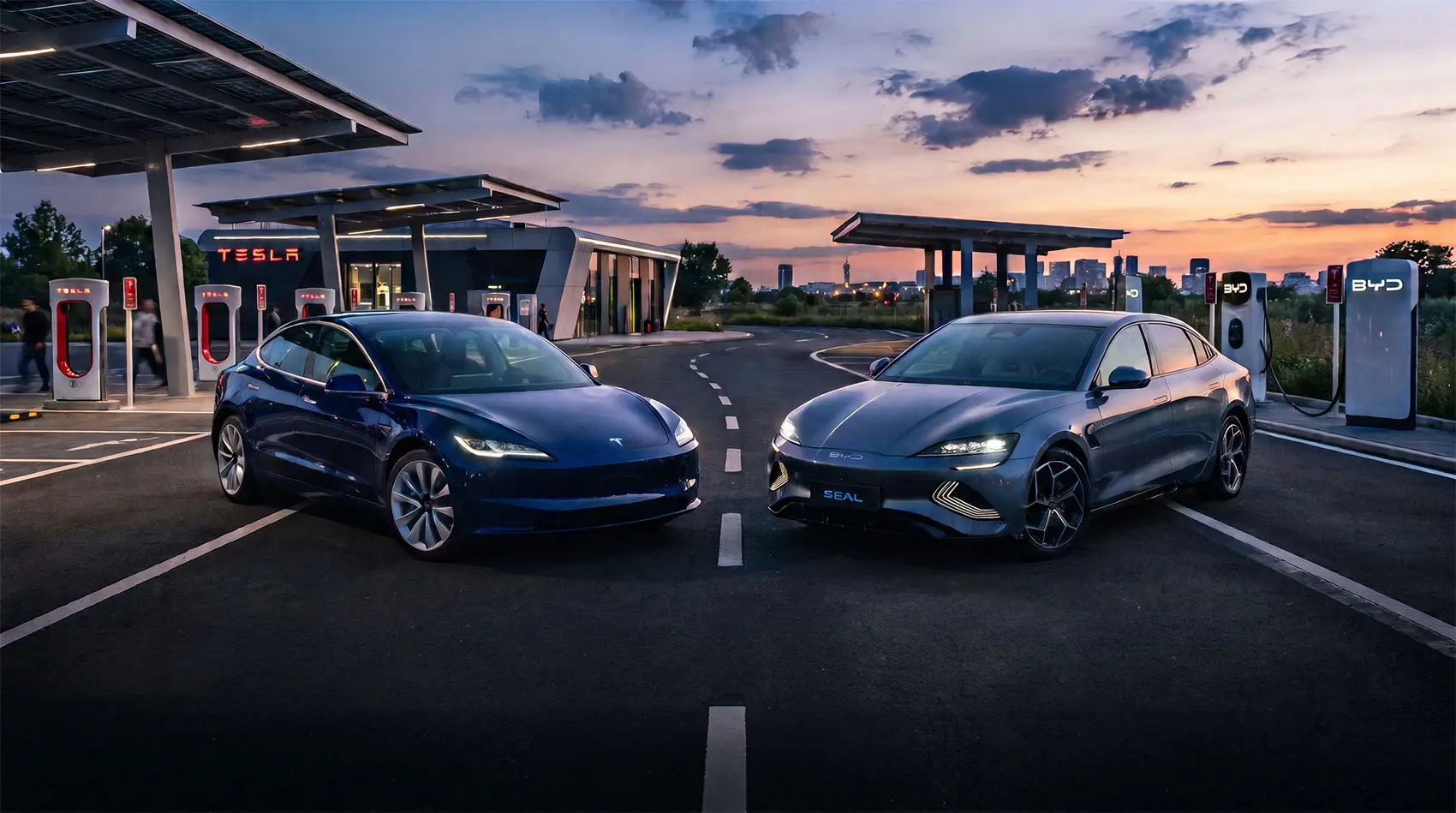
The automotive landscape is undergoing a massive paradigm shift, and nowhere is this more evident than in the explosive growth of all-electric sedans. For years, if you wanted a sleek, high-performing electric vehicle that could seamlessly handle the daily grind of bumper-to-bumper traffic, highway cruising, and unpredictable weather, your options were somewhat limited. Today, however, the segment is fiercer than ever, led globally by the undisputed pioneer, the Tesla Model 3, and the formidable challenger from China, the BYD Seal.
Choosing a daily driver requires a different set of priorities than buying a weekend sports car. When you spend an hour or two every single day behind the wheel navigating rush-hour congestion, running errands, and parking in tight urban spaces, comfort, efficiency, and usability take center stage. You need a vehicle that minimizes range anxiety, treats your lower back kindly over potholes, offers intuitive tech that doesn't distract you from the road, and keeps your running costs remarkably low.
The Tesla Model 3, especially with the recent comprehensive refresh, has long reigned supreme as the benchmark for efficiency, charging infrastructure, and minimalist tech integration. Yet, the BYD Seal enters the arena with an aggressive design philosophy, innovative cell-to-body structural battery technology, and a cabin that prioritizes traditional luxury and tactile comfort. As these two electric titans battle for supremacy on global roadways, prospective buyers are left wondering: which one truly deserves the coveted spot in your garage as your ultimate daily commuter? Over the following sections, we will break down everything from real-world range and charging behavior to suspension tuning and interior ergonomics to help you make the right choice.
Design, Dimensions, and Cabin Space
When evaluating an electric vehicle destined for daily commuting duties, exterior dimensions and packaging efficiency dictate how easy it is to live with on a day-to-day basis. Maneuvering through narrow city streets, squeezing into compact parking garages, and navigating tight multi-story parking structures require a vehicle that balances interior spaciousness with an agile footprint. Both the Tesla Model 3 and the BYD Seal are mid-size electric sedans, but their design philosophies and packaging approaches yield distinctly different real-world experiences.
The Tesla Model 3, especially following its recent styling update, boasts a sleek, aerodynamic profile that minimizes drag while maximizing highway efficiency. Its compact overhangs and low cowl line make front visibility exceptional. Parking the Model 3 is straightforward due to its clean lines and minimalist camera-based spatial awareness. Stepping inside, the cabin is famously minimalist, stripped of traditional buttons, stalks, and instrument clusters. Everything is centralized onto the 15.4-inch central touchscreen. While this creates an airy, futuristic, and uncluttered atmosphere, it does require a slight learning curve for basic climate adjustments. Storage is abundant, featuring a deep center console, a massive under-floor compartment in the trunk, and a practical front trunk (frunk) that swallows charging cables or small gym bags effortlessly.
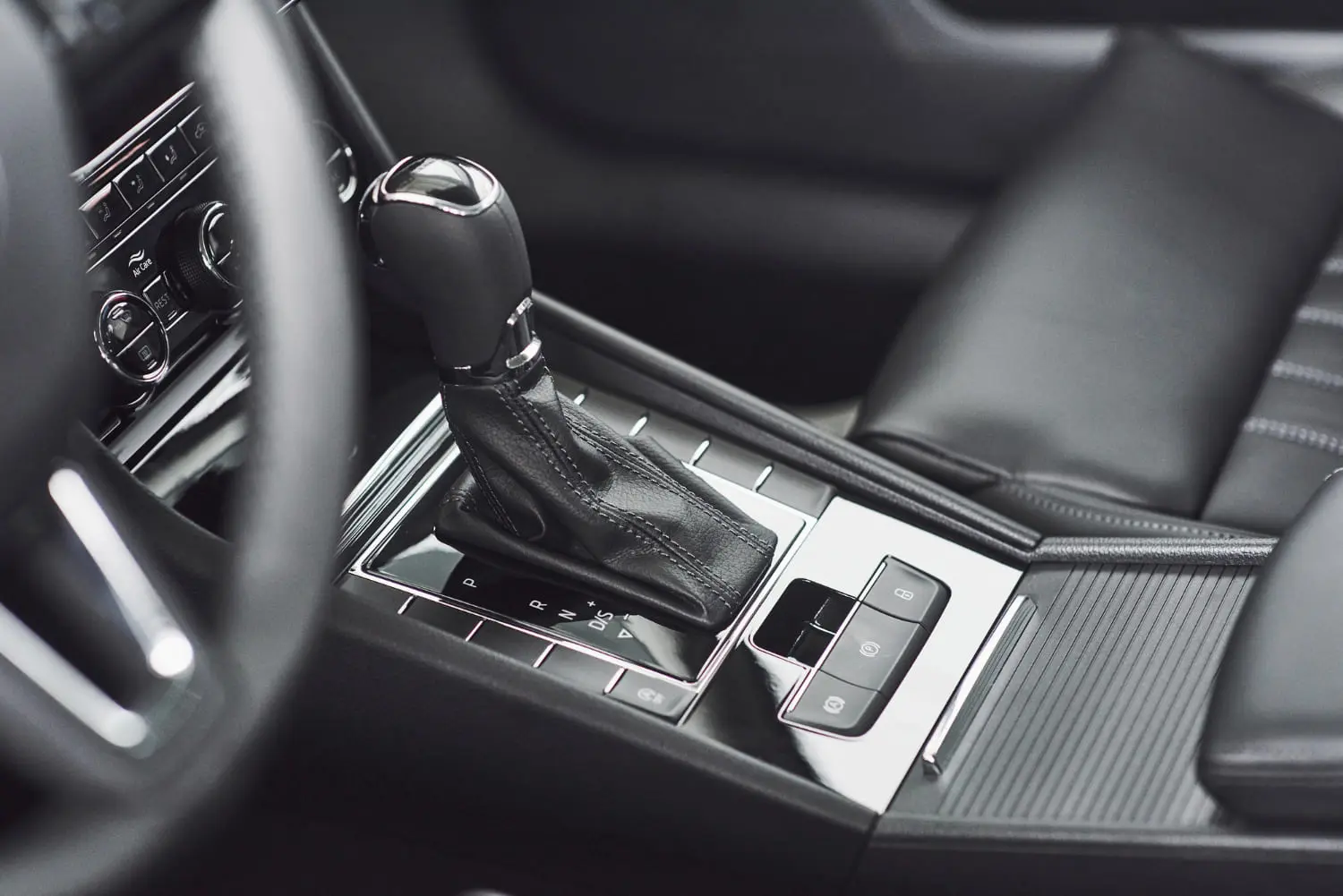
On the other side of the spectrum, the BYD Seal embraces a more fluid, ocean-inspired design language with aggressive curves, sharp LED light signatures, and a slightly longer, wider stance. Because of its generous dimensions, the Seal offers fantastic rear legroom, feeling almost limousine-like for adult passengers in the back. However, that extra width requires a little more caution when squeezing into tight parallel parking spots in congested urban areas. Inside, the BYD Seal opts for a more traditional layout infused with modern luxury. You get physical buttons on the center console surrounding a crystal gear selector, a driver-facing digital instrument cluster behind the steering wheel, and a rotating 15.6-inch infotainment screen. The seats feature quilted leather styling with ventilation and heating, offering a plush, welcoming environment that feels closer to a high-end European executive saloon. Cargo capacity is well-utilized, featuring a deep trunk and a functional frunk, though the layout leans slightly more toward passenger luxury than raw utility compared to the Model 3's cavernous hidden storage wells.
Battery Technology, Range, and Real-World Efficiency
When transitioning to an all-electric daily commuter, battery technology and real-world efficiency dictate how often you will find yourself tethered to a public charger versus effortlessly topping up overnight at home. While manufacturer-claimed range numbers look fantastic on glossy brochures, daily commuting introduces variable real-world factors: stop-and-go gridlock, heavy HVAC usage during freezing winters or scorching summers, and sustained high-speed highway running. Both the Tesla Model 3 and the BYD Seal utilize advanced battery chemistries, but their underlying architectures and thermal management approaches lead to distinct performance profiles.
The Tesla Model 3 has long set the gold standard for pure energy efficiency. Whether equipped with the Lithium Iron Phosphate (LFP) pack in the rear-wheel-drive variant or the Nickel Cobalt Aluminum (NCA) chemistry in the Long Range model, Tesla's powertrain software squeezes every possible mile out of each kilowatt-hour. On a daily commute characterized by heavy urban traffic, Tesla's aggressive regenerative braking allows for true one-pedal driving, seamlessly capturing kinetic energy and feeding it back into the pack. Real-world testing consistently shows that the Model 3 achieves close to its EPA-rated range under mixed driving conditions, making it an exceptionally predictable vehicle for planning weekly commutes without range anxiety.
Meanwhile, the BYD Seal brings its proprietary Blade Battery technology to the forefront, utilizing an LFP chemistry arranged in a cell-to-body (CTB) structural format. The Blade Battery is globally renowned for its exceptional safety profile, passing the grueling nail penetration test without catching fire or smoking, and its incredible longevity under heavy thermal stress. For daily commuting, the Seal provides a robust and reliable energy reservoir that degrades very slowly over years of high-cycle charging. While its overall energy efficiency per mile trails the ultra-aerodynamic Tesla Model 3 by a slight margin, the Seal makes up for it with a generous real-world range buffer in its top-tier variants. During high-speed highway segments, both cars experience the expected aerodynamic and thermal drag, but the Model 3 maintains a slight edge in maintaining lower watt-hour-per-mile consumption, keeping your electricity costs at an absolute minimum week after week.
Charging Infrastructure and Speed
When evaluating an electric vehicle for daily commuting, charging convenience and speed are arguably just as critical as raw range. Even the most efficient battery pack will eventually need replenishment, and how seamlessly that process fits into your daily routine can make or break your ownership experience. Whether you are relying on overnight home charging or taking advantage of public fast chargers during a hectic workday, the Tesla Model 3 and the BYD Seal approach power delivery with distinct technical advantages.
The Tesla Model 3 benefits immensely from the legendary Tesla Supercharger network. For daily commuters who occasionally face unexpected long drives, road trips, or forget to plug in overnight at home, having access to thousands of V3 and V4 Superchargers globally means rapid turnaround times, often adding up to 170 miles of range in just 15 minutes. Even better, the charging experience is entirely frictionless: you simply pull up, plug in, and the car communicates with the charger automatically without needing an app or a physical card. For home charging, the Model 3 handles AC Level 2 charging effortlessly, easily topping up overnight using a standard wall connector. Furthermore, its thermal management system aggressively pre-conditions the battery when navigating to a fast charger, ensuring optimal charging curves even during freezing winter commutes.
The BYD Seal relies on the CCS public charging standard, which has expanded rapidly worldwide, making public charging widely accessible across various network providers. The Seal supports impressive DC fast-charging speeds (typically up to 150 kW depending on the specific trim), allowing you to replenish from 10% to 80% in roughly 30 to 40 minutes. While it may not match the peak charging speeds or the ultra-seamless plug-and-charge ecosystem of the Tesla Supercharger network in certain regions, the Seal compensates with brilliant AC home-charging capabilities and vehicle-to-load (V2L) functionality. The V2L feature is a massive bonus for daily users, allowing you to power household appliances, laptops, or camping gear directly from the car's high-voltage battery. Both vehicles manage thermal regulation well during daily top-ups, but Tesla's deep software integration into the charging ecosystem gives it a slight edge in absolute convenience for the harried commuter.
Ride Comfort, Suspension, and Handling
When spending an hour or more behind the wheel navigating daily gridlock, rough urban tarmac, and weathered city infrastructure, ride comfort and chassis tuning matter just as much as battery range. A vehicle that feels thrillingly firm on a pristine racetrack can quickly become fatiguing when every minor pothole, expansion joint, and speed bump sends jarring shocks straight into your spine. Both the Tesla Model 3 and the BYD Seal offer modern multi-link suspension setups, but their engineering philosophies deliver contrasting physical experiences on the road.
The Tesla Model 3—particularly following revisions introduced in the Highland refresh—has evolved significantly from its earlier, notoriously stiff iterations. Tesla engineers reworked the damping, bushings, and spring rates to offer a more compliant, mature ride quality. On smooth tarmac and high-speed motorways, the Model 3 glides with exceptional stability. However, when tackling urban environments riddled with sharp potholes, patched asphalt, and aggressive speed bumps, the suspension still leans toward the firmer side. This translates to precise, sports-sedan handling when you want to carve through corners, but it transmits more of the road's imperfections into the cabin. The steering is direct and heavily responsive, making darting into small gaps in traffic effortless, though it requires a bit more active steering correction on rough roads.
The BYD Seal approaches daily ride comfort with a distinctly plush, luxury-oriented calibration. Thanks to its CTB (cell-to-body) architecture and frequency-selective damping system, the Seal absorbs urban irregularities, uneven surfaces, and deep potholes with a noticeable level of composure. The cabin remains remarkably isolated from harsh road impacts, reducing driver fatigue during long daily commutes in heavy traffic. On the handling front, the Seal offers a planted, secure feel, though its steering is slightly more isolated and comfort-tuned compared to the sharper, more direct feedback of the Model 3. For commuters whose daily routes resemble a lunar landscape of construction zones and poorly paved roads, the BYD Seal provides a softer, more forgiving sanctuary.
Running Costs and Conclusion
When all is said and done, choosing between the Tesla Model 3 and the BYD Seal for your daily commute ultimately boils down to how you calculate total cost of ownership (TCO) and which daily compromises you are most willing to live with. While the initial purchase price can vary significantly depending on your global market, examining the long-term running costs electricity consumption, maintenance intervals, insurance, and depreciation reveals a fascinating financial picture for the everyday driver.
On the maintenance and energy front, the Tesla Model 3 continues to leverage its industry-leading aerodynamics and powertrain efficiency to keep energy consumption to a minimum. Tesla’s philosophy of condition-based servicing means you aren't locked into mandatory annual dealer visits just to keep your warranty valid, though you will want to check cabin air filters and brake fluid periodically. On the flip side, the BYD Seal often requires scheduled annual checkups or capped-price servicing intervals to maintain its comprehensive vehicle warranty. However, depending on the region, the Seal frequently claws back financial ground with a more accessible initial sticker price and high levels of standard equipment (such as premium audio systems and ventilated seating) that require expensive package upgrades on the Tesla side. Insurance premiums can skew slightly higher for Tesla due to repair complexities and parts availability, whereas depreciation trends tend to favor the Model 3's strong brand cachet over the long haul.
In conclusion, both of these all-electric sedans redefine what it means to survive and thrive in a daily commute, but they cater to distinct driving personalities. Choose the Tesla Model 3 if your daily routine values bleeding-edge software updates, unbeatable energy efficiency, the seamless convenience of the Supercharger network, and maximum cargo flexibility. Choose the BYD Seal if your daily commute demands a plush, forgiving ride over rough urban roads, traditional cabin ergonomics with physical controls, a bulletproof Blade Battery structure, and a high-end luxury feel right out of the box.

Written by Maarukh Shahbaz
Published Jul 22, 2026 in Comparisons.