Not long ago, a car was mostly a machine made of metal, rubber, and an engine. What it could do on the day you bought it was what it could do until the day you sold it. Today, that idea is changing fast. Many new cars now get better over time, just like your phone, because software controls more of how they drive, feel, and behave.
This new type of car is called a software-defined vehicle, or SDV. In this guide, we will explain what a software-defined vehicle is, how it works, what it means for you as a driver, and the risks you should know about. By the end, you will understand why your next car will likely be one of the smartest computers you own.
What Is a Software-Defined Vehicle?
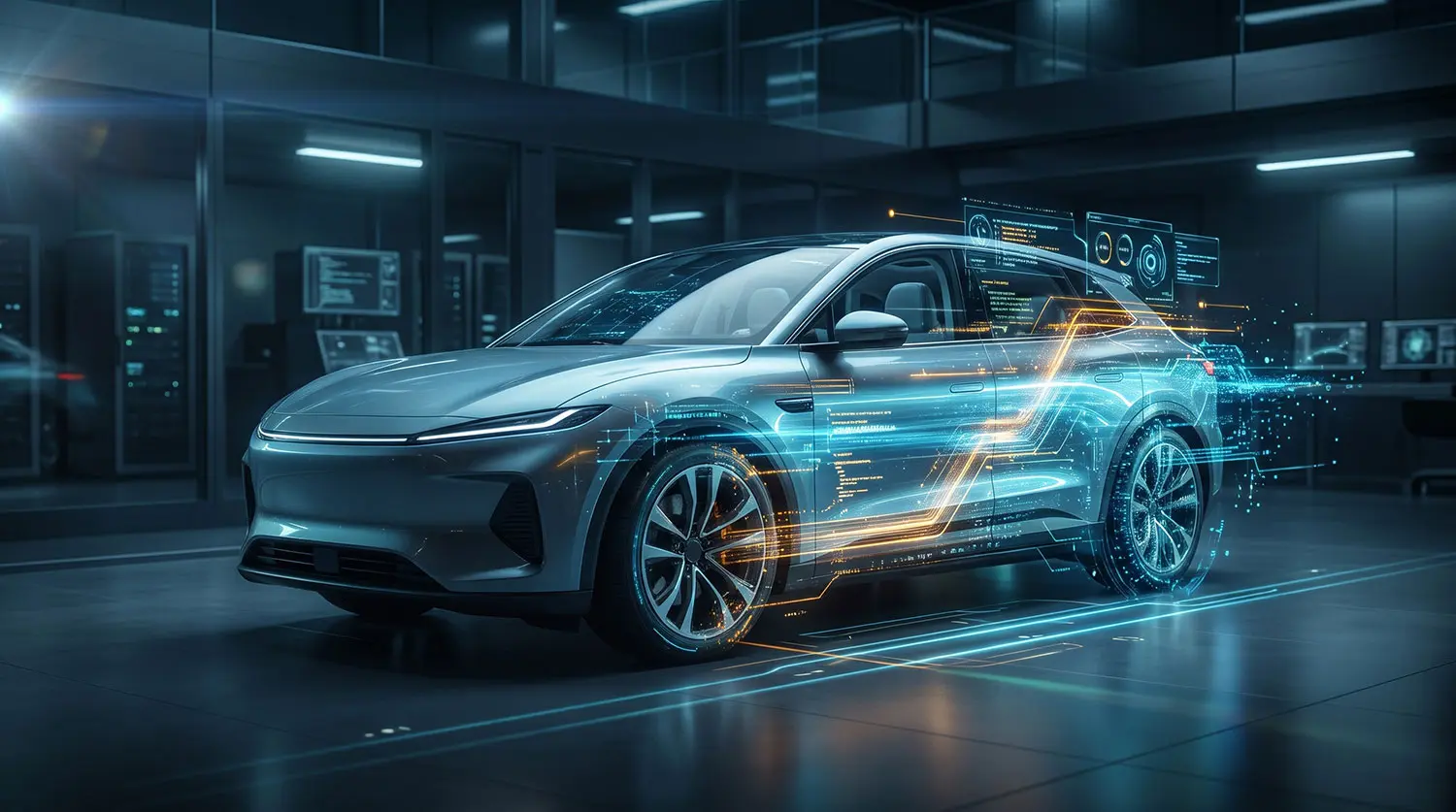
A software-defined vehicle is a car where software, not fixed hardware, controls most of its main functions. Things like braking feel, battery management, driver assistance, lighting, and even the sound system are run by code. Because of this, the carmaker can change or improve these functions long after the car leaves the factory.
The easiest way to understand it is to compare a flip phone with a smartphone. A flip phone did a few things and never changed. A smartphone keeps getting new apps, fixes, and features. Software-defined vehicles bring that same smartphone idea to the car parked in your driveway.
Traditional Cars vs. Software-Defined Vehicles
In a traditional car, each feature usually has its own small computer, called an electronic control unit or ECU. A modern car can have dozens of these units, sometimes more than 100, each made by a different supplier and running its own code. They work well, but they are hard to update, and most can only be changed by a technician at the dealership.
A software-defined vehicle works differently. Instead of many separate boxes, it uses fewer but more powerful computers that talk to each other. This makes it much easier for the carmaker to send one update that improves many parts of the car at the same time, without you ever visiting a service center.
The Central Computer That Runs Everything
At the heart of most SDVs is a central computer, often called a high-performance computer. It works like the brain of the car. Engineers also group the sensors and controls by location, such as front, rear, left, and right. This setup is called zonal architecture, and it cuts down on heavy wiring while making the car simpler to manage.
This central brain runs a vehicle operating system, much like Windows on a laptop or Android on a phone. Tesla led the way with this approach, and brands like BMW, Mercedes-Benz, GM, Hyundai, and BYD are now moving their cars onto similar software platforms. Over the next few years, most new cars will follow the same path.
Why Carmakers Are Making the Switch
Carmakers are not moving to software just because it sounds modern. Building a car with fewer, smarter computers can lower costs, reduce wiring, and make production simpler. It also lets engineers fix problems faster. Instead of waiting years for a new model, they can improve the car that is already on the road with a single update sent to thousands of vehicles at once.
Software also gives carmakers a new way to earn money and stay connected with customers. In the past, a brand made most of its money on the day of the sale. Now it can keep offering upgrades, apps, and services for the whole life of the car. Experts at IBM even expect that most new car innovations by 2030 will come from software, not hardware.
How Software Is Changing the Way You Own a Car
The biggest change with software-defined vehicles is that the car you buy is not the final version. It can keep improving for years. This changes how drivers think about value, maintenance, and even when to upgrade to a newer model.
It also changes your relationship with the carmaker. In the past, the brand mostly heard from you when you came in for service. Now your car stays connected, and the company can fix problems, add features, and offer new services directly through the internet.
Over-the-Air Updates
Over-the-air updates, often called OTA updates, let your car download new software through a mobile network or Wi-Fi. You park the car, accept the update, and it installs, often overnight. Industry estimates say more than half of new vehicles now support OTA updates, and some brands push them very often. Chinese carmaker BYD reportedly delivered around 200 updates in 2025 alone.
These updates can fix bugs, improve battery range, make the touchscreen faster, or even handle safety recalls without a trip to the dealer. That saves you time and keeps your car feeling fresh. Hyundai Motor Group, for example, set a goal to make all its vehicles, including gas models, ready for OTA updates.
Features on Demand
Software-defined vehicles also make features on demand possible. This means some hardware is already built into the car, but it is switched on or off with software. You might unlock extra driver assistance, a sport driving mode, or better navigation by paying a one-time fee or a monthly subscription.
For buyers, this can be helpful. You can start with a lower price and add features later only if you really need them. A used car buyer could also upgrade a car that the first owner never fully unlocked. The flexibility is real, but as we will see, it also raises some fair questions.
Smarter Safety and Driver Assistance
Modern safety systems depend heavily on software. Features like automatic emergency braking, lane keeping, and adaptive cruise control use cameras and sensors, but the software decides what to do with that information. When the software improves, the safety features can improve too.
Carmakers can study data from many cars on the road and use it to make their systems better at spotting people, bikes, and other vehicles. In a software-defined vehicle, those improvements can reach your car through a simple update. This is one reason experts believe SDVs will play a major role in the future of self-driving technology.
The Downsides You Should Know About
Software-defined vehicles bring many benefits, but they are not perfect. When a car becomes a computer, it also picks up some of the same problems computers have. Buyers should understand these issues before signing any paperwork.
Some of these concerns are about money, while others are about safety and privacy. None of them are reasons to avoid SDVs completely, since almost every new car is moving in this direction. But knowing about them helps you make a smarter choice and ask better questions at the dealership.
Paying Monthly for Features
Many drivers do not like the idea of paying every month for something already built into their car. BMW faced strong criticism when it tried charging a subscription for heated seats in some markets, and it later dropped that plan. Tesla also charges a monthly fee for its Full Self-Driving software.
Small monthly fees can add up to a large amount over the years. Before you buy, check which features are included for life and which ones need a subscription. Also ask whether paid features stay with the car if you sell it, because this can affect resale value.
Cybersecurity and Data Privacy
A car connected to the internet can be a target for hackers, just like a computer. Security firm Upstream reported 494 public automotive cyber incidents in 2025. Researchers have also shown how some paid car features could be unlocked without paying. To fight this, carmakers now follow rules such as UN R155 and R156, which require strong cybersecurity and safe software update systems.
Privacy is another concern. SDVs can collect data about where you drive, how fast you go, and how you use the car. Some of this data helps improve the car, but you should know who can see it. Check the privacy settings in the car and in the brand's app, and turn off any data sharing you do not need.
Software Bugs and Long-Term Support
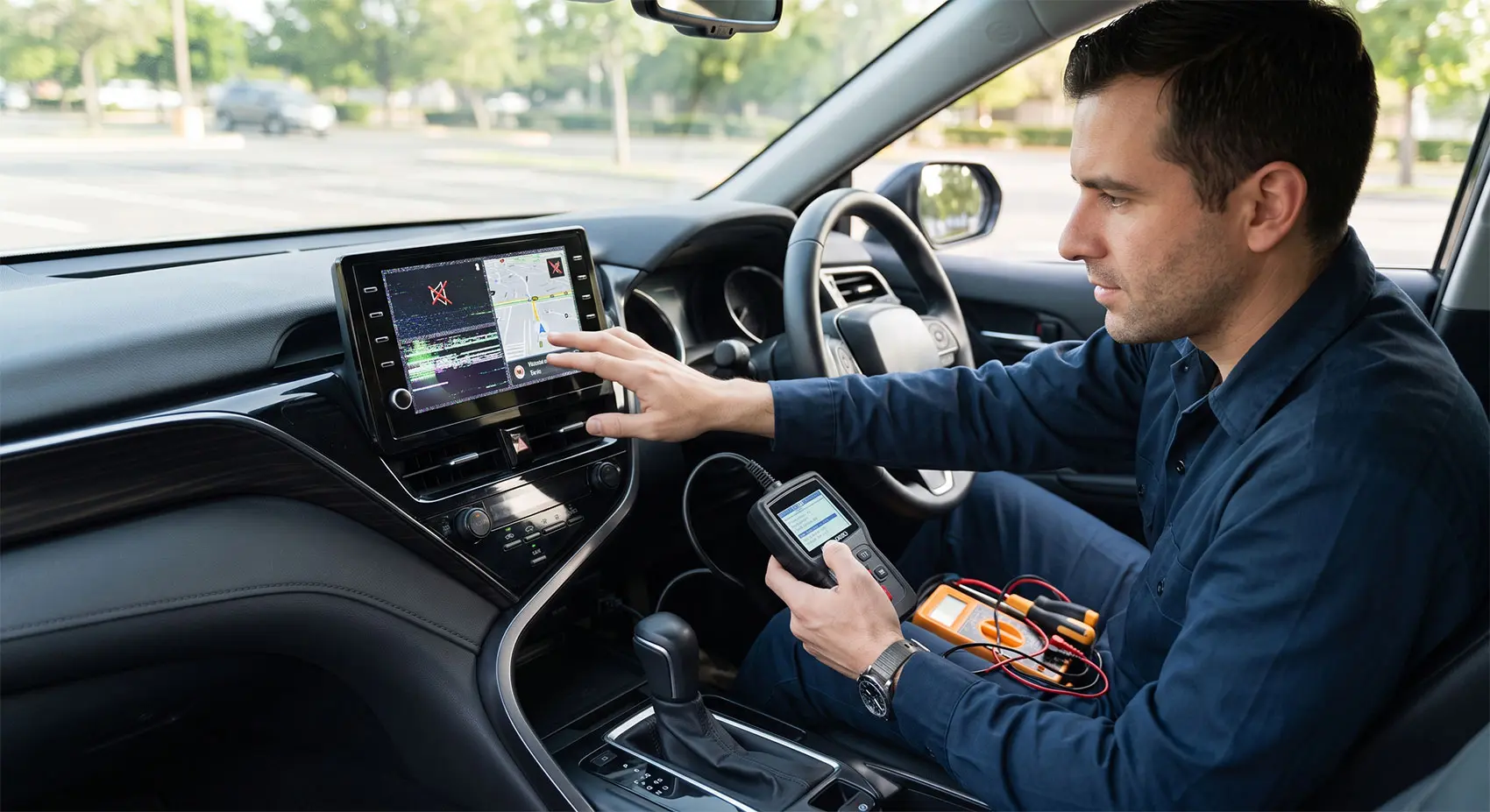
More software also means more chances for software problems. Industry reports show that software-related recalls rose by about 80% in 2024 compared to 2023. A bad update can cause screens to freeze, cameras to fail, or features to stop working until a fix arrives.
There is also the question of long-term support. Phones stop getting updates after several years, and cars could face the same problem. If a carmaker stops supporting your model, it may miss out on new features and security fixes. Independent repair shops may also find it harder to work on cars that need special software tools.
How to Choose a Software-Defined Car the Smart Way
When shopping for your next car, do not only look at the engine, design, and price. Pay attention to the software too, because it will shape your daily driving experience for years. A great car with weak software can quickly become frustrating to live with.
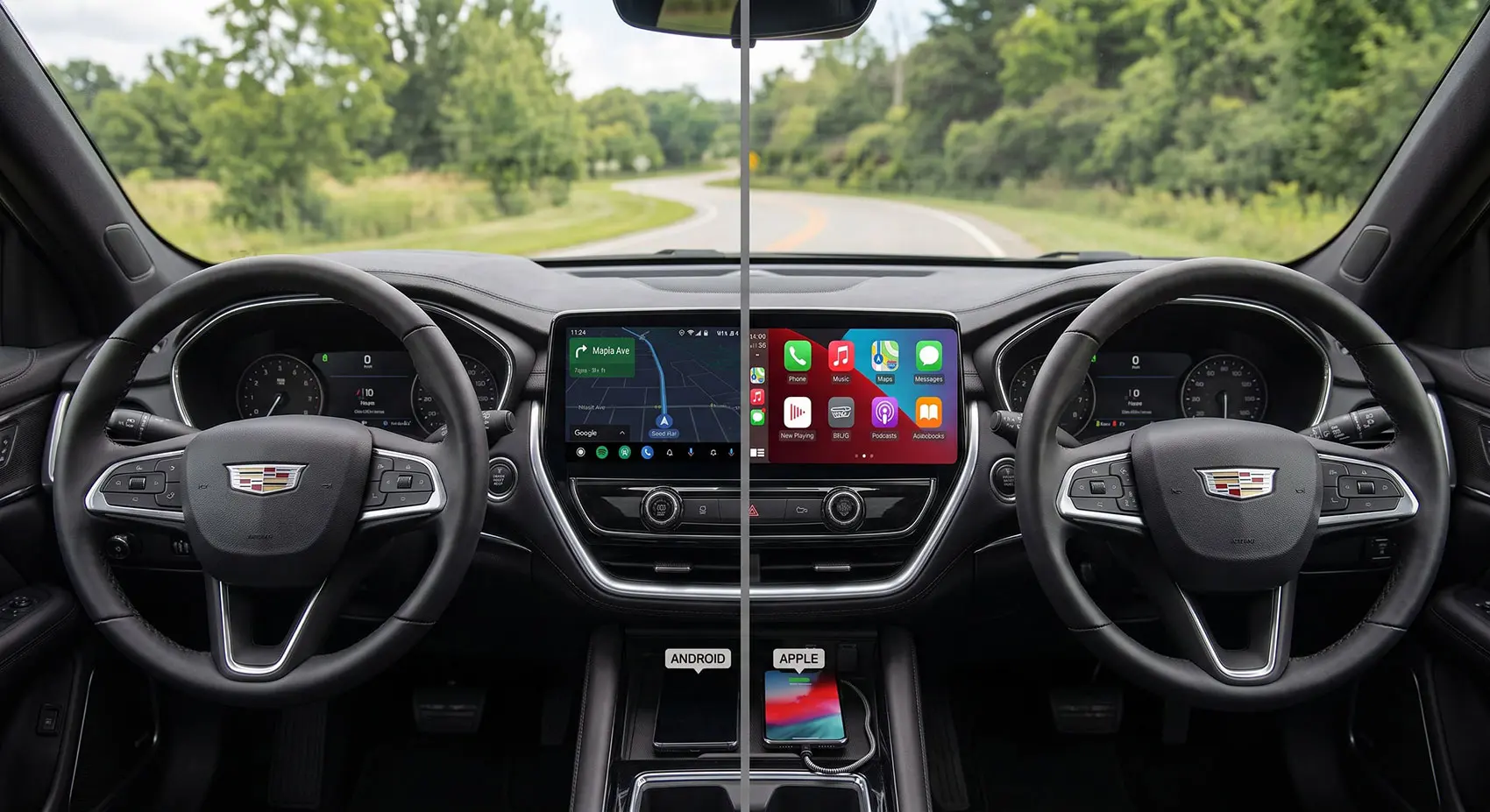
Take time during the test drive to use the touchscreen, voice controls, phone connection, and driver assistance features. Notice whether the system feels quick and easy, or slow and confusing. A good software experience should feel simple, not like a puzzle you have to solve every day.
Questions to Ask Before You Buy
Ask the dealer how often the brand releases OTA updates and whether they are free. Find out how many years the car will receive software and security support. Ask which features need subscriptions, how much they cost, and whether those features transfer to the next owner.
You should also read reviews from real owners about software reliability. Look for complaints about frozen screens, failed updates, or poor app support. A brand with a strong record of regular, useful updates is usually a safer choice than one that rarely improves its cars after the sale.
Signs a Brand Takes Software Seriously
Some carmakers clearly treat software as a core part of the car, while others are still catching up. A good sign is a brand that shares clear release notes for every update, so owners know exactly what changed. Another good sign is a phone app that works smoothly, gets regular updates, and lets you check charging, lock the doors, or start the climate control without trouble.
You can also look at how the brand handles problems. Does it fix bugs quickly through updates, or does it ask owners to visit the dealer for every small issue? Brands that fix software problems remotely and quickly will save you time and stress. Before you buy, spend a few minutes reading owner forums and recent reviews to see how happy current drivers are with the software.
Conclusion
Software-defined vehicles are changing what it means to own a car. Instead of a machine that slowly gets older, your car can now improve with updates, gain new features, and fix problems right in your driveway. That is why it is fair to say your next car is basically a computer on wheels.
Still, smart buyers should look at both sides. Subscriptions, cybersecurity, privacy, and long-term support all matter. If you understand how SDVs work and ask the right questions before buying, you can enjoy the benefits of this new technology while avoiding most of its downsides.

Written by Kousar Shabbir
Published Oct 29, 2026 in Auto Tech.