
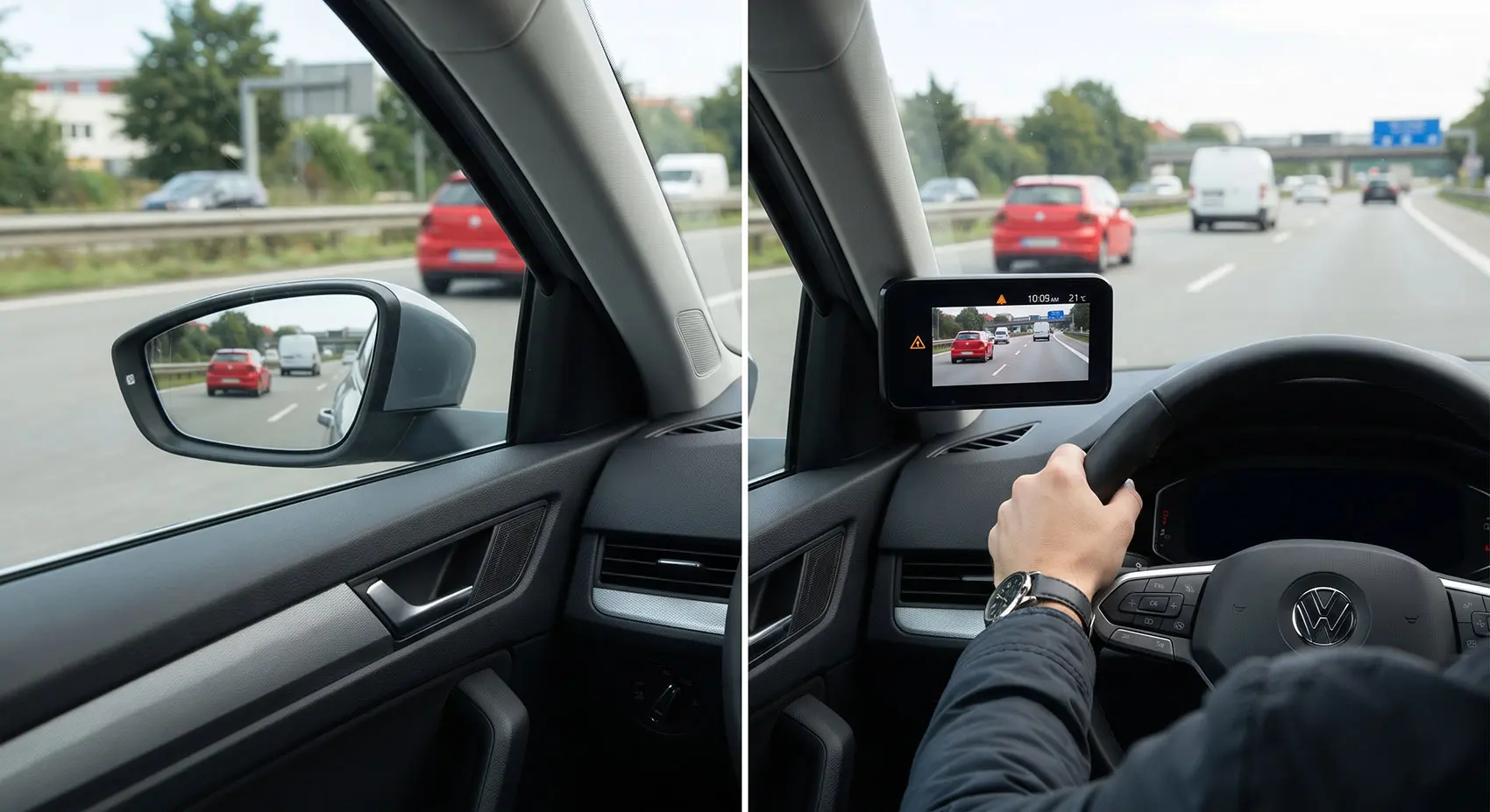
Every time you change lanes, back out of a parking spot, or check the car behind you, you trust your mirrors. For more than a hundred years, that meant a simple piece of glass. Today, many new cars and trucks come with a screen instead. This is the smart digital mirror, and it is changing the way drivers see the road behind them.
Car companies like Toyota, Lexus, Nissan, GM, and Ford now offer digital rearview mirrors on many models. You can also buy one online and fit it in almost any car. Sellers say these mirrors remove blind spots and make night driving easier. But some drivers, and even eye doctors, say they can be hard to use and may not be safer for everyone.
So which one should you trust? In this guide, we compare smart digital mirrors vs. standard mirrors in simple words. You will learn how each one works, the real safety pros and cons of digital mirrors, where standard mirrors still win, and how to pick the right option for your car, your eyes, and the way you drive.
What Is a Smart Digital Mirror and How Is It Different from a Standard Mirror?
Before we look at safety, it helps to know how each mirror shows you the road. The difference is simple: one reflects light, the other shows a live video.
How a Standard Mirror Works
A standard mirror is a piece of glass with a reflective coating. It shows you what is behind you through the rear window. Your side mirrors do the same thing outside the car. Many modern mirrors also dim on their own at night to cut glare, but they are still just glass. They need no power, no camera, and no software. What you see depends on the size of the mirror, the size of your rear window, and anything sitting in between.
How a Smart Digital Mirror Works
A smart digital mirror uses a camera, usually mounted at the back of the car near the roof or the license plate. The camera sends a live video feed to a screen shaped like a normal rearview mirror. Because the camera sits outside the cabin, the view is not blocked by headrests, passengers, or bags. Most factory models have a small switch under the mirror. Flip it, and the screen turns off and works like a normal mirror again.
The image is processed by a small computer inside the mirror. This computer adjusts brightness, cuts glare, and sharpens the picture many times every second. Some models also let you zoom in, tilt the view up or down, or change the screen brightness with a few taps.
Types of Smart Digital Mirrors
There are three main types you will see on the market:
- Factory digital rearview mirrors. These come built into new cars, such as GM's Rear Camera Mirror or Nissan's Intelligent Rear View Mirror. They usually have a backup mirror mode.
- Aftermarket smart mirrors. These clip over or replace your current mirror. Many also include a front and rear dash cam, touch controls, and a parking camera.
- Camera side mirrors. Here, small cameras replace the outside side mirrors, and screens sit inside the doors or on the dashboard. They are found on some cars and many big trucks in Europe and Asia, but rules about them differ from country to country.
The Safety Pros of Smart Digital Mirrors
The biggest safety win of a digital mirror is simple: you see more of the road behind you. Here are the main benefits.
A Wider View with Fewer Blind Spots
A standard rearview mirror only shows what fits through your rear window. A digital mirror uses a wide-angle camera, so it can show much more of the road. Some makers say the view is two to three times wider than a normal mirror. This helps you spot cars coming up in the lanes next to you, cyclists, and bikes that are easy to miss. For big SUVs, pickup trucks, vans, and RVs, this extra view can make a real difference.
No Blocked View from Passengers or Cargo
We have all been there. The back seat is full, tall headrests block the glass, or the car is packed for a trip. With a standard mirror, your rear view almost disappears. A digital mirror does not care what is inside the car, because the camera sits outside. Parents with car seats, delivery drivers, and anyone towing a trailer or carrying cargo get a full, clear view at all times.
Less Glare and Better Night Vision
Bright headlights behind you can hit a normal mirror and blind you for a moment. That short moment matters at high speed. Digital mirrors use cameras that adjust to light, so strong headlights look softer on the screen. Many cameras also brighten dark scenes, so you can see shapes and cars more clearly on unlit roads.
Clearer View in Rain and Bad Weather
In heavy rain, a rear window can fill with water drops, fog, or dirt. A standard mirror then shows a blurry mess. Many digital mirror cameras are placed where they stay cleaner, and some even have their own washer. Many drivers say the digital mode is most useful on wet days.
Extra Features That Add Safety
Many smart mirrors do more than show the rear view. Some include a dash cam that records the road in front and behind, which helps after an accident. Others add parking lines, zoom, and blind spot alerts. These features can make reversing and lane changes safer when used the right way.
The Safety Cons of Smart Digital Mirrors
Digital mirrors are not perfect. Most seller websites skip these points, but they matter just as much as the benefits.
Eye Focus Problems, Especially for Older Drivers
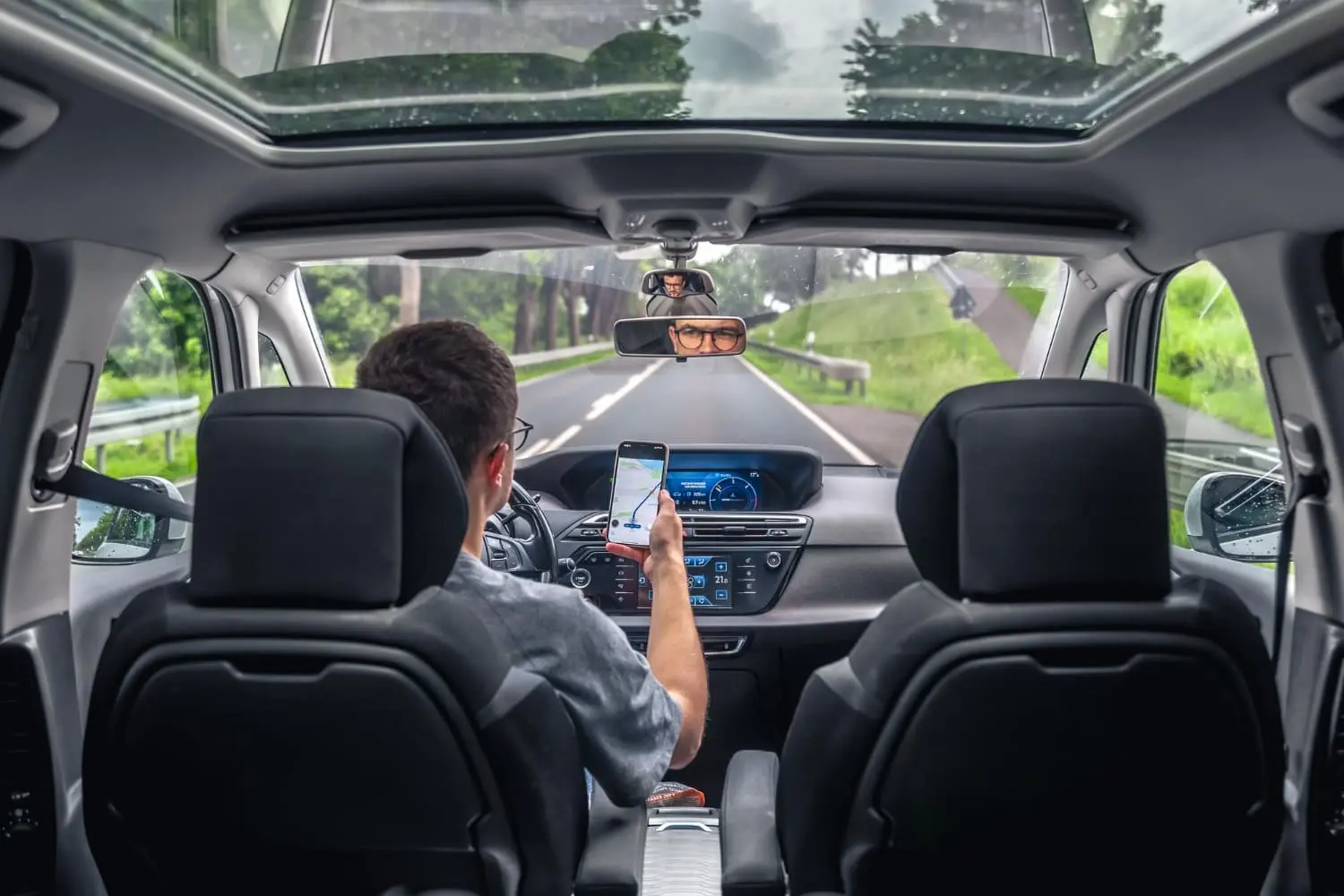
This is the biggest problem, and few people talk about it. When you look into a normal mirror, your eyes focus far away, at the cars behind you. When you look at a digital screen, your eyes must focus on something very close, about an arm's length away. Moving your focus from the far road to a near screen and back again takes time and can tire your eyes.
For many drivers over about 50, the screen can look blurry. This is due to presbyopia, the normal loss of close focus that comes with age. Eye doctors point out that drivers with bifocal or progressive glasses may have to tilt their head to see the screen clearly. That is not something you want to do while driving.
Poor Depth Perception
A screen is flat. It shows a picture, not real depth. This makes it harder to judge how far away a car is or how fast it is closing in. Wide-angle cameras can also make cars look smaller and farther away than they really are. With a standard mirror, your brain reads distance more naturally.
This matters most when you are merging onto a highway or changing lanes in fast traffic. If a car looks farther away than it really is, you may pull out in front of it. Many drivers say it takes a few weeks of practice before they can judge distance well on a digital screen.
A Dirty or Wet Camera Means a Bad View
The camera lives outside the car, so it faces mud, dust, snow, ice, and water. A few drops on a small lens can block a big part of the view. You also cannot move your head to look around a problem, as you can with a glass mirror. The screen only shows what the camera sees.
Screen Glare, Lag and Technical Failure
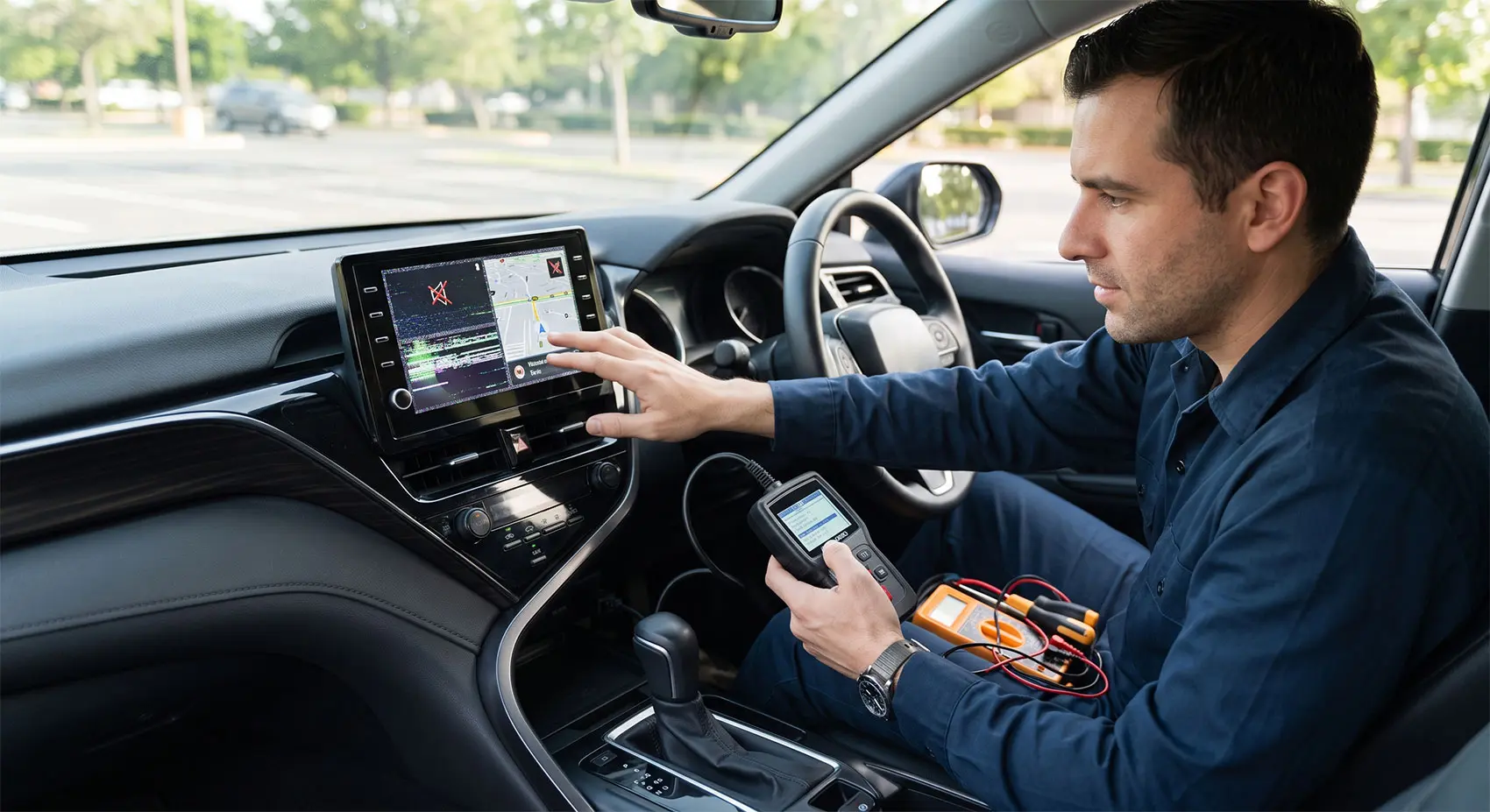
Screens can be too bright at night and pull your eyes away from the road. Strong headlights can also cause "blooming," where light spreads across the screen and hides details. Cheap units may show a small delay, which matters at highway speeds. And like any electronic part, the camera, wire or screen can fail. A glass mirror never runs out of power or needs a software update.
Cost and Legal Limits
Factory digital mirrors often come only on higher trims, and repairs can be costly. Cheap aftermarket units are easy to buy but may not meet safety standards. Rules also differ by country. Europe allows approved camera systems to replace mirrors under the UN R46 rule. In the United States, cars must still have real mirrors under federal safety rules, so a camera usually works alongside a mirror, not in place of one. Check your local law before you remove any mirror.
Smart Digital Mirror vs Standard Mirror: Which Is Safer for You?
There is no single winner. The safer mirror is the one that fits your car, your eyes, and your driving habits.
Side-by-Side Comparison
When you put the two mirrors next to each other, the picture becomes clear. A smart digital mirror gives you a much wider view, while a standard mirror only shows what fits through the rear window. Passengers, headrests, and cargo can block a standard mirror, but they never block a digital one. At night, the digital mirror usually wins too, because it cuts the glare from bright headlights.
The standard mirror wins in other areas. It gives you natural depth, so judging distance and speed feels easy. Your eyes stay focused far away, which is kinder to older eyes. It works without power, it is not affected by a dirty camera, and it costs very little to replace. It is also legal in every country, while camera mirrors are only allowed in some places.
In short, the digital mirror is better at showing more, and the standard mirror is better at being simple and reliable. Neither one is safe on its own if the driver does not use it correctly.
Who Should Choose a Smart Digital Mirror
A digital mirror makes the most sense if you drive a large SUV, pickup, van, or RV with a small or blocked rear window. It is also a smart pick if you often carry passengers or cargo, tow a trailer, or drive a lot at night. Younger drivers with good near vision usually adapt to it quickly.
Fleet owners and taxi or ride-share drivers can also benefit. Their cars are full of people most of the day, and the extra features, like a built-in dash cam, can help with insurance claims after an accident.
Who Should Stay with a Standard Mirror
A standard mirror is often the better choice if you are over 50, wear bifocals or progressive glasses, or find screens tiring. It also suits drivers who want a simple, low-cost option that never fails, and people in places with a lot of mud, snow or dust.
If you drive a small car with a clear rear window and rarely carry passengers, a digital mirror may not add much. A good automatic dimming mirror, well-adjusted side mirrors and a blind spot alert system can give you most of the same safety at a lower cost.
Common Myths About Digital Mirrors
Many people believe a digital mirror removes all blind spots. It does not. It only improves the view behind you, so you still need your side mirrors and a shoulder check. Another myth is that every smart mirror is high quality. Cheap online units often have weak night vision, slow screens, and poor cameras, which can make driving less safe, not more. Finally, some drivers think they can throw away their old mirror. In many countries, including the United States, that is not allowed, and most factory digital mirrors keep a normal glass mode for good reason.
Tips for Using a Digital Mirror Safely
- Pick a model with a manual mirror mode, so you can switch back at any time.
- Keep the rear camera lens clean, especially in winter and rainy weather.
- Lower the screen brightness at night so it does not distract you.
- Give yourself a week or two to get used to it before long highway trips.
- Never rely on one mirror alone. Use your side mirrors and turn your head before changing lanes.
- If the screen looks blurry, talk to your eye doctor before giving up on it.
Conclusion
Smart digital mirrors are a real step forward in car safety. They give you a wider view, remove blind spots caused by passengers and cargo, cut night glare, and stay clear when your rear window is wet. For big vehicles and busy family cars, these are strong reasons to upgrade.
But they also bring new risks. A close screen can be hard on older eyes, depth is harder to judge, a dirty camera can hide the road, and electronics can fail. A standard mirror is still simple, natural to use, and works every single time.
The best choice for most drivers is a mix of both: a digital mirror that can switch back to normal glass, plus well-adjusted side mirrors and a quick look over your shoulder. Choose the mirror that suits your car and your eyes, and keep it clean. In the end, the safest driver is the one who uses every tool with care.

Written by Maarukh Shahbaz
Published Oct 2, 2026 in Auto Tech.



