
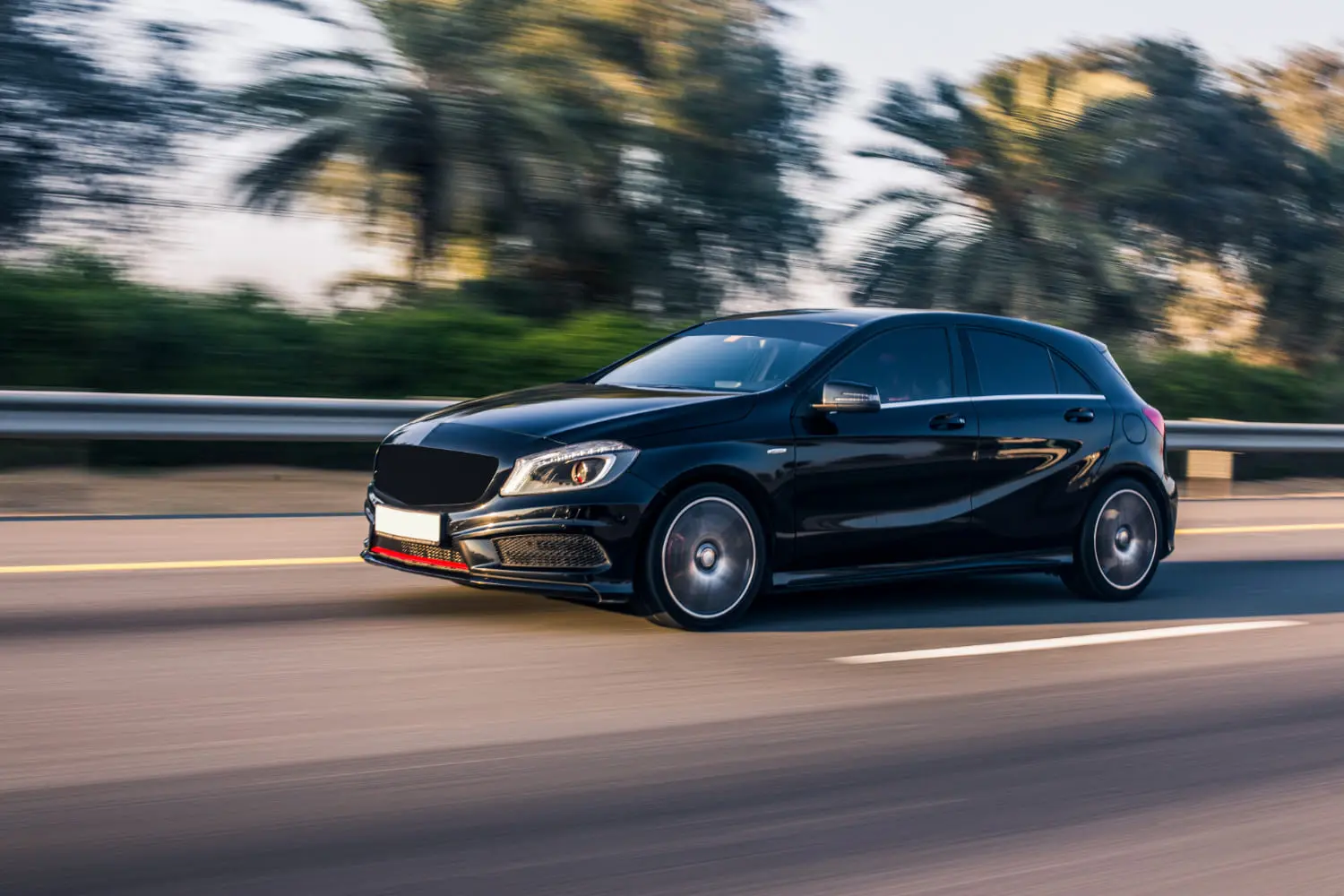
Imagine a car that takes you to the office on Monday in quiet comfort and then gives you a thrilling lap at a race circuit on Saturday. That is the promise of performance compact hatchbacks, often called hot hatches. They are small enough to park in a busy city, practical enough to carry friends and shopping, and fast enough to make you smile every time you press the throttle.
For many drivers, buying a sports car means giving up comfort, space and good fuel economy. A hot hatch removes that hard choice. It mixes the everyday sense of a normal family hatchback with the engine, brakes and handling of a real performance car.
In 2026, the hot hatch world is more exciting than ever. Legends like the Honda Civic Type R and Volkswagen Golf GTI are still going strong. Rally-inspired cars like the Toyota GR Yaris and GR Corolla keep winning new fans. Electric models such as the Alpine A290 are showing what the future may look like.
In this guide, you will learn what makes a compact hatchback a true performance car, how these cars stay comfortable on your daily commute, what they need to handle track days, and which models are worth your money right now.
What Makes a Compact Hatchback a Performance Car?
A performance compact hatchback starts life as a regular hatchback. Engineers then give it more power, sharper handling and stronger brakes, while keeping the practical body that makes hatchbacks so popular. The result is a car that feels special to drive but is still easy to live with.
More Power From Small Engines
Most hot hatches use small turbocharged petrol engines. A turbo pushes extra air into the engine, so a small engine can produce big power without being heavy. For example, the Toyota GR Corolla gets around 300 horsepower from a tiny 1.6-litre three-cylinder engine, while the Honda Civic Type R makes 315 horsepower from a 2.0-litre four-cylinder.
Power in this class usually starts at around 200 horsepower and goes past 400 horsepower in top models like the Mercedes AMG A 45 S. Because these cars are light and compact, even the less powerful ones feel quick on the road.
Sharper Handling and Stronger Brakes
Speed in a straight line is only half the story. A good hot hatch also needs to turn, grip and stop well. That is why these cars get stiffer springs, a lower ride height, wider tyres and quicker steering than the normal models they are based on.
Brakes are also bigger, often with larger discs and stronger calipers. Many models add a limited slip differential, which helps the front wheels share power so the car can pull itself out of corners without spinning a wheel.
A Body Built for Real Life
The final ingredient is the shape. Most hot hatches have four or five doors, a usable back seat and a large boot opening. Fold the rear seats down, and you can carry a bike, a set of tyres or a big supermarket shop. This is what separates a hot hatch from a two-seat sports car, and it is why so many people choose one as their only car.
Daily Commute Comfort: Living With a Hot Hatch Every Day
Most owners spend far more time stuck in traffic than they do on a race track. A great performance hatchback must feel calm and comfortable on a Tuesday morning commute, not just exciting on an empty road. Modern hot hatches are much better at this than older ones.
Adaptive Suspension and Drive Modes
Many hot hatches now come with adaptive suspension. This system changes how firm the dampers feel at the press of a button. In Comfort mode, the car soaks up potholes and speed bumps much better. In Sport or Track mode, it becomes firm and flat for fast driving.
Drive modes also change the steering weight, throttle response, and exhaust sound. This means your car can be quiet and relaxed when you leave home early in the morning, then loud and sharp when you reach a twisty road. If your budget allows, choose a version with adaptive dampers, because they make the biggest difference to daily comfort.
Space for People and Luggage
A hot hatch is still a hatchback at heart. The Honda Civic Type R and Volkswagen Golf GTI both offer four proper seats and a boot that can swallow a weekly shop or airport luggage. This is a big reason why expert reviewers often call the Civic Type R one of the best daily drivers in the performance world.
Smaller cars like the GR Yaris or Mini Cooper are tighter in the back, so check rear seat space if you often carry adults or child seats.
Fuel Economy and Running Costs
Small turbo engines can be quite efficient when you drive gently. The Volkswagen GTI, for example, is rated at around 24 mpg in the city and 32 mpg on the highway in the United States. That is not as good as a basic economy car, but it is far better than most big-engine sports cars.
You should still plan for higher running costs than a normal hatchback. Performance tyres wear faster and cost more, insurance is usually higher, and many models need premium fuel. Budget for these before you buy.
Comfort Features and Safety Tech
Today's hot hatches come with the same comfort features as regular family cars. Expect a touchscreen with Apple CarPlay and Android Auto, climate control, and often heated seats. Most also offer adaptive cruise control and lane-keeping assist, which make long motorway drives far less tiring. You get modern safety and comfort without giving up the fun.
Track Thrills: What Happens When You Take It to a Circuit
The real magic of a hot hatch shows up on a race track. A track day lets you drive your own car at high speed on a closed circuit, safely and legally. Many owners say it is the best way to learn what their car can really do.
Front Wheel Drive or All Wheel Drive?
Most classic hot hatches, like the Civic Type R and Golf GTI, send power to the front wheels. Front Wheel Drive cars are light, simple, and very rewarding when set up well. The Type R in particular is famous for how well it handles big power through the front wheels alone.
All Wheel Drive models, like the Golf R, GR Corolla and GR Yaris, send power to all four wheels. They launch harder, grip better in wet weather, and feel very stable. The choice comes down to your taste, your budget and the weather where you live.
Managing Heat in Brakes, Tyres and Engine
Heat is the biggest enemy on a track day. Hard braking lap after lap makes brakes extremely hot, and overheated brakes can fade, which means the pedal feels soft and the car takes longer to stop. Tyres and engine oil also get much hotter than they ever do on the road.
The smart approach is to drive a few fast laps, then do a slow cool-down lap before you enter the pits. This gives the brakes, tyres and engine a chance to recover and helps your car last the whole day.
Preparing Your Hot Hatch for Its First Track Day
Good preparation makes your first track day safer and more fun. Follow these simple steps:
- Check that your brake pads have plenty of material left, especially at the front.
- Replace old brake fluid with fresh, high-temperature fluid that can handle track heat.
- Check the oil level before you start and again at lunchtime, and carry a spare bottle.
- Remember that tyre pressures rise as tyres get hot, so do not start with them too high.
- Remove loose items from the cabin and boot so nothing flies around under hard braking.
- Bring a helmet, or check if the organiser has one you can hire.
- Book a beginner session or a short lesson with an instructor if one is offered.
Also check your insurance and warranty before the day, because normal car insurance often does not cover track use. Most of all, build your speed slowly and do not worry about faster cars passing you.
Best Performance Compact Hatchbacks to Consider in 2026
Leading car magazines and review sites agree on a strong group of hot hatches this year. Here are the models that best combine daily comfort with track day fun. We picked them based on how well they balance comfort, practicality, performance, and value. Note that availability and prices change from country to country, so check with your local dealer.
Honda Civic Type R
The Civic Type R is often ranked as the best hot hatch you can buy. Its 315 horsepower engine comes only with a six-speed manual gearbox and a limited-slip differential, and its handling is sharp and confident. Even so, it rides well enough, and offers enough space, to be a true everyday car.
Volkswagen Golf GTI and Golf R
The Golf GTI is the car that made hot hatches famous, and it is still one of the most balanced choices. It feels refined, comfortable and well built, with enough speed to make every drive fun. Reports suggest the GTI badge will move to electric power around 2028, so the current car may be one of the last petrol versions.
The Golf R adds more power and All Wheel Drive. It is the grown-up choice for drivers who want high speed in all weather, plus a premium cabin and a large boot.
Toyota GR Corolla and GR Yaris
These two cars were born from Toyota's rally program. The GR Corolla uses a 300 horsepower turbo three-cylinder engine, All Wheel Drive, and a manual gearbox, and it feels raw and exciting. The smaller GR Yaris is even more focused and is loved by track day fans. The trade-off is a firmer ride and less cabin space than a Golf or Civic.
Premium Picks: Mercedes AMG A 35, BMW M135 and Audi RS 3
If you want luxury along with speed, look at the premium German hatches. The Mercedes AMG A 35 makes 306 horsepower and can reach 62 mph in 4.7 seconds. The BMW M135 offers a high-quality cabin and strong all-weather grip. The Audi RS 3 is the fastest of the group, with a unique five-cylinder engine and a top speed of up to 174 mph in some versions.
Electric Hot Hatches: Alpine A290 and Abarth 500e
Electric power is now arriving in the hot hatch world. The Alpine A290 is based on the Renault 5 and makes 220 horsepower in its top GTS version, reaching 62 mph in 6.4 seconds. The Abarth 500e is a small and playful city car with plenty of attitude. Electric hot hatches offer instant torque and low running costs, but long track sessions can drain the battery quickly.
Conclusion
Performance compact hatchbacks prove that you do not need two cars to enjoy both comfort and speed. With adaptive suspension, practical cabins, modern safety tech and powerful turbo engines, the best hot hatches are relaxing on the daily commute and thrilling on a race track.
Your perfect choice depends on how you drive, where you live, and how much you want to spend. If you want the sharpest handling, the Honda Civic Type R is hard to beat. If comfort and refinement matter most, the Volkswagen Golf GTI or Golf R are excellent picks. For rally-style excitement, look at the Toyota GR Corolla or GR Yaris, and for luxury, consider the Mercedes AMG A 35, BMW M135 or Audi RS 3. If you are ready for the future, the Alpine A290 shows that electric hot hatches can be fun too.
Whichever car you choose, take a test drive on both smooth and rough roads, think about running costs, and prepare your car properly before any track day. Do that, and your hot hatch will reward you every single day.


Written by Maarukh Shahbaz
Published Oct 2, 2026 in Car Reviews.



