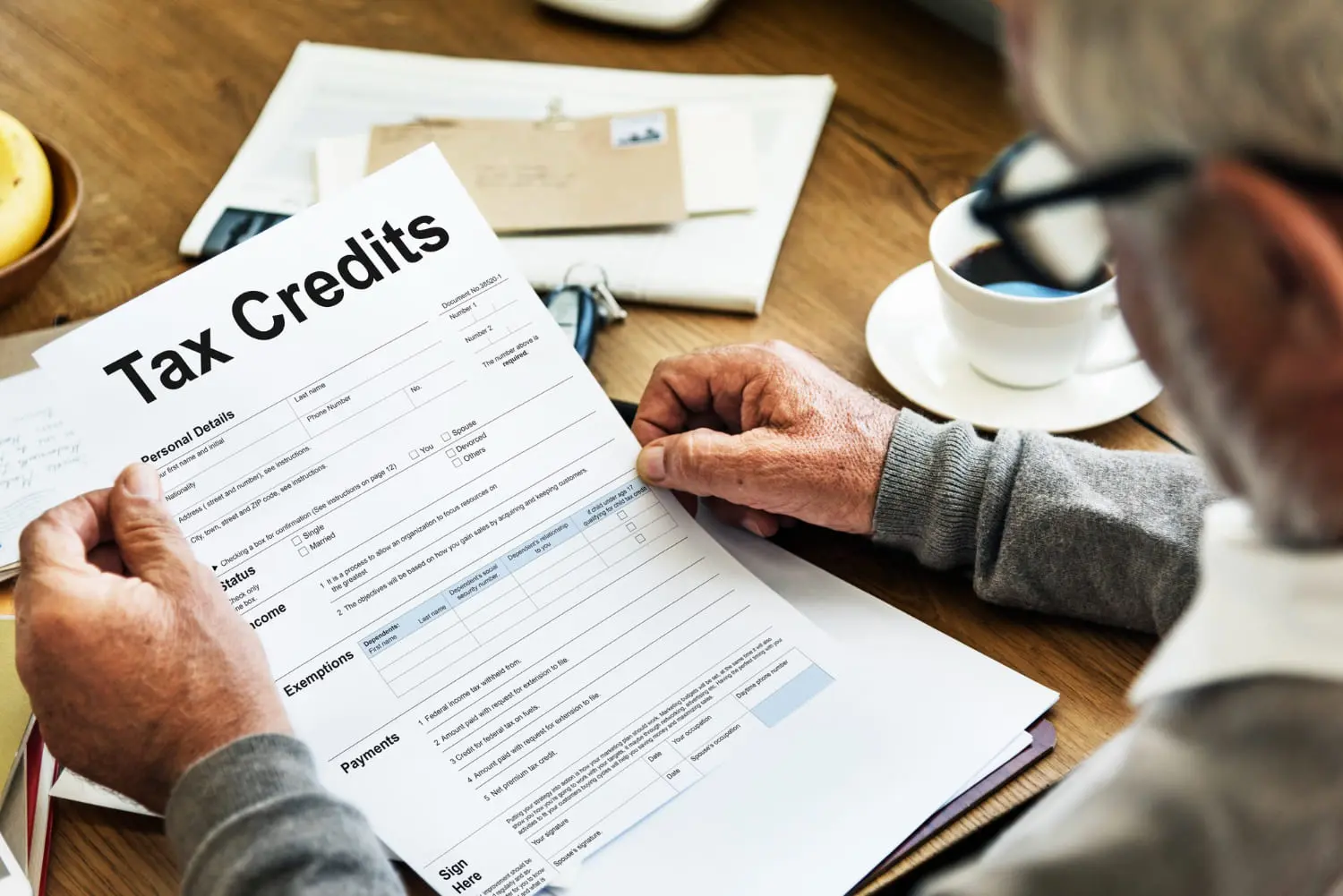
The landscape of electric vehicle (EV) incentives has undergone a dramatic transformation. Following major legislative updates like the One Big Beautiful Bill Act, the federal rules governing green technology and clean vehicle financing have shifted completely. For years, prospective EV buyers relied heavily on the familiar upfront $7,500 new clean vehicle credit and the $4,000 used vehicle credit to bridge the price gap between traditional gas-powered cars and modern electric alternatives. Today, those broad consumer purchase credits have sunsetted for standard acquisitions, prompting many drivers to ask a critical question: do financial incentives still exist for going electric in 2026?
The short answer is yes, but the strategy requires a fresh approach. While traditional point-of-sale subsidies have phased out, savvy automotive consumers can still capture significant savings by looking toward alternative provisions. From targeted auto loan interest deductions designed for domestically assembled vehicles to specialized home infrastructure perks and aggressive regional utility rebates, the modern EV marketplace rewards buyers who understand how to navigate current tax codes. Whether you are eyeing your first battery-electric commuter car or transitioning an entire household fleet, knowing where financial leverage remains is essential for maximizing your return on investment. In this comprehensive guide, we will break down what has changed, what surviving perks you can still claim, and how to position your next vehicle purchase for maximum savings.
What Happened to the Federal EV Purchase Credits?
The most sweeping change to navigate in 2026 is the complete expiration of standard, broad federal purchase credits. Following the implementation of major legislative updates like the One Big Beautiful Bill Act (OBBBA), the familiar $7,500 incentive for new electric vehicles and the $4,000 credit for used clean vehicles have officially sunsetted for standard acquisitions. For years, these point-of-sale subsidies acted as the bedrock of consumer adoption, lowering the immediate barrier to entry and driving massive sales volumes across the United States.
However, because these programs accelerated their timeline and concluded for vehicles acquired after late 2025, buyers entering the market today can no longer count on knocking thousands of dollars off the dealer sticker price purely through the old Section 30D framework. This shift has left many prospective buyers wondering if going electric still makes financial sense.
Despite the expiration of standard purchase subsidies, a critical exception remains: the binding contract rule. If you entered into a written, legally binding purchase contract for a qualified vehicle before the cutoff date and put down a non-refundable deposit, you may still be grandfathered under legacy rules. For everyone else, however, the strategy must pivot away from upfront vehicle credits and shift toward alternative financing structures, domestic loan deductions, and regional infrastructure perks that continue to reward eco-conscious drivers in 2026.
Surviving Perks — The Home EV Charger Tax Credit
While vehicle purchase incentives have changed, home infrastructure support remains robust for drivers looking to charge conveniently at home. The primary vehicle for this savings is the Section 30C Alternative Fuel Vehicle Refueling Property Credit. This federal tax incentive allows homeowners to claim a credit worth up to 30% of the total cost of purchasing and installing a home EV charging station, with a maximum cap of $1,000. For anyone upgrading their residential electrical setup to support a Level 2 charger, this credit significantly offsets hardware and electrician labor costs.
To qualify for the Section 30C credit, however, location matters more than ever. Under current IRS guidelines, the installation property must be located in an eligible census tract that qualifies as either low-income or non-urban. Before purchasing equipment, homeowners should use the official Department of Energy or IRS mapping tools to verify their exact address coordinates. If your property meets the geographic criteria, claiming the credit is handled by filing IRS Form 8911 alongside your annual federal income tax return.
Beyond federal support, combining the Section 30C credit with local utility programs yields the best financial return. Many regional electric companies offer direct cash-back rebates for purchasing specific smart chargers, alongside special overnight electricity rates that make fueling an EV significantly cheaper than filling a traditional gas tank. Navigating these regional perks requires a bit of upfront research, but the compounding savings easily rival the older, broad federal purchase credits of previous years.
Maximizing the New Auto Loan Interest Deduction
While traditional upfront purchase incentives have sunsetted for standard acquisitions, the federal tax code has introduced an innovative, highly valuable mechanism designed to offset financing costs over time: the specialized clean vehicle auto loan interest deduction. Active for clean and traditional vehicle financing on new purchases through 2028, this provision allows qualifying taxpayers to deduct up to $10,000 per year in interest paid directly on a personal auto loan. For electric vehicle buyers who are financing a major portion of their vehicle purchase rather than paying entirely in cash, this above-the-line deduction can translate into substantial annual tax savings, effectively softening the blow of high interest rates and monthly loan burdens.
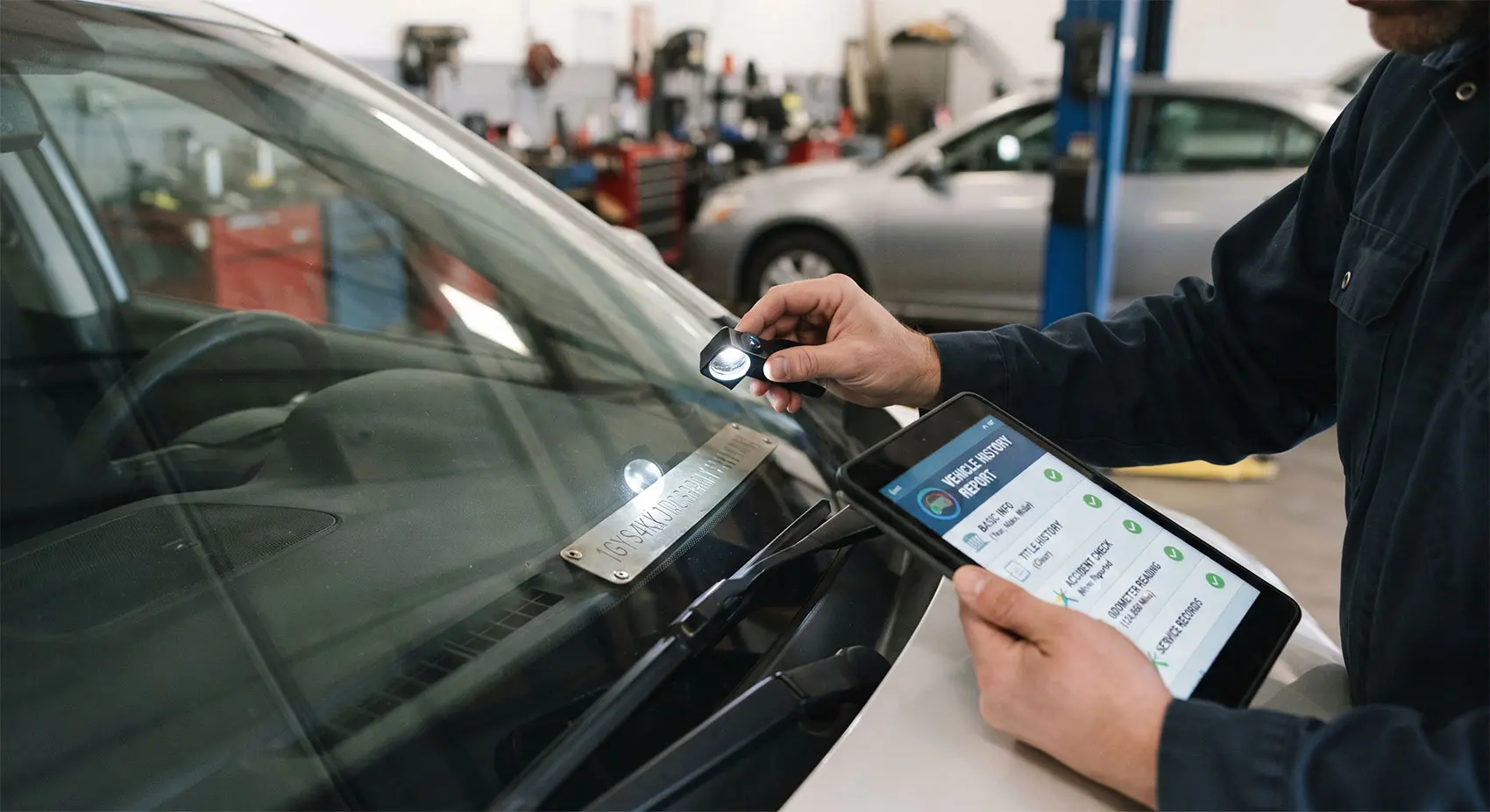
To successfully claim this deduction without triggering an IRS audit or rejection, your vehicle purchase must meet several strict, non-negotiable statutory criteria. First and foremost, the vehicle must be entirely brand new—meaning you must be the original registered owner, and the vehicle cannot have been previously titled or leased to another party. Furthermore, the vehicle must feature final assembly within the United States. Buyers can verify this crucial domestic manufacturing requirement quickly by checking the Vehicle Identification Number (VIN) stamped on the dashboard or door jamb, ensuring it starts with a designated domestic manufacturing digit (typically 1, 4, or 5). Second, the financial agreement must be a secured purchase-money loan specifically originated for personal use through an accredited financial institution or captive lender, rather than a commercial lease or unsecured personal loan.
Additionally, strict income phase-out thresholds apply to keep the incentive targeted toward middle- and lower-income households. The deduction begins to phase out incrementally for single filers with a Modified Adjusted Gross Income (MAGI) exceeding $100,000, and for joint filers surpassing $200,000. When tax season arrives, keeping meticulous records of your monthly financing statements, verifying your vehicle's domestic assembly certification, and filing properly using Schedule 1-A ensures you capture the maximum allowable interest write-off smoothly.
State-Level Rebates and Local Utility Incentives
Because broad federal vehicle purchase subsidies have concluded, regional programs have stepped firmly into the spotlight as the most reliable, high-yield avenue to secure direct cash back on your electric vehicle journey. State governments, regional air quality management districts, and municipal utility companies maintain independent clean transportation and green energy funds that often fly under the radar of average consumers. These local incentives are entirely distinct from federal tax codes, meaning they can frequently be stacked alongside the newly introduced auto loan interest deduction and residential home charger credits to substantially reduce your overall cost of ownership.
For instance, multiple progressive states continue to offer lucrative point-of-sale cash rebates ranging anywhere from $1,000 to over $5,000 for residents purchasing qualifying battery-electric vehicles (BEVs) or plug-in hybrid electric vehicles (PHEVs). These programs are typically structured around strict state-specific MSRP caps, vehicle class limitations, and household income ceilings to ensure that funds target mid-market buyers. Beyond direct cash-back grants at the dealership, regional electric utilities are heavily motivated to encourage widespread EV adoption to balance peak grid capacity and manage localized energy distribution infrastructure efficiently. Consequently, many power providers now offer specialized time-of-use (TOU) electricity pricing structures. These tiered billing models drastically slash the cost of charging your vehicle overnight or during off-peak hours, making refueling an EV significantly cheaper than filling a traditional internal combustion engine vehicle with gasoline.
Additionally, forward-thinking electric providers offer financial kickbacks, direct billing credits, or reduced installation tariffs specifically for setting up smart home chargers, installing dedicated sub-meters, or upgrading residential service panels to handle heavy electrical loads. Before finalizing any vehicle acquisition in 2026, performing a comprehensive review of state-specific clean vehicle portals, regional air district grants, and your local utility provider's incentive page will ensure you do not leave hundreds or thousands of regional dollars on the table.
Conclusion
Navigating the landscape of electric vehicle ownership in 2026 requires a strategic shift in perspective, moving away from reliance on broad federal purchase incentives and toward targeted tax strategies, home energy savings, and regional opportunities. While the sudden expiration of standard point-of-sale purchase credits under legislative updates like the One Big Beautiful Bill Act initially caused concern among prospective buyers, a closer examination of the current tax code reveals a robust ecosystem of financial leverage waiting to be utilized. The modern EV marketplace is no longer about catching a single, massive government discount at the dealership; instead, it rewards informed consumers who build a comprehensive financial strategy combining federal financing deductions, home charging credits, and localized utility programs.
First and foremost, homeowners making the transition to electric driving should prioritize capturing the Section 30C Alternative Fuel Vehicle Refueling Property Credit. By verifying that your property meets the low-income or non-urban census tract criteria, you can claim a federal tax credit covering up to 30% of your home charging infrastructure purchase and installation costs, capped at $1,000. When paired with smart home chargers and specialized overnight time-of-use electricity rates offered by regional utility companies, the ongoing fuel savings compound quickly, drastically lowering your cost per mile compared to traditional combustion-engine vehicles. Furthermore, financing a new, domestically assembled EV opens the door to the valuable auto loan interest deduction. Allowing qualified taxpayers to write off significant annual loan interest, this provision bridges the gap for buyers utilizing auto financing, making eco-friendly transportation exceptionally practical.
Beyond federal provisions, never underestimate the power of state-level rebates and regional municipal incentives. State clean vehicle programs, local air quality districts, and regional power providers frequently offer cash-back kickbacks, registration fee discounts, and high-occupancy vehicle (HOV) lane access that significantly improve the overall economics of your purchase. Stacking these regional perks with federal loan deductions and charger credits ensures you capture maximum financial value at every stage of ownership. Because tax regulations, credit phase-out thresholds based on Modified Adjusted Gross Income (MAGI), and local utility rules change dynamically, partnering with a qualified tax professional before finalizing your acquisition is always a wise investment. By taking a proactive, multifaceted approach, you can successfully navigate the 2026 EV landscape, secure substantial savings, and drive into the future with absolute financial confidence.


Written by Maarukh Shahbaz
Published Jul 29, 2026 in Auto News.