
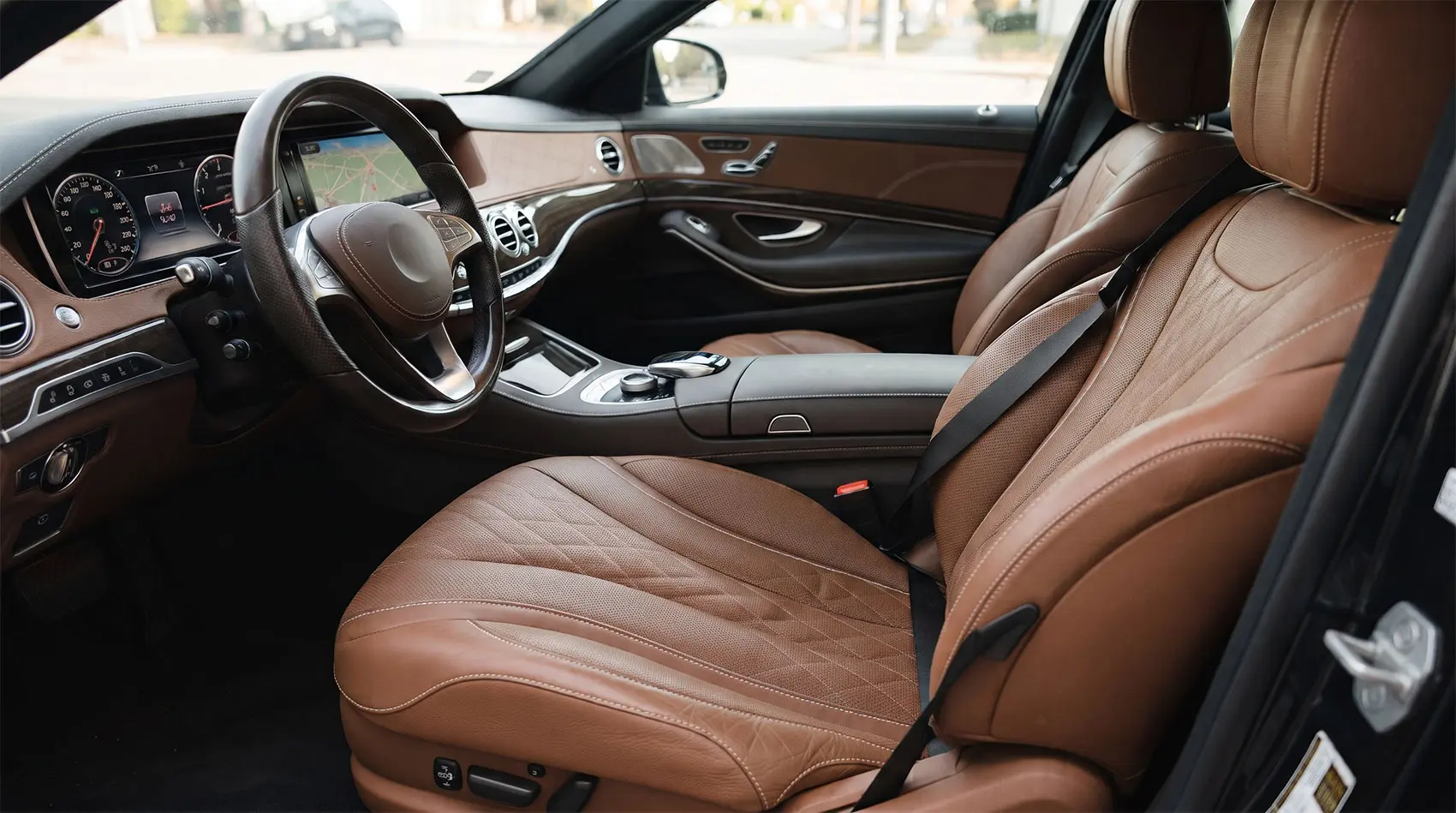
When stepping into a modern vehicle, the sensory experience is heavily defined by what meets the hand and the eye. Automotive interior design has evolved far beyond basic utility; today, the cabin is a sanctuary of comfort, personal style, and technological integration. At the center of this experience lies the eternal debate between two distinct seating finishes: genuine leather and synthetic eco-leather. For decades, traditional leather has reigned supreme as the gold standard of luxury, prized for its natural suppleness, distinct aroma, and prestigious heritage. However, the automotive landscape of 2026 looks vastly different. Driven by breakthroughs in polymer science, environmental consciousness, and manufacturing precision, high-grade synthetic eco-leather has emerged not as a cheap substitute, but as a sophisticated, high-performance alternative.
Choosing between these two materials is no longer a simple compromise on quality or price. Instead, it involves a complex matrix of lifestyle choices, climate considerations, and long-term expectations regarding durability and maintenance. Genuine leather offers an organic connection to traditional craftsmanship, developing a unique patina over time that tells the story of every mile driven. On the other hand, modern multi-layer polyurethane (PU) and silicone-based eco-leathers offer extraordinary consistency, resistance to everyday wear, and specialized environmental profiles that appeal directly to modern sensibilities. Understanding how these materials truly perform requires looking beyond showroom gloss and examining real-world conditions from scorching summer heatwaves to sub-zero winter commutes, and from daily pet travel to long-term structural wear.
As car buyers and automotive enthusiasts evaluate their options, the core question shifts from which material is objectively superior to which best aligns with your specific driving habits, climate zone, and aesthetic preferences. This deep-dive comparison will test both seating options across critical benchmarks of comfort, temperature regulation, and wear-and-tear endurance to help you make an informed decision for your next vehicle investment.
Understanding the Materials: Genuine Leather vs. Modern Eco-Leather
To truly appreciate how genuine leather and modern eco-leather stack up against each other, we first need to look beneath the surface and examine how these materials are constructed. Automotive-grade genuine leather typically begins as cattle hide, which undergoes a rigorous tanning and finishing process. Top-grain and corrected-grain leathers are the industry standards for vehicles. Top-grain leather retains the natural hide's texture and imperfections, treated with light protective coatings to resist everyday wear while preserving a soft, organic touch. Corrected-grain leather, conversely, is buffed to remove natural flaws and embossed with an artificial grain pattern, followed by heavier pigment coatings for enhanced durability and stain resistance. While authentic hide remains beloved for its characteristic scent and natural variation, the processing required to transform raw hide into automotive upholstery involves intensive chemical treatments and water consumption.
In contrast, the evolution of synthetic eco-leather has been nothing short of revolutionary over the past decade. Early automotive synthetics, often referred to simply as vinyl or Polyvinyl Chloride (PVC), earned a poor reputation for cracking in cold weather, turning uncomfortably sticky in heat, and releasing strong chemical odors (off-gassing) inside closed cabins. Modern eco-leather, however, relies primarily on advanced Polyurethane (PU) matrices or silicone-based polymers layered over woven microfibers or recycled polyester backings. These multi-layer engineering structures mimic the microscopic fibrous network of natural skin, allowing for controlled flexibility, precise tactile texture, and superior chemical stability.
From an environmental and cabin-emission standpoint, the manufacturing of modern eco-leather has shifted dramatically toward sustainability. Many Tier-1 automotive suppliers now utilize water-based polyurethane processes, bio-based polyols derived from plant oils, and recycled plastic bottle fibers to reduce both petroleum dependence and volatile organic compound (VOC) emissions. This technological leap means today's eco-leather not only avoids the harsh chemical odors of older vinyls but also offers an ethical, cruelty-free profile without sacrificing the upscale visual depth expected in luxury vehicle interiors.
Comfort and Temperature Regulation Tested
When evaluating car seats, numbers and material specifications quickly take a back seat to the visceral, tactile reality of everyday driving. Comfort is a multi-sensory experience governed by how a seat handles heat retention, breathability, tactile feedback, and ergonomic support during extended hours behind the wheel. One of the most common complaints drivers have about vehicle interiors involves extreme thermal performance, particularly during scorching summer months or sub-zero winter commutes.
In real-world climate testing under intense direct sunlight, genuine leather and standard synthetics historically behaved quite differently, though modern engineering has closed the gap significantly. Traditional untreated leather absorbs a moderate amount of solar radiation, often becoming uncomfortably hot to the touch after hours parked outdoors. However, high-grade automotive genuine leather, especially when treated with infrared-reflective (IR) pigments, manages to reflect a portion of solar heat. On the flip side, older vinyl or cheap PVC synthetics acted like thermal traps, absorbing heat rapidly and failing to dissipate it, leading to a sticky, burning sensation upon entry. Modern eco-leathers equipped with advanced micro-perforations and heat-reflective surface treatments perform remarkably well, often matching or even outperforming natural hide in thermal dissipation because their base polymer structures can be chemically optimized for low heat conductivity.
Beyond surface temperature when entering a parked car, breathability during long-distance driving is crucial for preventing driver fatigue and physical discomfort. Genuine leather excels naturally in breathability due to the microscopic porous structure of animal hide, which allows for minor moisture evaporation when paired with factory seat ventilation systems. However, solid, non-perforated leather can still cause driver back sweat on long summer road trips. Modern eco-leather addresses this through laser-etched micro-perforations and open-cell foam backings that promote active airflow. When integrated with seat coolers (active ventilation fans), high-grade polyurethane and silicone synthetics allow air to pass through the material matrix just as effectively as natural hide, ensuring that drivers remain cool, dry, and comfortable whether commuting through humid city traffic or cruising down the highway.
Durability, Wear & Tear Stress Analysis
When evaluating whether to invest in genuine leather or modern synthetic eco-leather, longevity and resilience against everyday abuse are major deciding factors. Automotive seats endure immense punishment over a vehicle's lifecycle, from daily friction caused by clothing rivets and belts to accidental spills, sharp pet claws, and extreme temperature fluctuations. Assessing how these two materials handle wear and tear requires examining specific physical stress factors.
Abrasion resistance is a critical metric for long-term interior quality. Genuine leather, particularly top-grain hide, possesses natural tensile strength, but it is also an organic material that can scuff or puncture under concentrated sharp pressure, such as a set of keys or a dog's claws. To mitigate this, automotive-grade leather is coated with protective finishes, but over years of heavy entry and exit, the side bolsters are prone to developing hairline cracks or losing their pigment layer. High-grade synthetic eco-leather, by contrast, is engineered with a uniform, high-density polymer matrix and a reinforced microfiber backing that provides exceptional tear and tensile strength. Modern polyurethane and silicone-based synthetics excel in abrasion tests, showing remarkable resistance to surface scuffing and resisting the unsightly stretching or sagging that can afflict natural hide over prolonged use.
UV stability and climate-induced degradation further differentiate the materials. Prolonged exposure to intense ultraviolet sunlight through windshields and side windows causes unprotected organic leather to dry out, stiffen, and eventually crack unless regularly conditioned. Modern eco-leather incorporates advanced UV-stabilizing chemical additives directly into its polymer layers during manufacturing, making it inherently resistant to color fading and photo-degradation. Furthermore, when subjected to extreme humidity and temperature swings, such as transitioning from freezing winter mornings to scorching summer afternoons, high-grade eco-leather maintains its structural integrity without splitting or hardening, offering predictable, low-maintenance durability that often surpasses traditional leather under harsh environmental conditions.
Maintenance, Cleaning, and Long-Term Care
When evaluating a vehicle's interior over a multi-year ownership lifecycle, the effort and cost required to keep the cabin looking pristine play a massive role in overall satisfaction. Maintenance routines vary sharply between genuine leather and modern synthetic eco-leather, making day-to-day care an important consideration for busy drivers, families, and pet owners.
Genuine leather requires a disciplined, periodic maintenance routine to retain its natural luster and prevent premature aging. Because natural hide is porous and skin-based, it absorbs body oils, dirt, and ultraviolet radiation, which can dry out the material if left untreated. Proper care demands regular vacuuming followed by specialized leather cleaners and conditioners every few months to replenish natural oils, maintain suppleness, and prevent unsightly cracking or stiffness along the high-friction side bolsters. Accidental spills, especially oils, dyes from dark denim jeans, or ink, can permanently stain untreated or semi-aniline leather if not cleaned immediately with pH-balanced solutions. While this ritual is rewarding for automotive enthusiasts who appreciate the tactile ritual of vehicle detailing, it demands consistent attention and financial investment in premium care products.
In contrast, high-grade synthetic eco-leather offers a dramatically lower-maintenance ownership experience. Engineered with non-porous polymer surfaces, modern polyurethane and silicone-based materials do not absorb liquids, body oils, or most surface contaminants. Spills, pet hair, dust, and muddy footprints can typically be wiped away effortlessly using a simple microfiber cloth dampened with mild soapy water, requiring no specialized conditioning creams or oils. Furthermore, eco-leather's chemical resistance makes it highly resilient against accidental chemical exposures or staining from children's snacks and drinks. Over a 5-to-10-year vehicle lifespan, this low-stress upkeep translates to minimal maintenance costs and sustained visual appeal with a fraction of the effort required for natural hide.
Conclusion
When all is said and driven, the choice between genuine leather and modern synthetic eco-leather is no longer a stark compromise between luxury and budget. Instead, it represents a conscious alignment of personal priorities, environmental values, and lifestyle demands. Genuine leather remains an extraordinary triumph of tradition, offering a multisensory experience characterized by organic suppleness, a prestigious heritage, and a unique patina that deepens with every mile. For purists and enthusiasts who relish the tactile ritual of vehicle detailing and historical craftsmanship, natural hide continues to hold a distinct, enduring appeal.
However, the rapid evolution of synthetic engineering has completely redefined what eco-leather can achieve. Modern multi-layer polyurethane and silicone-based alternatives no longer mimic the cheap, crack-prone vinyls of the past. Instead, they deliver exceptional durability, superior resistance to ultraviolet degradation, effortless maintenance, and a forward-looking sustainability profile that eliminates heavy metal tanning and reduces animal welfare concerns. When paired with advanced micro-perforations and heat-reflective technology, these advanced synthetics offer comfort and thermal regulation that easily rival, and in harsher climates often surpass, natural hide.
Ultimately, if your lifestyle involves daily family adventures, pet transport, and a desire for low-maintenance elegance that resists wear and tear with minimal upkeep, modern eco-leather stands out as an exceptionally smart investment. Conversely, if you prioritize timeless luxury, the rich aroma of natural hide, and the personalized aging process of classic craftsmanship, genuine leather remains unmatched. Assessing your local climate, driving habits, and long-term ownership goals will guide you toward the perfect finish for your next vehicle interior.


Written by Kousar Shabbir
Published Oct 8, 2026 in Comparisons.



