
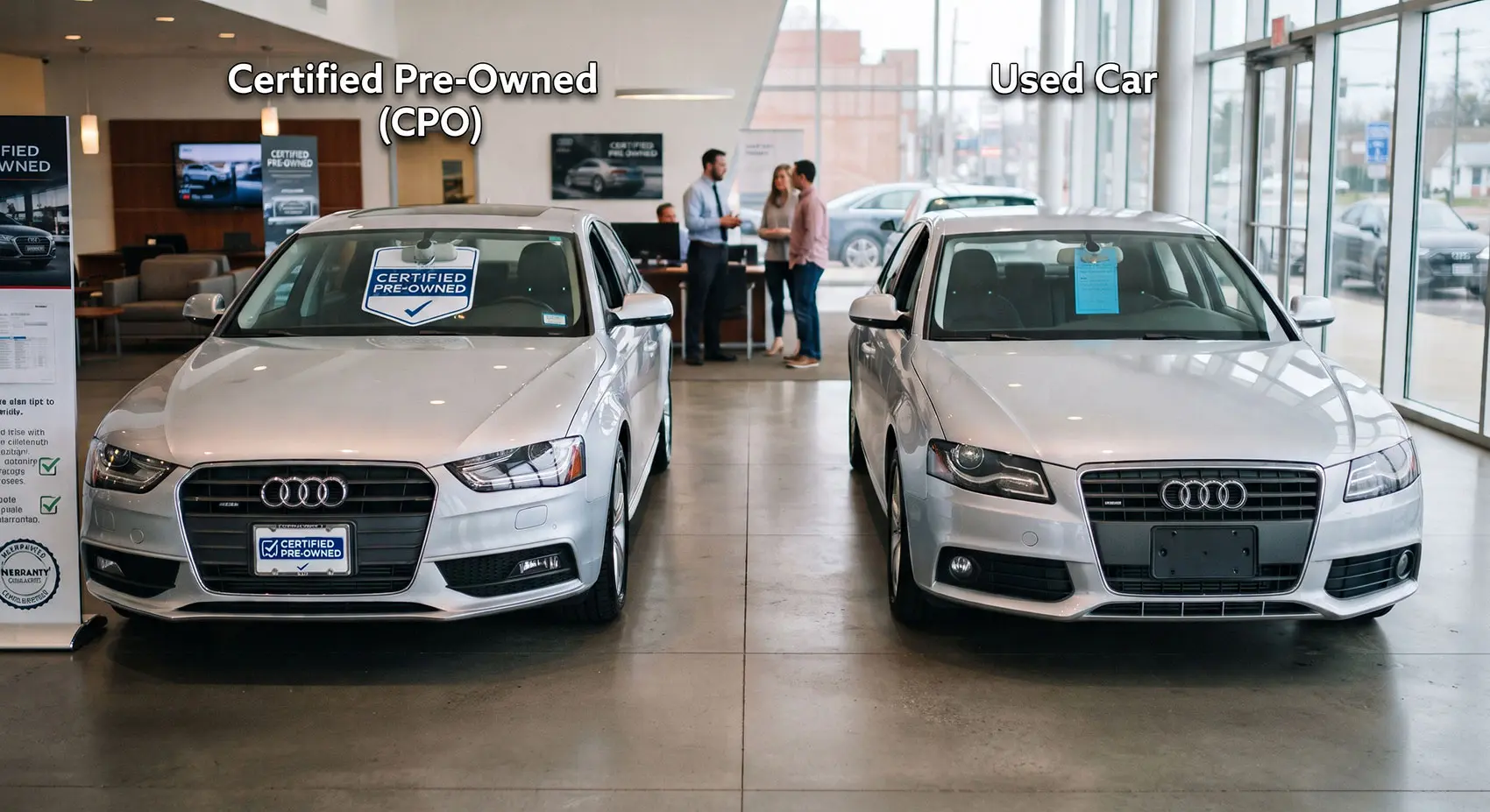
Buying a used car is often one of the smartest ways to save money, but finding the right vehicle can be challenging. While browsing dealership inventories, you may notice that some used vehicles cost noticeably more simply because they carry a Certified Pre-Owned (CPO) label. These vehicles often look identical to regular used cars, with similar mileage, model years, and features. So, is certified pre-owned worth the extra premium, or are dealerships charging more for additional peace of mind? Understanding what certification actually provides is essential before spending your hard-earned money on a vehicle that might not offer significantly better value than an ordinary used car.
Certified pre-owned cars generally undergo detailed inspections, meet manufacturer-established eligibility requirements, and include additional warranty protection. These advantages can make ownership less stressful, especially for buyers concerned about expensive repairs or unexpected mechanical problems. However, certification does not guarantee reliability, and the extra purchase price may not always be justified. The smartest decision depends on several factors, including the vehicle's condition, warranty coverage, financing options, maintenance history, and long-term ownership costs. This guide explores the benefits, disadvantages, and actual value of certified pre-owned vehicles to help you determine whether paying extra makes financial sense.
A certified pre-owned car is a previously owned vehicle that has passed specific inspection and eligibility requirements established by an automobile manufacturer or certification provider. Unlike ordinary used cars, manufacturer-backed CPO vehicles must meet standards relating to age, mileage, mechanical condition, and vehicle history. Dealerships generally inspect these vehicles before offering them for sale and address issues identified under the certification program. The purpose is to give buyers greater confidence in the condition of the vehicle while providing additional protection against certain mechanical problems that might occur after purchase.
How Does the CPO Inspection Process Work?
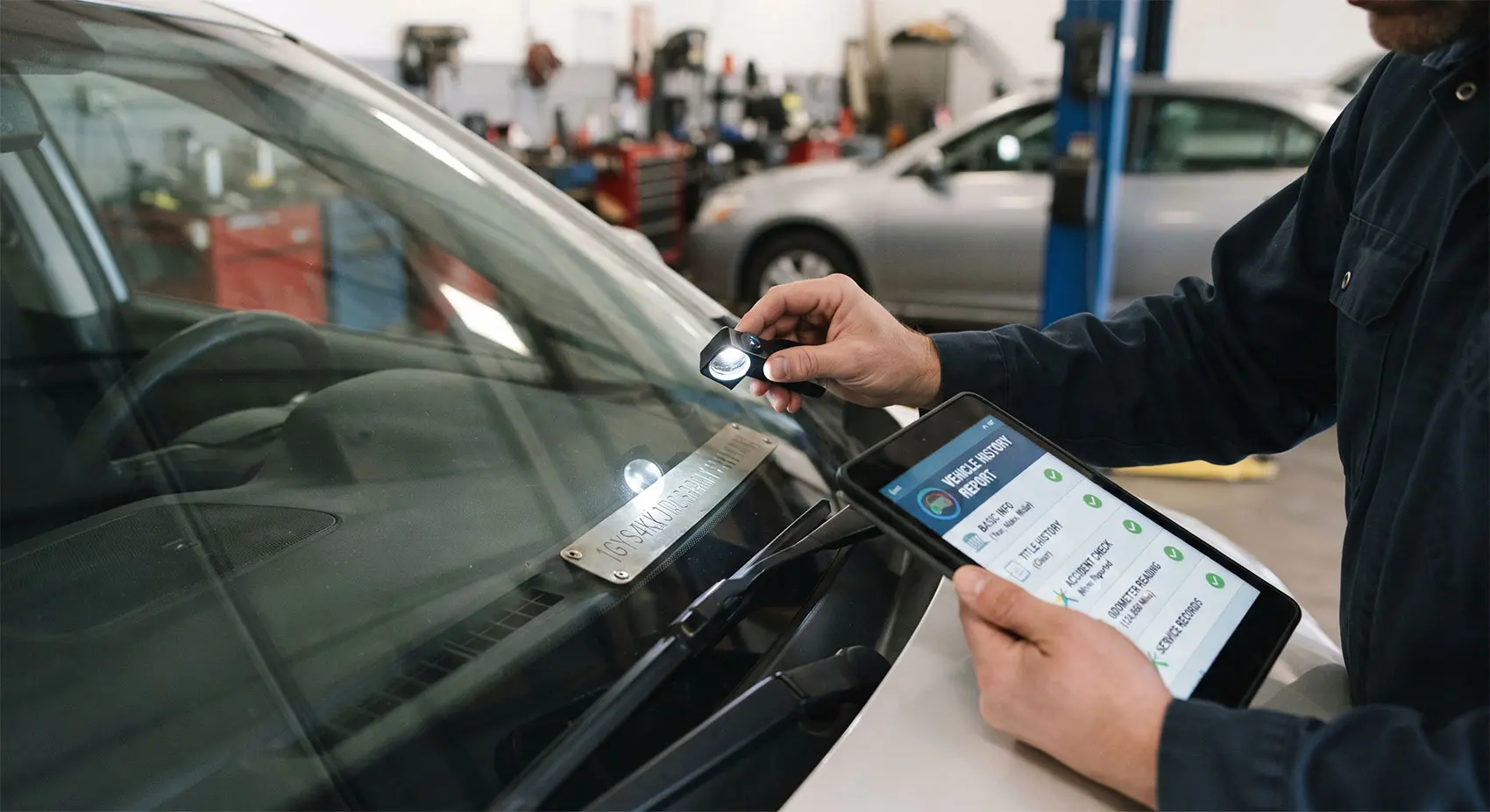
The inspection process is one of the main differences between certified pre-owned cars and regular used vehicles. Depending on the manufacturer, technicians may examine more than 100 individual components, including the engine, transmission, brakes, suspension, steering, tires, electronics, and safety systems. They may also review the vehicle's maintenance records, mileage, and available accident history to determine whether it qualifies for certification. Vehicles that fail to meet program requirements generally need approved repairs or reconditioning before certification can be completed, although the exact procedures vary between automotive brands.
Despite these inspections, certification should never replace careful research or an independent mechanical assessment. A multi-point inspection indicates that specified components were checked, not that every part was replaced or guaranteed to function perfectly throughout ownership. Certain problems may develop after certification, while previous maintenance issues may not appear during a short examination. Therefore, prospective buyers should request the completed inspection checklist, review the vehicle's service records, and arrange a professional inspection whenever possible. These precautions help ensure that the certified vehicle genuinely meets expectations rather than simply appearing more trustworthy because of its dealership designation.
How Much More Do Certified Pre-Owned Cars Cost?
The certified pre-owned premium is the additional amount buyers pay compared with a similar non-certified used vehicle. This higher price generally reflects dealership inspection costs, vehicle reconditioning, warranty coverage, administrative expenses, and the perceived value of certification. However, there is no fixed premium across the automotive industry. The difference can change depending on the brand, model, vehicle age, mileage, market conditions, and dealership pricing strategy. Luxury vehicles may carry larger certification premiums than economical compact cars because their potential repair costs and warranty values can be substantially higher.
For example, imagine comparing two similarly equipped used SUVs from the same model year. A regular used SUV is advertised for $24,000, while its certified equivalent costs $25,500. The additional $1,500 represents a 6.25% premium over the regular vehicle's asking price. Whether that extra expense is reasonable depends on what the certification provides. If the CPO model includes substantial manufacturer-backed warranty protection and documented reconditioning, the higher price might be justified. However, if the warranty has limited coverage or expires soon, the cheaper vehicle could deliver better financial value. These prices are illustrative rather than current dealership quotations.
Understanding the True Cost of Ownership
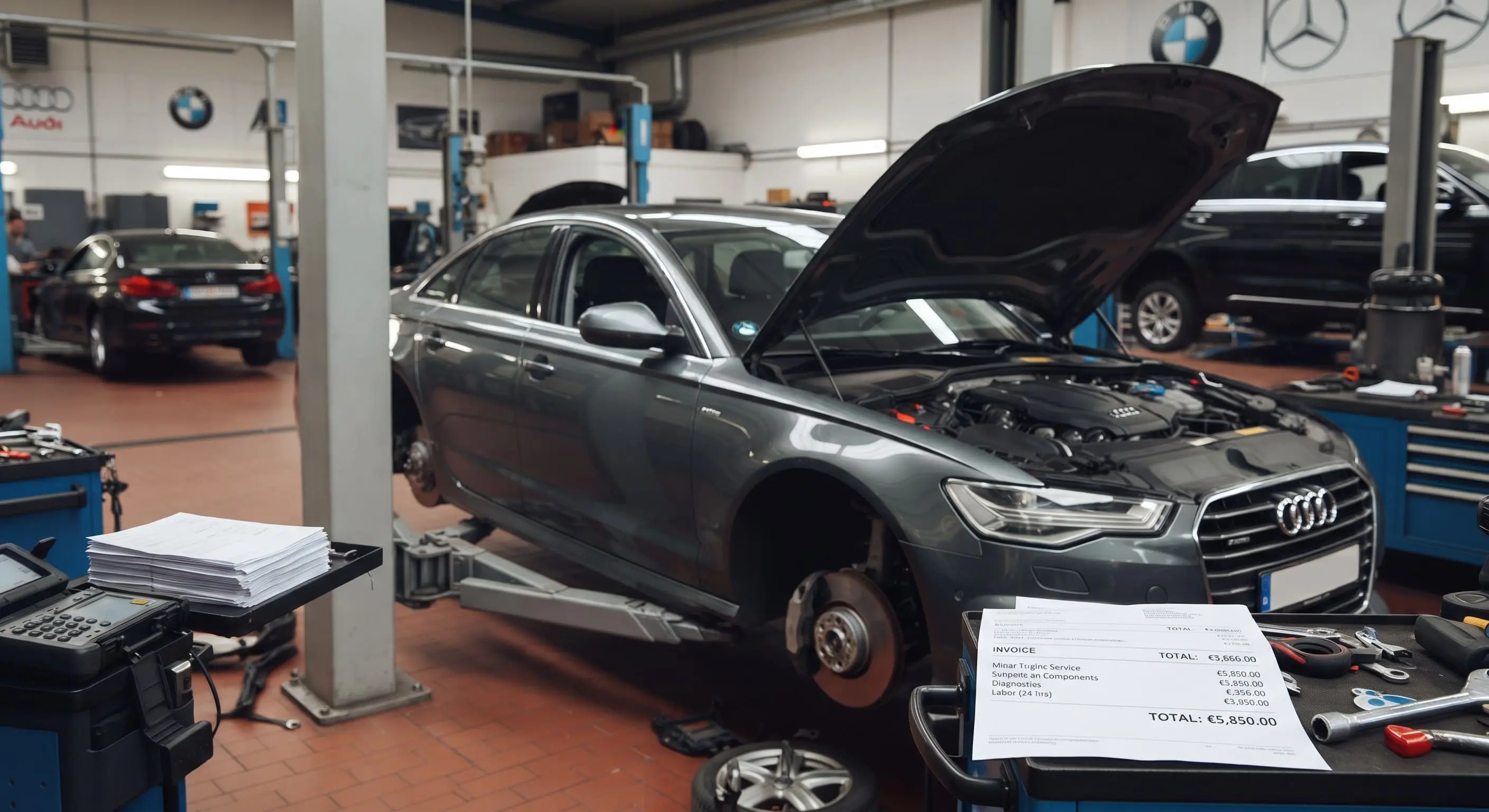
Purchase price should never be the only factor when evaluating CPO vs. used cars. Buyers must also consider financing charges, insurance, taxes, registration fees, maintenance, expected repairs, and future resale value. A certified vehicle with a higher purchase price might generate lower repair expenses during its warranty period, but those savings are never guaranteed. Conversely, a well-maintained regular used car could remain dependable for years without requiring expensive repairs. Comparing realistic total ownership costs helps reveal whether certification offers meaningful financial protection or simply increases the amount spent at the dealership.
Financing incentives can also affect the calculation. Certain manufacturers occasionally provide promotional interest rates on eligible certified vehicles, potentially reducing borrowing costs compared with conventional used-car loans. However, these offers depend on eligibility, credit approval, and local availability. Buyers should compare the total amount repaid rather than focusing exclusively on monthly installments. A longer loan might make a certified vehicle appear affordable while increasing overall interest costs. Requesting written financing offers and calculating the full out-the-door price provides a clearer picture of which vehicle represents the stronger financial decision.
Is the CPO Premium Worth the Warranty?
The value of a CPO warranty depends primarily on the repairs it covers and the likelihood of experiencing those problems during ownership. Modern vehicles contain expensive components, including advanced transmissions, turbocharged engines, electronic control modules, and sophisticated driver-assistance systems. A major covered mechanical failure could result in substantial savings for a certified vehicle owner. In this situation, the premium functions partly as a payment for additional financial protection. This may be particularly appealing to buyers who prefer predictable expenses or cannot comfortably handle an unexpected repair bill.
However, warranty coverage should not be confused with guaranteed financial savings. If a vehicle operates reliably throughout the warranty period, the owner might never use the additional protection. Furthermore, some expensive repairs may involve components excluded from coverage, leaving the buyer responsible for the cost despite having purchased a certified vehicle.
When Is Buying a Certified Pre-Owned Car Worth It?
Certified pre-owned cars often make the most sense for buyers who prioritize reliability, predictable ownership expenses, and manufacturer-backed support. Individuals purchasing their first vehicle may appreciate having a structured inspection process and additional warranty protection. Families who depend on one car for daily transportation may also find certification reassuring because unexpected repairs can disrupt work, school schedules, and essential activities. While no vehicle can be guaranteed trouble-free, purchasing through a reputable CPO program may reduce certain risks associated with buying an unfamiliar used car.
Certification can also be worthwhile when the price difference between a CPO vehicle and a comparable regular used car is relatively small. If both vehicles have similar mileage, equipment, condition, and service histories, paying a modest premium for useful warranty protection might represent a reasonable compromise.
Benefits for Luxury and High-Tech Vehicles
Luxury vehicles are among the strongest candidates for certified pre-owned purchasing because maintenance and mechanical repairs can be expensive. Premium cars frequently feature sophisticated suspension systems, advanced electronics, powerful engines, and complex transmissions. Although these technologies improve comfort and performance, replacing certain components can create substantial financial burdens after the original factory warranty expires. A manufacturer-backed CPO warranty covering important mechanical systems may therefore provide greater practical value for a luxury SUV or premium sedan than for a simpler vehicle with relatively inexpensive replacement parts.
Buyers considering technologically advanced vehicles should pay particular attention to warranty exclusions. Features such as adaptive suspension, infotainment displays, parking sensors, cameras, and driver-assistance systems may not receive the same protection as the engine or transmission. Expensive luxury vehicles can also require specialized servicing even when major components are covered. Consequently, buyers should investigate typical maintenance expenses, common model-specific problems, and available repair facilities before purchasing. Certification is most valuable when it addresses the systems most likely to create significant ownership expenses rather than providing limited protection against relatively uncommon failures.
Are Certified Used Electric Vehicles Worth It?
Certified pre-owned electric vehicles can offer additional reassurance for shoppers concerned about battery condition, charging performance, and electronic systems. Unlike traditional gasoline vehicles, electric cars rely heavily on high-voltage batteries, power electronics, and software integration. Some manufacturer certification programs include battery-health assessments or inspections tailored to electric-vehicle technology. These checks can provide useful information about the vehicle's condition, particularly when buyers are unfamiliar with evaluating used electric cars. Additional warranty benefits may also reduce concerns about certain covered components during the early ownership period.
However, buyers should never assume that purchasing a certified electric vehicle automatically extends its high-voltage battery warranty. Battery coverage often operates separately from conventional CPO protection, with eligibility determined by manufacturer rules, original registration dates, mileage, and regional regulations. Before buying, request the remaining battery warranty terms, an available battery-health report, and information about charging-system inspections.
When Is Certified Pre-Owned Not Worth the Extra Money?
Certified pre-owned vehicles may offer poor value when dealerships charge excessive premiums for benefits that provide limited practical protection. If a reliable regular used car has complete service records, satisfactory inspection results, and a significantly lower purchase price, paying thousands more for certification may not be financially sensible. This is especially true when the buyer has sufficient emergency savings to handle potential repairs. The additional money could instead remain available for maintenance, tires, insurance, or other ownership expenses. However, maintaining a repair reserve does not eliminate the risk of facing a mechanical failure that costs more than the savings.
Another situation where certification may provide limited value involves vehicles with very little remaining warranty coverage. A car approaching its warranty mileage limit or expiration date might offer fewer benefits than buyers expect. Some manufacturers also impose age and mileage restrictions that reduce the usefulness of protection for higher-mileage vehicles. Furthermore, certification does not automatically improve a model's inherent reliability or erase its previous ownership history. Paying extra for a vehicle with questionable maintenance documentation or known mechanical weaknesses is rarely a wise strategy, regardless of how prominently the certification appears in dealership advertising.
Common CPO Buying Mistakes to Avoid
One common mistake is assuming that every certified vehicle comes with a comprehensive bumper-to-bumper warranty. In reality, coverage can be limited to specific mechanical systems, leaving owners responsible for repairs involving other expensive components. Buyers may also overlook deductibles, maintenance requirements, exclusions, and restrictions on where covered repairs can be performed. Another mistake is comparing vehicles with different trims, mileage, or conditions and attributing the entire price difference to certification. Without a fair comparison, it becomes difficult to establish whether the CPO premium itself represents reasonable value.
A second major mistake is skipping independent verification because the vehicle has already passed a dealership inspection. Even reputable certification programs cannot identify every developing mechanical issue or guarantee that the vehicle has never experienced undisclosed damage. Buyers should obtain available history reports, check for unresolved recalls, conduct a thorough test drive, and request independent mechanical evaluations. It is equally important to avoid negotiating exclusively around monthly payments, which can hide unfavorable loan terms. Focusing on vehicle condition, complete pricing, and written warranty details helps prevent expensive misunderstandings after the purchase agreement is signed.
How to Decide Between CPO and Regular Used Cars
The best approach is to compare two genuinely similar vehicles before deciding whether certification deserves an additional investment. Begin with the same make, model, year, trim, and approximately equivalent mileage. Review available maintenance records, ownership history, tire condition, mechanical inspection results, and warranty coverage. Next, calculate the difference in total purchase costs, including financing and dealership fees. Finally, consider how long you intend to keep the vehicle and whether the additional warranty covers a meaningful portion of that ownership period. These comparisons make the purchasing decision more objective and reduce the influence of dealership marketing.
Your financial circumstances and comfort with repair risk should also influence the final choice. A buyer with limited savings may prefer the stability of a well-designed manufacturer-backed warranty, provided the monthly payments remain affordable. Someone with greater mechanical knowledge, access to trustworthy repair services, and sufficient emergency funds may find better value in a conventional used vehicle. Neither decision is automatically correct for everyone. The goal is to select a dependable car that meets your transportation needs without creating unnecessary financial pressure. Certification should support that objective rather than become the primary reason for purchasing a particular vehicle.
Conclusion
So, is certified pre-owned worth the extra premium? The answer depends on how much additional money you are paying and what protection you receive in return. A reputable manufacturer-backed CPO vehicle can offer valuable benefits through detailed inspections, warranty coverage, roadside assistance, and possible financing incentives. These advantages may be particularly attractive when purchasing luxury vehicles, technologically advanced cars, or vehicles with potentially expensive mechanical repairs. However, certification is not a guarantee of reliability, and a high premium can quickly reduce its financial appeal. Buyers should always examine the complete warranty agreement and compare comparable vehicles before making their decision.
Ultimately, the smartest used-car purchase is the one that balances reliability, affordability, vehicle condition, and long-term ownership expenses. If certification adds meaningful protection at a reasonable price, paying extra may be a worthwhile investment in financial security and peace of mind. On the other hand, a properly inspected regular used car with documented maintenance and a competitive asking price can provide equally satisfying transportation at a lower initial cost. Rather than purchasing a vehicle simply because it carries a CPO badge, evaluate the benefits carefully, negotiate confidently, and choose the option that offers the strongest overall value for your budget.


Written by Kousar Shabbir
Published Oct 8, 2026 in Buying Guides.



