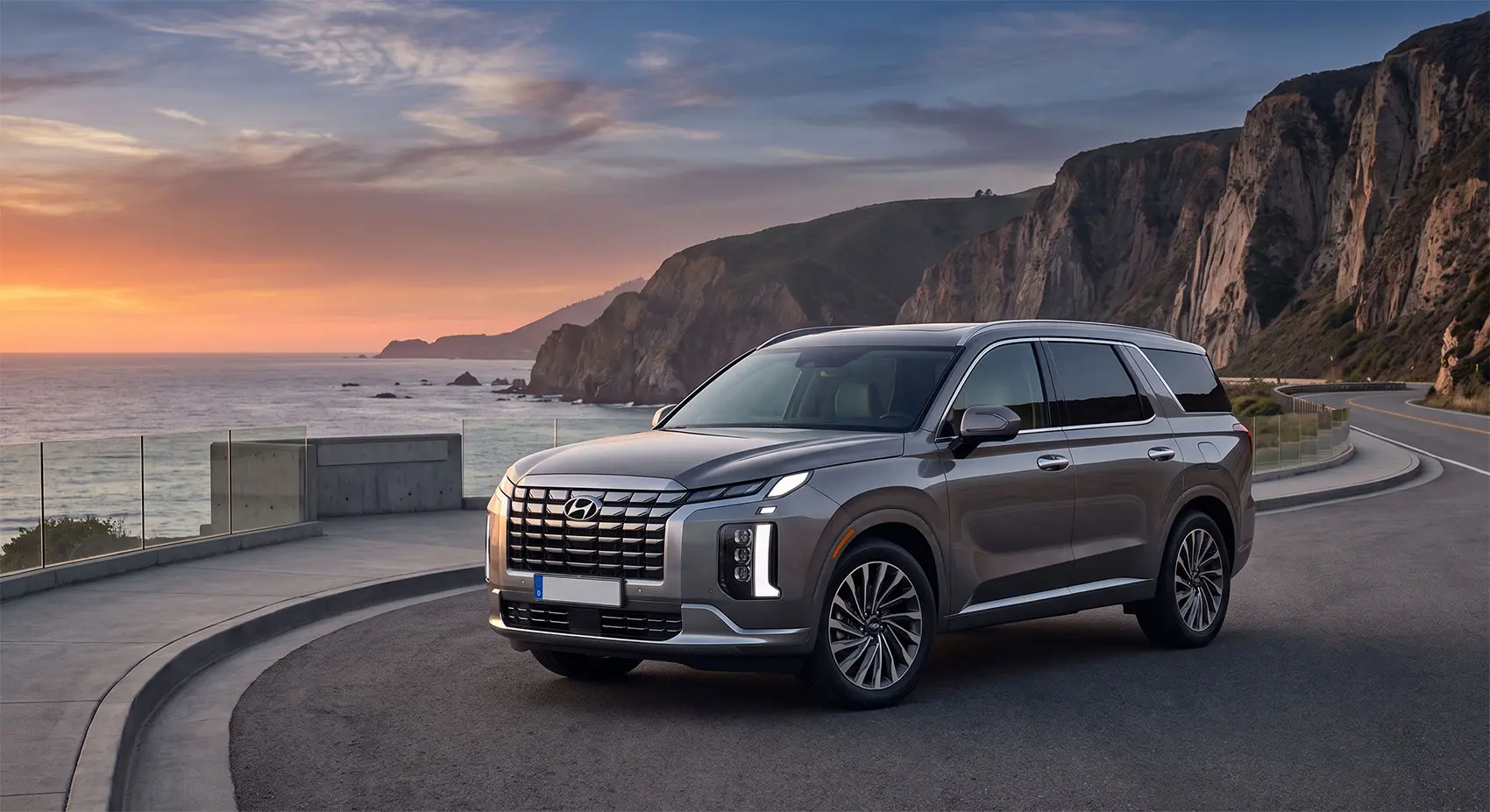
The three-row SUV segment has become the modern battlefield for automotive supremacy. It is where luxury meets utility, where family-hauling requirements clash with the desire for premium aesthetics, and where manufacturers fight to justify price tags that once belonged exclusively to luxury brands. Amidst this cutthroat competition, the Hyundai Palisade has consistently managed to stay ahead of the curve, not just by being a "good" car, but by being an experience. However, the stakes for 2026 are higher than ever. With competitors like the Toyota Grand Highlander and the Honda Pilot pushing the limits of what a family vehicle can offer, Hyundai has been forced to innovate and, arguably, reinvent the Palisade.
The 2026 update isn't just a simple mid-cycle refresh; it is a tactical strike designed to address the specific pain points of modern families while elevating the brand’s "Parametric Dynamics" design language to new heights. For those following the evolution of this nameplate, the question isn't just about whether it looks better or has a larger screen; it’s about whether Hyundai has successfully bridged the gap between the premium aspirations of a luxury vehicle and the rugged, daily-driver realities of a suburban SUV.
In this deep dive, we are going to look past the marketing brochures. We will dissect the impact of the new hybrid powertrain, weigh the merits of the XRT PRO trim for those who actually venture off the pavement, and ask the difficult question: has Hyundai finally perfected the balance, or have they reached the point of over-engineering a segment that demands simplicity? From the tactile feel of the new cabin materials to the real-world implications of their latest tech suite, we are stripping away the veneer to see what the 2026 Palisade is truly made of. Whether you are a current owner considering an upgrade or a potential buyer standing at the crossroads of a major decision, this is the comprehensive guide you need to determine if the 2026 Palisade is merely an evolution or a true revolution in the family SUV landscape.
Design and Aesthetic Overhaul
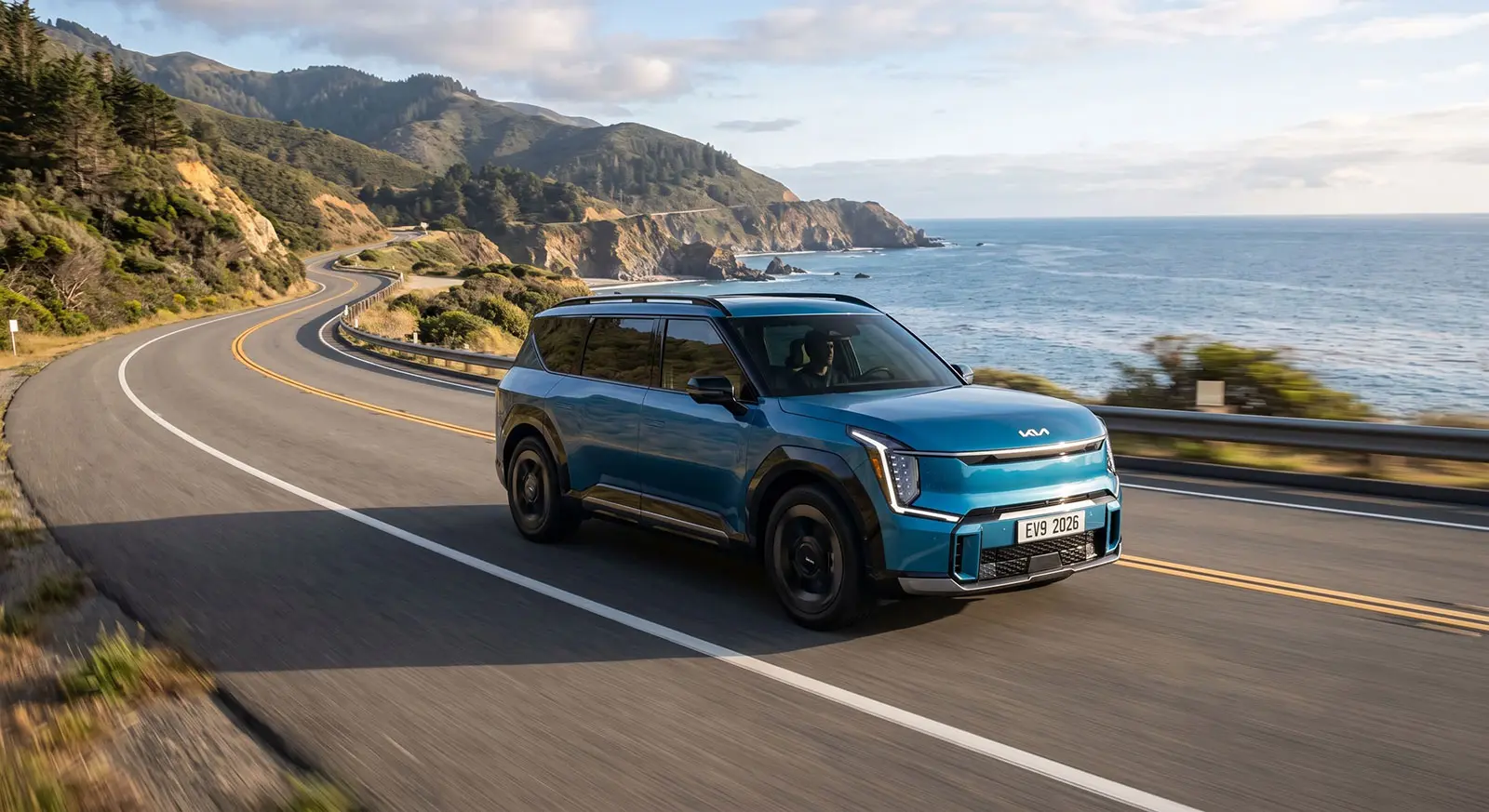
The 2026 Hyundai Palisade doesn’t just arrive at the curb; it makes a statement. While the previous iteration laid the groundwork with its bold, boxy silhouette, the 2026 model refines this "Parametric Dynamics" design language into something far more sophisticated. Hyundai has clearly listened to the feedback regarding the front fascia, as the new grille design integrates more seamlessly with the updated lighting signatures. Gone are the days of looking like a generic family hauler; this SUV now carries an architectural presence that rivals vehicles with significantly higher price tags. The aerodynamic improvements aren't just for show; they contribute to a smoother, quieter ride, a critical factor for the long-haul family road trips this vehicle is destined for.
Stepping inside is where the most dramatic transformation occurs. The cabin has shifted from "pleasantly functional" to "genuinely premium." The materials feel tactile and expensive, with soft-touch points replacing harder plastics in key high-contact areas. The centerpiece, however, is the new panoramic display. It stretches across the dashboard with a clarity and responsiveness that makes the competition’s dated infotainment systems look like relics from a bygone era. The integration of ambient lighting is subtle, creating a lounge-like atmosphere that isn't distracting but definitely adds to the sense of occasion.
Hyundai is targeting the buyer who wants a luxury SUV experience without the luxury brand maintenance costs. By focusing on ergonomics, the designers have ensured that even the third row feels intentional rather than like an afterthought. Every button, dial, and surface feels deliberate, suggesting that the 2026 Palisade is not just trying to keep up with the segment leaders but actively attempting to redefine what "entry-level premium" looks like. It’s an aesthetic evolution that manages to be both rugged enough for a suburban driveway and polished enough to pull up to a five-star hotel entrance.
The Engine Dilemma: Hybrid vs. V6
The most significant conversation surrounding the 2026 Palisade is undoubtedly what lies under the hood. For years, the naturally aspirated 3.5L V6 has been the dependable heart of this SUV. It is a known quantity—smooth, linear, and perfectly capable of hauling a fully loaded family on a mountain pass without breaking a sweat. For traditionalists who fear the complexity of electrification, this engine remains a sanctuary. It delivers that classic, predictable torque curve that many drivers have grown accustomed to, and it continues to provide a towing capacity that is perfectly suited for weekend boaters and campers.
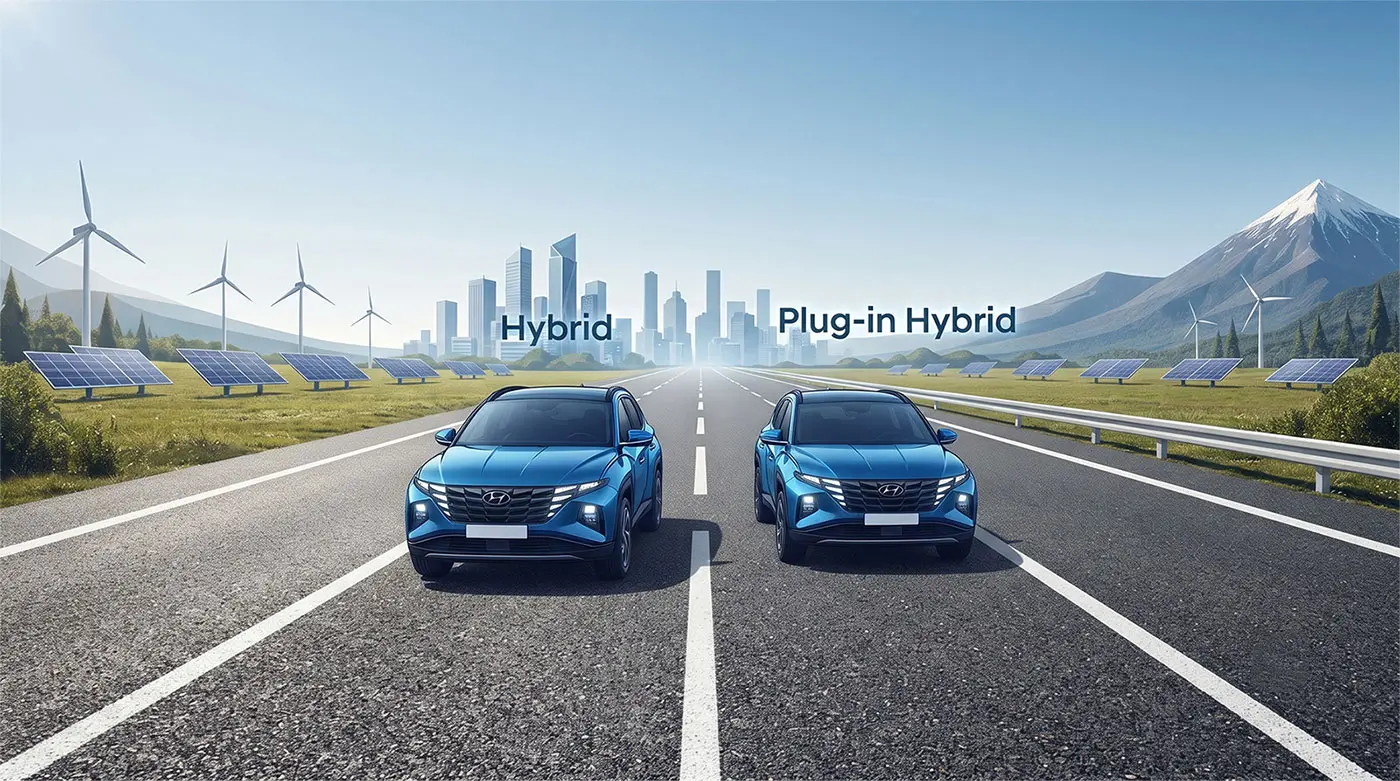
However, the spotlight this year belongs to the newcomer: the 2.5T Hybrid powertrain. This isn’t just a fuel-sipping exercise; it is a performance-minded integration that changes the character of the vehicle. By introducing turbocharging to a hybrid setup, Hyundai has managed to provide an abundance of low-end torque that the V6 occasionally lacks. In stop-and-go urban traffic, the hybrid system is remarkably efficient, regenerating energy during deceleration and providing a nearly silent electric-only creep that elevates the luxury feel of the cabin. On the highway, it pulls with a surprising urgency that makes overtaking effortless.
The "Bad," or perhaps the "challenging," aspect of this choice is the trade-off in refinement under extreme load. While the V6 hums a consistent, familiar note, the 2.5T Hybrid can occasionally become vocal when pushed hard on steep inclines, as the transmission and the turbocharger work in tandem to keep the engine in its power band. For the average buyer, the Hybrid is the clear winner for its sheer versatility and superior fuel economy, particularly in city settings. But for the purist, the choice is more philosophical. Hyundai has essentially given us two different vehicles wrapped in the same skin: one for the pragmatic commuter and one for the traditionalist who values mechanical simplicity above all else. This choice forces potential buyers to be honest about their driving habits. Are you optimizing for the daily grind or the long-haul journey?
Tech and Cabin Comfort
The 2026 Palisade is clearly positioning itself as a rolling tech hub, designed for the modern family that views their vehicle as an extension of their connected life. The introduction of Digital Key 2.0 is the headline act here, transforming your smartphone into a key fob that works seamlessly, no more fumbling with pockets or bags while juggling groceries or children. It’s the kind of feature that feels like a party trick the first time, but quickly becomes an essential convenience you wonder how you ever lived without.
Inside the cabin, the focus shifts to what Hyundai calls the "Relaxation Seat" experience. In a segment often defined by the "squeezed-in" feeling of third-row accommodations, the 2026 Palisade makes a compelling case for true passenger comfort. The second-row captain's chairs offer heating and ventilation, but the standout is the ergonomic support provided on long-haul trips. Hyundai has put significant engineering effort into noise, vibration, and harshness (NVH) reduction. By incorporating acoustic laminated glass and advanced sound-deadening materials in the wheel wells and floor, the cabin remains a serene environment. Even when the engine is working hard, the conversation level inside the car remains remarkably low.
The infotainment system has been overhauled to prioritize ease of use, with a streamlined interface that minimizes sub-menu diving. Everything from navigation to climate control is within logical reach, and the voice recognition system has been upgraded to handle more natural language commands. While some "traditionalist" buyers might miss the tactile satisfaction of a few more physical buttons, the responsiveness of the digital interface effectively mitigates that frustration. This is a cabin built for the reality of modern life: long road trips, daily school runs, and the occasional need to turn the car into a mobile office or lounge. It doesn't just provide space; it provides an environment that actively reduces the fatigue of travel, making it a standout in the mid-size, three-row luxury-lite arena.
Off-Road Capability: The XRT PRO Trim
For years, the Palisade was viewed primarily as a sophisticated urbanite, a vehicle designed for suburban school runs and grocery store hauls. The 2026 XRT PRO trim is a direct response to the "lifestyle" shift in the three-row segment. While nobody is expecting this to outperform a dedicated trail rig, the XRT PRO offers meaningful hardware upgrades that separate it from the standard "blacked-out" trim levels of the past. The increased ground clearance is the most immediate change, giving the SUV a more confident stance and, more importantly, providing the necessary clearance to tackle forest roads and rutted access paths that would have intimidated the previous model.
The suspension tuning on the XRT PRO has also been tightened. It feels more planted, reducing body roll during cornering without sacrificing the ride quality that makes the Palisade a top-tier family hauler. Hyundai has integrated specific terrain modes into the drive system, allowing the car to intelligently redistribute torque when it detects slip on loose surfaces like gravel, mud, or deep sand. It’s a confidence-inspiring feature for families who frequent mountain cabins or campsites where weather conditions can change the surface underfoot in an instant.
What makes this "unexpected" is how little of the "luxury" experience is lost in the process. Often, off-road-oriented trims come with a harsh ride, increased cabin noise, and a stripped-down interior. The XRT PRO manages to avoid these pitfalls. The cabin remains just as quiet, the materials are just as premium, and the tech features, including that impressive infotainment setup, are all present. It suggests that Hyundai understands its buyers: they want the capability to go further, but they don't want to sacrifice the comfort that drew them to the Palisade in the first place. It is a dual-purpose strategy that adds a layer of rugged versatility, positioning the Palisade not just as a minivan alternative, but as a genuine weekend adventure partner.
The Competition Check
When looking at the 2026 Hyundai Palisade against its rivals, the "Corporate Sibling" rivalry with the Kia Telluride is the first hurdle. While they share the same platform, the Palisade has carved out a distinct identity through its more avant-garde exterior and a cabin that prioritizes a "lounge" aesthetic over the Telluride’s slightly more rugged, utilitarian vibe. If you prefer a sharper, more tech-forward interior, the Palisade remains the clear choice, whereas the Telluride continues to appeal to those who prefer physical switchgear and a more traditional SUV appearance.
Then there is the Toyota Grand Highlander. This is the Palisade’s most formidable opponent regarding pure interior volume and the Toyota reputation for long-term reliability. The Grand Highlander offers a genuinely usable third row for adults and an impressive cargo capacity that few can match. However, the Palisade counters with a more premium interior finish and a more intuitive, user-friendly infotainment system. Where the Toyota feels like a high-end tool, the Hyundai feels like a high-end experience. The Honda Pilot, meanwhile, remains the master of interior versatility and storage solutions. Its "everything has a place" philosophy is hard to beat, but the Pilot’s interior design is starting to show its age when parked next to the modern, screen-centric layout of the 2026 Palisade.
The unexpected takeaway here is that Hyundai no longer feels like the "budget" option trying to play in the big leagues. They have priced the Palisade right in the thick of this competition, signaling confidence that they have closed the gap in quality, capability, and desirability. You aren't just choosing the Palisade to save a few dollars anymore; you are choosing it because, in several key areas, specifically interior design and tech integration, it has leapfrogged the established leaders.
Conclusion: Is It Worth It?
The 2026 Hyundai Palisade is a masterclass in reading the room. It recognizes that the modern three-row SUV buyer has matured; they are no longer satisfied with mere transportation, and they are tired of compromising. The "Good" is evident: Hyundai has successfully elevated the materials, the tech, and the ride quality to a standard that makes competitors feel like they are resting on their laurels. The "Unexpected" is the confidence with which they’ve introduced the 2.5T Hybrid powertrain and the genuinely capable XRT PRO trim, proving that they are willing to take risks to capture both the eco-conscious urban family and the weekend adventurer.
However, we must address the "Bad." The 2026 Palisade is not perfect. The sheer amount of digital reliance, while impressive, can be overwhelming for those who prefer the tactile simplicity of legacy vehicles. Furthermore, while the hybrid is a brilliant addition, the noise profile under heavy load remains an area where Toyota and Honda still hold a slight edge in terms of pure, long-term refinement. Additionally, for the average family, the added cost of these premium trims pushes the Palisade into a price bracket that forces it to compete directly with entry-level offerings from true luxury brands such as Acura and Lexus.
So, is it worth it? If you value a vehicle that feels like a modern, intelligent, and highly polished companion for your daily life, the answer is a resounding yes. It hits that sweet spot of offering a premium experience without the pretension or the maintenance costs of a legacy luxury badge. It is a vehicle that doesn't just transport your family; it makes the journey significantly more enjoyable. For the buyer who wants the latest tech, a design that turns heads, and a powertrain that offers a glimpse into the segment's future, the 2026 Palisade is currently the one to beat. It is, quite simply, the most complete package Hyundai has ever put on the road.

Written by Maarukh Shahbaz
Published Jul 15, 2026 in Car Reviews.