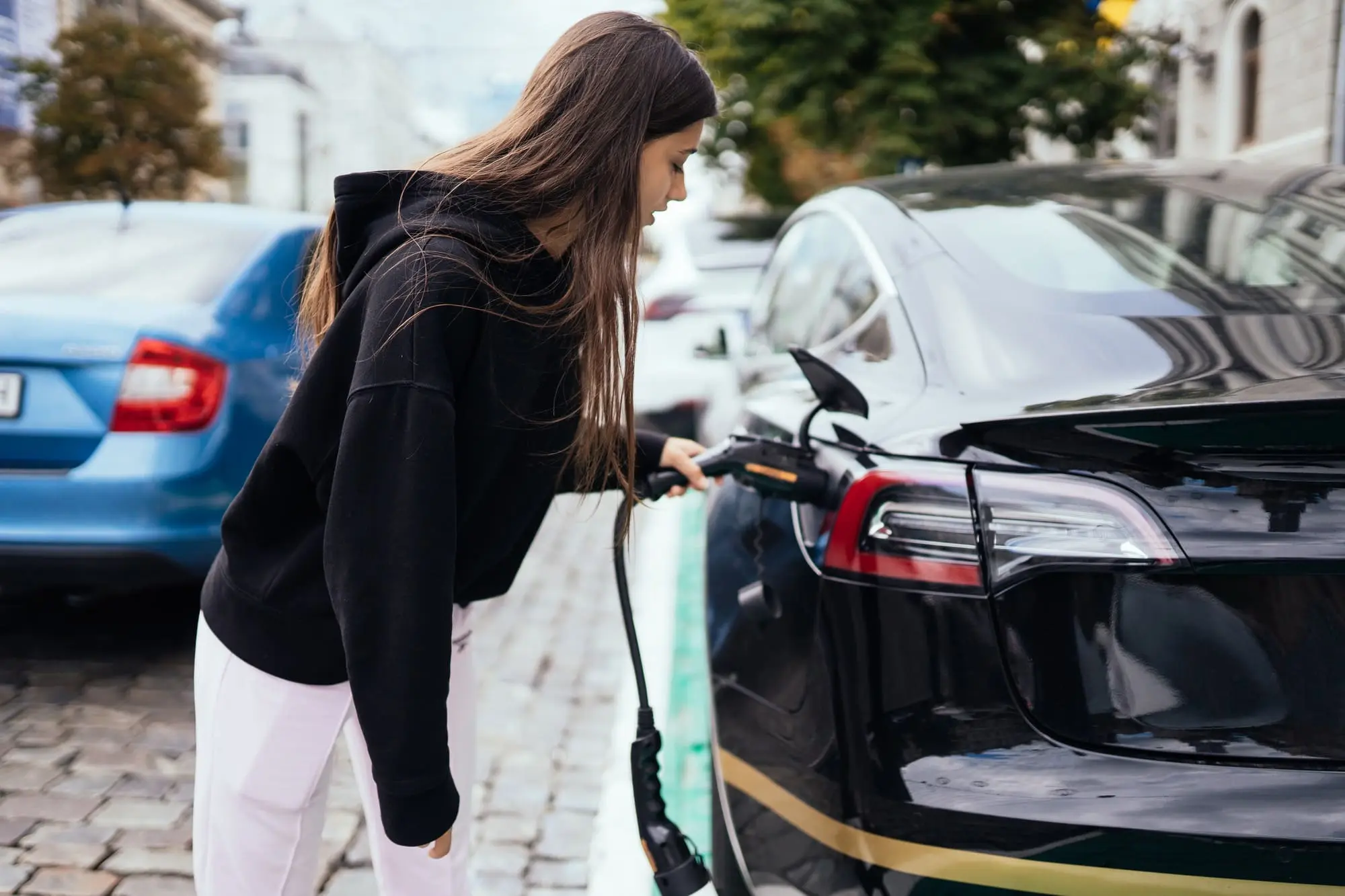
The automotive landscape in 2026 is undergoing a massive, unexpected paradigm shift. Just a few years ago, industry analysts, federal regulators, and major automakers confidently predicted that by the middle of this decade, internal combustion engines would be on their deathbeds. Dealership lots were supposed to be filled exclusively with battery electric vehicles (BEVs), and the roar of gas-powered cylinders was meant to be replaced by the silent hum of lithium-ion battery packs. The transition seemed inevitable, backed by billions of dollars in corporate investments and aggressive government subsidies globally.
Yet, walk onto any major dealership lot today, and the reality tells a completely different story.
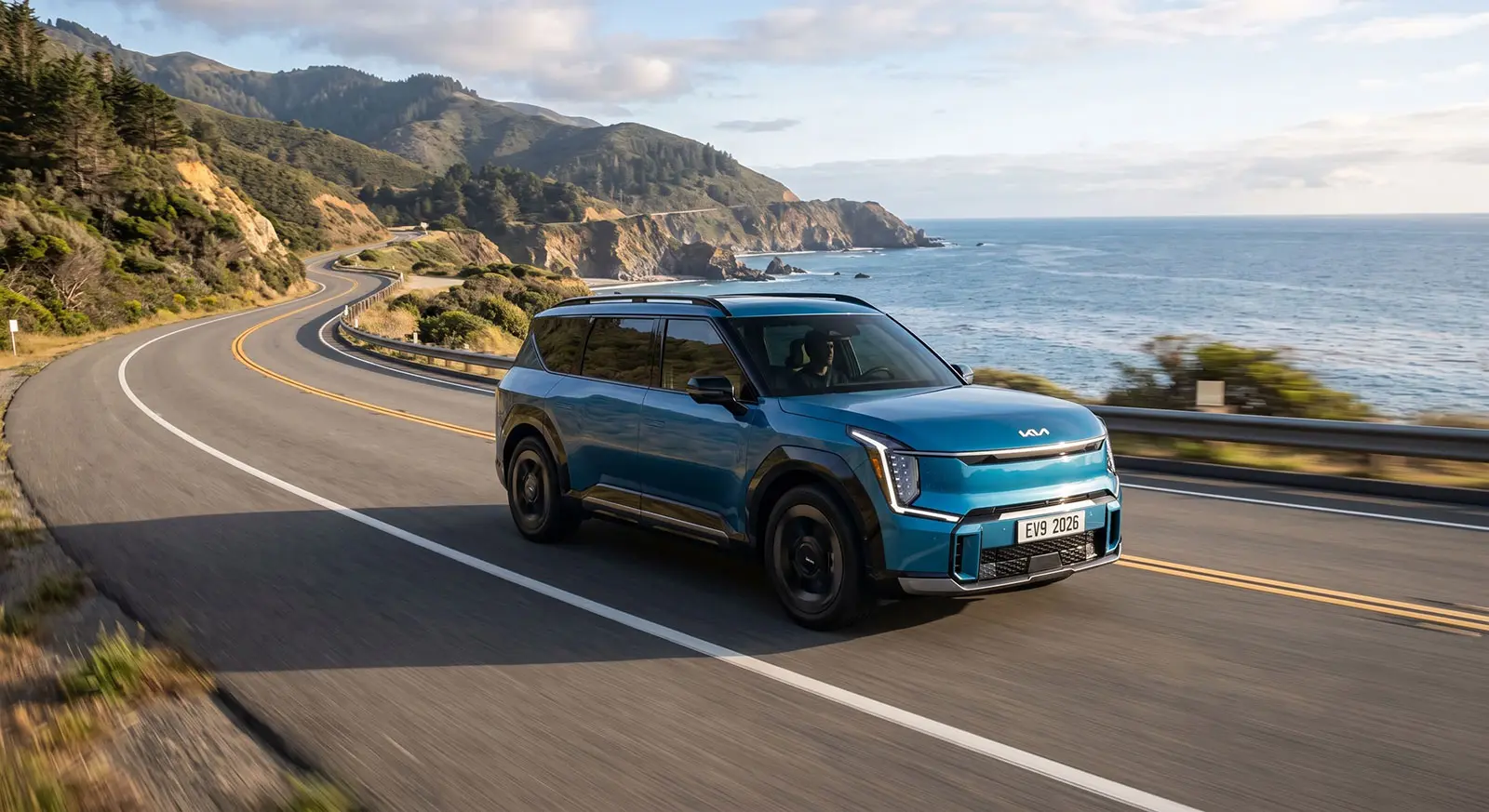
The pure EV revolution has officially hit a stubborn plateau. Instead of a linear surge in all-electric adoption, car companies are facing a mountain of unsold battery-electric inventory, forcing massive price cuts and production rollbacks. Buyers aren't abandoning efficiency—far from it—but they are loudly rejecting the forced leap into total electrification. Instead, a quiet powerhouse has stolen the spotlight, driving record-breaking dealership traffic and capturing the mainstream market: the modern hybrid vehicle, specifically those engineered around ultra-efficient 1.5-liter turbocharged motors.
This consumer pivot isn't a rejection of green technology; it is a pragmatic embrace of real-world utility. Everyday drivers have run the numbers on full EV ownership—factoring in charging infrastructure bottlenecks, spiking residential electricity grid rates, and brutal depreciation curves—and decided they aren't ready to alter their lifestyles to accommodate their cars. They want the fuel economy of an electric motor without the tether of a charging cable.
This is exactly where the "Goldilocks Engine" comes into play. The latest generation of 1.5L turbocharged hybrids has emerged as the definitive powertrain of 2026. By pairing a highly optimized, compact displacement combustion engine with advanced electric motors and smart planetary gearboxes, manufacturers have cracked the code. They are delivering sports-car torque, rock-solid highway stamina, and an astonishing 1,000+ kilometers of range on a single tank of regular unleaded gas. It turns out that the bridge to the future isn't a plug; it's a highly sophisticated, small-displacement hybrid.
2026 EV Reality Check: Why Drivers Are Pulling the Plug
For the last five years, the narrative surrounding the automotive transition was simple: electric vehicles were superior, and adoption would follow an aggressive exponential curve. However, mid-2026 data shows that consumers are putting on the brakes. Dealership lots are experiencing record-high "days supply" for battery electric vehicles (BEVs), while hybrid inventory evaporates within days. Drivers aren't rejecting the future; they are reacting to a series of harsh structural realities that make full EV ownership highly impractical for the average household right now.
1. The Infrastructure Bottleneck: Beyond the Urban Bubble
The primary culprit behind the sudden EV slowdown is a deeply fractured public charging infrastructure. While early adopters with private garages and dedicated home-charging stations faced minimal friction, the mainstream buyer pool looks very different. Millions of apartment dwellers, street parkers, and suburban renters are entirely dependent on public networks.
In 2026, those networks are buckling under the weight of traffic. Broken plugs, out-of-order software screens, and unpredictable charging speeds are common complaints. Worse, "grid anxiety" has replaced traditional range anxiety. During peak summer and winter months, local utilities are asking EV owners to limit charging to prevent blackouts, transforming a routine chore into a logistical headache.
2. The Economic Miscalculation: Rates, Insurance, and Depreciation
The original economic pitch for buying an EV was simple: pay more upfront, save thousands on fuel and maintenance later. In 2026, that math no longer works in the consumer's favor.
-
Surging Electricity Costs: Residential and commercial electricity rates have climbed significantly across major markets, narrowing the cost-per-mile gap between charging a massive battery pack and filling a highly efficient gas tank.
-
The Insurance Tax: Insurance premiums for pure EVs remain roughly 30% to 50% higher than equivalent internal combustion or hybrid vehicles, driven by astronomical repair costs for even minor battery pack frame damage.
-
The Depreciation Trap: Because EV battery technology is evolving so rapidly, older BEVs are depreciating at an alarming rate. Buyers are terrified of purchasing a vehicle today that will be technologically obsolete—and worth a fraction of its price—in three years.
3. The Subsidy Cliff
Compounding these financial friction points is the gradual erosion of government incentives. Many federal and state tax credits that once sliced $7,500 off the top of an EV purchase have narrowed significantly due to strict domestic battery sourcing requirements. Without artificial government cushions, the raw price premium of a pure EV stands entirely exposed, forcing middle-class buyers to look for a smarter financial alternative.
Decoding the 1.5L Hybrid Miracle: Why It Perfected the Powertrain
The true star of the 2026 automotive market isn’t a massive battery array or a roaring V8; it is a meticulously engineered, compact internal combustion engine running on a modified thermodynamic cycle, paired with an electric motor. The 1.5-liter turbocharged or naturally aspirated hybrid engine has quietly become the industry’s masterstroke.
By shrinking displacement to 1.5 liters, manufacturers have reduced physical engine weight and footprint, leaving plenty of room under the hood for electrical architecture without compromising passenger space.
1. The Power of Thermal Efficiency & The Atkinson Cycle
In a traditional gas car, small engines have to work incredibly hard to move heavy vehicle frames, leading to terrible fuel economy under load. Modern 1.5L hybrid setups (like Toyota’s Dynamic Force or BYD’s Xiaoyun systems) bypass this limitation by running on the Atkinson or Miller combustion cycles.
These cycles alter valve timing to maximize the energy extracted from every single drop of fuel, achieving record-breaking thermal efficiency ratings north of 40-45%. The trade-off of the Atkinson cycle is a loss of low-end torque—but in a hybrid, the electric motor steps in instantly to handle heavy off-the-line acceleration, leaving the gas engine to sit comfortably in its most efficient RPM sweet spot.
2. Eliminating the 1,000-Kilometer Range Phobia
The most significant consumer victory for the 1.5L hybrid is the absolute destruction of range anxiety. Pure EVs in 2026 struggle to hit a real-world 500-kilometer highway range on a single charge—especially in freezing temperatures or at sustained high speeds.
In stark contrast, a modern 1.5L Plug-in Hybrid (PHEV) or traditional hybrid (HEV) easily shatters the 1,000-to-1,500-kilometer mark on a single tank of gas. Because the compact engine burns so little fuel while keeping the onboard battery charged via regenerative braking, a 40-liter tank goes twice as far as it would in a conventional vehicle.
3. The Performance Compromise: Instant Electric Response
Buyers snubbing full EVs aren’t giving up the fun of electric driving. Because these 1.5L systems deploy high-torque electric drive motors alongside the gas engine, drivers get the best of both worlds:
-
Instant throttle response at low city speeds, mirroring a pure BEV.
-
Unmatched highway stamina, where the gas engine seamlessly takes over mechanical propulsion at cruising speeds, avoiding the massive high-speed efficiency drop-off that plagues full EVs.
The Market Verdict: Brands Winning Big in the New Landscape
The market data of 2026 has delivered a definitive verdict, and it does not favor the all-electric purists. Automakers that wagered their entire near-term strategy exclusively on battery-electric lineups are scrambling to re-engineer their factory floors. Conversely, the brands that recognized the inherent balance of small-displacement combustion paired with electrical infrastructure are experiencing unprecedented financial windfalls. The global consumer has made it clear: they want a bridge to tomorrow, not a leap into a structural void.
1. The Global Leaders Redefining the Segment
Look no further than the meteoric rise of companies like BYD and the sustained dominance of Toyota. BYD’s DM-i platform, built squarely around ultra-efficient 1.5L power units, has rewritten the global sales playbook. By utilizing a small, highly optimized internal combustion engine primarily as an onboard generator to feed a smaller battery pack, they have managed to slash vehicle production costs while offering consumers unparalleled utility.
Toyota, long criticized by tech evangelists for its slow rollout of battery-electric platforms, has been entirely vindicated in 2026. Its fifth-generation hybrid systems—which routinely pair compact engines with lightweight, high-output electric motors—are selling faster than dealerships can supply them. Honda has mirrored this success with its e:HEV dual-motor layouts, proving that across the board, the 1.5L platform is the true engine of the masses.
2. The Plug-In Hybrid (PHEV) Sweet Spot
The real magic trick of the modern 1.5L hybrid movement is found in the explosive popularity of the Plug-In Hybrid (PHEV). In 2026, these vehicles represent the ultimate compromise for the practical driver. With a battery size large enough to offer 40 to 60 miles of pure, silent electric range, the average commuter can complete their daily routine without burning a single drop of fuel or producing any tailpipe emissions.
However, unlike a pure EV, the moment that commuter needs to embark on a weekend road trip or faces a malfunctioning public charger, they aren't stranded. The highly optimized 1.5L engine fires up seamlessly in the background, transforming the vehicle into a standard hybrid that can be refueled at any gas station in under three minutes. It provides a localized zero-emission vehicle for the city and an infinite-range vehicle for the open road.
Conclusion
The great automotive pivot of 2026 is a masterclass in consumer realism overriding corporate idealism. For half a decade, drivers were told that the death of the internal combustion engine was imminent and that a pure, battery-electric future was the only viable path forward. Yet, when forced to choose between the idealistic promise of total electrification and the harsh realities of an underdeveloped public charging grid, soaring insurance rates, and volatile residential electric premiums, the global car buyer chose a third option. They didn't retreat to the gas-guzzling platforms of the past; they embraced a smarter, highly engineered compromise.
The 1.5-liter hybrid engine, whether in traditional or plug-in configuration, has proven to be the definitive powertrain of this decade. By extracting maximum thermal efficiency out of a compact displacement unit and combining it with the immediate torque and efficiency of electric drive motors, automakers like Toyota and BYD have built the ultimate automotive bridge. They have delivered a vehicle that eliminates the anxiety of a 1,000-kilometer road trip while preserving the low-cost, zero-emission benefits of daily city commuting.
As the market settles into the latter half of 2026, the data remains undeniable: the road to a greener future isn’t a single, forced leap into full electrification. It is a steady, pragmatic transition driven by technologies that fit into the lives of everyday people—and right now, that transition is being led by the highly efficient, incredibly reliable 1.5L hybrid motor.

Written by Habiba Shahbaz
Published Jun 3, 2026 in Comparisons.