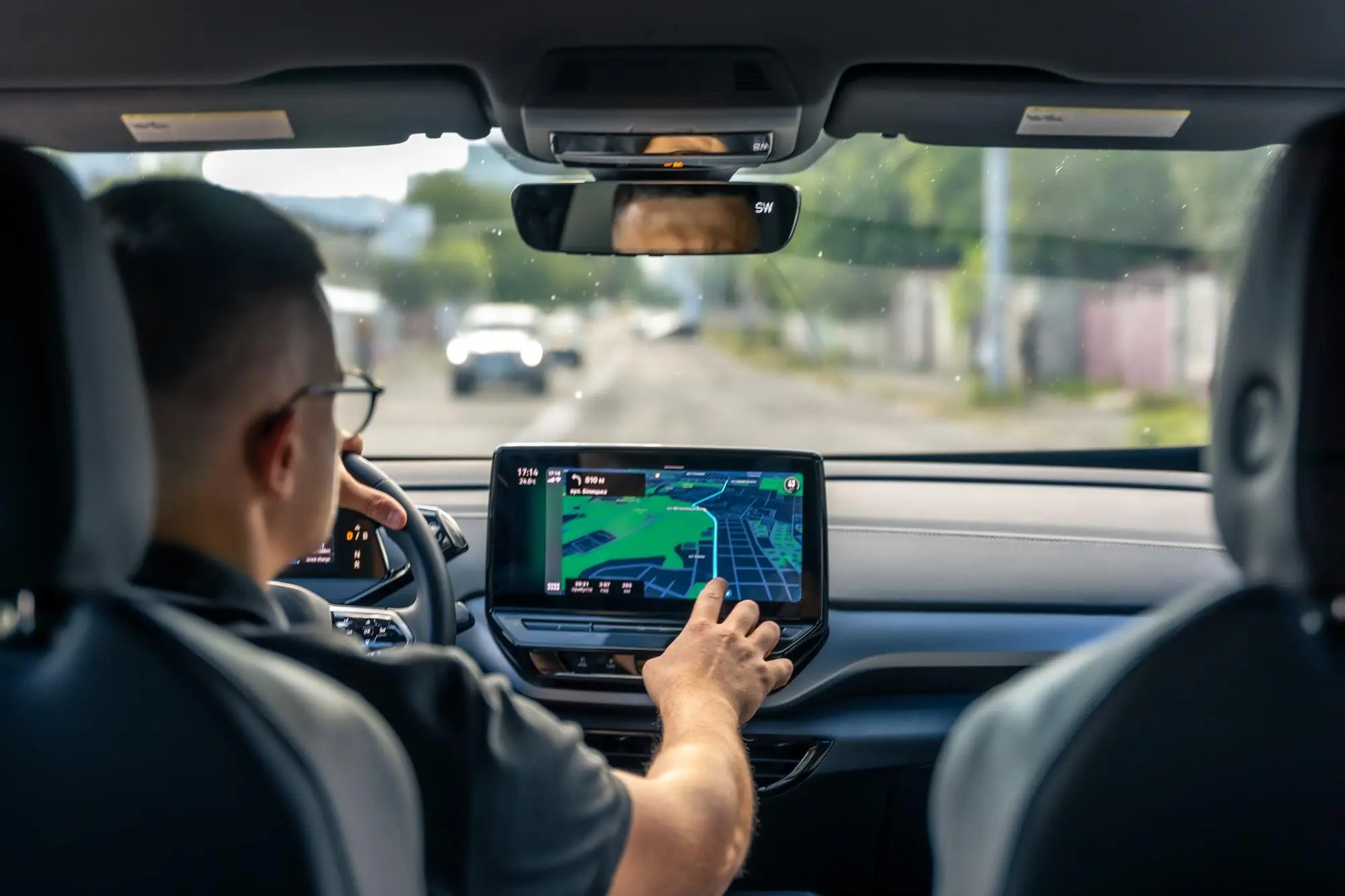
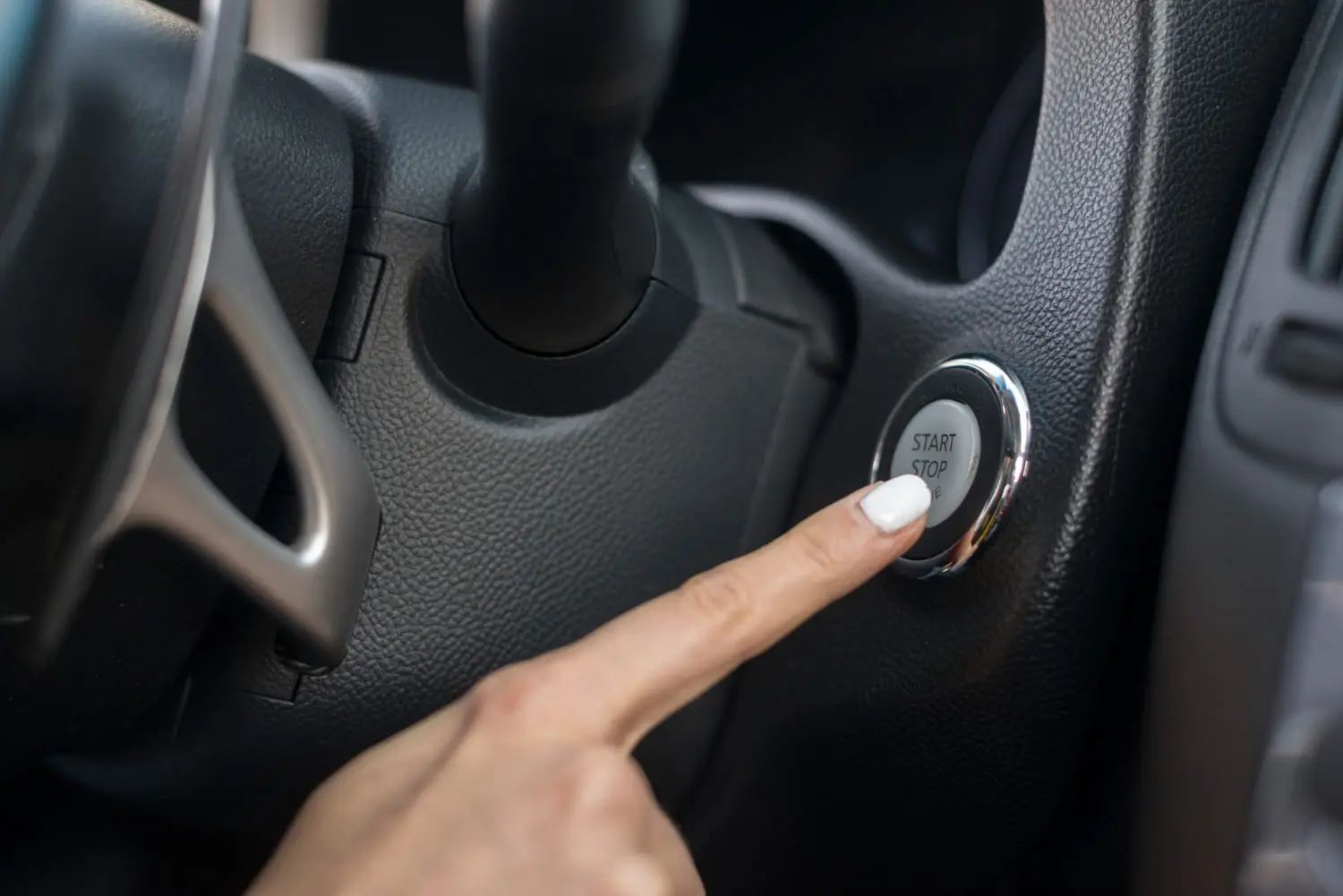
The moment you slide into the driver’s seat of a modern vehicle, a quiet exchange of digital information begins. You press the start button, the engine purrs to life, and the high-definition infotainment display greets you with a polished interface. To most drivers, this dashboard is a symbol of convenience—a seamless bridge between their digital lives and the road ahead. It streams your favorite playlists, guides you through traffic, and enables hands-free communication. Yet beneath that sleek, user-friendly interface is a sophisticated connected system capable of collecting significant amounts of vehicle and personal data. In many ways, today's connected car has evolved into a rolling smart device, continuously generating and transmitting information to support navigation, diagnostics, connected services, and other digital features.
For decades, the driving experience was defined primarily by mechanical engineering. Your car knew little about you beyond how it was being operated and when it required maintenance. Today, in 2026, modern vehicles combine those mechanical foundations with advanced software, embedded cellular connectivity, onboard sensors, and integrated operating systems, making them an important part of the Internet of Things (IoT). While these technologies deliver valuable features and convenience, they also introduce new privacy considerations. Automotive privacy policies are often lengthy and complex, making it difficult for many drivers to fully understand what information is collected, how it is used, and with whom it may be shared. By accepting the terms required to activate connected services, users may be consenting to the collection, use, and sharing of highly personal information as described in those agreements.
This goes far beyond recording mileage for maintenance or warranty purposes. Depending on the manufacturer, vehicle features, connected services, and the permissions you grant, a modern vehicle may collect information such as your location history, driving behavior, vehicle diagnostics, and, when a smartphone is connected, synchronized contacts, call metadata, and voice assistant interactions. Some vehicles equipped with driver-monitoring systems may also process data related to driver attention or eye movements to support safety features. As automakers expand connected services and explore new digital revenue opportunities, vehicle-generated data has become an increasingly valuable asset. For privacy advocates and consumer organizations, understanding how this information is collected, stored, and shared has become one of the most important discussions surrounding connected vehicles. Knowing what your vehicle collects—and why—is an essential step toward making informed decisions about your privacy behind the wheel.
The Digital Dragnet: What Data Is Your Infotainment System Actually Collecting?
To understand how extensive modern vehicle data collection can be, it's important to look beyond the sleek touchscreen interface. Today's connected vehicles are equipped with infotainment systems, onboard computers, sensors, and telematics modules that work together to support navigation, safety, diagnostics, and connected services. In doing so, they may also collect a wide range of information about the vehicle, its operation, and—depending on the features enabled and permissions you grant—the driver and connected devices.
Here are some of the primary categories of data a modern connected vehicle may collect:
- Location Data and Travel History: Built-in GPS and telematics systems do more than calculate your estimated time of arrival (ETA). Many connected vehicles store or transmit location data to provide navigation, emergency assistance, stolen vehicle recovery, and other connected services. Over time, repeated travel patterns may reveal frequently visited locations—such as your home, workplace, or other regular destinations—which can provide insights into your daily routines.
- Connected Device Information: When you pair your smartphone via Bluetooth or connect it with a USB cable, your vehicle may request permission to synchronize certain information. If you approve these permissions, compatible infotainment systems can import contacts, recent call logs, and other supported communication data to enable hands-free calling and messaging. Exactly what information is shared depends on your phone, the vehicle's software, and the permissions you choose to grant.
- Driver, Vehicle, and Telematics Data: Modern vehicles continuously generate telematics data about how they are operated. This may include speed, acceleration, braking intensity, steering inputs, fuel or battery status, and vehicle diagnostics. Some vehicles equipped with Driver Monitoring Systems (DMS) also use interior cameras or sensors to monitor driver attention, eye movements, or head position to support safety features such as drowsiness and distraction detection. Likewise, voice assistants rely on built-in microphones to process spoken commands, with voice data handled according to the manufacturer's privacy policies and system design.
The Data Ecosystem: Where Does Your Information Go?
When you start a modern vehicle, you're not just activating a mechanical system—you are engaging with a connected digital platform that may transmit data as part of navigation, diagnostics, safety features, and connected services. The information generated by infotainment systems and onboard telematics does not remain solely within the vehicle. Instead, it can be transmitted to cloud services and other authorized systems where it may be processed, analyzed, and used to support various automotive and commercial functions.
The Monetization of Mobility
In today's automotive landscape, a vehicle is no longer only a physical asset—it is also a connected device that can generate valuable operational and behavioral data. This data may be used to improve services, support software features, or enable subscription-based and connected offerings provided by manufacturers.
This information typically flows through several channels:
- Original Equipment Manufacturers (OEMs):
Many automakers now operate connected platforms that collect vehicle telemetry via built-in connectivity systems. Where permitted by user consent and regional regulations, this data may be used to improve vehicle performance, develop new services, and support customer analytics or business insights. - Insurance and Third-Party Analytics Services:
Some insurance providers and analytics companies use aggregated or anonymized driving data—often from opt-in usage-based insurance programs—to assess driving behavior and support risk-based pricing models. This may include metrics such as acceleration, braking patterns, mileage, or time-of-day driving, depending on the program. - Device Pairing and Rental Vehicle Systems:
When smartphones are paired with a vehicle via Bluetooth or USB, certain systems may temporarily store device information such as contacts or call history to enable hands-free functionality, depending on permissions granted by the user. In shared or rental vehicles, manufacturers typically include reset or profile-clearing functions, but incomplete resets can occasionally leave residual paired-device data or settings if not properly cleared.
The Legal Landscape: Privacy Rights in the Connected Car Era
Navigating the legalities of vehicle privacy feels a lot like reading a smartphone's terms of service while moving at 70 miles per hour. For years, the automotive sector operated in a regulatory blind spot, treating driver data as a frontier ripe for harvesting. However, as we move through 2026, the intersection of privacy compliance and consumer advocacy is forcing a massive shift in how automated vehicles operate.
The Geolocation Crackdown: State legislatures are actively introducing sweeping bans to prevent automakers and data brokers from selling precise historical location coordinates without explicit, unbundled user consent.
The regulatory environment is shifting across several major fronts:
-
The Problem with Vague Disclosures: Historically, automotive privacy notices relied on intentionally ambiguous legal jargon. Clauses stating that data is collected for "service improvements" or "safety optimization" frequently masked secondary uses like ad-targeting or behavioral profiling. Regulatory bodies are now demanding plain-language, explicit consumer notifications that clearly detail who receives the data and whether international server transfers occur.
-
A Surge in Legislative Actions: The legal ground is shifting fast. Multiple states have advanced bills modeled after strict framework guidelines to outright ban the unauthorized sale of precise vehicle telemetry. Furthermore, the federal implementation of rules targeting connected vehicle technologies has introduced strict compliance criteria for supply chain transparency, particularly concerning localized software nodes and backend data integrity.
-
Enforcement Realities and Class Actions: Automakers are no longer immune to severe financial penalties. Multi-state investigations and high-profile private class-action lawsuits are targeting undisclosed telemetry extraction. When vehicle platforms fail to provide comprehensive, cross-device opt-outs, they face substantial regulatory crackdowns.
How to Reclaim Your Privacy: Actionable Steps to Protect Your Data
Taking back control of your personal digital footprint doesn't require you to rip out your dashboard or stop driving altogether. Instead, it requires proactive configuration. By treating your car's operating system with the same security scrutiny you apply to a personal computer or smartphone, you can severely restrict the flow of telemetry data outward.
Here is the precise sequence required to auditing and isolating your information:
Conclusion: Taking Back the Wheel
Reclaiming your digital sovereignty behind the wheel requires shifting from a passive consumer to a proactive owner. As automobiles increasingly morph into data-harvesting machines, the choices we make in our vehicle settings and peripheral connections will determine the boundaries of our personal privacy. By auditing your factory privacy setups, isolating device permissions, and practicing clean connectivity habits, you successfully disrupt the unmitigated pipeline flowing from your dashboard to corporate data broker networks.
The modern convenience of connected vehicles doesn't have to carry the cost of absolute surveillance. Striking a healthy balance between technological integration and personal data safety is entirely possible. As automotive regulations catch up with these aggressive data practices, taking manual control of your vehicle's digital dragnet ensures that your private journeys remain exactly that private.



Written by Kousar Shabbir
Published Jun 29, 2026 in Auto Tech.