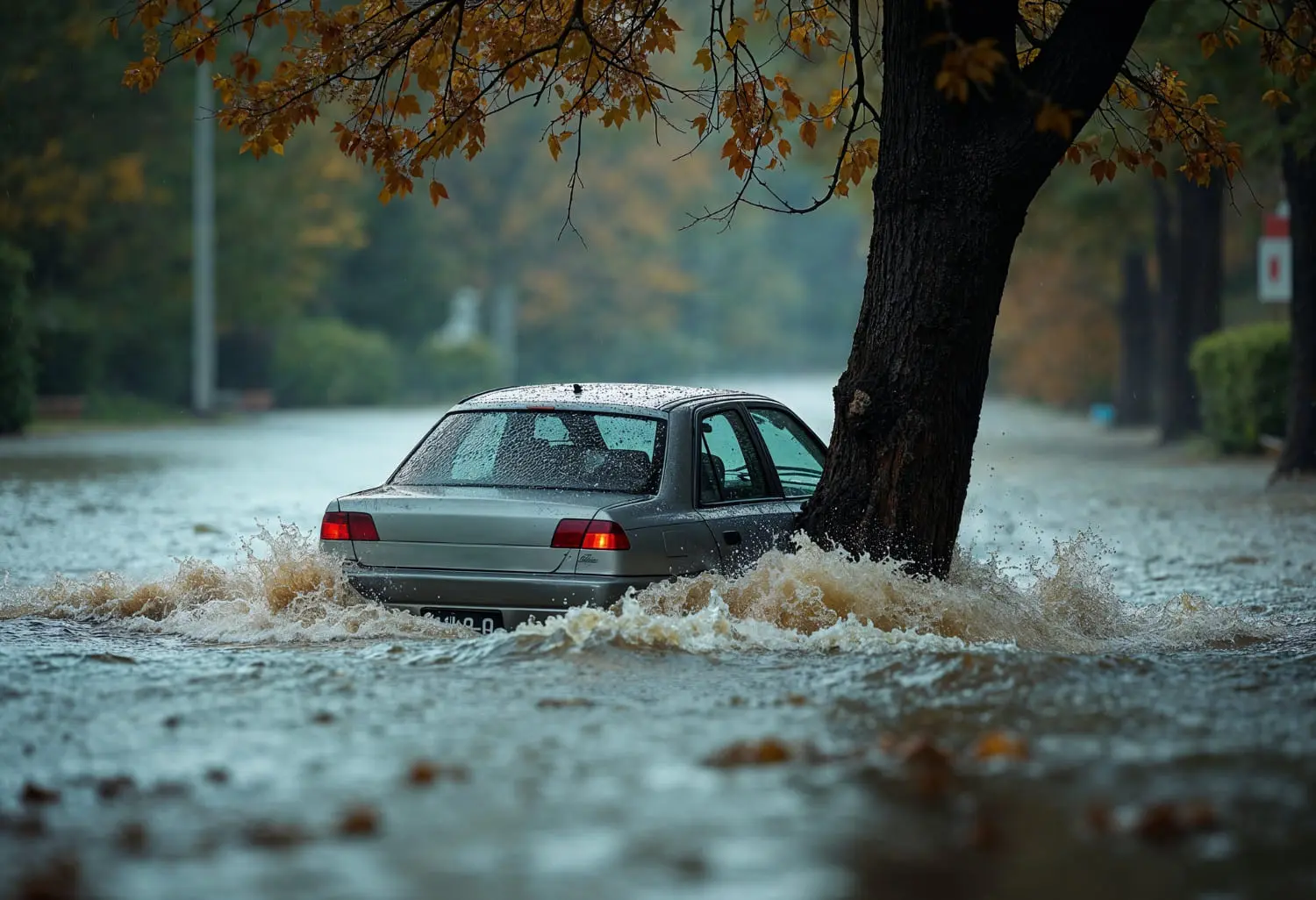
Every year, severe storms, sudden flash floods, and seasonal hurricanes leave thousands of vehicles submerged in murky, silt-heavy waters. While many of these cars are written off as total losses by insurance providers, an alarming number never make it to the scrap heap. Instead, they undergo cosmetic resurfacing, aggressive interior detailing, and cross-border paperwork manipulation before landing squarely on used car lots, online classifieds, and auction platforms. To an unsuspecting buyer looking for a clean, reliable commuter vehicle or family SUV, these cars often look immaculate on the surface—freshly shampooed, polished to a showroom shine, and priced attractively just below current market value to guarantee a quick sale.
Behind that artificial showroom smell and gleaming clear coat, however, lies a mechanical and electrical catastrophe waiting to unfold. Submergence in water—especially stagnant freshwater loaded with silt, or worse, corrosive saltwater—triggers an irreversible decay process inside a vehicle’s most critical infrastructure. While the engine might turn over smoothly during a brief, five-minute test drive around the block, invisible oxidation begins attacking sensitive electronic control modules, complex wiring harnesses, and safety systems like antilock brakes and airbag deployment sensors the moment water penetrates their seals. Within weeks or months, these microscopic points of corrosion manifest as phantom electrical glitches, sudden power loss on the highway, total transmission failure, or persistent, toxic mold growth colonizing deep within the seat foam and air conditioning ductwork.
Navigating the modern pre-owned vehicle market requires more than just kicking the tires and trusting a glossy dealer listing. Knowing how to systematically detect a flood-damaged car before signing paperwork or handing over funds is your primary defense against inheriting an uninsurable, dangerous financial sinkhole. With the right inspection techniques, a keen eye for physical red flags, and proper verification of the vehicle’s historical paper trail, you can uncover hidden water damage no matter how thoroughly a seller has attempted to conceal it.
The Anatomy of Water Damage: What Actually Happens to a Flooded Car
When floodwaters breach a passenger cabin, the resulting damage is far more sinister than ruined upholstery or a soggy floor mat. Water acts as an aggressive catalyst for mechanical breakdown and electrical decay, with the long-term prognosis depending heavily on the nature of the liquid, the depth of submersion, and the duration of exposure. Understanding the exact physical mechanisms of water intrusion clarifies why a flood-damaged car remains a ticking time bomb long after it has been dried out under industrial fans.
Freshwater vs. Saltwater Inundation
The chemical composition of floodwater dictates the speed and severity of mechanical and structural failure. Freshwater submersion—often resulting from overflowing rivers, localized flash flooding, or backed-up municipal drainage systems—carries high concentrations of fine silt, clay particulates, and industrial run-off. While freshwater allows a slightly longer window for component salvage if flushed immediately, the abrasive sediment infiltrates sealed assemblies, scoring cylinder walls, grinding down wheel bearings, and clogging cooling passages. Saltwater immersion, typically caused by coastal storm surges or hurricanes, represents a total loss scenario. Sodium chloride forms an aggressive electrolyte solution that accelerates galvanic corrosion across dissimilar metals. Copper wiring harnesses oxidize into brittle green powder, aluminum transmission casings pit and degrade, and structural steel seam welds begin rusting from the inside out within forty-eight hours of exposure.
Electronic Degradation and Phantom Faults
Modern vehicles rely on dozens of interconnected electronic control units (ECUs)—including the Engine Control Module (ECM), Body Control Module (BCM), and Transmission Control Module (TCM)—often mounted low in the vehicle architecture, such as beneath front seats, behind kick panels, or in the lower center console. When water submerges these modules, moisture penetrates through standard plastic weather-pack connectors via capillary action. Even if a vehicle dries thoroughly and runs normally for a few weeks, electrolytic corrosion silently creeps along internal circuit board traces and terminal pins. This progressive oxidation creates micro-short circuits, spurious voltage drops, and intermittent bus communication failures (such as CAN-bus dropouts). Drivers suddenly experience uncommanded engine stalling, erratic instrument clusters, failed antilock braking systems, or the complete failure of supplemental restraint systems (airbags) to deploy during an impact.
Powertrain and Fluid Contamination
Water intrusion into a vehicle's mechanical components wrecks lubrication integrity. If an engine is submerged while running, or if an attempt is made to crank a water-logged motor, water drawn through the air intake into the combustion chambers causes severe hydrostatic lock (hydrolock). Because liquids cannot be compressed, the upward stroke of the piston results in violently bent connecting rods, cracked cylinder heads, or fractured engine blocks. Even if the engine was shut off during the flood, standing water seeps past crankcase seals, axle breathers, and transmission dipstick tubes. Water mixes with transmission fluid, engine oil, and differential gear lube, forming an unusable, milky emulsion that destroys hydraulic clutch packs, strips protective fluid films from high-pressure bearings, and leads to rapid, catastrophic mechanical seizure shortly after putting the car back on the road.
The Olfactory & Interior Tactile Inspection
A vehicle’s cabin holds the most immediate physical evidence of water intrusion. While skilled detailers can clean visible surfaces, water penetrates deep into porous substrates, composite padding, and sound-deadening layers that are nearly impossible to dry or sanitize completely without full disassembly. Conducting a thorough sensory inspection of the interior is often the fastest way to uncover concealed flooding.
The "Sniff Test": Mildew vs. Chemical Masking
The human nose is remarkably adept at detecting mold and microbial growth. When entering the vehicle, keep all windows and doors closed for several minutes first to let the interior air stabilize. A flooded vehicle almost always emits a distinct, earthy, musty odor reminiscent of wet cardboard, damp basement walls, or dirty athletic laundry. However, experienced flippers anticipate this and attempt to mask it. If opening the car door hits you with an overwhelming wave of artificial pine, heavy vanilla, ozone deodorizer fumes, or industrial cleaning solvents, consider it an immediate warning sign. Sellers frequently spray excessive air fresheners or run commercial ozone generators in a short-lived attempt to neutralize mildew odors radiating from deep within the cabin materials.
Under the Carpet: Padding and Floor Pan Checks
Automotive carpet sits on top of thick, dense fibrous underlayment and polyurethane sound-deadening mats. When water pools on the floor pans, this insulation acts like a sponge, holding moisture long after the top carpet fibers feel dry to the touch. During your inspection, pull back the carpet at the corners—particularly in the footwells near the kick panels and beneath the front seats. Feel the jute backing underneath. If it feels damp, stiff, or crumbles easily, water has sat in the cabin. Inspect the bare sheet metal of the floor pan for standing water, chalky white water lines, fine river silt, or early rust formation around drain plugs.
Seat Foam and Hidden Moisture Reservoirs
Car seats are constructed with molded open-cell polyurethane foam that absorbs contaminated water rapidly. Reach deep into the crevices between the seat cushions and the seatbacks. Press down firmly with your knuckles to see if any residual moisture wicks to the surface or if the foam feels crunchy and degraded. Afterward, open the trunk, remove the floor panel, and examine the spare tire well. Because the spare tire compartment is the lowest recessed point in the rear chassis, water often drains and pools there, leaving behind stagnant puddle marks, brown silt rings, and surface corrosion on the jack and lug wrench tools.
Visual Indicators Under the Dash and Chassis
While cosmetic detailers often manage to clean high-traffic areas like seats and upper console plastics, the hidden zones beneath the dashboard and chassis require hours of labor and specialized tools to disassemble. As a result, fraudulent sellers routinely leave these deeper structural areas untouched. A flashlight and a hand mirror are your most effective tools for exposing these neglected spaces.
Silt, Sand, and Waterline Contamination
Receding floodwater leaves behind a fine, powdery silt or gritty sand residue that settles in every low-velocity eddy and horizontal crevice. Begin by shining a bright light under the dashboard, looking upward toward the firewall, steering column assembly, and pedal bracketry. Run your finger along the tops of wiring looms, HVAC duct seams, and structural crossbars. In a normal vehicle, you will encounter dry, gray ambient dust. In a flooded car, you will find dried brown or tan silt that cakes onto surfaces or flakes off in distinct crusts. Check inside the glove compartment box by dropping it completely down from its hinges to inspect the cabin air filter housing cavity. Examine the tracks and mechanical slides of the front seats; silt regularly packs tightly into the worm gears, grease channels, and seat position sensors.
Bare Metal Rust on Interior Components
Automakers leave many interior structural components completely unpainted or coated with only minimal rust inhibitors, as these parts are engineered to spend their entire lifespan in a climate-controlled, dry passenger cabin. Inspect the stamped steel brackets beneath the instrument panel, the metal frame of the steering column, the seat mounting frame rails, the seatbelt anchorage bolts, and the metal backing plates behind the brake and accelerator pedals. A normal car will show pristine, bare, or zinc-plated metal. If these components exhibit powdery orange rust, flaking corrosion, or pitting, the vehicle interior was submerged or exposed to prolonged high humidity from trapped floodwaters.
Electrical Connectors and Harnesses
Inspect the visible wiring harnesses located in the footwells and behind the lower interior trim panels. Factory wiring harnesses are typically wrapped in black friction tape or corrugated split loom tubing. Check the multi-pin terminal connectors that plug into junction blocks or body control modules. Uncouple a non-critical connector if accessible, or inspect the back of the plugs where wires enter the plastic housing. Look for powdery green, turquoise, or chalky white oxidation on the copper pins and terminals. Once water enters these unsealed connections, electrolytic action begins degrading the metal contacts, leading to sporadic sensor failures, electrical fires, or total system malfunctions long after the vehicle has dried.
Mechanical & Engine Bay Red Flags
The engine compartment houses a vehicle's most expensive mechanical assemblies, and water intrusion leaves telltale indicators that standard exterior washing cannot erase. A thorough mechanical inspection under the hood focuses on air pathways, fluid conditions, and auxiliary hardware.
Air Intake and Filter Housing
The engine air intake functions as a high-volume vacuum when running, and as a primary entry point for water when submerged. Unclip the air cleaner box, remove the engine air filter, and inspect both the filter element and the bottom of the air box cavity.
-
Filter Element: A paper filter that has been submerged will show wavy, deformed, or water-stained pleats, even if dry.
-
Air Box Base: The lower chamber acts as a trap. Look for dried cakes of river mud, sand, or water residue lines along the plastic walls. Any grit found past the filter on the mass airflow (MAF) sensor screen indicates that floodwater was drawn directly toward the intake manifold.
Fluid Checks: The Emulsion Test
Water entering closed fluid systems causes emulsification, permanently altering the appearance, viscosity, and chemical protective properties of the lubricants.
-
Engine Oil: Pull the engine oil dipstick and inspect the color and texture. Fresh oil is amber or golden; used oil is dark brown or black. If the oil resembles chocolate milk, coffee with heavy creamer, or has a frothy consistency, water has mixed into the crankcase. Unscrew the oil filler cap and look at its underside; a thick, creamy, mayonnaise-like sludge clinging to the cap indicates moisture contamination or steam rising from the crankcase.
-
Transmission and Brake Fluid: Automatic transmission fluid should be clear red or pink. Water intrusion turns it into a milky, strawberry-milkshake emulsion, which rapidly dissolves the glue binding the internal clutch friction materials. Brake fluid should be clear or light amber; cloudiness or water droplets settling at the bottom of the master cylinder reservoir point to external water ingress past the reservoir cap diaphragm.
Lighting Assemblies and Exposed Hardware
Examine the exterior headlight and taillight housings closely. Modern composite light assemblies are sealed against atmospheric humidity. If a vehicle has been submerged, water penetrates past the rear bulb grommets or housing seams, leaving trapped moisture, standing condensation, or dirty water lines inside the polycarbonate lens. Additionally, inspect the alternator, starter motor, and air conditioning compressor. Deep within the alternator windings, look for chalky white aluminum corrosion or accumulated silt packed between the stator plates.
The Paper Trail: Title Washing and Vehicle History Verification
Physical evidence tells the mechanical story of a vehicle, but the administrative record reveals its legal and insurance history. When severe weather events inundate hundreds of thousands of cars, the financial incentive to conceal that damage creates an underground network of title manipulation. Understanding the mechanisms of title washing and executing systematic digital background checks provides a vital layer of defense against acquiring a flood-damaged vehicle.
Understanding Title Designations: Salvage, Flood, and Junk
When an insurance carrier determines that the cost to repair a water-damaged vehicle exceeds its fair market value—often set at a statutory threshold between 70% and 80%—the company declares the vehicle a total loss. The vehicle's clear certificate of title is surrendered to the relevant state or regional motor vehicle agency and reissued with a restrictive brand:
-
Flood Title: Explicitly indicates damage resulting from standing or moving water submersion.
-
Salvage Title: Denotes a vehicle deemed a total loss due to collision, weather, or extensive component failure, making it illegal to drive on public roads until fully rebuilt and safety-certified.
-
Junk or Certificate of Destruction: Indicates severe structural or fluid damage where the vehicle may only be legally dismantled for usable parts or sold for scrap metal.
The Mechanics of "Title Washing"
"Title washing" is the process of exploiting regulatory loopholes and discrepancies between differing state, provincial, or international motor vehicle titling laws to strip a permanent brand from a vehicle's legal document. Because motor vehicle departments traditionally maintained isolated databases without mandatory real-time synchronization, fraudulent sellers transfer damaged vehicles across borders to jurisdictions with lax definitions, lenient salvage recovery standards, or administrative processing delays. A vehicle flooded along the Gulf Coast might be auctioned as salvage, towed through multiple intermediary states, re-titled under a shell business name, and eventually issued a seemingly "clean" paper title in an interior state with minimal documentation oversight. By the time the vehicle is listed on an online classifieds site or an independent used car lot, its paper title conceals any record of the insurance payout or catastrophic loss.
Digital Verification Protocol: Essential Databases
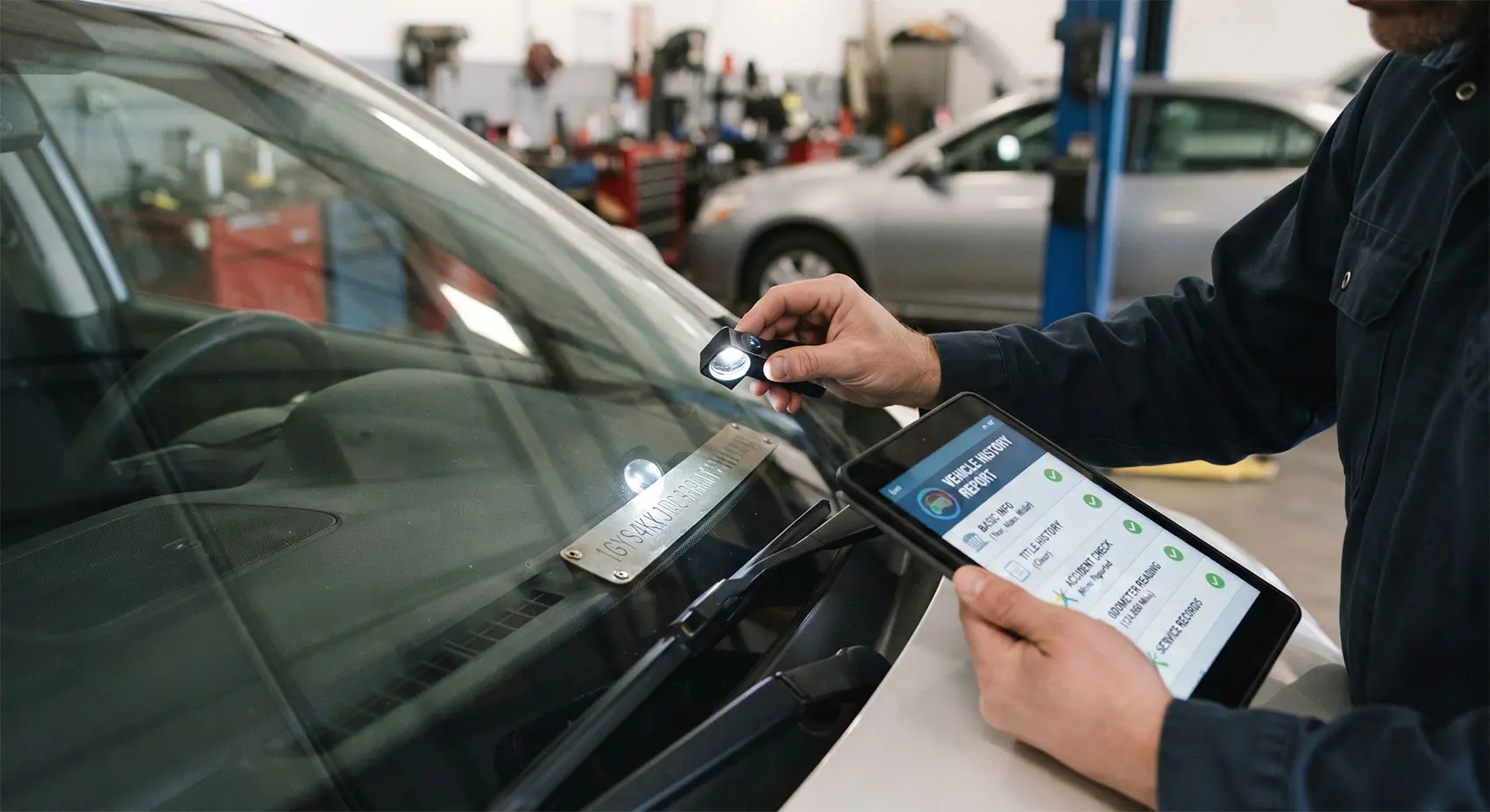
Relying solely on the physical document presented by a seller leaves severe vulnerability to title washing schemes. A rigorous buyer must cross-reference digital databases using the vehicle’s 17-character Vehicle Identification Number (VIN):
-
NMVTIS (National Motor Vehicle Title Information System): A federally managed clearinghouse designed specifically to prevent title washing. It aggregates title records, total loss declarations, and salvage yard acquisitions directly from insurance carriers and state departments of motor vehicles.
-
NICB VINCheck: The National Insurance Crime Bureau operates a free service that cross-checks vehicle identification numbers against open insurance theft records and participating commercial insurer salvage/total-loss files.
-
Comprehensive Commercial History Reports: Detailed reporting services provide timestamped registration events. Look closely for sharp anomalies: an abrupt title transfer immediately following a major regional storm event, a sudden registration transfer to an out-of-state jurisdiction, or an active lien that disappeared without documentation. Any listing where the seller claims to have "misplaced" the title or presents an out-of-state title signed by a third party warrants walking away immediately.
Conclusion
Uncovering a flood-damaged vehicle requires looking past cosmetic detailing to examine the mechanical, structural, and legal indicators that water inevitably leaves behind. While dishonest sellers can vacuum silt from floor mats, spray heavy chemical deodorizers to mask dampness, and transfer paperwork across state lines to conceal salvage branding, they cannot completely hide the physical realities of water intrusion. Lingering mold spores deep inside seat foam, fine silt lodged behind dashboard wiring harnesses, unpainted steel brackets corroded by trapped humidity, and milky, emulsified lubricants tell a clear story of submergence.
When evaluating any pre-owned vehicle, your primary defense is a disciplined, multi-layered inspection strategy: perform the sensory sniff and touch tests, use a flashlight to check high-risk cavities under the dashboard and inside the spare tire well, run thorough digital checks through the NMVTIS and NICB databases, and commission an independent pre-purchase inspection from an ASE-certified technician equipped with professional diagnostic scan tools. The golden rule of used car buying remains absolute: if you encounter multiple red flags—such as a musty odor paired with rust on seat rails or unexplained communication codes between electronic modules—do not rationalize the purchase. Walk away immediately, because the temporary savings on a cut-rate price tag will never offset the persistent safety hazards and financial burdens of a flood-compromised vehicle.


Written by Maarukh Shahbaz
Published Oct 27, 2026 in Buying Guides.