

Buying a vehicle from another state can be a good way to find a better price, a specific model, or a car that is not available near you. Many buyers also search outside their home state because they want more choices. However, buying a car from another state involves more paperwork than buying one locally. You may need to deal with taxes, title transfer, registration, inspections, temporary permits, and insurance before you can legally drive the vehicle.
The most important thing to understand is that the state where you buy the vehicle and the state where you register it may have different rules. In most cases, your home state will decide how the vehicle is finally titled and registered. It may also decide how much tax you need to pay.
The process can be easier if you understand the steps before you make the purchase. You should check the rules in your home state, review the title carefully, understand how taxes will be collected, and make sure you have the documents needed for registration.
This guide explains how an out-of-state vehicle purchase usually works and what you should know about taxes, titles, and registration.
How an Out-of-State Vehicle Purchase Usually Works
An out-of-state vehicle purchase begins much like any other car purchase. You find a vehicle, check its condition, agree on the price, and complete the sale. The main difference is what happens with the paperwork after the purchase.
Before paying for the vehicle, check the motor vehicle rules in the state where you live. Your home state may require certain documents before it will issue a new title and registration. Some states also require a VIN inspection, emissions test, safety inspection, or additional paperwork for vehicles purchased from another state. The process can also depend on whether you buy from a dealership or a private seller.
Buying From a Dealership
Buying from a dealer may make the process easier because many dealerships regularly sell vehicles to people who live in other states. The dealer may prepare the title documents, collect taxes, provide temporary registration, and send paperwork to your home state's motor vehicle agency. However, not every dealer handles out-of-state registration in the same way. Before signing the contract, ask exactly what the dealer will take care of and what you will need to do yourself.
You should also request a complete written breakdown of the purchase price. It should show the vehicle price, taxes, registration costs, title fees, dealer charges, and any optional products. This will help you understand the total cost before you agree to the purchase.
Buying From a Private Seller
A private sale usually requires more work from the buyer. The seller will normally give you the signed title and a bill of sale. You may then need to handle taxes, registration, temporary permits, and title transfer yourself.
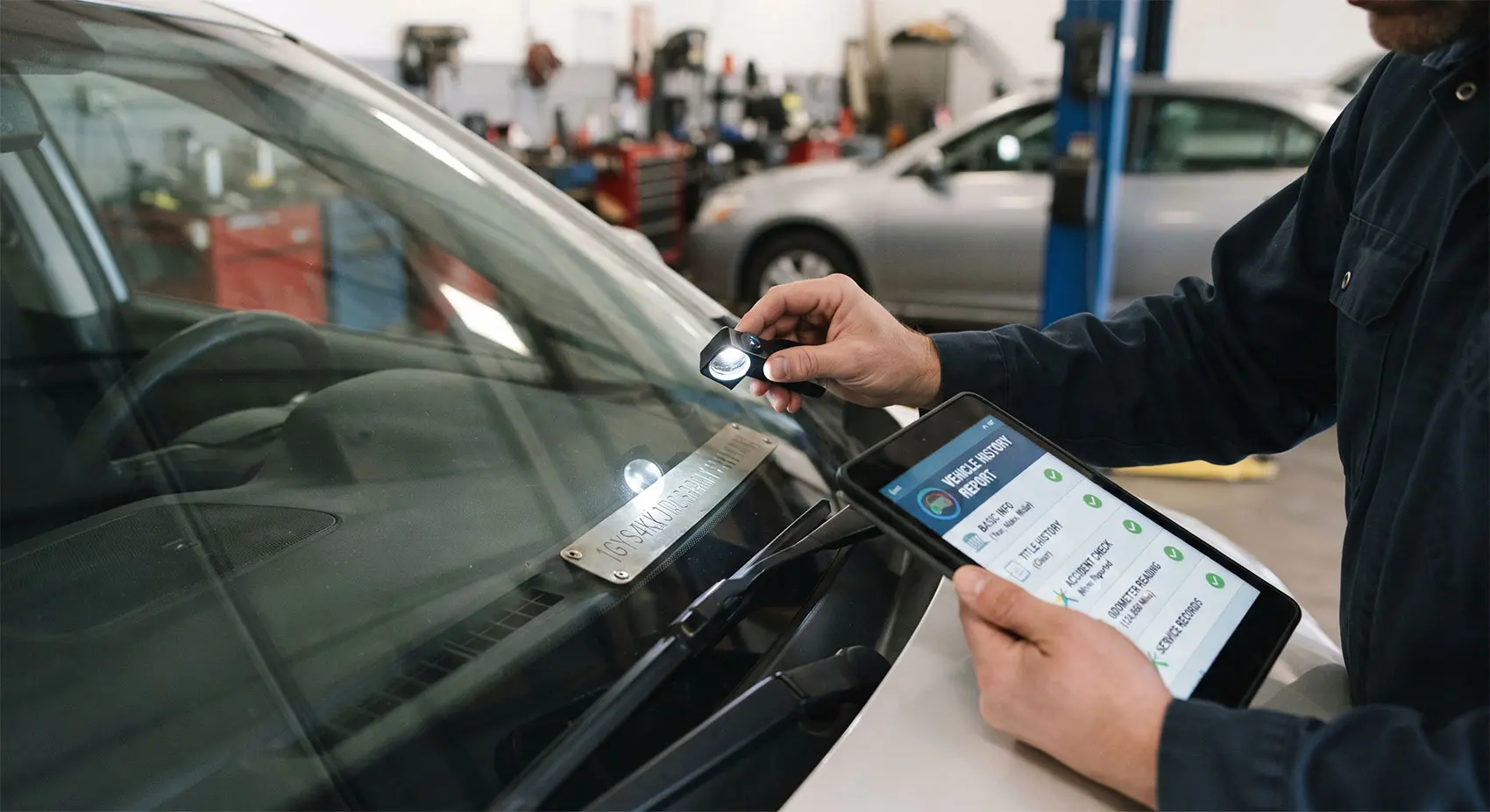
Before paying a private seller, check the title carefully. Make sure the seller's name matches the title and that the Vehicle Identification Number on the title matches the VIN on the vehicle. You should also check whether the title shows a lien. If a lender still has a financial interest in the vehicle, the lien may need to be released before the title can legally be transferred to you.
How Taxes Work on an Out-of-State Vehicle Purchase
Taxes are one of the most confusing parts of buying a vehicle in another state. Many buyers think they can avoid taxes by purchasing a vehicle in a state with a lower tax rate. In most cases, this does not work because the tax you owe is often connected to the state where you register the vehicle.
For example, you may buy a car in one state but register it in your home state. Your home state may require you to pay its vehicle sales tax or use tax when you register the car. The exact process depends on the states involved. A dealership may collect the tax during the sale and send it to the correct state. In other cases, the dealer may not collect your home state tax, and you may need to pay it when you apply for registration.
Sales Tax and Use Tax
Some states call the charge sales tax, while others may use terms such as use tax or highway use tax. The name and calculation method can vary by state.
If you already paid qualifying tax in the state where you bought the vehicle, your home state may give you credit for some or all of that amount. If your home state's required tax is higher, you may have to pay the difference. For example, imagine you paid vehicle tax when you bought the car, but your home state requires a higher amount. Your state may apply the amount you already paid and ask you to pay the remaining balance. The rules are not the same everywhere, so you should check your state's current requirements before buying.
Can You Pay Tax Twice?
In some situations, buyers worry that they will be charged tax twice. This can happen if the paperwork is not handled correctly or if the buyer does not have proof that tax was already paid. Always keep your sales contract, tax receipt, bill of sale, and dealer invoice. These documents can show your home state's motor vehicle agency how much tax you already paid. If you are buying from a dealer, ask which state's tax is being collected and whether you will owe anything when you return home. Getting this information in writing can help prevent confusion later. If you are buying from a private seller, you will often pay the required tax when you apply for the title and registration in your home state.
How the Vehicle Title Is Transferred
The title is one of the most important documents when buying an out-of-state vehicle. It shows legal ownership of the car. When you buy a used vehicle, the current owner normally signs the title over to you. You then submit the required documents to your home state's motor vehicle agency so a new title can be issued in your name. Before you accept the title, check all the information carefully. The VIN on the title should match the VIN on the vehicle. The seller's name should be correct, and any required sections should be completed. A small mistake on the title can delay the transfer process. Missing signatures, incorrect mileage, wrong names, or damaged documents may cause problems when you try to register the vehicle.
Documents You May Need
The exact requirements vary by state, but most buyers should be prepared to provide several important documents. You may need the original title, a bill of sale, proof of identity, proof of address, proof of insurance, a title application, tax documents, and any required inspection paperwork. If the vehicle is financed, you may also need information from the lender.
A bill of sale is useful even if your state does not require one. It creates a record of the transaction and can include the buyer's name, seller's name, purchase price, date of sale, VIN, and basic vehicle information. Keep copies of all documents related to the purchase. It is a good idea to keep both physical copies and digital copies when possible.
Odometer Disclosure
Mileage information may also be required during the title transfer. The seller may need to record the vehicle's mileage on the title or on a separate odometer disclosure form. Make sure the mileage listed on the paperwork matches the vehicle's odometer at the time of the sale.
You should never sign important ownership documents if required information has been left blank. If the mileage or any other information looks incorrect, ask the seller to correct it before you complete the purchase.
What Happens if There Is a Lien?
A lien means that a lender or another party has a financial interest in the vehicle. This commonly happens when the seller still owes money on a car loan. If the vehicle has an active lien, the lender may need to be involved before the title can be transferred. Ask the seller how much money is still owed and how the lien will be released. Do not assume that giving the seller the purchase money will automatically remove the lien.
If possible, confirm the payoff process directly with the lender. This can reduce the risk of buying a vehicle that cannot be legally transferred into your name.
How Registration Works After the Purchase
After you complete the purchase and receive the ownership documents, you will usually need to register the vehicle in your home state. Registration gives you permission to legally operate the vehicle according to your state's rules. It is different from the title. The title proves ownership, while registration allows the vehicle to be used on public roads.
Each state has its own registration deadline. Some states give buyers only a limited number of days to complete the process, so it is a good idea to start as soon as possible.
Temporary Registration and Permits
If you plan to drive the vehicle home after buying it, you may need temporary registration or a temporary permit. A dealership may provide temporary plates or temporary registration. This allows you to legally drive the vehicle while your permanent registration is being processed.
Private sales may require additional planning. You may need to get a temporary permit from the state motor vehicle agency before driving the car home. Do not assume that you can simply drive using the seller's license plates. In many states, the plates stay with the seller rather than the vehicle.
Before starting your trip home, make sure you have valid insurance, temporary registration if required, your purchase documents, and any other paperwork needed to legally drive the car.
VIN, Safety, and Emissions Inspections
Your home state may require the vehicle to pass certain inspections before registration is completed. A VIN inspection is commonly used to confirm that the Vehicle Identification Number on the car matches the paperwork.
Some states also require a safety inspection or emissions test. These rules can be especially important when you buy a vehicle from a state with different emissions standards. A vehicle that passed an inspection in the selling state may still need another inspection in your home state. Check the requirements before you buy. This is especially important for older, modified, or salvage vehicles, and for cars from regions with different emissions regulations.
Common Registration Problems
Many registration delays occur due to simple paperwork issues. A missing signature on the title can create a delay. An incorrect VIN, missing tax receipt, unresolved lien, incomplete mileage information, or missing inspection can also stop the process. Another common mistake is waiting too long to register the vehicle. Organize all your documents as soon as you complete the purchase. Keep your title, bill of sale, insurance information, tax records, inspection documents, and identification together. Being organized can make the registration process much easier.
Conclusion
Buying a vehicle in another state can help you find a better price, more choices, or the exact vehicle you want. However, you need to understand the tax, title, and registration process before completing the purchase. Start by checking the rules in your home state. Find out how taxes are handled, what documents are required for the title transfer, whether you need an inspection, and how quickly the vehicle must be registered.
If you are buying from a dealer, ask which parts of the process the dealership will handle. Make sure you understand what taxes and fees are being collected before you sign the contract. If you are buying from a private seller, carefully check the title, VIN, lien information, mileage, and bill of sale before paying. Keep every important document from the transaction. Good records can help you prove that taxes were paid, confirm ownership, and complete registration without unnecessary delays.
An out-of-state vehicle purchase may require a few extra steps, but the process is manageable when you prepare in advance. Check your state's rules first, review the paperwork carefully, and complete the title and registration process as soon as possible after the purchase.


Written by Kousar Shabbir
Published Sep 25, 2026 in Buying Guides.



