
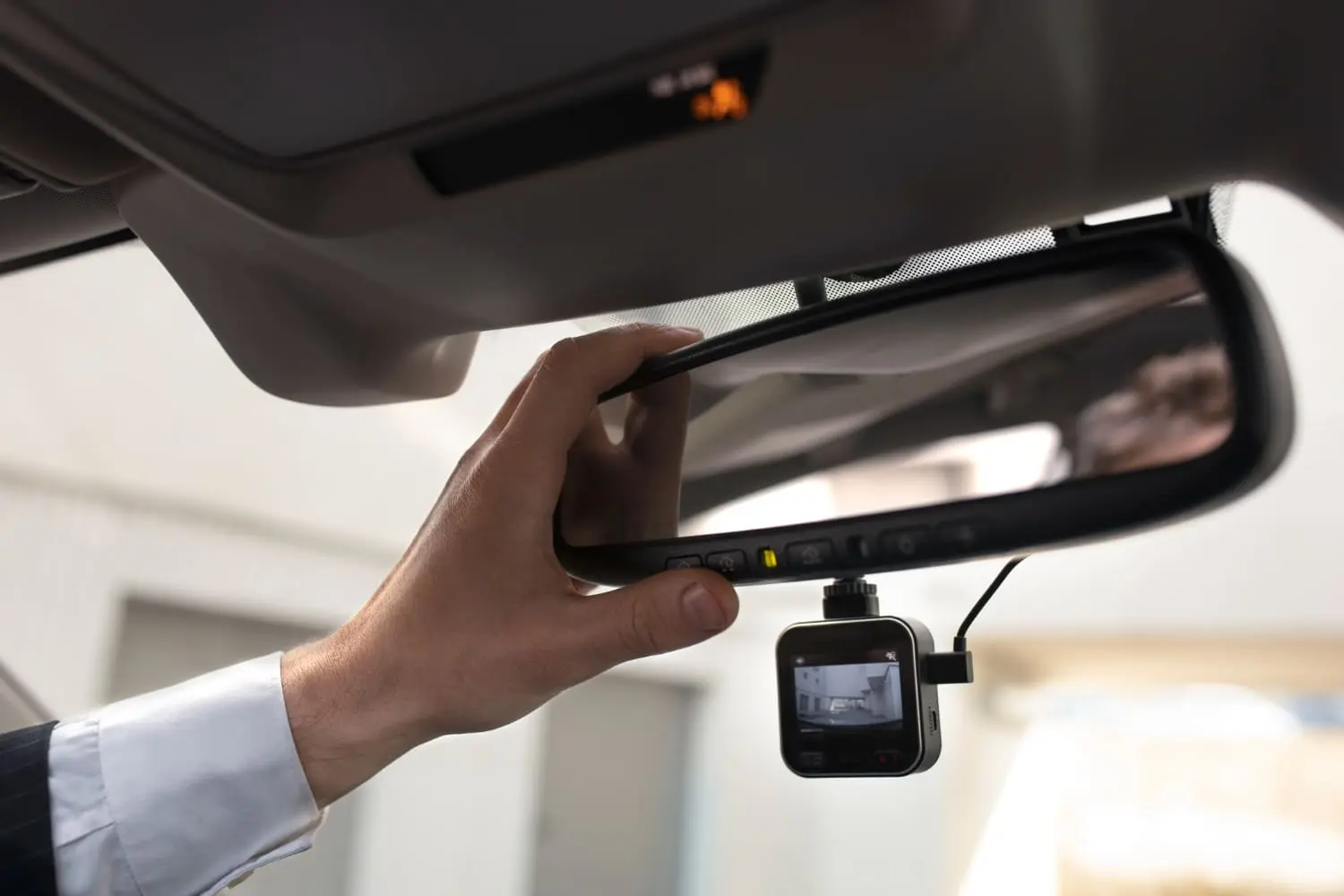
A few years ago, a dash cam was a simple gadget. You stuck it on your windshield; it recorded the road, and you only looked at the footage if something went wrong. Today, things have changed. Many new dash cams come with built-in artificial intelligence, and they promise to do much more than just record.
An AI dash cam can warn you when you drift out of your lane, alert you if you get too close to the car ahead, spot someone touching your parked car, and even pick out the important clips so you don't have to watch hours of video. It sounds impressive. But these smart cameras also cost more, and some of them come with monthly fees.
So the big question is simple: are AI dash cams actually worth the extra money, or are you paying for fancy features you will never use?
In this guide, we will explain how AI dash cams work, what real benefits they offer, what the hidden downsides are, and who should buy one. By the end, you will know if a smart dash cam is the right choice for your car and your budget.
What Makes an AI Dash Cam Different from a Regular One
Before deciding if an AI dash cam is worth it, you need to understand what makes it different. On the outside, both types look almost the same. The real difference is inside.
How a Regular Dash Cam Works
A regular dash cam is like a silent witness. It records video nonstop and saves it to a memory card. When the card gets full, it records over the oldest footage. Most regular models also have a G sensor, which detects sudden impacts and locks that clip so it doesn't get deleted.
That is useful, but it is also limited. The camera doesn't understand anything it sees. It can't tell the difference between a quiet street and a car about to hit you. It only helps after something has already happened.
How AI Changes the Game
An AI dash cam adds a small computer brain to the camera. This brain uses something called computer vision, which lets the camera recognize objects like cars, people, lane lines, traffic lights, and even the driver's face.
Because it understands what it sees, the camera can react in real time. Instead of just recording a close call, it can beep or speak a warning before the close call turns into a crash. In simple words, a regular dash cam watches, while an AI dash cam watches and thinks.
Common AI Features You Will See
Every brand is different, but these are the most common smart features:
- Forward collision warning: Alerts you if you are closing in too fast on the vehicle in front.
- Lane departure warning: Warns you if you drift out of your lane without signaling.
- Front vehicle start alert: Tells you when the car ahead moves at a traffic light, and you haven't.
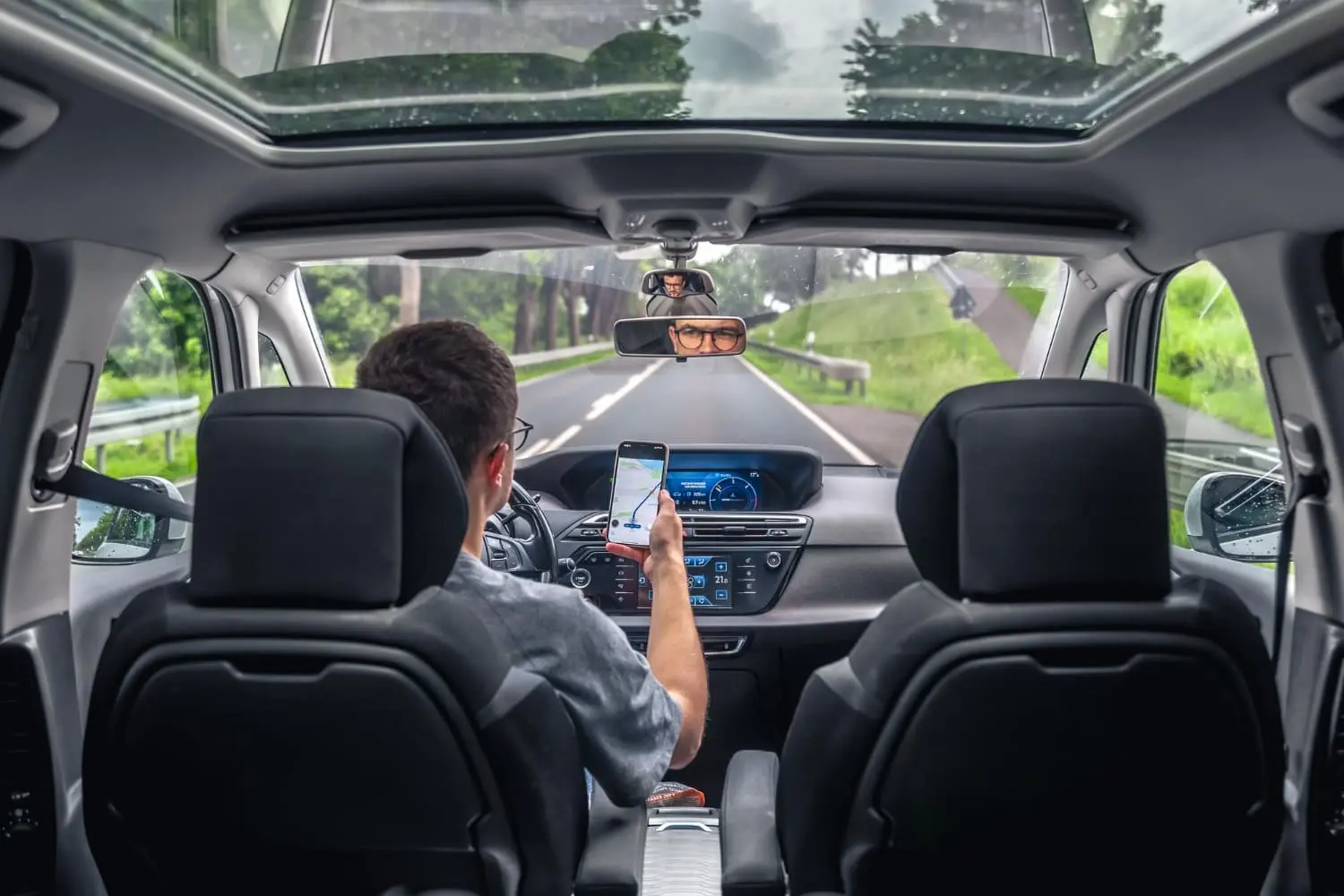
- Driver monitoring: Uses an inside camera to detect phone use, yawning, or looking away from the road.
- Smart parking mode: Recognizes people or cars moving near your parked vehicle and records only important events.
- Automatic event tagging: Picks out important moments like hard braking or sharp turns so you can find them fast.
- Voice control: Lets you save a clip or take a photo by speaking, without touching the camera.
Many of these features are grouped under the name ADAS, which stands for Advanced Driver Assistance Systems. Newer cars often have ADAS built in, but an AI dash cam can bring similar warnings to older cars.
The Real Benefits of AI Dash Cams
Now let's look at what you actually gain when you pay extra for AI.
Warnings That Can Prevent Accidents
This is the biggest selling point. Most accidents start with a small mistake: a quick look at a phone, a tired moment on a long drive, or following another car too closely in the rain. These moments last only a second or two, but that is often all it takes.
An AI dash cam can catch those moments and warn you instantly. A simple beep or voice alert can pull your attention back to the road before something bad happens. For people who drive long distances, drive at night, or drive while tired after work, this extra layer of attention can be very valuable.
Of course, a dash cam is not a replacement for careful driving. But as a backup, it gives you a second pair of eyes that never gets tired.
Stronger Evidence for Insurance Claims
Every dash cam gives you video evidence. But AI models often give you better evidence. Many of them add GPS data, speed, timestamps, and sensor information to each clip. Some can even zoom in to capture license plates more clearly, which is very helpful in hit-and-run cases.
This matters because insurance disputes often come down to "he said, she said." Clear footage with speed and location data makes it much harder for the other driver to lie about what happened. In some cases, this can save you from paying for an accident that wasn't your fault, or from seeing your insurance premium go up.
Smarter Parking Protection
A regular dash cam in parking mode often records every movement near your car: leaves blowing, people walking by, cars passing on the street. You end up with hundreds of useless clips and a drained car battery.
An AI dash cam is smarter. It can tell the difference between a person walking past and someone actually touching or hitting your car. Some models use radar along with AI, so the camera stays in low power mode until something real happens. Connected models can even send an alert to your phone while you are away.
If you park on the street, in busy parking lots, or in areas with a lot of theft, this feature alone can make an AI dash cam worth the money.
Less Time Searching Through Footage
If you have ever tried to find one short moment in hours of dash cam video, you know how painful it is. AI solves this by tagging important events automatically. Instead of scrolling through a whole day of driving, you open the app and see a short list of flagged clips like hard braking, a near miss, or an impact.
For families sharing a car, parents watching a new teen driver, or small business owners with a few work vehicles, this saves a lot of time.
The Downsides and Hidden Costs
AI dash cams are not perfect. Before you buy, you should know about the drawbacks that many reviews don't talk about.
Higher Upfront Price
AI dash cams cost more than basic ones. A simple, reliable dash cam can cost well under 100 US dollars, while a good AI model usually sits in the premium range of 200 dollars or more. If you want front, rear, and inside cameras with AI, the price climbs even higher. You may also need a high-endurance memory card and a hardwire kit for parking mode, and professional installation adds more on top.
Monthly Subscription Fees
This is the hidden cost that surprises many buyers. Some AI dash cams need a cloud subscription to unlock their best features, such as live view, phone alerts, cloud storage, and remote access. Without the subscription, the camera may work like a normal dash cam.
For businesses, the costs are even clearer. Fleet AI dash cam platforms typically cost between 15 and 60 US dollars per vehicle each month, depending on the platform and features. Personal plans are usually cheaper, but over two or three years, even a small monthly fee can cost more than the camera itself. Always check the full cost before buying.
False Alerts and Alert Fatigue
AI is smart, but it still makes mistakes. A camera might warn you about a collision when a car is simply turning ahead, or flag "phone use" when you are just scratching your face or drinking coffee. Lane warnings can also go off on roads with faded or missing lane markings.
If the alerts keep going off for no reason, drivers get annoyed and start ignoring them, or turn them off completely. This is called alert fatigue, and it can make the whole AI feature useless. The good news is that most cameras let you adjust sensitivity, and correct mounting reduces false alerts a lot. Still, expect a short learning period.
Privacy and Internet Dependence
Here is something many buyers don't realize: not all "AI" happens inside the camera. Some brands process the video on their cloud servers, which means your footage is sent over the internet for analysis. If you drive in an area with weak mobile signal, those AI features may stop working.
Driver-facing cameras also raise privacy questions, especially for rideshare drivers or company vehicles. Before buying, check whether the AI runs on the device itself, where your videos are stored, and whether you can turn off the inside camera when you want privacy.
Who Should Buy an AI Dash Cam (and Who Can Skip It)
So, are AI dash cams worth it? The honest answer is: it depends on how you drive and what you need.
Drivers Who Will Get the Most Value
An AI dash cam is a smart investment if you fit into one of these groups:
- Long-distance and night drivers who often face tiredness and low visibility.
- Rideshare and delivery drivers who spend many hours on the road and need strong evidence to protect themselves.
- People who park on busy streets or in areas with a high risk of theft and vandalism.
- Parents of new drivers who want to understand driving habits and help their kids improve.
- Small business owners with a few work vehicles who want safer drivers and fewer insurance claims.
- Owners of older cars that don't have modern safety warnings built in.
For these drivers, one avoided accident or one false claim proven wrong can easily pay back the extra cost.
Drivers Who Can Stick with a Regular Dash Cam
You may not need AI if:
- You drive short, familiar routes mostly during the day.
- Your car already has lane assist, collision warning, and similar safety systems.
- You park in a safe garage at home and at work.
- You are on a tight budget and just want basic proof in case of an accident.
In these cases, a good-quality regular dash cam with clear video, a G sensor, and loop recording will do the main job well. You can always upgrade later.
Simple Tips for Choosing the Right Model
If you decide to go for an AI dash cam, keep these tips in mind:
- Video quality comes first. AI features mean nothing if the footage is blurry. Look for at least 2K resolution and a good night vision sensor.
- Check where the AI runs. Cameras that process AI inside the device work anywhere, even without internet.
- Read the subscription details. Find out which features are free and which need a monthly plan.
- Look for adjustable alerts. You should be able to change sensitivity or turn off features you don't need.
- Think about parking mode power. If you want 24-hour protection, plan for a hardwire kit or a battery pack.
- Read real user reviews. Pay attention to comments about false alerts, app quality, and customer support.
Conclusion
Dash cams with built-in AI are a big step up from the simple recorders of the past. They can warn you before accidents happen, give you stronger proof for insurance claims, protect your parked car more smartly, and save you hours of searching through footage. For many drivers, those benefits are real and valuable.
But AI dash cams also come with a higher price, possible monthly fees, some annoying false alerts, and privacy concerns you should not ignore. They are not magic, and they don't replace safe driving habits.
So, are they worth the extra investment? If you drive a lot, drive at night, work on the road, park in risky areas, or own an older car without safety features, the answer is most likely yes. If you mainly drive short trips in a modern car and park safely, a quality regular dash cam may be all you need.
The best choice is the one that fits your driving life. Think about how you drive, check the full cost, and choose a camera that protects you without adding stress. A smart dash cam is only worth it if it makes your time on the road safer and easier.


Written by Maarukh Shahbaz
Published Sep 29, 2026 in Auto Tech.



